

 Current location:
NEWS INFORMATION
NEWS INFORMATION
Is passenger auto rickshaw more suitable for short-distance travel than taxis?
author:admin date:2026-03-30 16:29:37 click:139
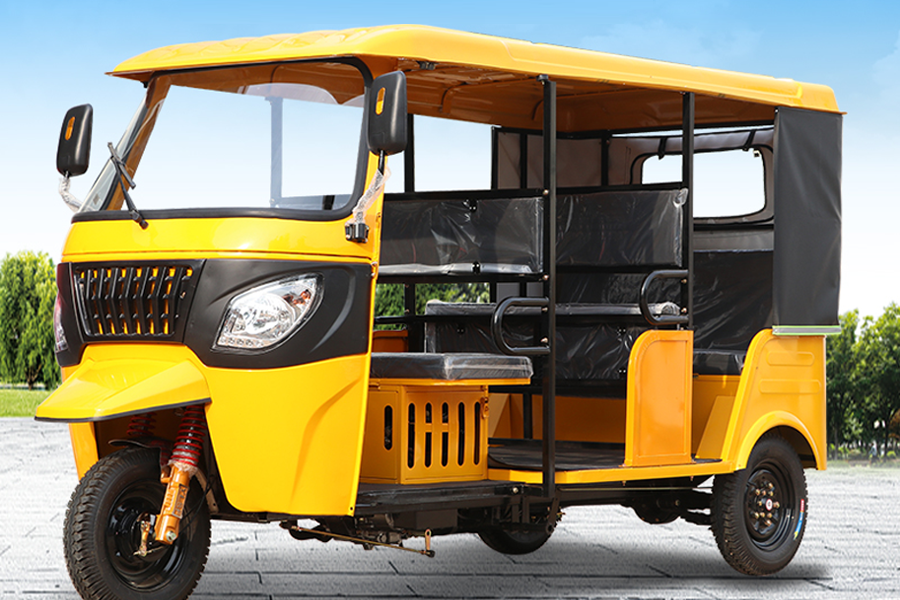
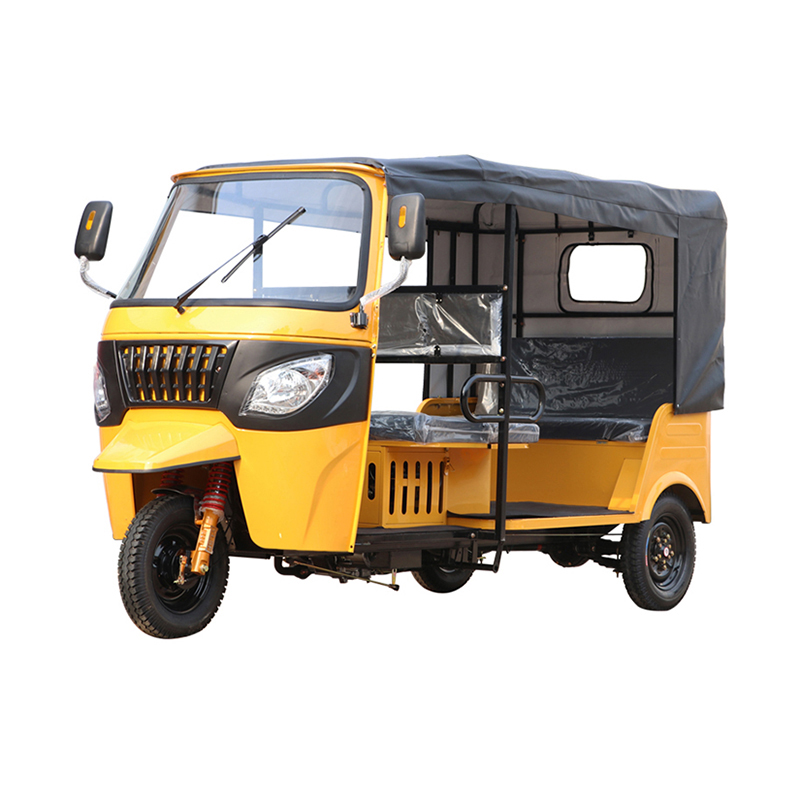
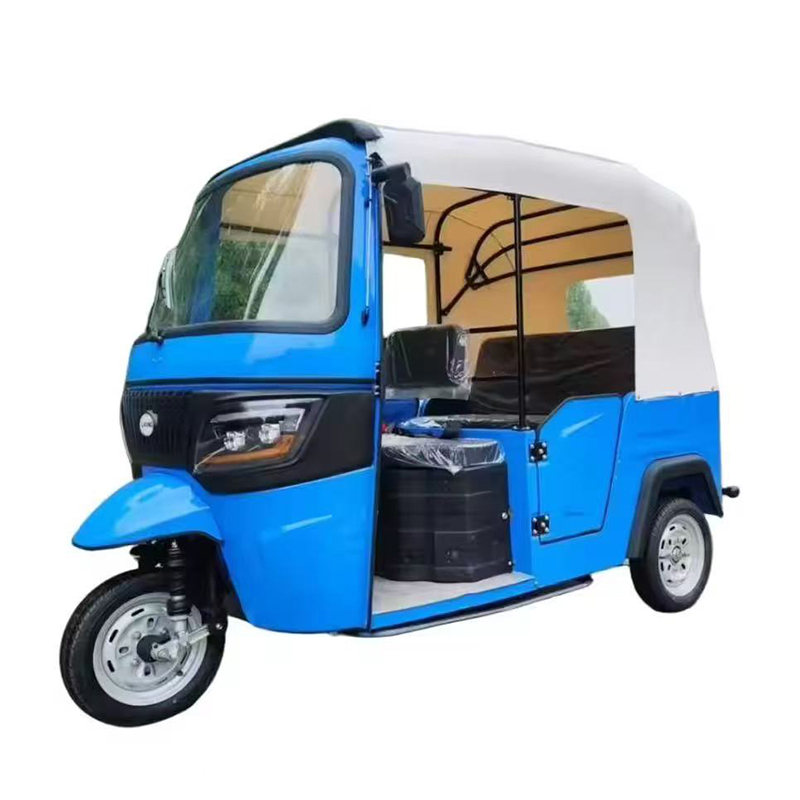
Passenger auto rickshaws and taxis are both important short-distance travel tools in urban and rural areas, but their suitability for short-distance travel varies significantly based on road conditions, passenger needs, and regional characteristics. In most short-distance travel scenarios, especially in densely populated areas with complex road networks, passenger auto rickshaws show obvious advantages and are more in line with the travel needs of local residents and tourists.
First, superior maneuverability makes passenger auto rickshaws more adaptable to short-distance travel routes. Short-distance travel often involves navigating narrow alleys, busy market streets, and winding residential roads. Taxis, with their larger body and wide turning radius, often face difficulties in accessing these areas, leading to detours and longer travel times. Passenger auto rickshaws, however, have a compact structure and a small turning radius, which allows them to flexibly weave through complex road sections, directly reach the passenger's destination, and avoid the trouble of walking long distances after getting off the taxi. This maneuverability is particularly prominent in areas with poor road conditions, making auto rickshaws the preferred choice for short-distance travel.
Second, passenger auto rickshaws have higher operational efficiency and are more in line with the rhythm of short-distance travel. Short-distance travel requires fast response and convenient pickup. Passenger auto rickshaws are usually parked in busy areas such as market entrances, bus stops, and tourist attractions, and can be picked up on demand without the need for pre-booking or waiting for a taxi to arrive. In addition, the speed of auto rickshaws is more suitable for short-distance travel; although the speed is lower than that of taxis, the shorter travel distance makes the overall travel time more competitive. Taxis, on the other hand, are often affected by traffic jams in short-distance sections, and the waiting time for taxi hailing may even exceed the travel time, affecting travel efficiency.
Third, passenger auto rickshaws have unique advantages in terms of travel experience and regional characteristics. For tourists, taking a passenger auto rickshaw is not only a means of transportation but also a way to experience local customs and culture. The open design of the auto rickshaw allows passengers to enjoy the surrounding scenery and atmosphere, which is more in line with the travel needs of short-distance leisure. For local residents, auto rickshaws are more flexible in terms of passenger capacity; they can carry 2-3 passengers, which is suitable for family or small group short-distance travel, and the seating arrangement is more casual and comfortable compared to taxis. In addition, auto rickshaws are more familiar with local roads, and can avoid traffic jams and shortcuts that taxis may not know, improving travel efficiency.
It should be noted that taxis still have their own advantages in some short-distance travel scenarios. For example, in areas with smooth road conditions and high requirements for travel comfort, such as business districts and high-end residential areas, taxis with larger space and more comfortable seating are more popular. In addition, for passengers with a large number of luggage, taxis with a larger trunk are more convenient. Therefore, the suitability of passenger auto rickshaws and taxis for short-distance travel is not absolute, and the choice should be made according to actual road conditions, travel needs, and regional characteristics.
Renqiu Xianyue Motorcycle Co., Ltd.
Contact Person: Manager Xuan
Service Hotline:
+86 13230776125
Email:
2229264029@qq.com
ADD:50 Meters West of Yongsheng Street, Nanzhang Village, Changfeng Town, Renqiu City, Cangzhou City, Hebei Province, China
Copyright © 2026-2027 http://xuanyue.chiyekeji.top. All Rights Reserved Renqiu Xianyue Motorcycle Co., Ltd.