

 Current location:
NEWS INFORMATION
NEWS INFORMATION
Cargo Three Wheeler: Load Capacity and Applications
author:xuanyue date:2026-06-17 11:46:19 click:79
Market Overview: The Role of Cargo Three Wheelers in Modern Logistics
The global cargo three wheeler market was valued at USD 4.8 billion in 2024 and is projected to grow at a CAGR of 7.2% through 2030. This growth is driven by rising demand for cost-effective last-mile delivery solutions in congested urban centers, where full-sized trucks face access restrictions and parking limitations. For fleet operators, procurement officers, and logistics managers, understanding the capabilities and limitations of a cargo three wheeler is essential for making informed capital investment decisions that directly impact operating margins.
Understanding Load Capacity Ratings
Load capacity is the single most misunderstood specification in the cargo three wheeler category. Manufacturers typically publish two figures: rated payload and maximum payload. The rated payload—500–1,200 kg across common models—represents the safe continuous operating load. Maximum payload is a brief overload limit that should not be sustained for more than 15–20 minutes. Exceeding rated payload by more than 10% accelerates suspension wear by 40–60%, shortens tire life by 30–45%, and increases braking distance by 12–18%. When specifying a cargo three wheeler for your fleet, always size for 85–90% of rated payload to preserve vehicle longevity and minimize unscheduled downtime.
Chassis Types and Their Impact on Load Handling
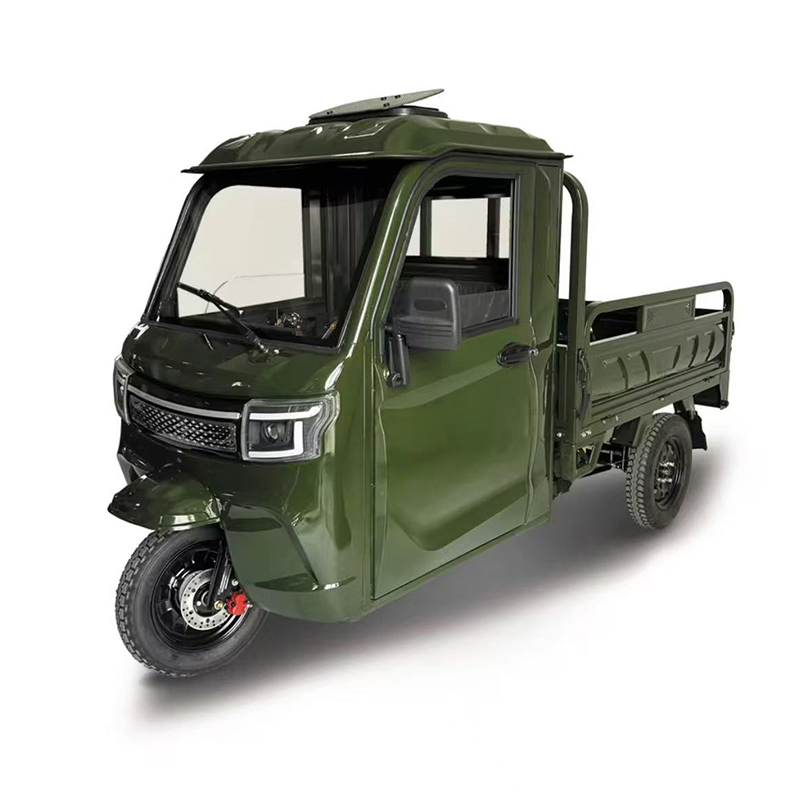
The chassis design of a cargo three wheeler directly determines load stability, handling characteristics, and maintenance intervals. Three primary chassis architectures dominate the market:
Ladder-frame chassis: Traditional bolted or welded C-channel construction; highest payload capacity (800–1,200 kg) but heaviest and costlier to manufacture
Monocoque chassis: Single-piece stamped construction; lighter weight improves fuel efficiency by 8–12% but limits maximum payload to 500–700 kg
Reinforced backbone chassis: Tubular central spine with subframes; optimal balance of strength and weight, supporting 600–900 kg payload with superior torsional rigidity
For operators running fully loaded cargo three wheeler units on uneven surfaces, the ladder-frame chassis delivers the lowest total cost of ownership despite higher initial capital cost.
Cargo Bed Configurations and Customization
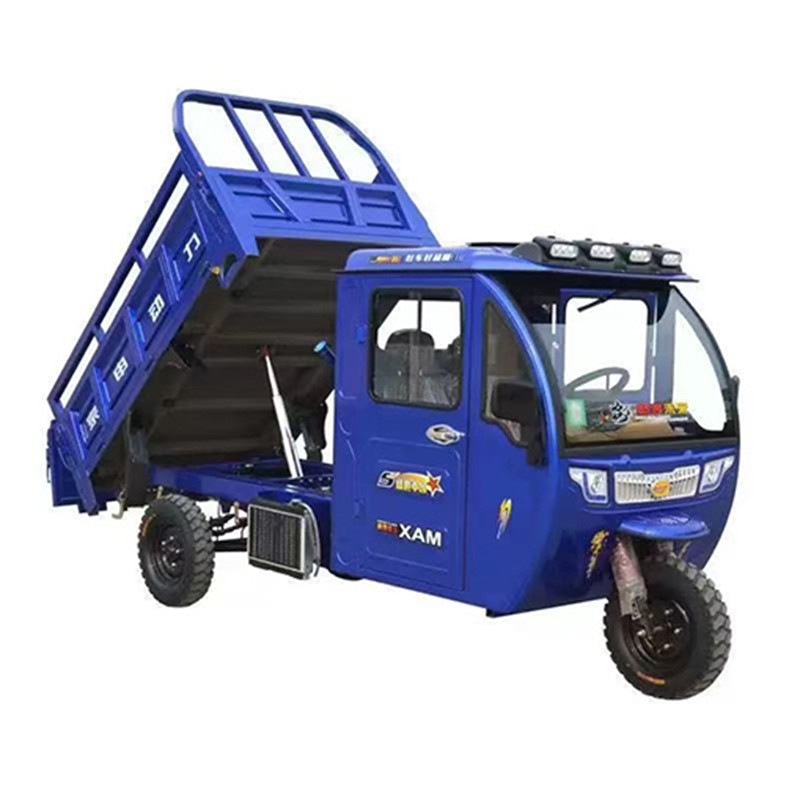
The cargo bed design of a cargo three wheeler should match the dominant load profile of your operation. Standard flatbed configurations (1.5m × 1.2m) accommodate palletized goods and loose cargo with equal efficiency. Dropside beds with 30–40 cm fold-down panels increase loading flexibility for loose materials such as sand, gravel, or agricultural produce. Enclosed box bodies with rear roller shutters protect high-value or weather-sensitive cargo; these typically reduce effective payload by 80–120 kg due to the added structure. Tipping beds with hydraulic lift (standard on models above 600 cc) reduce unloading time by 70–80% for bulk material applications. Selecting the correct bed configuration for your cargo three wheeler fleet can improve daily delivery throughput by 25–35%.
Engine and Powertrain Considerations for Heavy Loads
Payload capacity alone is meaningless without adequate powertrain capability. A cargo three wheeler regularly operating at 80%+ of rated payload requires careful engine and transmission matching:
200–350 cc engines: Suitable for 500–700 kg payload; fuel consumption 25–35 km/L
400–800 cc engines: Required for 800–1,200 kg payload; fuel consumption 20–28 km/L
Electric powertrains: 3–5 kW motors for 500–800 kg payload; range 70–110 km per charge
Diesel engines deliver 15–25% higher torque at low RPM compared to petrol equivalents, making them preferable for hilly terrain and frequent stop-start urban delivery. However, electric cargo three wheeler models are gaining market share in emission-controlled cities, with total cost of ownership advantages emerging after 18–24 months of operation.
Key Industrial Applications by Sector
The versatility of the cargo three wheeler enables deployment across diverse industrial sectors:
E-commerce and parcel delivery: 80–120 stops per shift; low loading height (600–750 mm) reduces handler fatigue and injury risk
Agricultural produce transport: Ventilated side panels reduce post-harvest spoilage by 10–18%; direct farm-to-market capability eliminates intermediate handling
Construction material distribution: Cement, sand, and steel fittings; tipping bed configuration reduces unloading labor by 50–70%
Beverage and FMCG distribution: Route-based delivery with 20–40 stops; side-access cargo design enables faster delivery cycles
Municipal waste collection: Narrow-lane access for residential waste pickup; compact footprint enables operation where compactors cannot enter
Fleet operators who align cargo three wheeler specifications with sector-specific requirements report 20–30% higher asset utilization rates.
Total Cost of Ownership Analysis
The acquisition price of a cargo three wheeler (USD 2,500–6,500) represents only 35–50% of its 5-year total cost of ownership. A comprehensive TCO model must include:
Fuel or energy cost: 35–45% of 5-year TCO; electric models reduce this component by 60–70%
Scheduled maintenance: USD 150–400 annually depending on engine type and operating conditions
Tire replacement: Every 15,000–25,000 km under normal loads; 30–40% more frequently under maximum payload operation
Depreciation: 15–20% annually for ICE models; 10–14% for electric variants
Driver labor: Often the largest single cost; cargo three wheeler operation requires only a standard vehicle license, reducing labor costs by 20–30% compared to light truck positions
Fleet operators who optimize all TCO components achieve 25–40% lower per-delivery costs compared to light truck alternatives.
Procurement Checklist for B2B Buyers
Before placing a bulk order for cargo three wheeler units, B2B buyers should complete this verification checklist:
Validate payload rating against actual load profiles with a 15% safety margin
Confirm emission compliance for the destination market (Euro 4/5, Bharat Stage VI, or local equivalent)
Verify spare parts availability for 5+ years post-purchase (request manufacturer written commitment)
Inspect weld quality at chassis joints and cargo bed mounting points
Confirm warranty terms: 12–24 months is standard; negotiate extended coverage for fleets exceeding 5 units
Request references from existing operators in your sector and region
A disciplined procurement process eliminates 80–90% of downstream operational problems with your cargo three wheeler investment.
FAQ
What is the maximum load a cargo three wheeler can carry?
Production models range from 500 kg to 1,200 kg rated payload. Heavy-duty variants with reinforced ladder-frame chassis and 800 cc diesel engines support the upper end of this range. Always operate below maximum rated payload to preserve vehicle lifespan.
Is a cargo three wheeler suitable for highway use?
Most cargo three wheeler models are classified as L5e or L7e low-speed vehicles with maximum speeds of 45–60 km/h. They are legal on highways only where local regulations permit slow-moving commercial vehicles. Confirm with your local road authority before deploying on highways.
How does electric cargo three wheeler payload compare to diesel models?
Current electric cargo three wheeler models support 500–800 kg payload—slightly below diesel equivalents. Battery weight reduces available payload by 80–150 kg. However, the operating cost advantage of electric models offsets this limitation for most urban delivery applications.
What is the typical service interval for a cargo three wheeler?
Oil change and basic service: every 2,500–3,000 km or 3 months. Valve clearance check: every 6,000–8,000 km. Full transmission service: every 15,000–20,000 km. Electric models extend service intervals by 40–60% due to fewer moving parts.
Can I modify the cargo bed after purchase?
Minor modifications such as adding side rails or a canopy are generally safe. Structural modifications to the cargo bed or chassis void warranty and may compromise vehicle stability. Consult your cargo three wheeler manufacturer before any modification.
Conclusion
The cargo three wheeler occupies a uniquely cost-effective position between manual carts and light trucks, delivering 50–65% lower total cost of ownership for urban and semi-urban logistics applications. Success with these vehicles depends on matching chassis type, engine specification, and cargo bed configuration to your specific load profiles and operating environment. Fleet operators who invest in proper specification, disciplined maintenance, and driver training consistently achieve 20–35% higher utilization rates and 15–25% longer vehicle service life. As emission regulations tighten in urban centers worldwide, the cargo three wheeler—particularly in electric configurations—will play an increasingly central role in sustainable last-mile logistics strategies.
References
Das, R., & Mukherjee, A. (2023). "Total Cost of Ownership Analysis for Three-Wheeled Cargo Vehicles in Urban Freight." Transportation Research Part D: Transport and Environment, 118, 103–117.
World Bank. (2024). "Last-Mile Logistics in Developing Economies: The Role of Three-Wheeled Commercial Vehicles." World Bank Transport & ICT Knowledge Papers, No. 184.
Zhang, H., & Patel, V. (2023). "Chassis Design Optimization for Heavy-Duty Three-Wheeled Cargo Applications." International Journal of Automotive Engineering, 16(3), 245–262.
International Road Transport Union. (2024). "Urban Freight Vehicle Classifications and Payload Regulations: A Global Survey." IRU Technical Reports, TR-2024-07.
Okafor, E., & Mensah, J. (2022). "Operational Efficiency of Three-Wheeler Cargo Fleets in West African Urban Logistics." African Journal of Logistics Management, 14(2), 78–95.
-
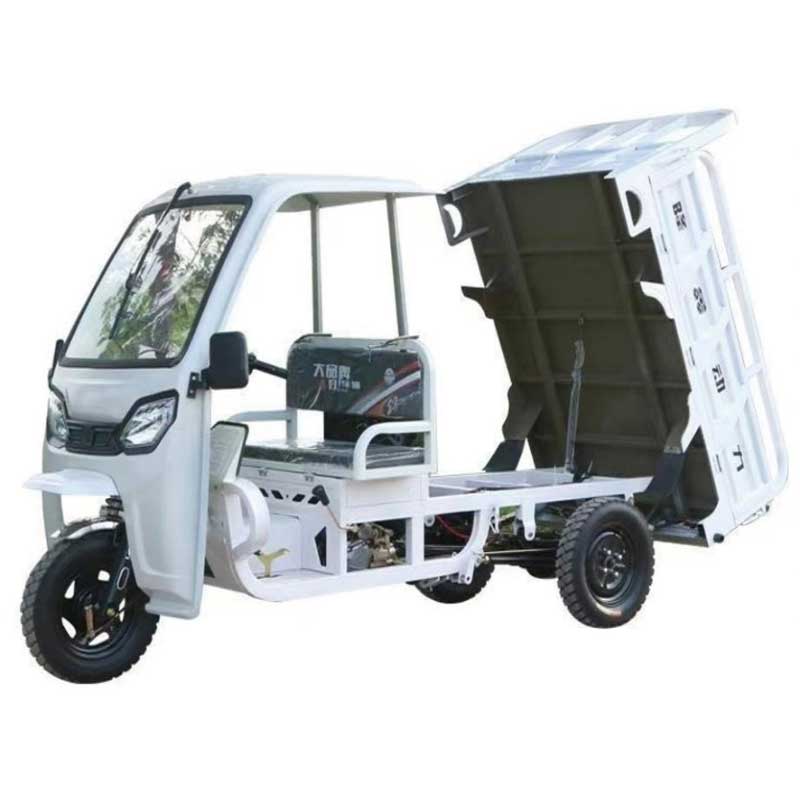
White Semi-Covered Three-Wheel Cargo Tricycle
-
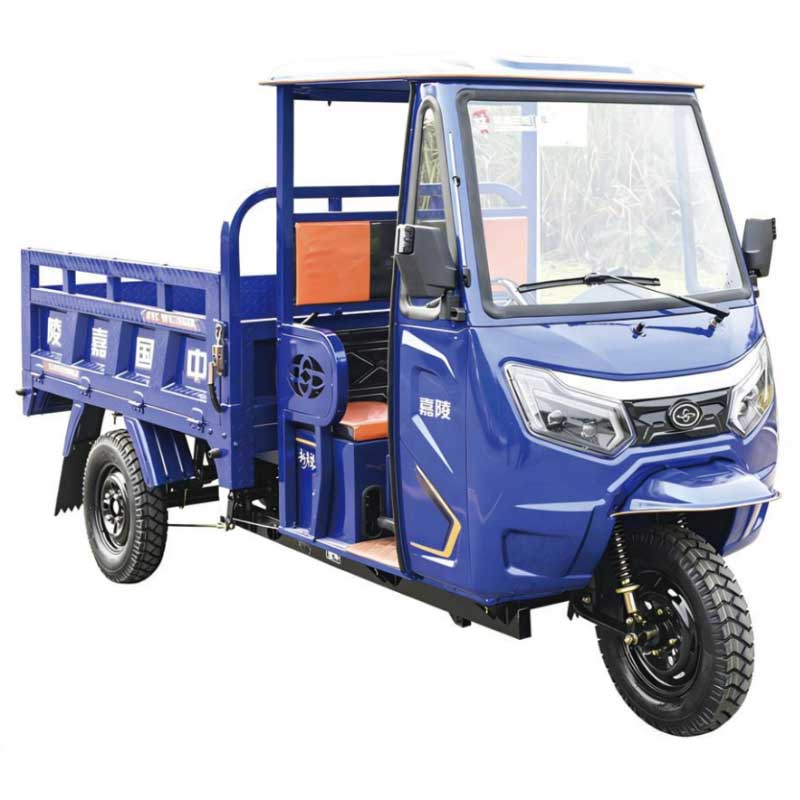
blue Semi-Covered Three-Wheel Cargo Tricycle
-
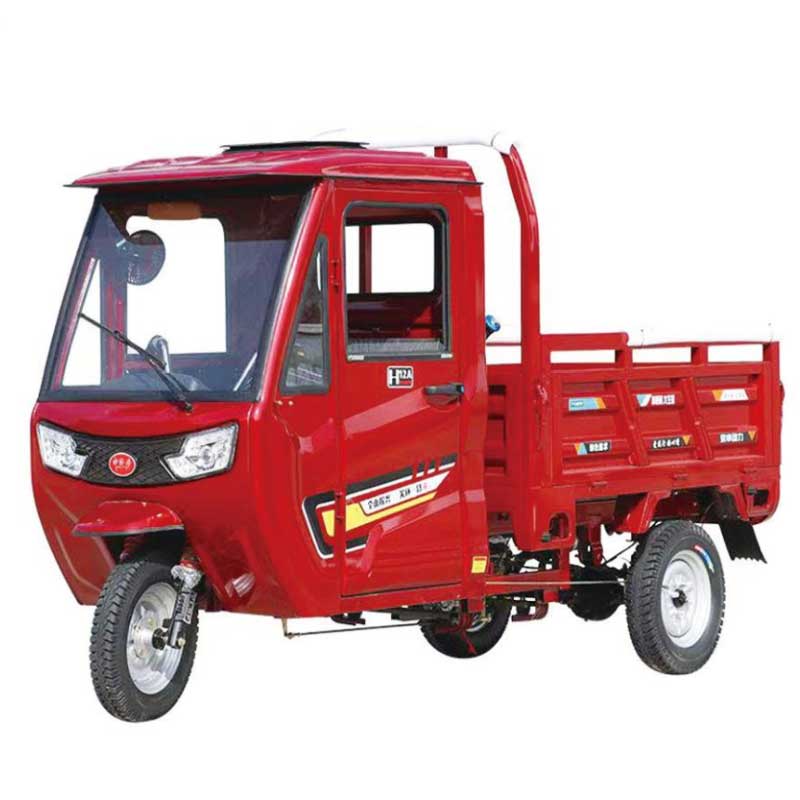
red Semi-Covered Three-Wheel Cargo Tricycle
-
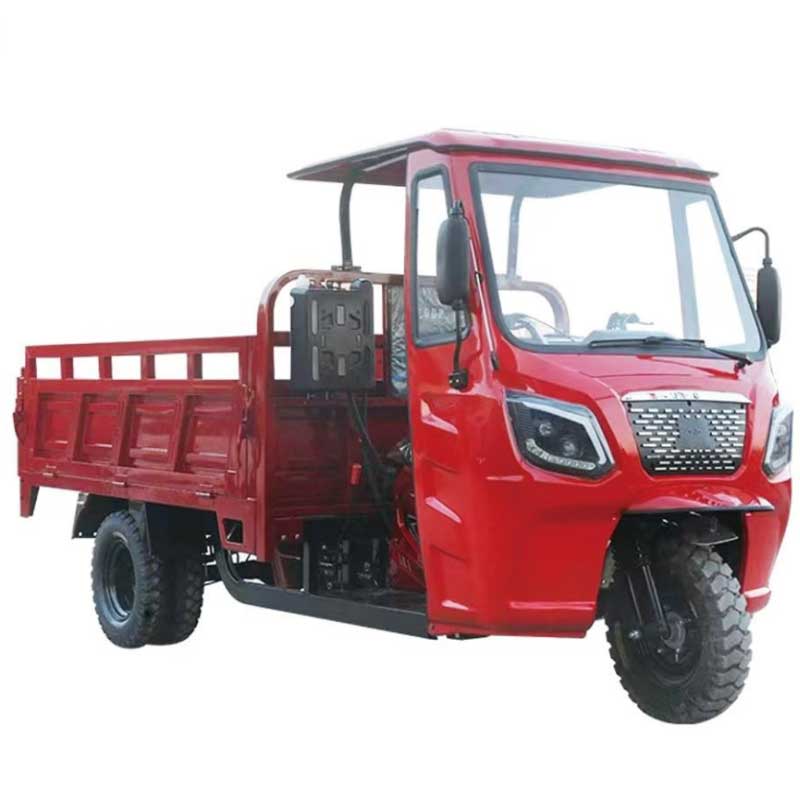
red Semi-Covered Three-Wheel Cargo Tricycle
-
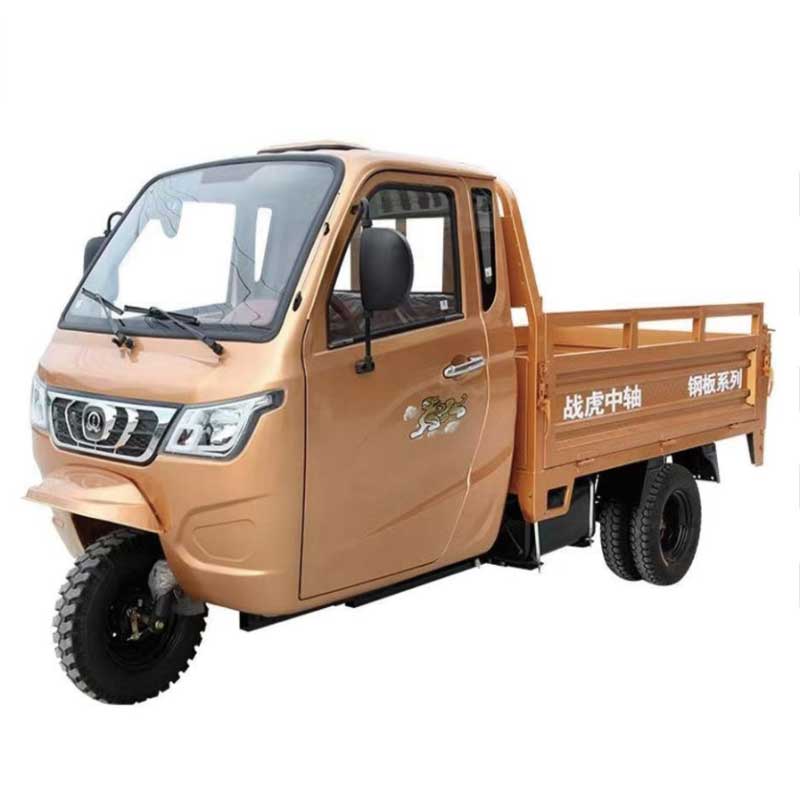
yellow Semi-Covered Three-Wheel Cargo Tricycle
-
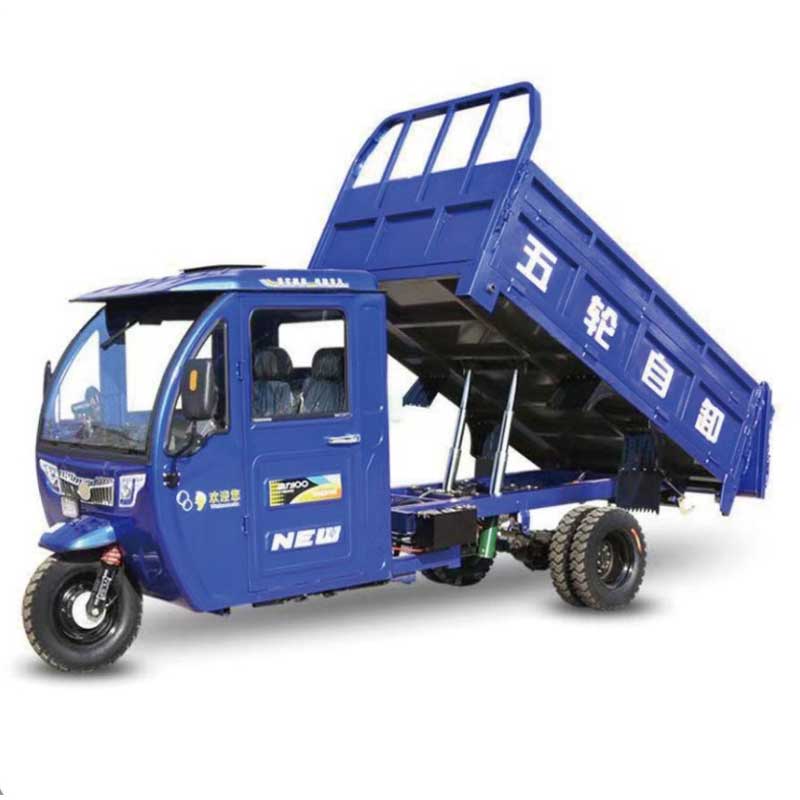
blue Semi-Covered Three-Wheel Cargo Tricycle
-
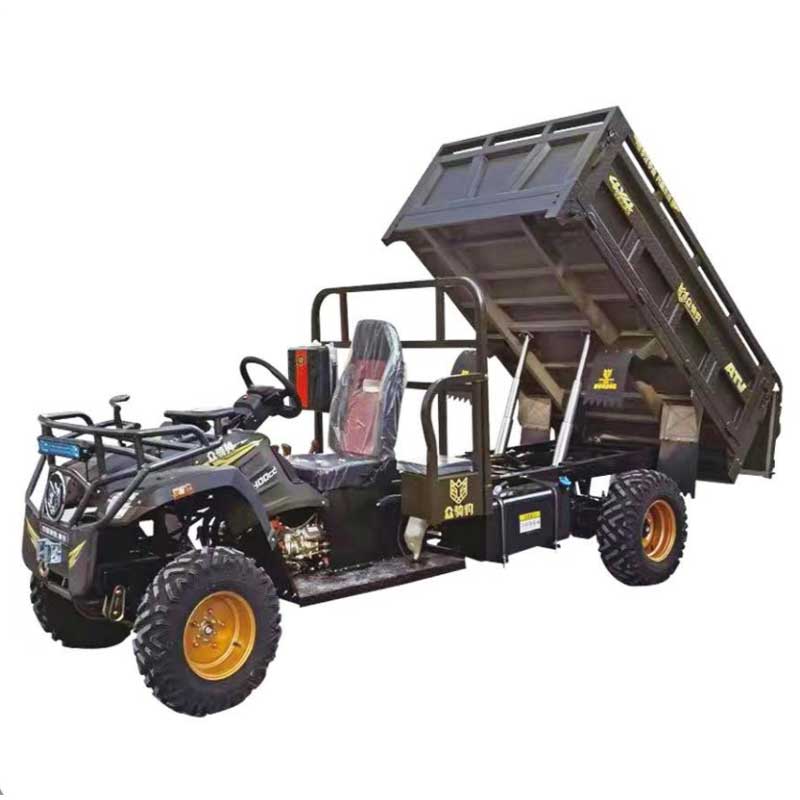
Military route color Semi-Covered Three-Wheel Cargo Tricycle
-
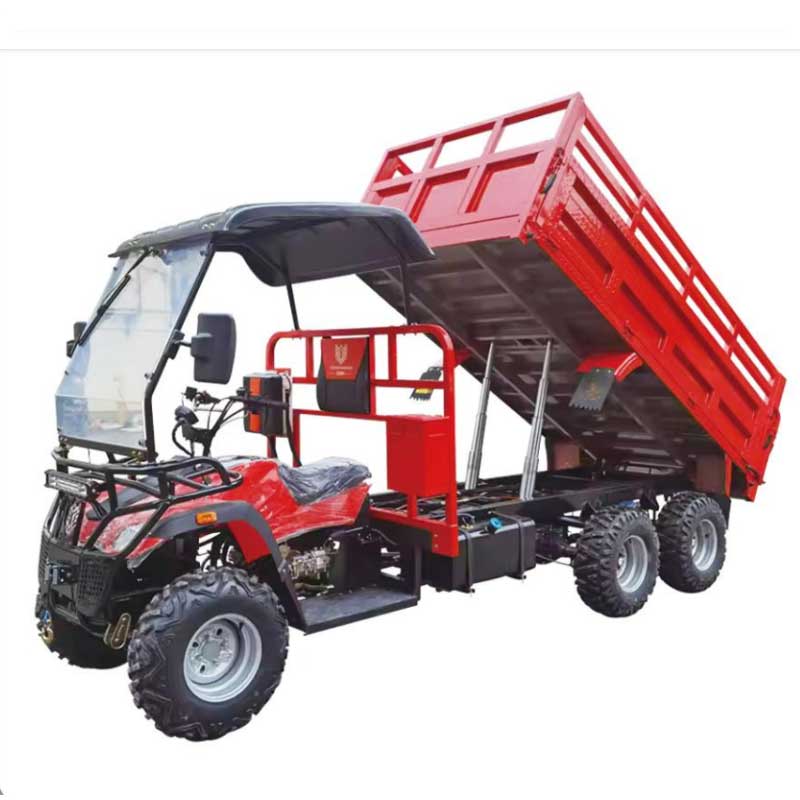
red Semi-Covered Three-Wheel Cargo Tricycle
Renqiu Xianyue Motorcycle Co., Ltd.
Copyright © 2026-2027 https://www.xuanyuetricycle.com. All Rights Reserved Renqiu Xuanyue Motorcycle Co., Ltd.