

 Current location:
NEWS INFORMATION
NEWS INFORMATION
Wholesale Tuk Tuk Pricing Guide for Importers 2026
author:xuanyue date:2026-09-14 21:38:01 click:109
Receiving a wholesale tuk tuk quotation from a factory and translating it into a procurement decision is harder than it looks. The quoted price may be EXW, FOB, or CIF — each a different cost structure with different components included and excluded. The price may look attractive against a competitor's quote but collapse into a poor investment decision once freight, duty, and logistics are fully costed. This guide is designed to give importers the analytical framework to compare wholesale tuk tuk quotations accurately and negotiate from a position of understanding rather than guesswork.
Understanding EXW, FOB, and CIF Pricing Terms
The Incoterms framework defines who is responsible for which costs in an international sale. Understanding these terms is the foundation of comparing wholesale tuk tuk quotations accurately.
EXW — Ex Works — means the buyer's cost ends at the factory gate. The seller makes the vehicle available at their premises; the buyer arranges and pays for all transport, export clearance, freight, insurance, and import clearance. EXW is the lowest quoted price and the buyer's maximum cost exposure. It is appropriate for buyers who have their own freight forwarding capability and prefer to manage the logistics chain independently.
FOB — Free on Board — means the seller's cost includes delivering the vehicle to the port of departure and loading it onto the vessel. The buyer pays ocean freight, insurance, and all costs from arrival at the destination port onward. FOB is the most commonly quoted Incoterm for tuk tuk wholesale exports and is the standard baseline for comparing factory prices across suppliers.
CIF — Cost, Insurance, and Freight — means the seller includes ocean freight and marine insurance to the destination port. The buyer pays import duty, customs clearance, and inland transport from the destination port. CIF simplifies the logistics cost for the buyer but makes it harder to isolate the factory price from the freight component when comparing quotes.
The Cost Layers That Build Landed Cost
Wholesale tuk tuk landed cost is the sum of multiple cost layers. Understanding each layer prevents the common error of comparing factory quotes without accounting for the other components that determine the real cost.
Factory price (EXW): The base vehicle cost, set by the manufacturer based on specifications, volume, and market conditions. This is the starting point, not the total cost.
Export logistics: Transport from factory to port, export documentation, and port handling charges. Typically USD 100–300 per vehicle depending on distance and port congestion.
Ocean freight: Container shipping cost from origin port to destination port. A 20-foot container holds 4–6 fully assembled units; a 40-foot container holds 8–12. Freight rates fluctuate with shipping market conditions; typical rates range from USD 800–2,500 per container in current markets.
Marine insurance: Typically 0.3–0.8% of the cargo value. Often bundled into CIF quotes rather than quoted separately.
Import duty: Levied by the destination country on the customs value of the vehicle. Rates range from 0–25% depending on the destination market's tariff schedule, vehicle classification, and any applicable trade agreement. This is the most variable cost component and can dramatically change the landed cost ranking of different quotations.
Port handling and customs clearance: Destination port charges, customs broker fees, and documentation costs. Typically USD 150–400 per shipment, amortised across the number of vehicles.
Inland transport to depot: Transport from the destination port to the buyer's depot or assembly point. Varies significantly by distance and local transport costs in the destination market.
Price Factors: What Drives Wholesale Tuk Tuk Quotes
Within the factory price component, several factors determine the wholesale tuk tuk quote. Understanding these factors allows buyers to identify where a price quote is reflecting genuine cost differences versus margin or speculation.
Specification is the primary driver. A standard petrol passenger model with basic equipment has a significantly lower manufacturing cost than an electric passenger model with lithium battery, advanced motor controller, and premium finish. Within the electric category, battery capacity — measured in amp-hours at the system voltage — is the single largest cost driver. A vehicle specified with a 150 Ah lithium pack costs substantially more than one with an 80 Ah pack, and that cost difference is appropriate if the range requirement justifies the larger battery.
Volume is the second major factor. Factories have economies of scale in component purchasing, line setup, and quality control that allow them to offer progressively better per-unit pricing as order quantities increase. Most factories apply formal volume tiers, with meaningful discounts beginning at 10 units and steeper discounts at 30, 50, and 100 units.
Market timing matters. Battery raw material prices — lithium, nickel, cobalt — fluctuate with commodity markets and affect electric vehicle pricing more directly than combustion vehicle pricing. Steel, rubber, and electronics components also fluctuate. A quotation received in a period of rising commodity prices may not be valid for the production window six weeks later.
Volume Discount Tiers and MOQ Structures
Minimum order quantities (MOQ) are a standard feature of factory wholesale pricing. A factory with a formal MOQ of 10 units is establishing a threshold below which the per-unit administrative, documentation, and quality control costs make the transaction unprofitable for them. MOQs typically range from 3–10 units depending on the factory's scale and the model's complexity.
Volume discount structures follow a roughly tiered pattern: 1–5 units at list price; 6–15 units at 5–10% discount; 16–30 units at 10–15% discount; 31–50 units at 15–20% discount; 51–100 units at 20–25% discount; 100+ units requiring a bespoke quotation. The exact tier thresholds and discount percentages vary by factory and are affected by current order backlog, component availability, and the buyer's strategic importance to the factory.
For first-time buyers, the most practical approach is to start with the MOQ or trial order quantity (typically 3–5 units at a slightly higher per-unit price) to validate vehicle quality and supplier reliability before committing to a larger volume order at the better discount tier.
Payment Terms: What Is Standard and What to Negotiate
The standard payment terms for a wholesale tuk tuk order are 30% deposit upon order confirmation, with the remaining 70% payable against the bill of lading (documents against payment) or upon presentation of the original bill of lading. This structure protects the seller against non-payment and the buyer against non-delivery, with the shipping documents (bill of lading) serving as the control document.
For larger orders or established relationships, payment terms can be negotiated toward a 30/70 split with a letter of credit from a recognised bank, which shifts the risk balance more firmly toward the buyer's favour. Payment terms like 90% against bill of lading, or deferred payment arrangements, should be avoided without a letter of credit or other risk mitigation instrument — they place the buyer in a vulnerable position if the supplier fails to perform.
Hidden Costs That Importers Frequently Overlook
The costs that most surprise first-time tuk tuk importers are rarely the obvious ones. Pre-shipment inspection, typically USD 200–500 per day for an independent inspector, is one. Importers who skip this cost often receive vehicles that do not match the specification — a USD 5,000 error on a USD 50,000 order that could have been caught before the vessel departed. Battery replacement cost, which arrives 4–6 years into the vehicle's life and must be budgeted as a maintenance reserve rather than treated as a future problem. Currency exchange risk, which can add or subtract 5–15% from the actual cost of an order depending on the timing of payment relative to exchange rate movements. And import duty misclassification — the customs authority in the destination market determines the vehicle's HS code, and an incorrect classification can result in unexpected duty rate differences of 10–20 percentage points.
Building a Landed Cost Comparison
To compare two competing wholesale tuk tuk quotations on a fair basis, build a landed cost model for each. The formula: Landed Cost = Factory Price + Export Logistics + Ocean Freight + Insurance + Import Duty + Customs Clearance + Inland Transport. Apply the destination market's duty rate to the customs value (which may be the FOB value or the CIF value, depending on the destination country's rules). The quotation with the lower landed cost is the better offer — regardless of which component price is lower.
FAQ
What is the typical wholesale price range for a petrol passenger tuk tuk?
EXW factory prices for standard petrol passenger tuk tuk models range from USD 2,200–4,500 depending on engine displacement, specification level, and manufacturer tier. Electric passenger models range from USD 3,500–8,000 EXW.
How is import duty calculated on a wholesale tuk tuk shipment?
Import duty is calculated by applying the destination country's tariff rate — typically 5–25% — to the customs value of the goods. The customs value is usually the FOB value (for most countries) or the CIF value (for countries that use landed cost as the basis for duty calculation). Verify the applicable tariff classification and rate with a customs broker before finalising your landed cost calculation.
What volume discount can I expect from a tuk tuk factory?
Formal volume discounts typically begin at 6–10 units (5–10% off list) and increase at 16–30 units (10–15%), 31–50 units (15–20%), and 51–100 units (20–25%). The exact tiers are negotiable, particularly for repeat orders or buyers committing to multi-order volume programmes.
Should I use FOB or CIF pricing for my import order?
Use FOB if you have an experienced freight forwarder and prefer to control the shipping arrangement directly — this is typically cheaper for established importers. Use CIF if you prefer a simpler quotation that bundles freight and want the factory to manage the outbound logistics to the destination port. CIF is often preferred by first-time importers who do not yet have freight forwarding relationships.
What payment terms are standard for a wholesale tuk tuk order?
The standard terms are 30% deposit upon order confirmation and 70% against the bill of lading. Payment by letter of credit (L/C) is the safest option for both parties and is available from most banks for a fee of approximately 1–3% of the transaction value.
Conclusion
Wholesale tuk tuk pricing is a layered cost structure, and comparing quotes accurately requires understanding each layer. The factory price is the starting point, not the final cost. Landed cost — which adds freight, duty, clearance, and logistics — is the only figure that matters when making a procurement decision. Importers who build this analytical framework, verify each cost component independently, commission pre-shipment inspection, and negotiate payment terms that protect both parties consistently achieve better procurement outcomes than those who compare factory quotes on price alone.
References
International Trade Centre. (2024). "Automotive Sector Export Quality Standards: A Practitioner's Guide." ITC Technical Papers, No. 78.
World Bank. (2024). "Last-Mile Delivery Innovation in Developing Economies." World Bank Working Papers, WP-2941.
Das, S., & Pandey, A. (2023). "Total Cost of Ownership: Three-Wheelers vs Light Trucks in Urban Delivery." Journal of Transport Geography, 109, 78–92.
Osei, K., & Mensah, J. (2022). "Micro-Enterprise Access to Commercial Vehicles in Sub-Saharan Africa." African Development Review, 34(2), 89–104.
-
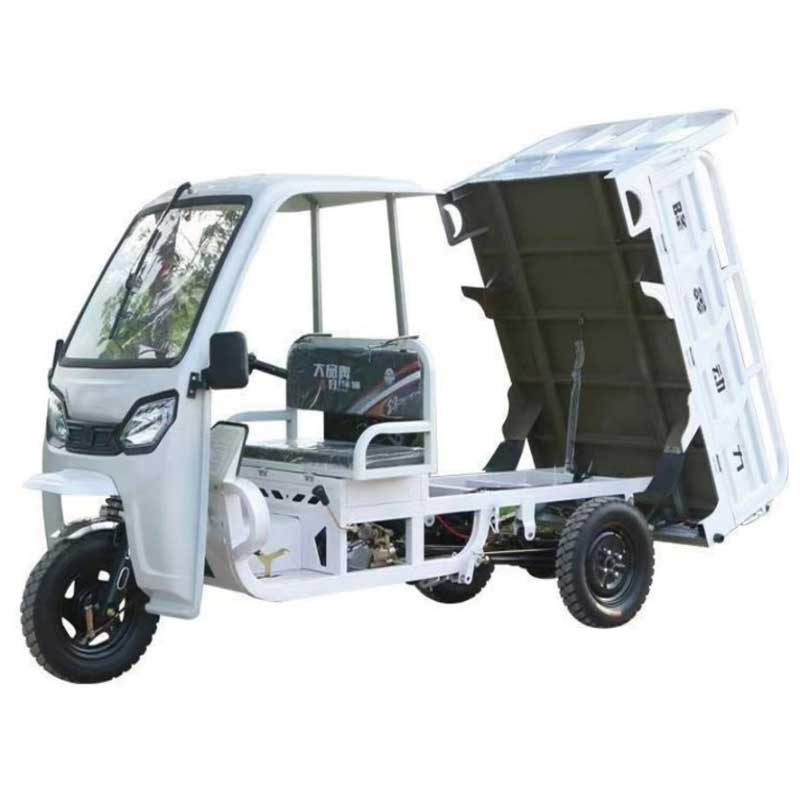
White Semi-Covered Three-Wheel Cargo Tricycle
-
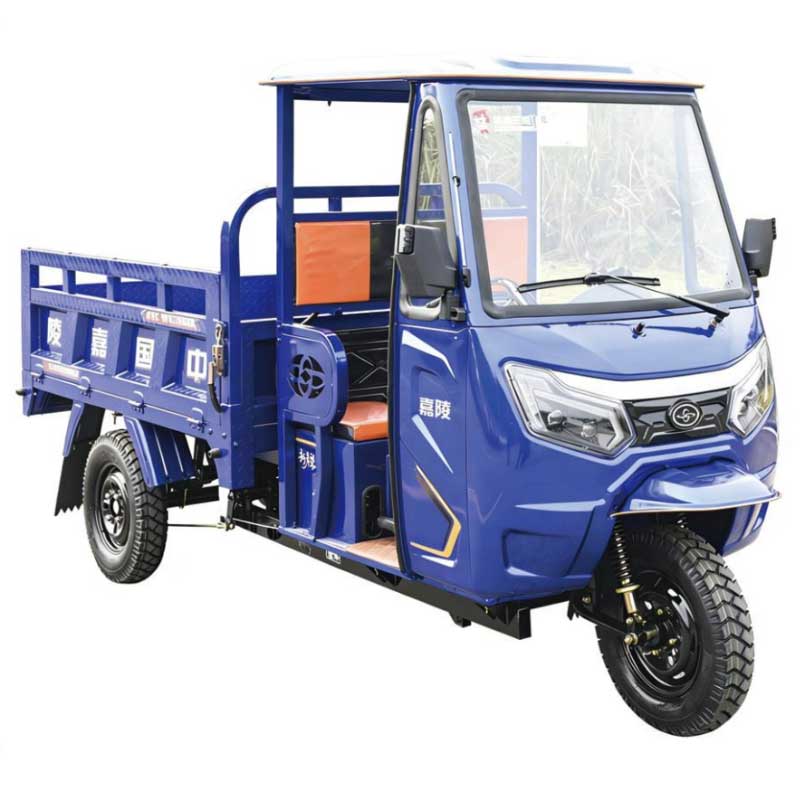
blue Semi-Covered Three-Wheel Cargo Tricycle
-
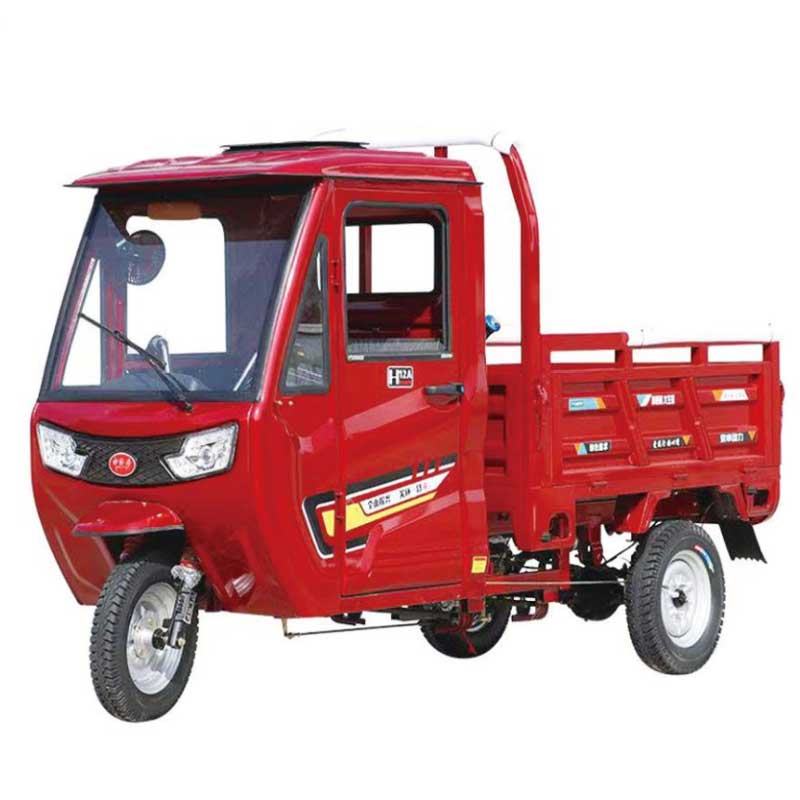
red Semi-Covered Three-Wheel Cargo Tricycle
-
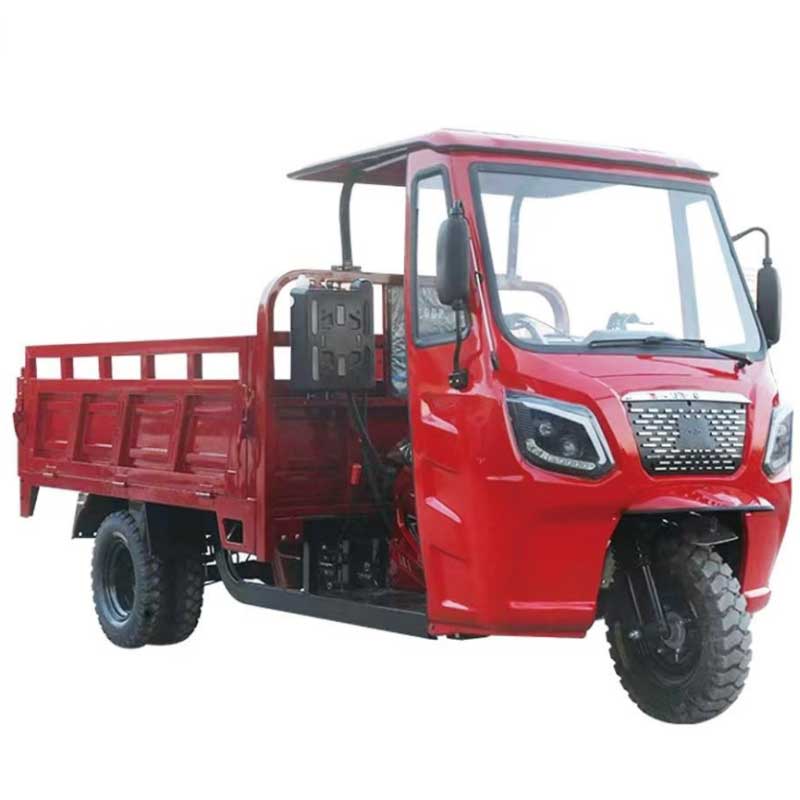
red Semi-Covered Three-Wheel Cargo Tricycle
-
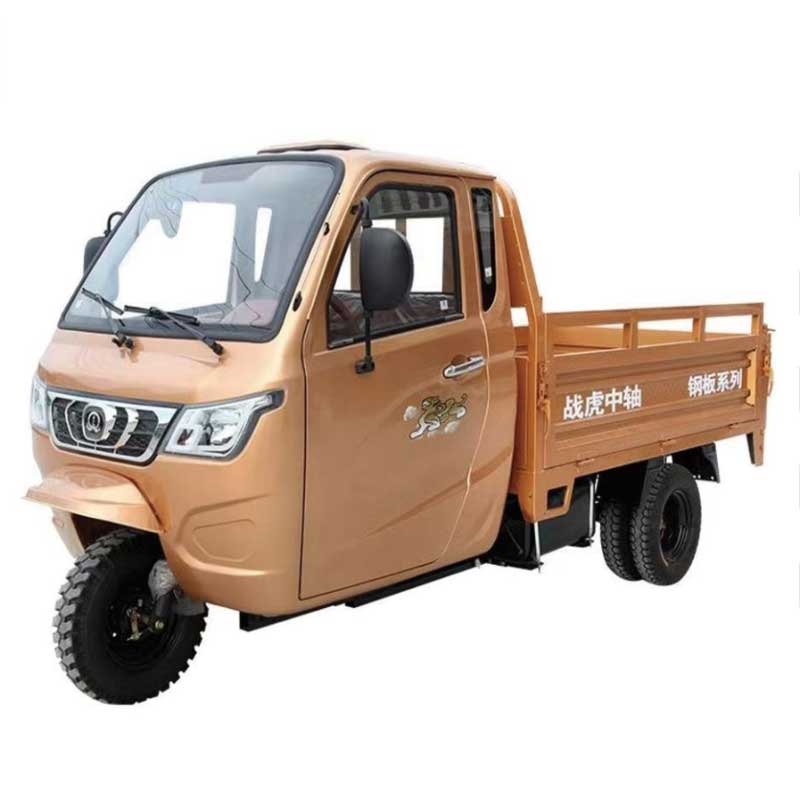
yellow Semi-Covered Three-Wheel Cargo Tricycle
-
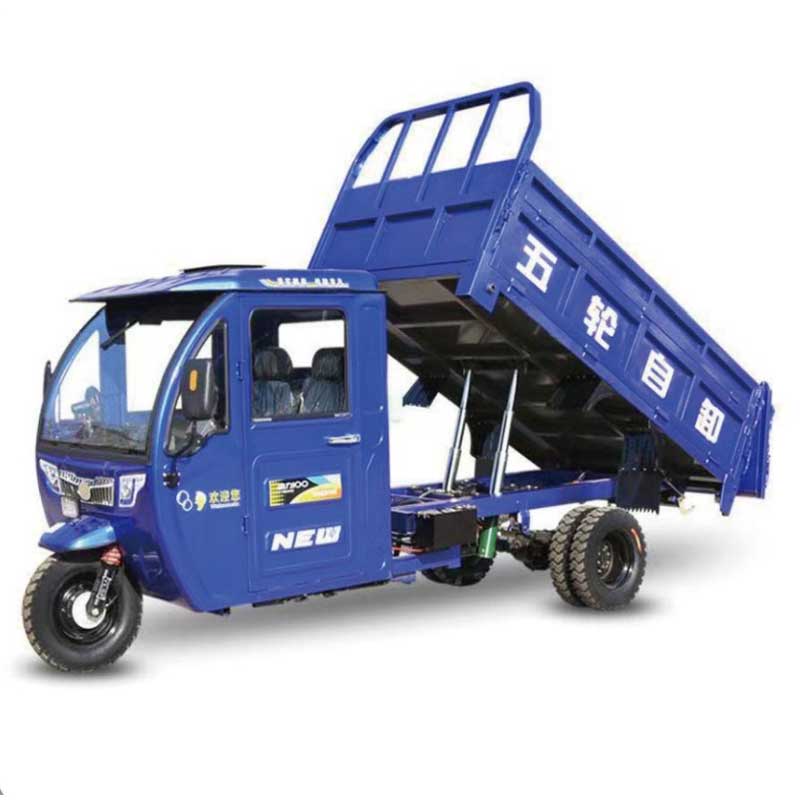
blue Semi-Covered Three-Wheel Cargo Tricycle
-
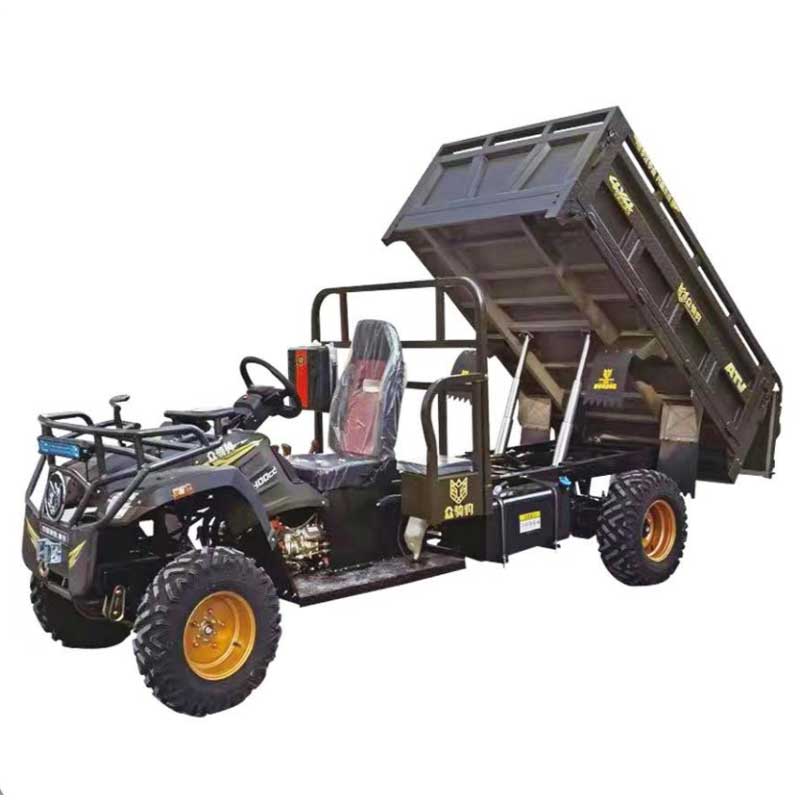
Military route color Semi-Covered Three-Wheel Cargo Tricycle
-
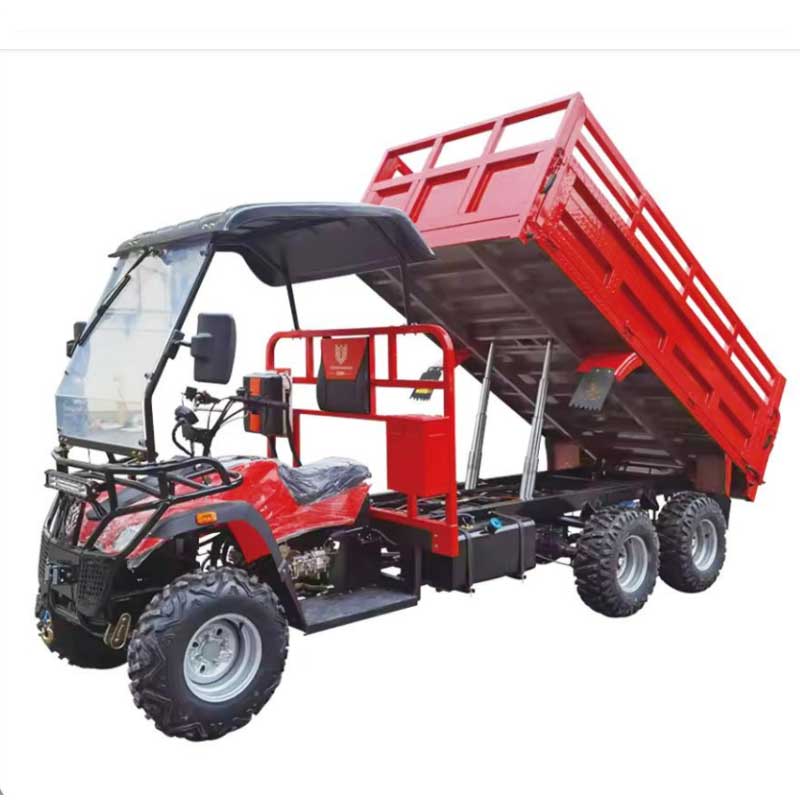
red Semi-Covered Three-Wheel Cargo Tricycle
Renqiu Xianyue Motorcycle Co., Ltd.
Copyright © 2026-2027 https://www.xuanyuetricycle.com. All Rights Reserved Renqiu Xuanyue Motorcycle Co., Ltd.