

 Current location:
NEWS INFORMATION
NEWS INFORMATION
Wholesale Tuk Tuk: Bulk Buying Guide for Importers
author:xuanyue date:2026-06-23 20:06:58 click:76
For international importers and distributors, sourcing wholesale tuk tuk vehicles represents a significant procurement decision with substantial financial and operational implications. This comprehensive guide examines the critical factors B2B buyers must evaluate when purchasing tuk tuks in bulk, from supplier verification and quality assurance to logistics coordination and after-sales support infrastructure.
1. Market Overview and Import Economics
The global three-wheeler market, valued at $8.7 billion in 2023, is projected to reach $14.2 billion by 2030 (Grand View Research, 2023). Within this landscape, wholesale tuk tuk procurement has become increasingly strategic as urbanization accelerates across developing economies and tourist destinations worldwide seek sustainable transportation alternatives.
Import economics for wholesale tuk tuk purchases typically follow volume-based pricing tiers:
Small Batch (10-50 units): 5-15% discount off retail pricing
Medium Batch (50-200 units): 15-25% discount + customized branding options
Large Batch (200+ units): 25-40% discount + exclusive model access + dedicated production line priority
However, the lowest unit price does not necessarily equate to optimal total cost of ownership. Importers must evaluate landed cost (including freight, duties, taxes, and compliance certification) alongside supplier reliability and product quality.
2. Supplier Verification and Due Diligence
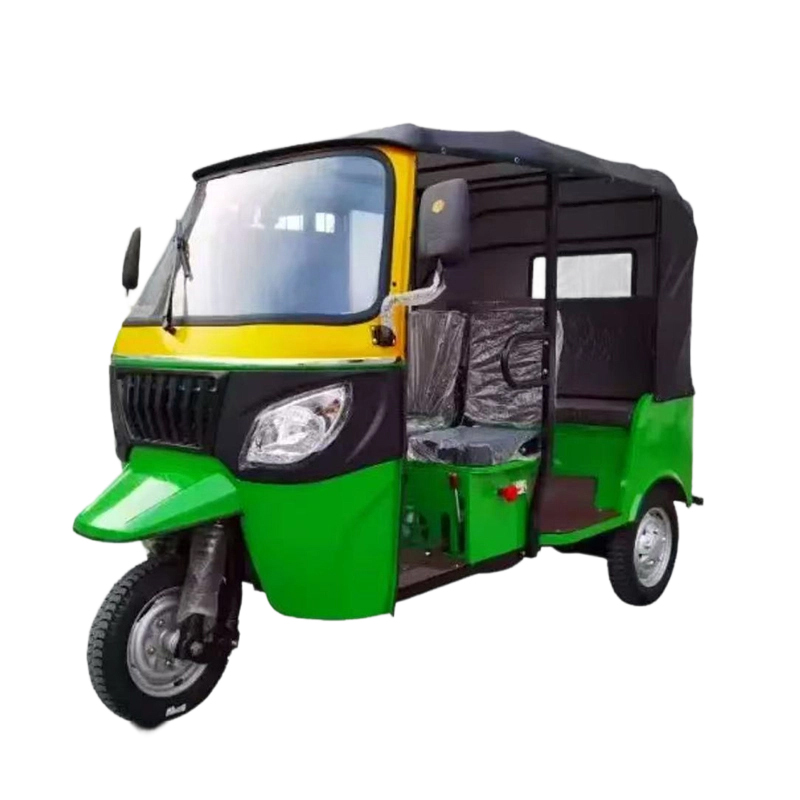
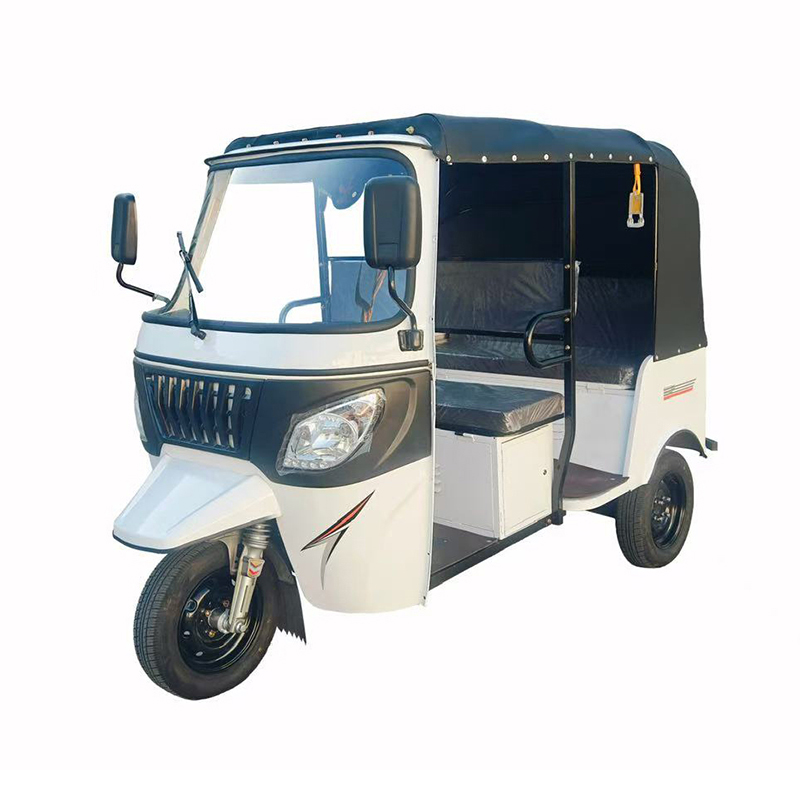
Selecting a wholesale tuk tuk supplier requires rigorous due diligence across multiple dimensions:
✓ Business license and export certification verification
✓ Factory audit (virtual or on-site) documenting production capacity
✓ Minimum 3 years of export history with reference customers
✓ ISO 9001:2015 quality management certification
✓ Product compliance certifications (CCC, CE, EPA, depending on destination market)
✓ Financial stability assessment (credit reports, bank references)
Reputable wholesale tuk tuk manufacturers typically maintain production capacities of 5,000-50,000 units annually and possess established export channels to your target markets. Avoid suppliers unable to provide verifiable customer references or production facility documentation.
3. Quality Assurance and Inspection Protocols
Quality consistency is paramount in wholesale tuk tuk procurement. Implement a multi-stage inspection framework:
| Inspection Stage | Timing | Key Checkpoints | Typical Cost |
|---|---|---|---|
| Pre-Production | Before mass production | Raw material verification, prototype approval | $300-500 |
| DUPRO (During Production) | 20-50% complete | Assembly quality, component compatibility | $400-600 |
| Pre-Shipment | 90% complete, before loading | Functional testing, visual defects, quantity verification | $500-800 |
| Container Loading | During stuffing | Proper loading, damage prevention, seal verification | $300-500 |
Third-party inspection agencies (SGS, TÜV, Intertek) provide unbiased assessment reports that protect importers from substandard shipments. Budget $1,500-2,500 for comprehensive inspection coverage on a 40-foot container shipment (approx. 30-40 tuk tuk units).
4. Shipping, Logistics, and Incoterms
Understanding international trade terminology is critical when negotiating wholesale tuk tuk contracts:
EXW (Ex Works): Buyer bears all transportation costs and risks from seller's factory. Lowest purchase price but highest logistics complexity.
FOB (Free on Board): Seller delivers to named port of shipment. Buyer assumes risk after loading. Most common for wholesale tuk tuk imports.
CIF (Cost, Insurance, Freight): Seller pays freight and insurance to destination port. Higher price but reduced buyer coordination burden.
DDP (Delivered Duty Paid): Seller assumes all costs and risks to buyer's location. Highest price but turnkey solution.
For a typical 40-foot container shipment from China to Los Angeles (30-35 tuk tuk units), ocean freight ranges from $3,500-6,500 depending on seasonality and carrier negotiations. Importers should factor 15-25% additional cost for inland trucking, customs clearance, and destination port charges.
5. Customs Compliance and Certification
Wholesale tuk tuk imports must comply with destination market regulations:
United States: EPA emissions certification (for gas models), DOT lighting/ safety standards, import duty 2.5% (Chapter 87 HTSUS) + 25% Section 301 tariff (China origin).
European Union: CE certification, Type Approval (WVTA for M1/L2e vehicle categories), import duty 10% + VAT (varies by country, typically 19-25%).
Southeast Asia: ASEAN members enjoy reduced or zero tariffs under ATIGA; non-members face 10-30% import duties depending on local content requirements.
Engage a licensed customs broker familiar with vehicle imports to navigate documentation requirements (Bill of Lading, Commercial Invoice, Packing List, Certificate of Origin, Conformity Certificates).
6. Payment Terms and Risk Mitigation
Payment security is a primary concern in wholesale tuk tuk transactions. Recommended payment structures include:
Letter of Credit (L/C): Bank-intermediated payment offering strongest buyer protection. Cost: 0.5-1.5% of shipment value.
30% Deposit + 70% against Bill of Lading copy: Common compromise balancing risk. Requires trusted supplier relationship.
Escrow Services: Third-party payment holding until inspection approval. Useful for new supplier relationships.
Avoid 90% advance payment arrangements except with thoroughly vetted, long-term suppliers. Trade credit insurance (available from providers like Euler Hermes, Coface) can mitigate non-payment and political risks for qualified buyers.
7. After-Sales Support and Spare Parts Strategy
Sustainable wholesale tuk tuk importing requires comprehensive after-sales planning:
Spare Parts Package: Negotiate 3-5% of order value in complimentary or discounted spare parts (filters, brake pads, cables, electric components)
Technical Documentation: Secure multilingual workshop manuals, wiring diagrams, and parts catalogs
Warranty Terms: Minimum 12-month structural warranty; 24-month powertrain warranty for electric models
Technician Training: Request factory training programs (on-site or at manufacturer facility) for your maintenance staff
Frequently Asked Questions (FAQ)
Q1: What is the minimum order quantity (MOQ) for wholesale tuk tuk purchases?
A: MOQs vary by manufacturer but typically range from 10-50 units for standard models. Some suppliers accept lower MOQs (5-10 units) at higher unit prices. Customized branding or specifications may require 50-100 unit minimums.
Q2: How long does production take for a wholesale tuk tuk order?
A: Standard production lead time is 30-45 days after deposit confirmation and prototype approval. Peak season (March-July) may extend to 60-90 days. Factor in 30-45 days additional for ocean freight and customs clearance.
Q3: Can I customize tuk tuk specifications for my market?
A: Most manufacturers offer customization options including livery/branding, seating configurations, cargo box dimensions, battery capacity (electric models), and emission tuning (gas models). Customization typically adds 10-20% to unit cost and extends lead time by 15-30 days.
Q4: What are the most common quality issues with imported tuk tuks?
A: Frequent issues include: welding cracks in frame joints, substandard electrical wiring (electric models), poor paint adhesion, and component mismatches (imported engines with local transmissions). Rigorous pre-shipment inspection catches 85-90% of these issues before shipment.
Q5: How do I verify the supplier's export license and legitimacy?
A: Request their business license, export certificate, and ISO certifications. Cross-verify with third-party databases (China's AQSIQ, India's Export Promotion Councils). Conduct a video factory tour and request contact information for at least 3 recent export customers in your region for reference checks.
Conclusion
Successful wholesale tuk tuk importing demands meticulous attention to supplier verification, quality assurance, logistics coordination, and regulatory compliance. B2B buyers who invest in comprehensive due diligence and establish robust quality control protocols position themselves to capture the substantial margins available in this growing market while minimizing operational and reputational risks. As competition intensifies, the differentiating factor will not be access to product—but rather the ability to consistently deliver reliable, compliant vehicles backed by responsive after-sales support. By adhering to the frameworks outlined in this guide, importers can build sustainable competitive advantages in the dynamic three-wheeler market.
References
Grand View Research. (2023). Three-Wheeler Market Size, Share & Trends Analysis Report by Vehicle Type, Engine Capacity, Region, and Segment Forecasts, 2023-2030. San Francisco: Grand View Research, Inc.
International Trade Centre (ITC). (2022). Standards and Quality Infrastructure in the Automotive Sector: A Practical Guide for Exporters. Geneva: ITC.
United Nations Conference on Trade and Development (UNCTAD). (2023). Review of Maritime Transport 2023. New York: United Nations Publications.
World Customs Organization (WCO). (2022). HS Classification Reference for Vehicles and Parts. Brussels: WCO Council.
Deloitte. (2023). Global Automotive Supplier Study 2023: Navigating Disruption in the Supply Chain. Deloitte Touche Tohmatsu Limited.
-
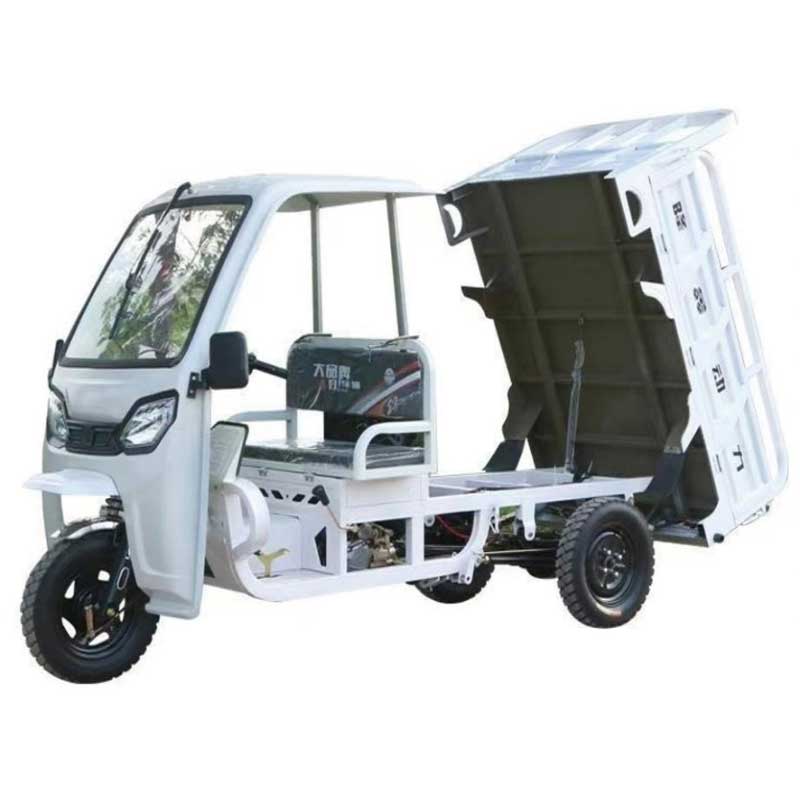
White Semi-Covered Three-Wheel Cargo Tricycle
-
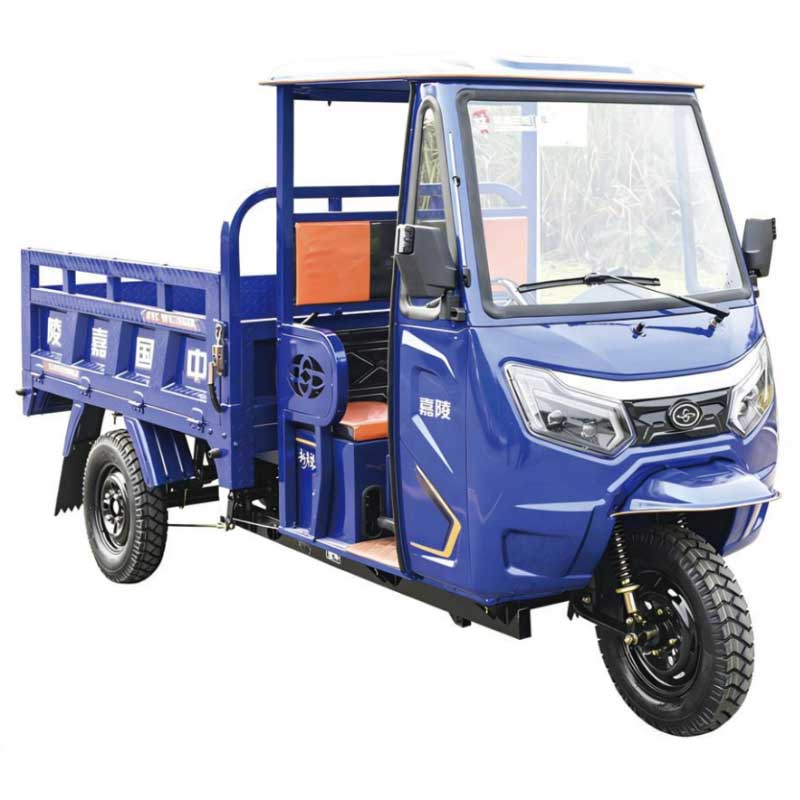
blue Semi-Covered Three-Wheel Cargo Tricycle
-
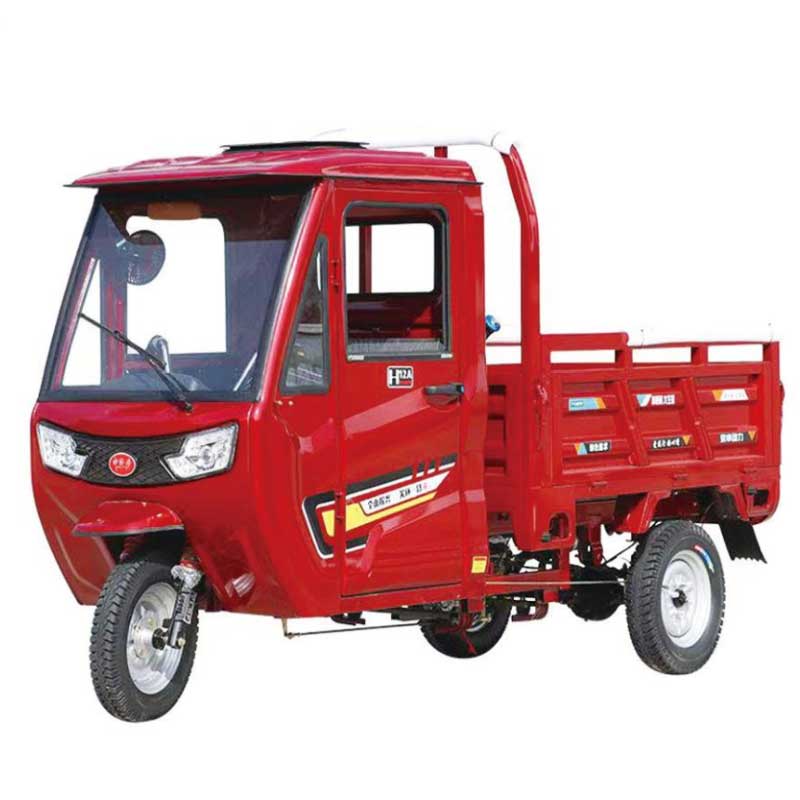
red Semi-Covered Three-Wheel Cargo Tricycle
-
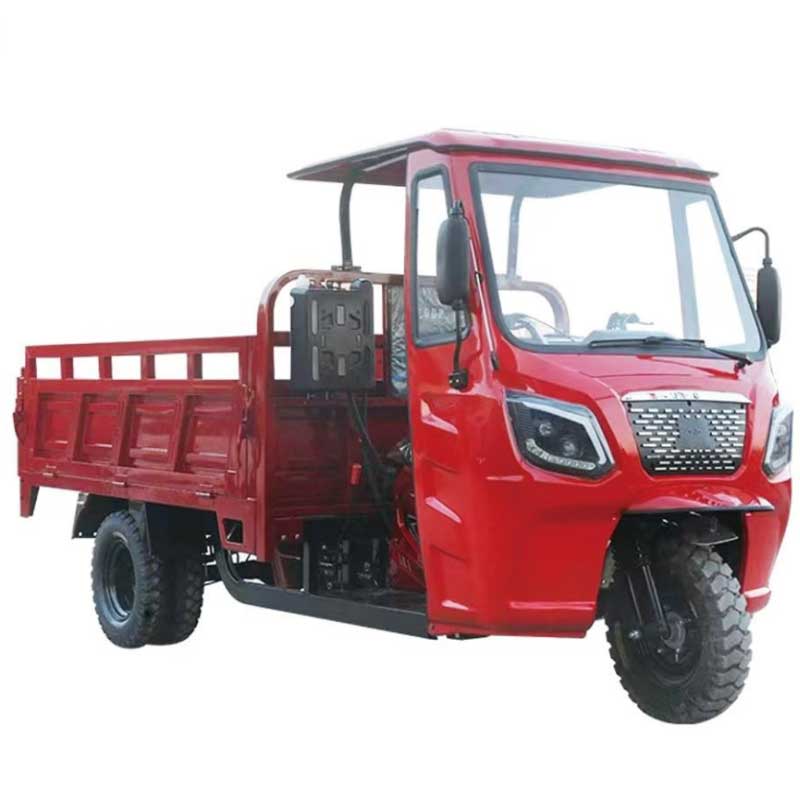
red Semi-Covered Three-Wheel Cargo Tricycle
-
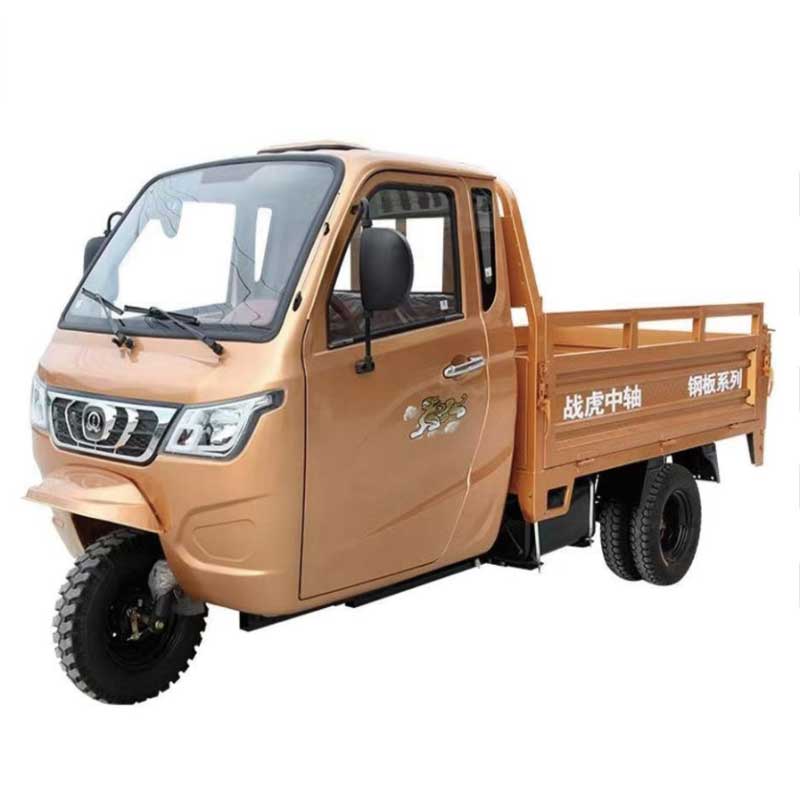
yellow Semi-Covered Three-Wheel Cargo Tricycle
-
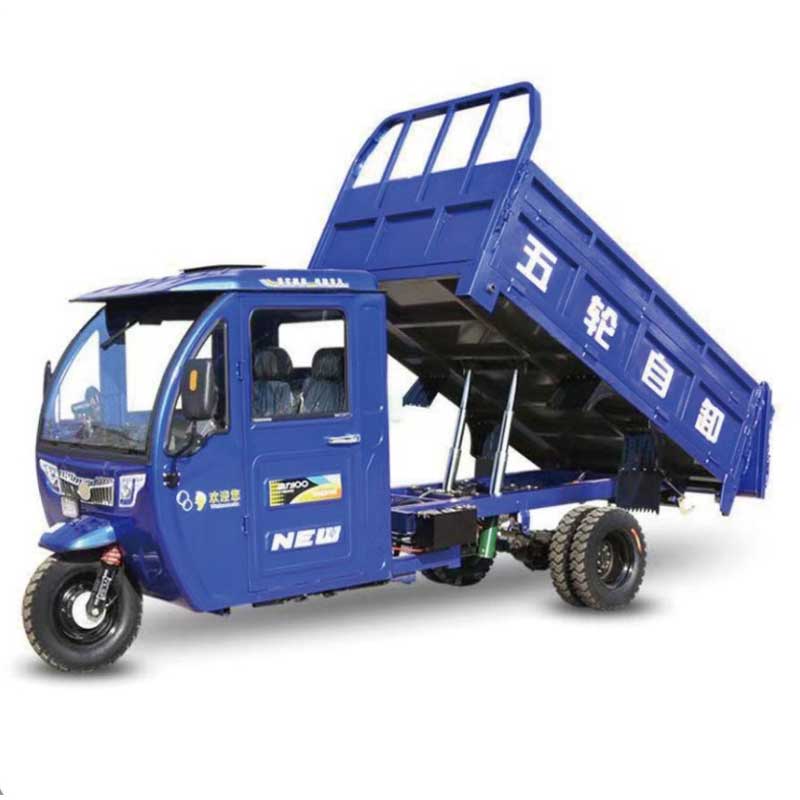
blue Semi-Covered Three-Wheel Cargo Tricycle
-
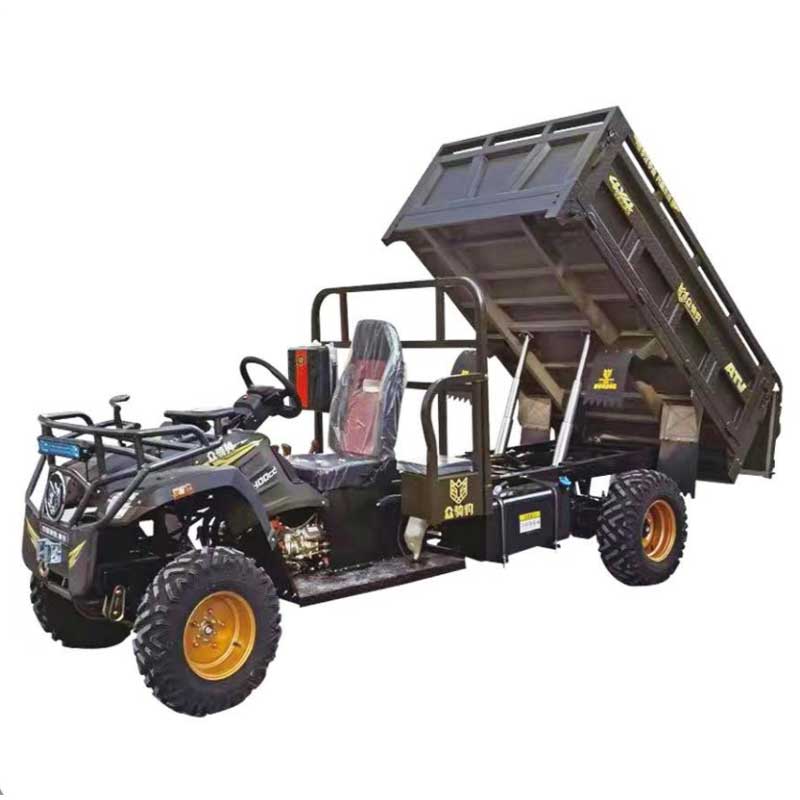
Military route color Semi-Covered Three-Wheel Cargo Tricycle
-
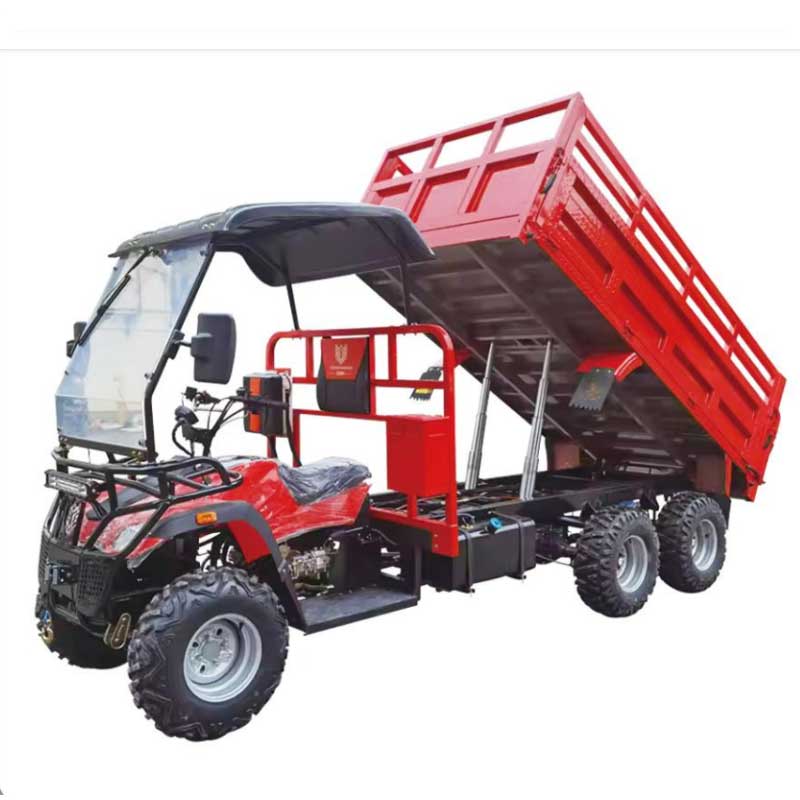
red Semi-Covered Three-Wheel Cargo Tricycle
Renqiu Xianyue Motorcycle Co., Ltd.
Copyright © 2026-2027 https://www.xuanyuetricycle.com. All Rights Reserved Renqiu Xuanyue Motorcycle Co., Ltd.