

 Current location:
NEWS INFORMATION
NEWS INFORMATION
Where to Buy Tuk Tuk: Online vs Factory Direct Comparison
author:xuanyue date:2026-09-13 20:53:18 click:164
Every month, several dozen buyers post the same question in logistics forums, procurement groups, and trade directories: where is the best place to buy a tuk tuk? The answers they receive are all over the map — some recommend Alibaba, others swear by direct factory contact, a few advocate for local dealers who can provide after-sales support. What follows is rarely a structured comparison. This article attempts to provide one.
The Three Procurement Channels Available
Buyers in most markets have access to three primary channels for acquiring a tuk tuk. Online marketplaces list units from multiple sellers, often including manufacturers, trading companies, and aggregators who act as intermediaries. Local dealer networks operate from within or near the buyer's market, providing vehicles in local currency, local registration support, and face-to-face after-sales service. Factory direct procurement involves placing an order with a manufacturer, typically in the producing country, with the buyer managing shipping, customs, and local compliance independently or through a freight forwarder.
Each channel serves a different buyer profile. Online marketplaces attract first-time buyers, small operators, and individuals seeking one or two units. Local dealers appeal to buyers who prioritise after-sales support, local warranty coverage, and simplified registration. Factory direct procurement is the domain of distributors, fleet operators, and importers ordering five or more units who have the technical capability to manage certification and logistics in-house.
Online Marketplaces: What You Actually Get
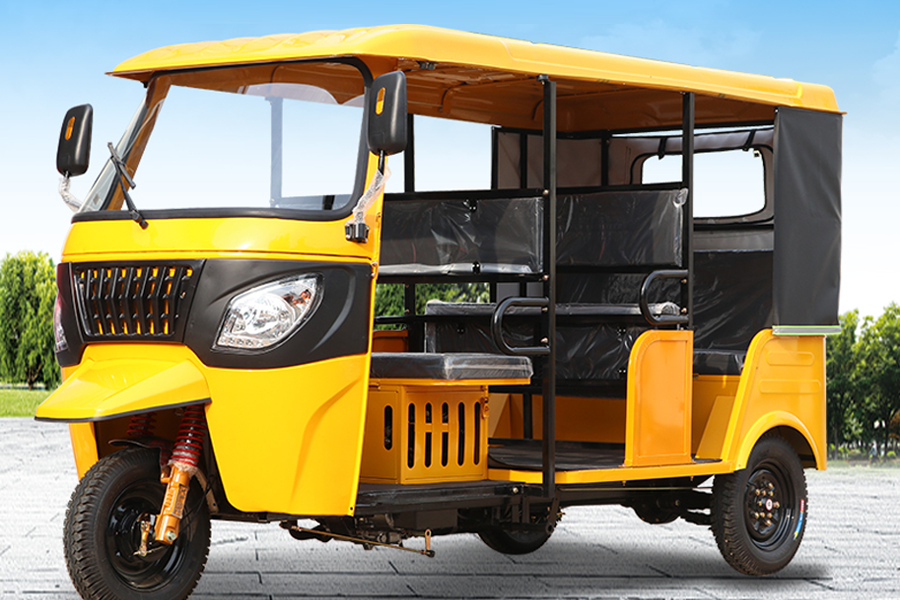
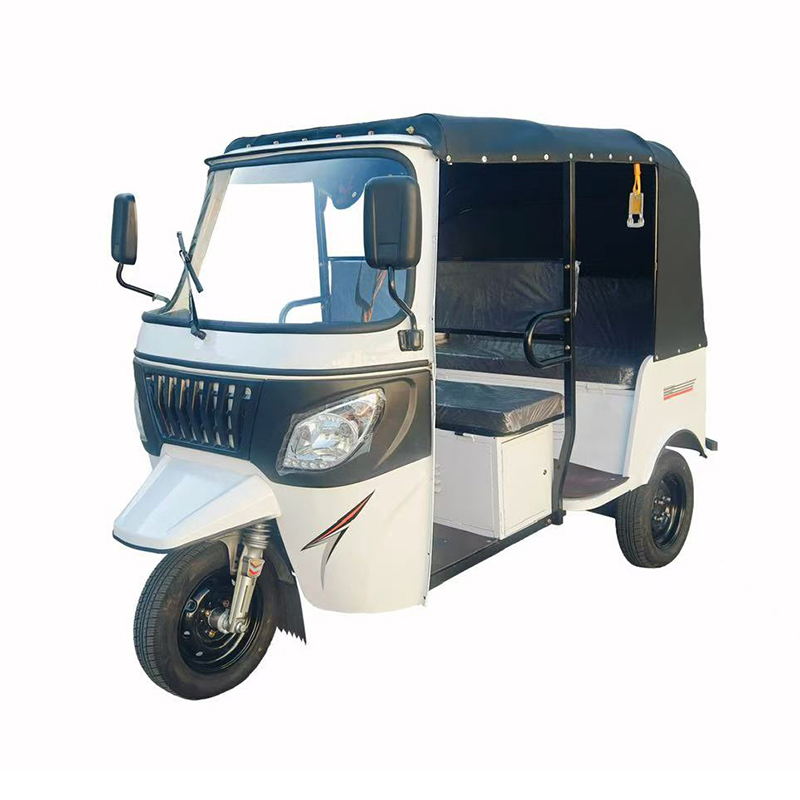
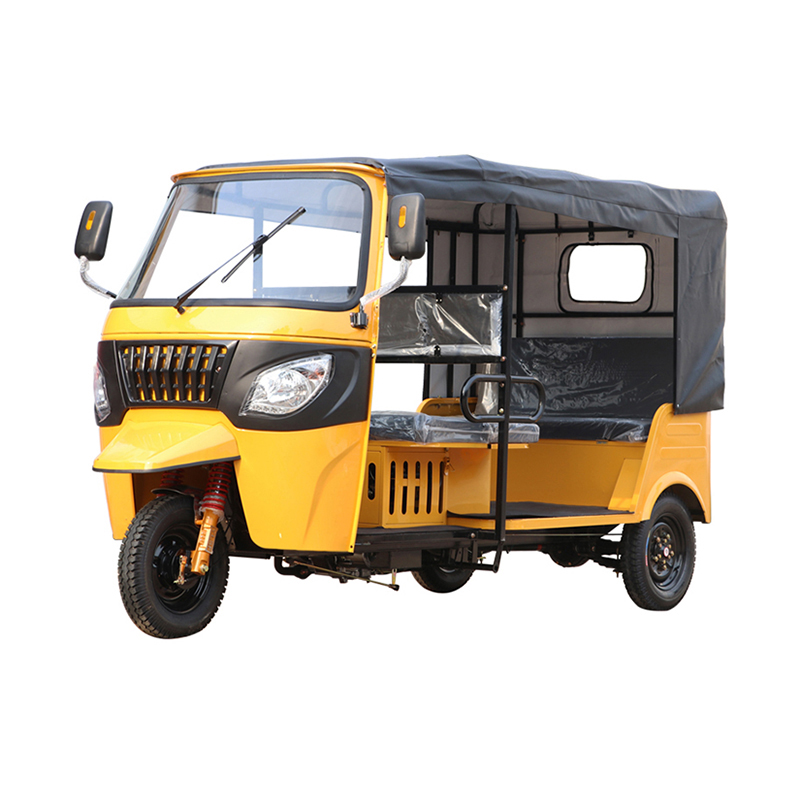
Platforms listing tuk tuk for sale typically aggregate multiple sellers — some are genuine manufacturers, others are trading companies that source from factories and add a margin, and some are purely speculative listings from agents who do not control inventory. The practical risks are: specification inconsistency (the unit that arrives does not match the listing), certification gaps (the seller's claimed compliance does not transfer to your market), and limited recourse when the vehicle has defects. Most online platforms offer buyer protection mechanisms, but vehicle disputes are slow and complex, and the protection rarely covers the cost of a non-compliant vehicle sitting in a customs warehouse.
The genuine advantage of the online channel is price discovery — seeing a range of offerings, comparing specifications, and identifying factories that appear serious about export markets. For a first-time buyer conducting market research, browsing tuk tuk for sale listings is a legitimate reconnaissance step. It should not be the final procurement channel for volume orders.
Local Dealer Networks: The After-Sales Argument
A local dealer who stocks tuk tuk vehicles provides something the factory cannot: proximity. They can provide test drives, facilitate registration in the local classification system, maintain a parts inventory, and send a mechanic to your depot when the vehicle breaks down. For operators running two to ten units in a single market, this proximity is worth a 15–25% price premium to many buyers.
The trade-off is specification control. A dealer typically stocks a narrow model range optimised for the local market. If your requirement is a non-standard configuration — a specific cargo box dimension, an electric powertrain with a particular range, or a passenger variant with air conditioning — the dealer either cannot supply it or sources it from a factory at a further markup. Dealers also carry inventory risk, and that risk is priced into every unit they sell. For highly specific procurement requirements, the dealer channel constrains options.
Factory Direct Procurement: How It Actually Works
Buying directly from a factory — as a distributor, fleet operator, or volume importer — requires the buyer to manage several functions that a dealer would otherwise handle: specification development, pre-shipment inspection, freight forwarding, customs clearance, and local certification. The reward for managing these functions is access to the full model range, volume pricing that is 20–40% below dealer retail, and direct technical communication with the engineering team that built the vehicle.
The critical disciplines in factory direct procurement are: defining the specification precisely before production begins; commissioning an independent pre-shipment inspection; negotiating clear Incoterms; establishing warranty terms in writing; and confirming the factory's export documentation capability. A buyer who skips any of these steps is absorbing risk that the lower price nominally offsets. A buyer who executes all of them typically achieves better vehicle quality, better pricing, and better long-term supplier relationship than the dealer channel provides.
Price Comparison: Where the Real Numbers Stand
Market check data across South and Southeast Asian markets indicates the following approximate pricing for standard petrol passenger tuk tuk models (EXW, excluding shipping): factory direct, USD 2,200–4,500; online marketplace, USD 2,500–5,500 (including intermediary margin); local dealer, USD 3,500–6,500 (including dealer margin and local logistics). Electric models carry a higher absolute premium across all channels but the channel-to-channel gap follows the same pattern.
The landed cost — the fully delivered, duty-paid, registered cost — diverges significantly from these EXW figures. Freight, insurance, import duty (0–25% depending on destination), port handling, and local logistics can add 30–60% to the EXW price for a sea-shipped container order. Buyers comparing factory direct pricing against local dealer pricing should calculate landed cost before concluding that the factory is cheaper.
Risk Management Across Channels
The highest-risk scenario is buying a tuk tuk for sale through an unknown online seller with no inspection, no written specification, and payment sent before the vehicle ships. The next tier of risk involves buying from a factory without commissioning an independent pre-shipment inspection — a practice that saves USD 200–500 per unit and exposes the buyer to shipping non-compliant or misrepresented vehicles.
The lowest-risk factory direct procurement involves: written specification with agreed acceptance criteria; payment via letter of credit or staged payment tied to milestones; independent pre-shipment inspection with a written defect report; clear warranty terms for 12–18 months or 50,000 km; and a spare-parts commitment from the factory. This structure is not complicated to negotiate, but it requires procurement discipline that some buyers skip when they find a low quoted price.
Channel Selection Criteria for Different Buyer Types
For a first-time individual buyer seeking one or two units for a small transport or tourism operation: start with a local dealer to establish a relationship, understand the local registration process, and build a reference point for future procurement. For a distributor or fleet operator ordering five or more units: the factory direct channel is the rational choice, managed with professional procurement discipline. For a government or institutional buyer with compliance requirements: the factory direct channel with independent inspection and third-party certification verification provides the audit trail that public procurement demands.
FAQ
Is buying a tuk tuk online risky?
For single-unit purchases, the risk is manageable if you verify the seller's export history, request photographic evidence of the specific vehicle, and use the platform's buyer protection mechanism. For volume orders of five or more units, the online channel introduces specification inconsistency, certification gaps, and limited recourse that make it inappropriate.
What is the minimum order for factory direct pricing?
Most factories set minimum order quantities between 3 and 10 units for meaningful volume discounts. Some offer trial orders of 1–2 units at slightly reduced pricing for new buyers. The per-unit price advantage typically becomes significant at five units and above.
How do I verify a factory's export certifications?
Request copies of ISO 9001, ECE or equivalent safety certification, and any export market approvals. Cross-check certificate numbers against the issuing body's database. Request references from existing export customers in comparable markets and contact them directly.
What does landed cost include?
Landed cost covers the EXW or FOB factory price, plus ocean freight, insurance, import duty, port handling charges, customs clearance fees, and local logistics to your depot. Request a full landed cost calculation from your freight forwarder before comparing factory direct pricing against local dealer pricing.
Should I use a freight forwarder for a tuk tuk import order?
For orders of three or more units, yes. A freight forwarder with experience in automotive or three-wheeler shipping handles container loading optimisation, documentation, customs classification, and delivery logistics more efficiently and accurately than a buyer managing it independently. Their fee is typically 3–7% of freight cost and represents strong value against the error rate for first-time importers.
Conclusion
Where to buy a tuk tuk depends on volume, technical requirements, and the buyer's capacity to manage logistics and compliance. Online marketplaces serve a legitimate market research and discovery function; local dealers provide proximity and after-sales support worth paying for; factory direct procurement delivers the best economics for serious volume buyers who apply professional procurement discipline. The common mistake is making the channel decision on price alone — when landed cost, specification accuracy, certification coverage, and after-sales risk are factored in, the ranking often flips. Match the channel to the procurement capability, not just the quoted price.
References
International Trade Centre. (2024). "Automotive Sector Export Quality Standards: A Practitioner's Guide." ITC Technical Papers, No. 78.
Das, S., & Pandey, A. (2023). "Total Cost of Ownership: Three-Wheelers vs Light Trucks in Urban Delivery." Journal of Transport Geography, 109, 78–92.
World Bank. (2024). "Last-Mile Delivery Innovation in Developing Economies." World Bank Working Papers, WP-2941.
Singh, P., & Agarwal, M. (2023). "Supplier Selection Frameworks for Automotive Manufacturing in Emerging Markets." International Journal of Production Economics, 256, 108–122.
-
White Semi-Covered Three-Wheel Cargo Tricycle
-
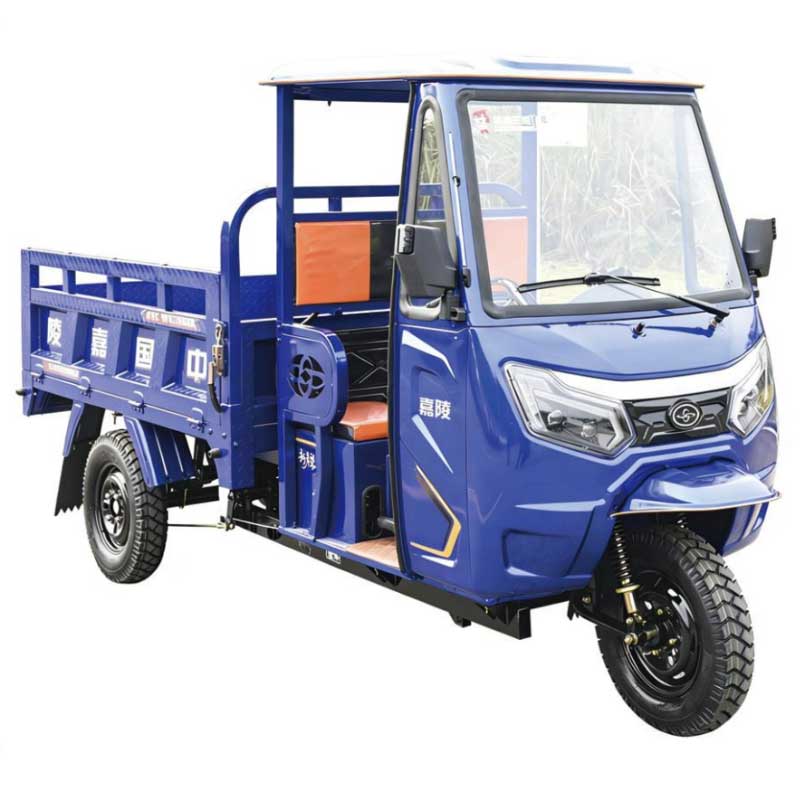
blue Semi-Covered Three-Wheel Cargo Tricycle
-
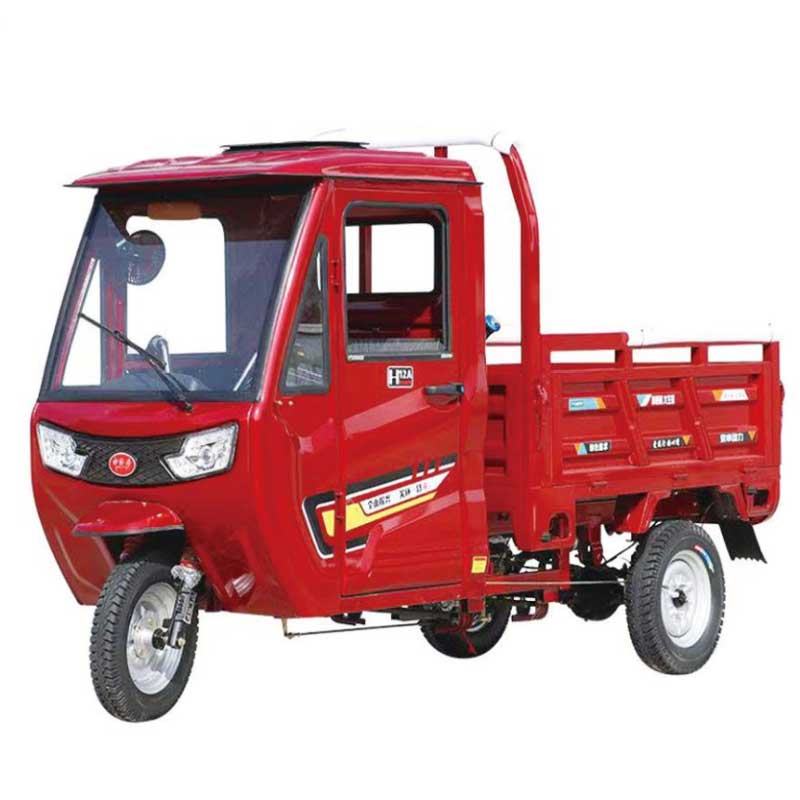
red Semi-Covered Three-Wheel Cargo Tricycle
-
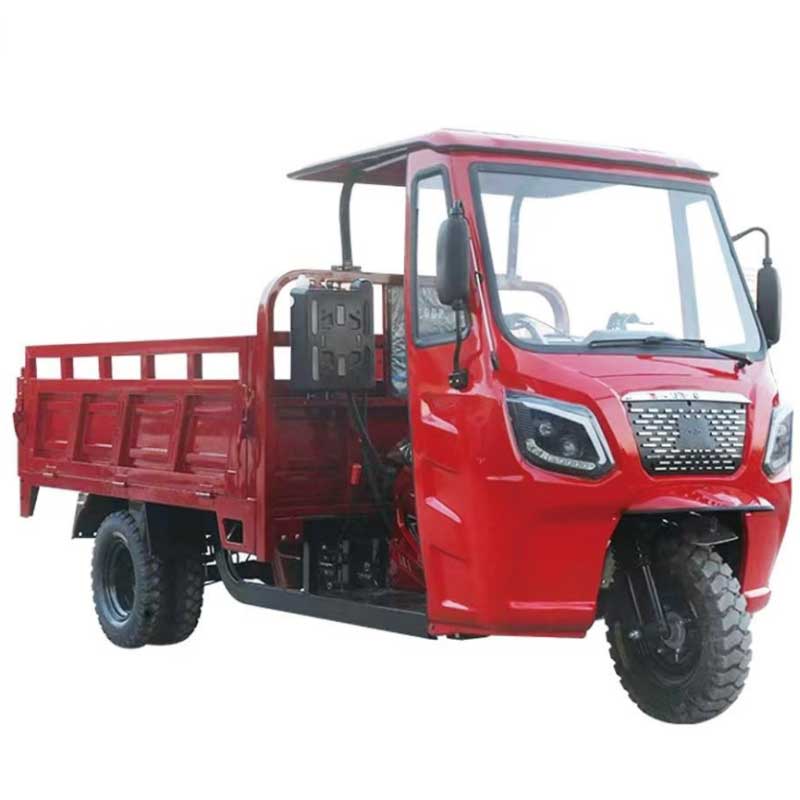
red Semi-Covered Three-Wheel Cargo Tricycle
-
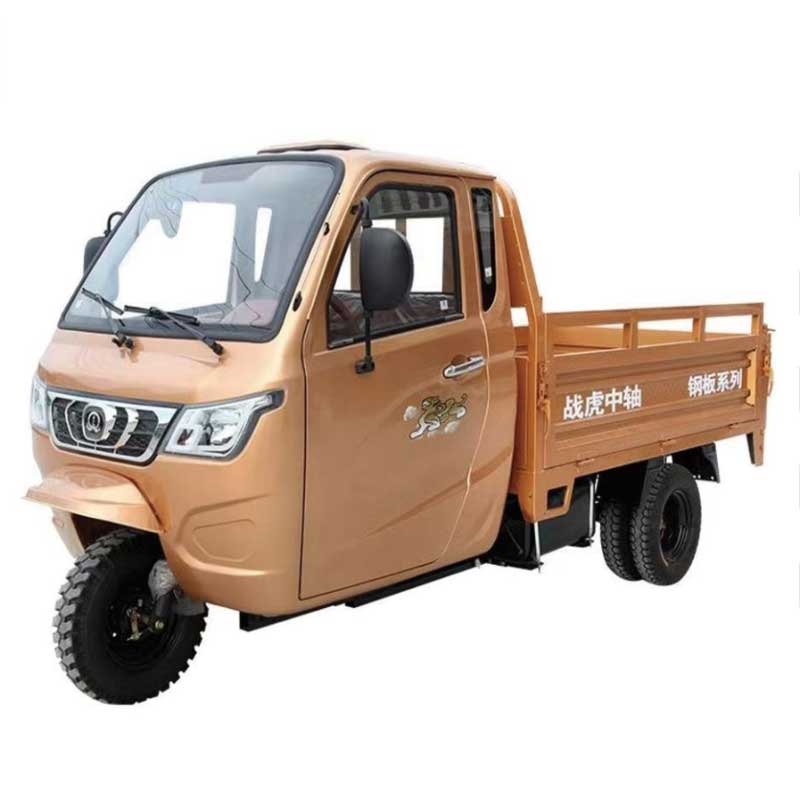
yellow Semi-Covered Three-Wheel Cargo Tricycle
-
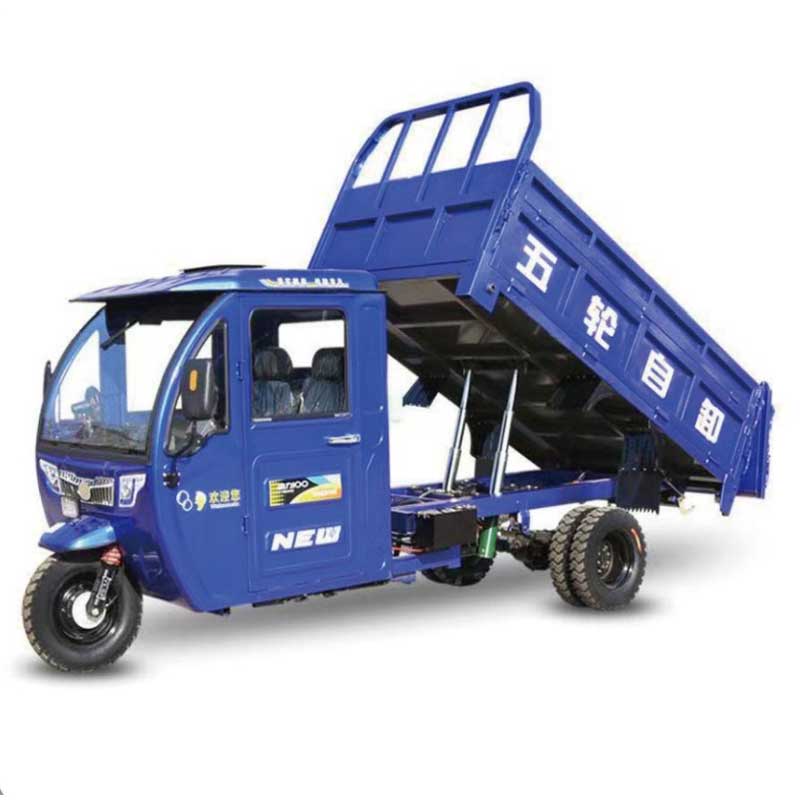
blue Semi-Covered Three-Wheel Cargo Tricycle
-
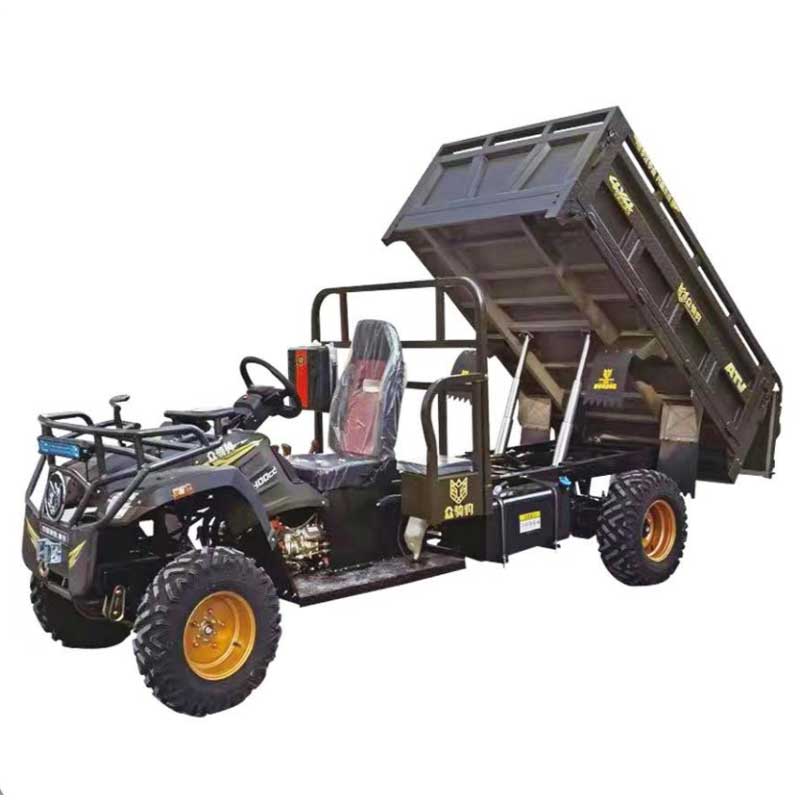
Military route color Semi-Covered Three-Wheel Cargo Tricycle
-
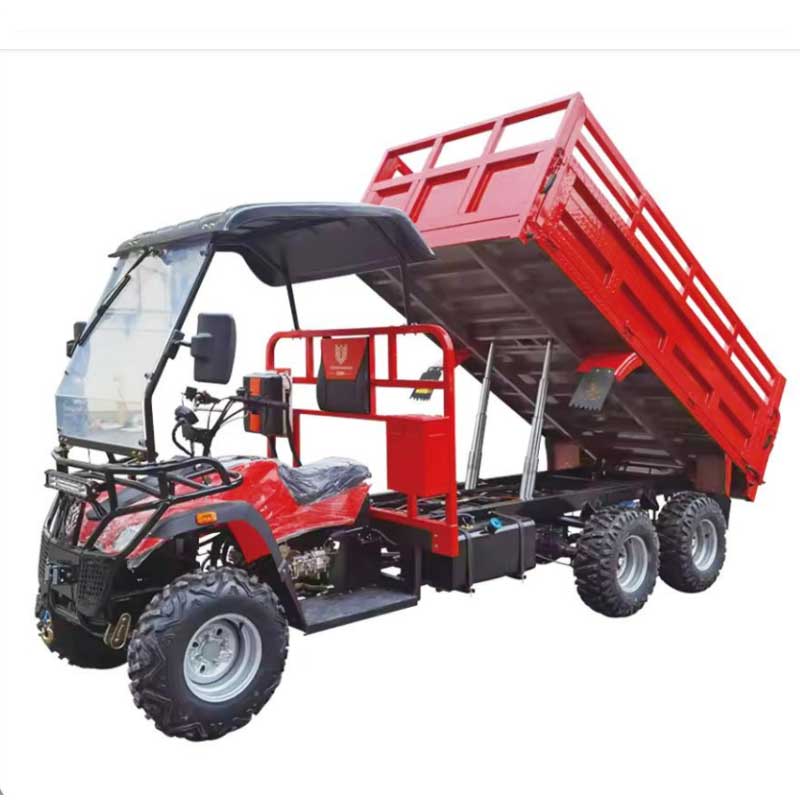
red Semi-Covered Three-Wheel Cargo Tricycle
Renqiu Xianyue Motorcycle Co., Ltd.
Copyright © 2026-2027 https://www.xuanyuetricycle.com. All Rights Reserved Renqiu Xuanyue Motorcycle Co., Ltd.