

 Current location:
NEWS INFORMATION
NEWS INFORMATION
Tuk Tuk Manufacturer vs Supplier: Key Differences Explained
author:xuanyue date:2026-09-12 19:21:49 click:76
The question sounds simple: are you buying from a tuk tuk manufacturer or a tuk tuk supplier? The answer determines who builds your vehicle, who controls the quality, who honour the warranty, and who you call when something breaks. The confusion arises because the market uses the terms loosely, and because a trading company calling itself a supplier is not obviously different from a distributor calling itself a supplier — until something goes wrong with your order.
Defining the Entity Types
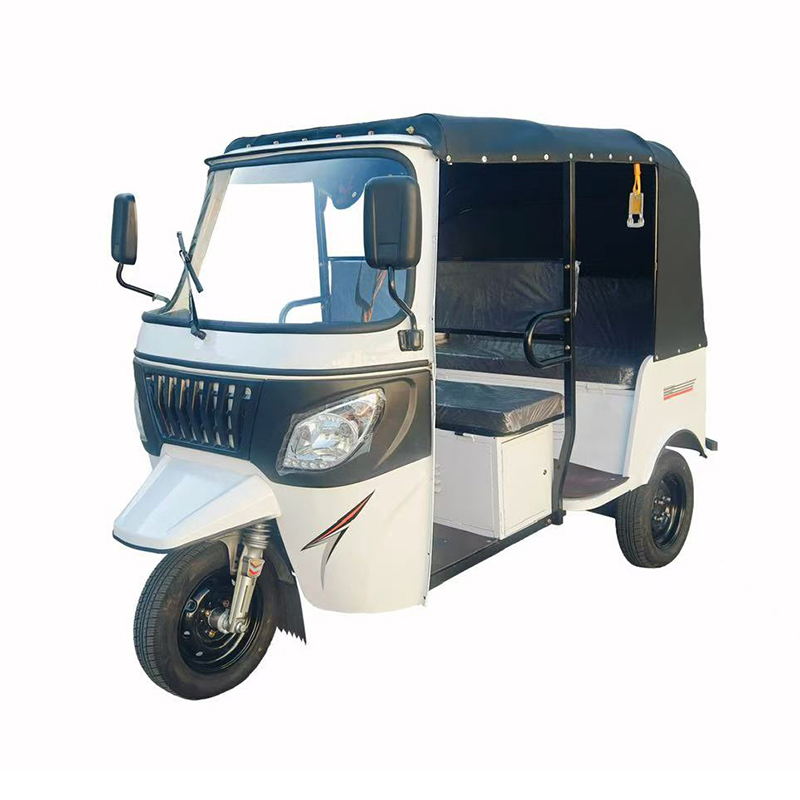
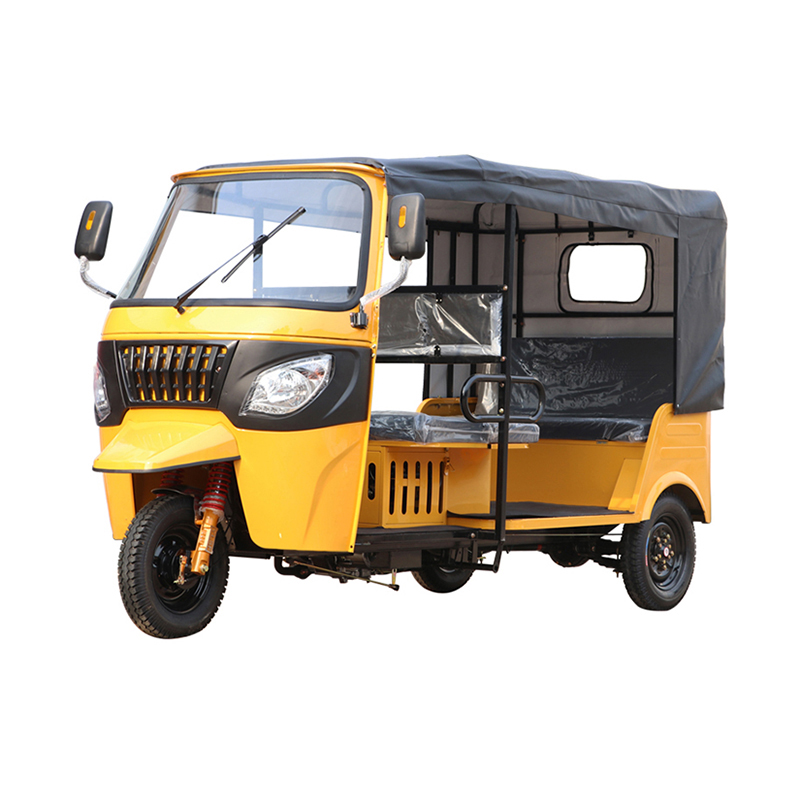
A tuk tuk manufacturer (also referred to as an OEM — original equipment manufacturer) is a factory that designs, engineers, produces, and tests the vehicle. The manufacturer controls the bill of materials, owns the production tooling, runs the quality control process, and holds the type-approval certification. When a manufacturer sells directly, the buyer is dealing with the entity that built the vehicle and holds the technical documentation to support it.
A tuk tuk supplier in the broad sense covers several distinct entity types. An authorised distributor holds a formal agreement with a manufacturer to sell and service the manufacturer's products in a defined territory, typically maintaining spare-parts inventory and a service capability. A trading company or export agent aggregates vehicles from one or more manufacturers and sells to international buyers, adding a margin but typically without manufacturing capability, deep technical documentation, or direct after-sales responsibility. A reseller operates similarly to a trading company but may hold limited after-sales capability or service network access.
The critical procurement distinction is not between manufacturer and supplier as labels — it is between entities that control production quality and entities that do not.
Where Quality and Engineering Capability Differ
A genuine tuk tuk manufacturer employs engineers across multiple disciplines: mechanical design, electrical systems, battery management, and structural analysis. These engineers define the specifications, select the components, run the testing, and hold the type-approval certifications. When a quality issue surfaces in the field, the manufacturer has the engineering depth to investigate root cause, issue a technical service bulletin, and implement a production change to address it.
A trading company or reseller employs sales and logistics staff, not engineers. They can source vehicles from manufacturers, manage documentation, and coordinate shipping — functions that add value for buyers who cannot manage those tasks themselves. But when the vehicle has a defect, the trading company is an intermediary with no engineering capability to diagnose or resolve the problem. The recourse is back to the manufacturer, which may or may not honour warranty claims that were not processed through their official distribution channel.
This distinction matters most when vehicles are operating commercially under demanding conditions. A manufacturer supplying its own product line has a direct economic interest in product quality — the cost of field failures is theirs to absorb. A trading company reselling multiple manufacturers' products has a different economic calculus: their margin is a spread between purchase and sale price, and their exposure to quality risk is limited to the goodwill cost of a disputed warranty claim.
Pricing Structure: Why the Gap Exists
A factory selling direct to an international buyer offers EXW pricing — the factory gate price — without any intermediary margin. A trading company adds its markup, typically 8–20% for a well-established trading operation, to the factory price it sources at. An authorised distributor adds both the trading margin and the cost of maintaining local inventory, service capability, and after-sales infrastructure — typically another 10–25% above the factory price.
The apparent price advantage of buying from a factory direct is real but requires qualification. The landed cost — EXW price plus freight, insurance, import duty, customs clearance, and local logistics — often accounts for 30–60% of the total delivered cost. The intermediary margin may represent a smaller fraction of the landed cost than the raw discount on the EXW price suggests. For a buyer without the in-house capability to manage factory sourcing, specification development, pre-shipment inspection, and logistics, the trading company margin can represent value rather than pure overhead.
Warranty and After-Sales Support: The Practical Difference
Warranty coverage reveals the true nature of the relationship. A genuine tuk tuk manufacturer warrants its product with terms that reflect the engineering investment: a minimum 12–18 month or 50,000 km warranty on the vehicle, with separate battery warranty terms for electric models (typically 24–36 months or 80,000 km for lithium-ion systems). The warranty is backed by the manufacturer's engineering team and service documentation.
A trading company or reseller's warranty is typically pass-through from the manufacturer — they lodge the claim with the factory and pass the resolution back to the buyer. This arrangement works smoothly when the manufacturer honours claims promptly. When there is a dispute — a defect attributed to operator misuse versus manufacturing fault, or a battery failure whose cause is contested — the buyer with a direct manufacturer relationship has the leverage of a commercial relationship worth retaining. The buyer dealing through a trading company may find themselves caught between a disputed manufacturer warranty and a reseller with limited liability.
How to Verify Who You Are Actually Dealing With
The practical verification steps are straightforward. First, request the factory's business licence and cross-reference the registration number against the issuing authority's database. Second, ask for a video tour of the production facility — timestamped and with specific production line footage, not a marketing video. Third, request the names of three existing export customers in comparable markets and contact them directly. Fourth, ask to speak with an engineer, not just a sales manager, and ask a specific technical question: what is the battery management system protection threshold, and what test protocol verifies it? A manufacturer will answer with a specification and a test record. A reseller will not have that information immediately available.
Fourth, verify the type-approval certificates are held in the manufacturer's name, not the buyer's company or the trading company's name. A certificate issued to the trading company rather than the manufacturer indicates the manufacturer does not have a direct commercial relationship with the entity you are dealing with.
When Each Entity Type Is the Right Choice
A buyer with limited procurement experience, no in-house technical capability, and an order of five units or fewer is often better served by an established trading company or authorised distributor — provided they verify the entity's track record carefully. The price premium is real, but the value of local after-sales support and the reduction in procurement risk can justify it.
A buyer with technical capability, procurement experience, volume of ten units or more, and the ability to manage factory communication and logistics is the correct profile for a factory direct relationship. The price advantage compounds with volume, and the direct engineering relationship improves the quality of the specification and the responsiveness of after-sales support.
A distributor or fleet operator should aim to develop a direct manufacturer relationship as volume grows, using the trading phase to build technical knowledge and supplier evaluation capability before taking on direct factory procurement responsibility.
FAQ
How do I tell if I am buying from a genuine tuk tuk manufacturer or a trading company?
Request the factory business licence, a video tour of the production facility, type-approval certificates in the manufacturer's name, and direct contact with the engineering team. Ask a specific technical question that requires engineering documentation to answer. A genuine manufacturer will answer with a specification and test record; a trading company will not have this information readily available.
Is a tuk tuk manufacturer always better than a supplier?
Not always. For a small-volume buyer without technical capability or in-house logistics management, an established authorised distributor or trading company may provide better value through local support, inventory availability, and after-sales service. The key is to match the entity type to the buyer's procurement capability — not to assume the factory is always the best choice.
What warranty terms should I expect from a genuine manufacturer?
A minimum 12–18 month or 50,000 km vehicle warranty, with separate battery warranty terms for electric models (24–36 months or 80,000 km for lithium-ion). Warranty terms should be specified in a written purchase agreement with clear definitions of what is covered, what triggers warranty void, and what the remediation process is.
Can a trading company provide the same quality as a manufacturer?
No. A trading company aggregates products from manufacturers — it does not build them. The quality depends entirely on which manufacturer the trading company sources from, and the trading company's ability to manage quality control through the sourcing relationship. A reputable trading company with a strong factory partnership can deliver good quality; an informal trading company sourcing from multiple factories cannot guarantee consistency.
How does the price difference between a manufacturer and a supplier affect total cost of ownership?
The intermediary margin of a trading company (8–20%) or distributor (15–30%) adds to acquisition cost but may reduce logistics management costs and after-sales friction for buyers without procurement expertise. The TCO comparison should include these factors, not just the per-unit acquisition price, when evaluating whether to buy direct or through an intermediary.
Conclusion
The distinction between a genuine tuk tuk manufacturer and a tuk tuk supplier matters more in practice than in the initial procurement conversation. Quality control, warranty backstop, technical documentation, and engineering responsiveness are all functions that flow from the entity that controls production — not from the entity that intermediates the sale. Buyers who understand what each entity type actually provides — and who verify the entity type through evidence, not assumptions — protect themselves from procurement decisions that look good on price and underperform in commercial operation.
References
Singh, P., & Agarwal, M. (2023). "Supplier Selection Frameworks for Automotive Manufacturing in Emerging Markets." International Journal of Production Economics, 256, 108–122.
International Trade Centre. (2024). "Automotive Sector Export Quality Standards: A Practitioner's Guide." ITC Technical Papers, No. 78.
Agyeman, F., & Boateng, K. (2023). "Quality Control Challenges in Automotive Imports to Sub-Saharan Africa." African Journal of Business Management, 17(4), 56–71.
World Bank. (2024). "Last-Mile Delivery Innovation in Developing Economies." World Bank Working Papers, WP-2941.
-
White Semi-Covered Three-Wheel Cargo Tricycle
-
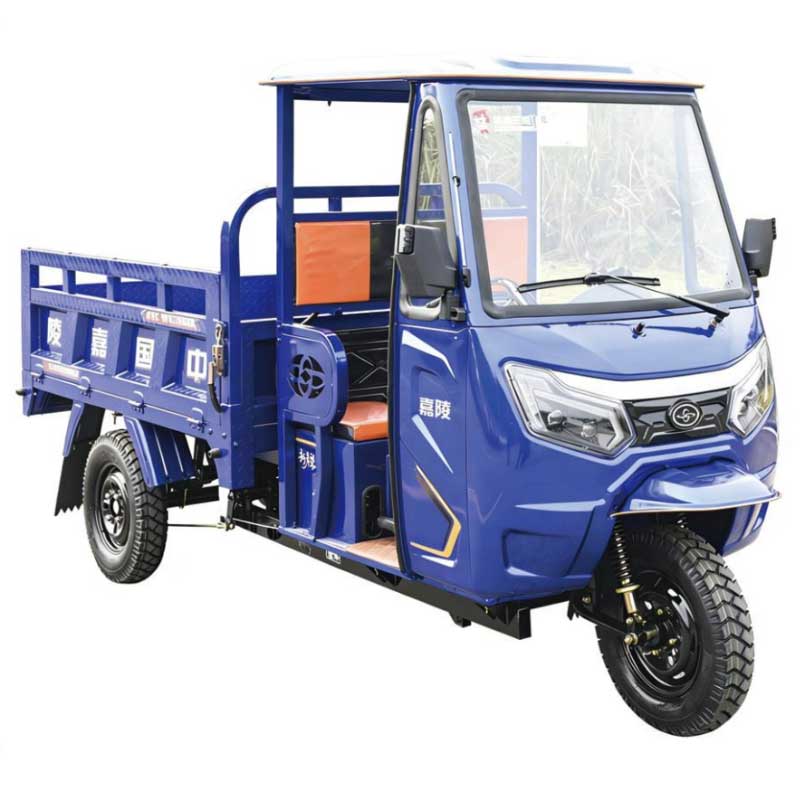
blue Semi-Covered Three-Wheel Cargo Tricycle
-
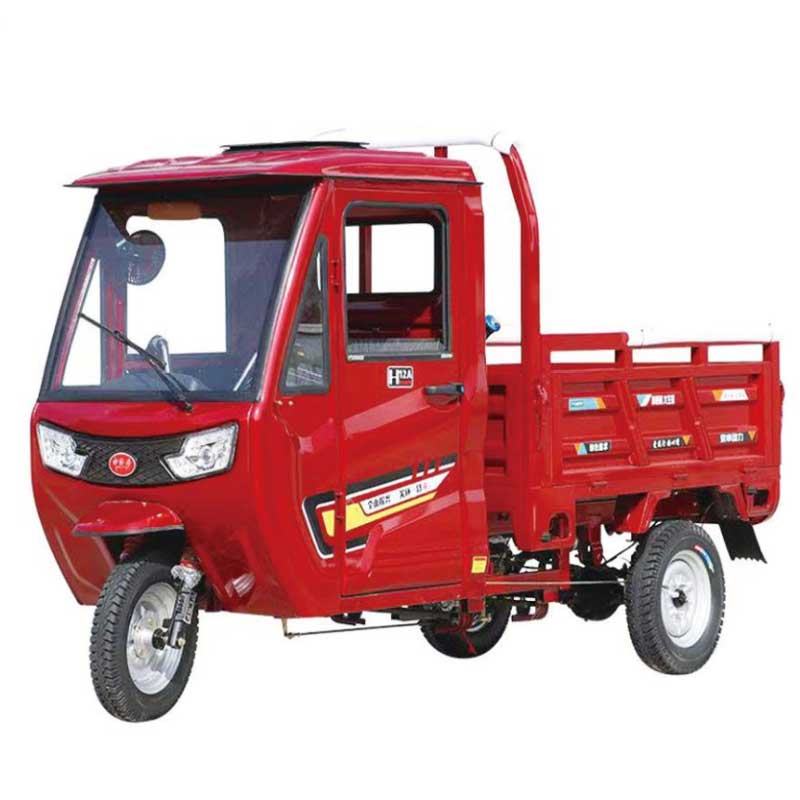
red Semi-Covered Three-Wheel Cargo Tricycle
-
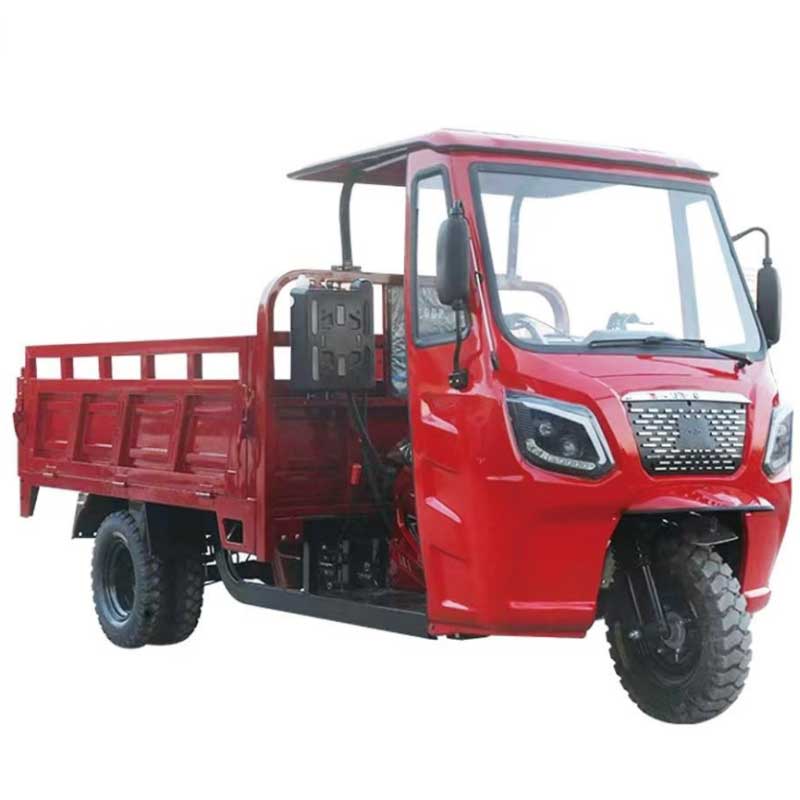
red Semi-Covered Three-Wheel Cargo Tricycle
-
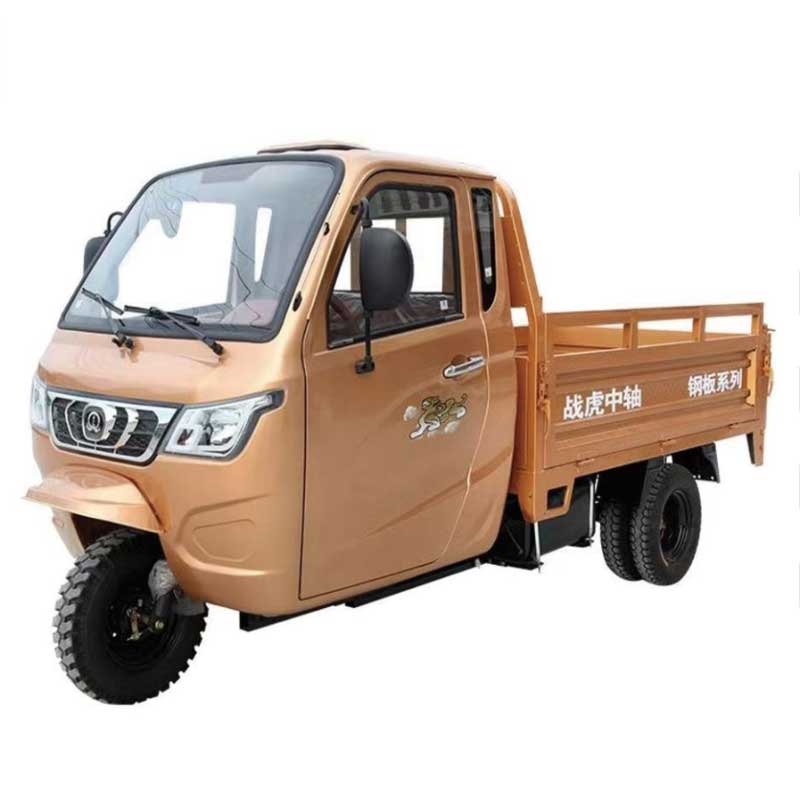
yellow Semi-Covered Three-Wheel Cargo Tricycle
-
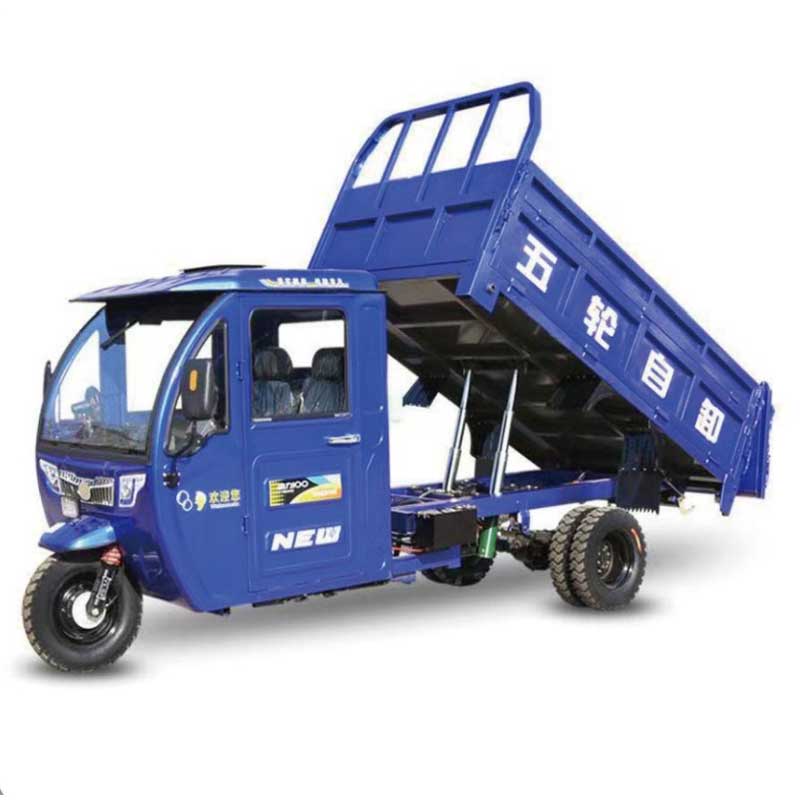
blue Semi-Covered Three-Wheel Cargo Tricycle
-
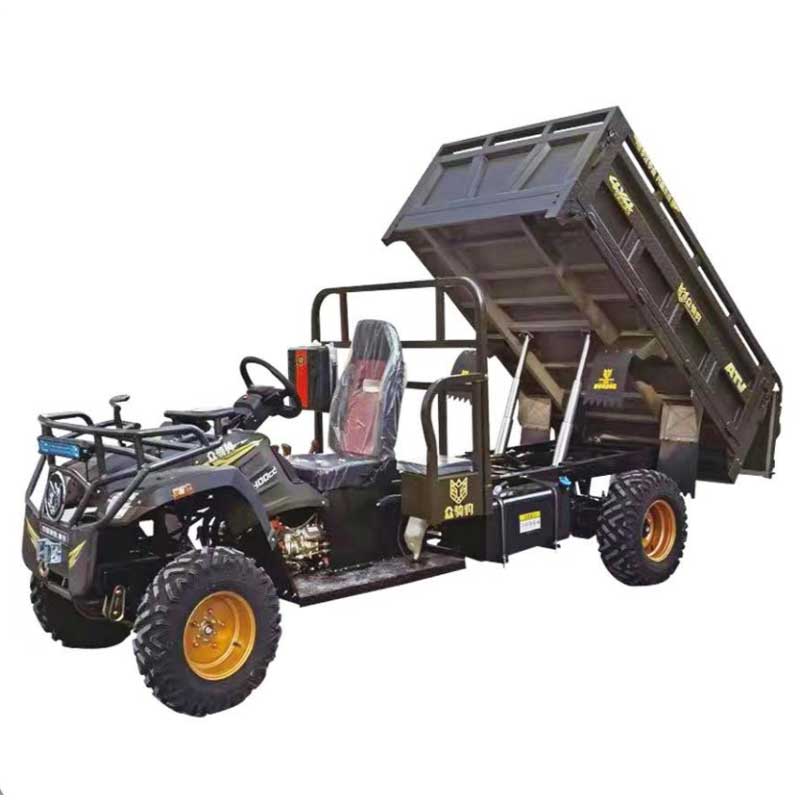
Military route color Semi-Covered Three-Wheel Cargo Tricycle
-
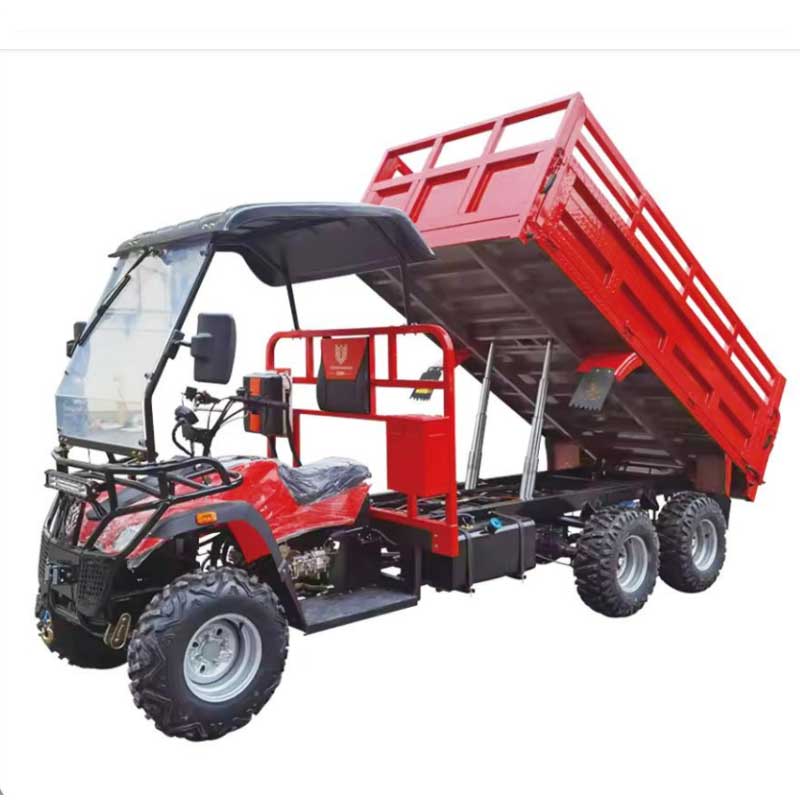
red Semi-Covered Three-Wheel Cargo Tricycle
Renqiu Xianyue Motorcycle Co., Ltd.
Copyright © 2026-2027 https://www.xuanyuetricycle.com. All Rights Reserved Renqiu Xuanyue Motorcycle Co., Ltd.