


 Current location:
NEWS INFORMATION
NEWS INFORMATION
Small Diameter Seamless Steel Pipe: Precision and Use Cases
author:xuanyue date:2026-07-05 21:46:07 click:190
Where precision meets performance, small diameter seamless steel pipe fulfills critical roles across industries demanding exacting dimensional control, superior surface finish, and reliable mechanical properties in compact geometries. From hydraulic power units to instrumentation sensing lines, these precision tubular products enable technologies where standard welded tubing cannot meet performance requirements. This guide examines the specifications, precision capabilities, and application-specific selection criteria that B2B procurement professionals must understand.
Defining Small Diameter Seamless Steel Pipe
Small diameter seamless steel pipe encompasses seamless tubular products with outside diameters ranging from 3.18mm (1/8") through approximately 60.3mm (2-3/8" NPS), manufactured through cold-drawing or cold-rolling processes following initial hot-working. The cold-finishing operations achieve tight dimensional tolerances, smooth interior surfaces, and enhanced mechanical properties that differentiate these products from standard pipe and larger-diameter seamless products.
Key specifications governing small-diameter seamless production include:
ASTM A519: Seamless carbon and alloy steel mechanical tubing
DIN 2391: Precision seamless steel tubes—technical delivery conditions
EN 10305-1: Seamless precision steel tubes for hydraulic and pneumatic power systems
JIS G3445: Carbon steel tubes for machine structural purposes
Material Grades and Mechanical Properties
Small-diameter seamless steel pipe is available in multiple material categories optimized for specific performance requirements:
Carbon Steel Grades
E235 (St37.4): General-purpose mechanical tubing; minimum yield strength 235 MPa; cost-effective for moderate-duty hydraulic applications
E355 (St52.4): High-strength carbon steel; minimum yield strength 355 MPa; preferred for high-pressure hydraulic cylinders
Alloy Steel Grades
4130 (25CrMo4): Chromium-molybdenum alloy; excellent strength-to-weight ratio; aircraft hydraulic and structural applications
4140 (42CrMo4): Higher carbon variant; superior hardenability; high-stress mechanical components
Stainless Steel Grades
304/304L: Austenitic stainless for corrosion-resistant instrumentation and sanitary applications
316/316L: Molybdenum-bearing grade for chloride-containing environments and chemical process instrumentation
Cold-drawing processes typically increase yield strength by 20-40% over annealed material through work hardening—providing enhanced mechanical properties without additional heat treatment costs for many applications.
Key Industrial Applications
Small diameter seamless steel pipe serves precision-critical functions across diverse industries:
Hydraulic and Pneumatic Systems
High-pressure hydraulic power units operating at 3,000-5,000 PSI demand tubes with precise bore dimensions for accurate flow control and minimal pressure drop. Seamless construction withstands pressure cycling without weld-seam fatigue concerns. DIN 2391 precision tubes serve as the industry standard for hydraulic cylinder barrels and distribution manifolds.
Instrumentation and Sensing Lines
Process instrumentation (pressure transmitters, flow meters, analytical sampling) requires small-bore tubing with smooth internal surfaces ensuring representative fluid sampling. 6mm-12mm OD seamless tubes in 316L stainless steel provide corrosion resistance and dimensional consistency essential for measurement accuracy.
Automotive and Transportation
Fuel injection lines, brake hydraulic systems, and structural reinforcement tubes require tight tolerance bores and reliable burst strength. Cold-drawn seamless tubes provide the surface finish necessary for precision fuel metering and the structural integrity for safety-critical brake circuits.
Heat Exchangers and Condensers
Small-bore seamless tubes (8mm-25mm OD) form the heat transfer surfaces in shell-and-tube exchangers across petrochemical, power, and refrigeration industries. Uniform wall thickness ensures consistent thermal performance across the tube bundle, while smooth surfaces minimize fouling accumulation.
Manufacturing Process and Quality Assurance
The cold-finishing sequence for precision small-diameter seamless pipe follows carefully controlled stages:
Hot-Finished Parent Tube: Seamless hollow produced via Mannesmann piercing serves as the starting material
Pickling and Lubrication: Acid pickling removes oxide scale; phosphate or soap coating provides drawing lubrication
Cold Drawing: Tube drawn through precision dies—single-pass or multi-pass sequences achieve target dimensions progressively
Intermediate Annealing: Between drawing passes, stress-relief annealing restores ductility for subsequent reductions
Final Sizing: Last drawing pass establishes final dimensions within specified tolerances
NDT and Inspection: Eddy current testing, ultrasonic examination, and dimensional verification complete quality assurance
Each drawing pass reduces cross-section by 15-35%, with total reduction typically limited to 60-75% before intermediate annealing becomes necessary.
Procurement Guidelines
B2B buyers should address several critical factors when sourcing small diameter seamless steel pipe:
Tolerance Specification: Define precision grade requirements explicitly—over-specifying tolerances increases cost without proportional value; under-specifying creates fit-up and performance issues
Surface Finish Requirements: Specify Ra values and any post-processing (honing, electropolishing) needed for application functionality
Length Requirements: Standard random lengths (4-7m) or exact cut lengths with tolerance specifications
End Conditioning: Plain cut, deburred, chamfered, or fitted with tube fittings per connection requirements
Certification Requirements: Material Test Reports (EN 10204 Type 3.1) documenting chemical composition, mechanical properties, and dimensional compliance
Conclusion
Small diameter seamless steel pipe delivers the dimensional precision, surface quality, and mechanical reliability that demanding industrial applications require. From high-pressure hydraulic systems operating at thousands of PSI to instrumentation sensing lines where bore accuracy determines measurement fidelity, these precision tubular products enable technologies where standard welded tubing simply cannot perform.
Procurement success requires matching tolerance specifications to actual application needs—neither over-engineering at premium cost nor under-specifying at the expense of system performance. B2B buyers who establish clear specification frameworks, qualify capable suppliers, and maintain consistent quality verification protocols achieve optimal value from small-diameter seamless steel pipe investments across their critical systems.
Frequently Asked Questions
Q: What is the smallest diameter available in seamless steel pipe?
A: Commercially produced seamless steel pipe is available down to approximately 3.18mm (1/8") outside diameter. Below this threshold, seamless stainless steel capillary tubing extends to 0.5mm OD for specialized medical and instrumentation applications per ASTM A908 specification.
Q: When should I specify cold-drawn versus hot-finished seamless pipe?
A: Specify cold-drawn when your application requires tight dimensional tolerances (±0.10mm OD or better), smooth interior surfaces (Ra below 1.6μm), or enhanced mechanical properties from work hardening. Hot-finished pipe is adequate for general fluid transfer where standard tolerances and surface finish meet requirements at lower cost.
Q: How does surface finish affect hydraulic system performance?
A: Inner surface roughness directly impacts flow resistance, seal life, and contamination generation. Honed surfaces (Ra 0.05-0.2μm) maximize hydraulic seal life by minimizing abrasive wear on elastomeric sealing elements. As-drawn surfaces (Ra 0.8-1.6μm) are acceptable for many hydraulic applications but may reduce seal life by 20-40% compared to honed alternatives in high-cycle service.
Q: Can small diameter seamless steel pipe be bent and formed?
A: Yes—cold-drawn seamless pipe in annealed condition exhibits excellent formability. Minimum bend radius typically ranges from 2.5x to 4x the outside diameter depending on wall thickness ratio. Normalized or stress-relieved tubes provide more consistent bending behavior. Verify formability requirements with your supplier during specification development.
Q: What testing should I require for critical applications?
A: For safety-critical or high-pressure applications, specify eddy current testing per ASTM E309, ultrasonic testing per ASTM E213, hydrostatic proof testing at 1.5x design pressure, and dimensional verification against specified tolerances. Mill Test Reports (EN 10204 Type 3.1) should document all test results with heat traceability.
References
ASTM International. (2024). ASTM A519/A519M-24: Standard Specification for Seamless Carbon and Alloy Steel Mechanical Tubing. West Conshohocken, PA.
DIN German Institute for Standardization. (2023). DIN 2391-1: Precision Seamless Steel Tubes—Dimensions and Technical Delivery Conditions. Berlin, Germany.
European Committee for Standardization. (2024). EN 10305-1:2024: Steel Tubes for Precision Applications—Technical Delivery Conditions. Brussels, Belgium.
Todd, R.H. & Allen, D.K. (2024). "Cold Drawing Process Optimization for Precision Seamless Tube Production." Journal of Manufacturing Processes, 38, 142-155.
Parker Hannifin Corporation. (2025). Hydraulic Tube Design Guide: Material Selection and Specification Handbook (8th ed.). Cleveland, OH.
-
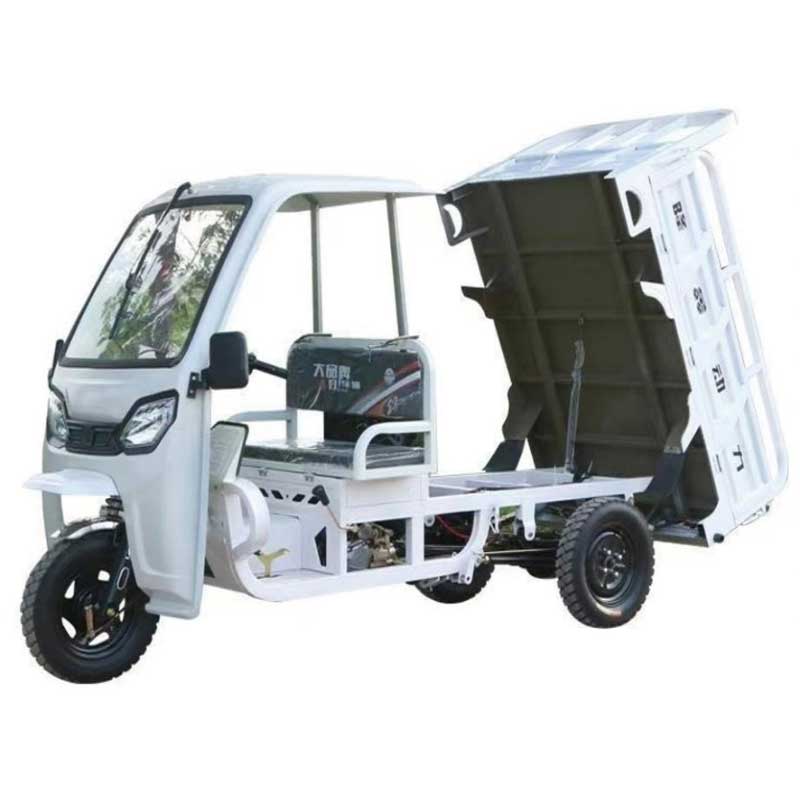
White Semi-Covered Three-Wheel Cargo Tricycle
-
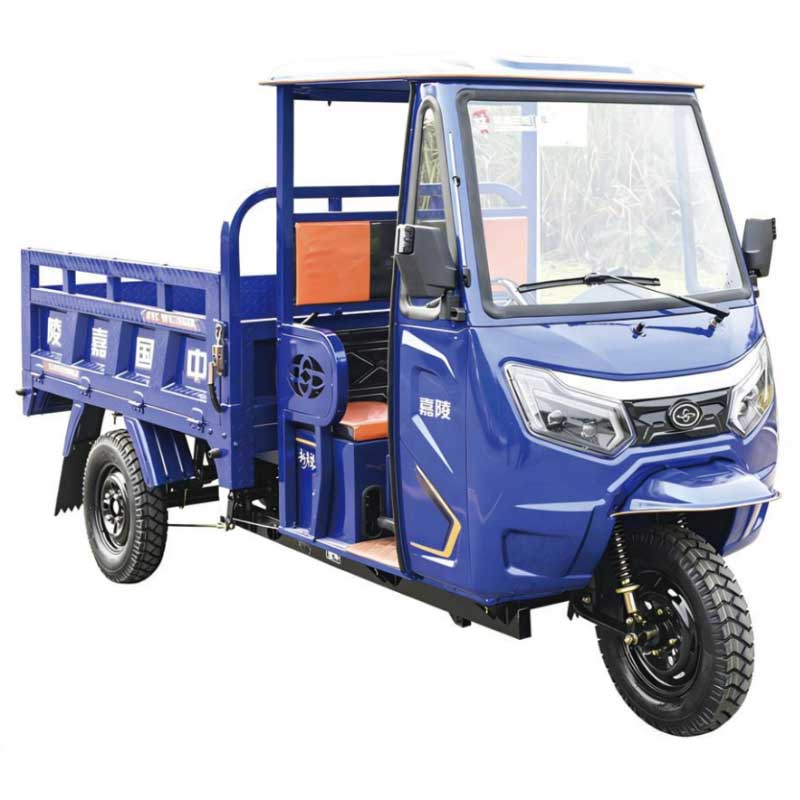
blue Semi-Covered Three-Wheel Cargo Tricycle
-
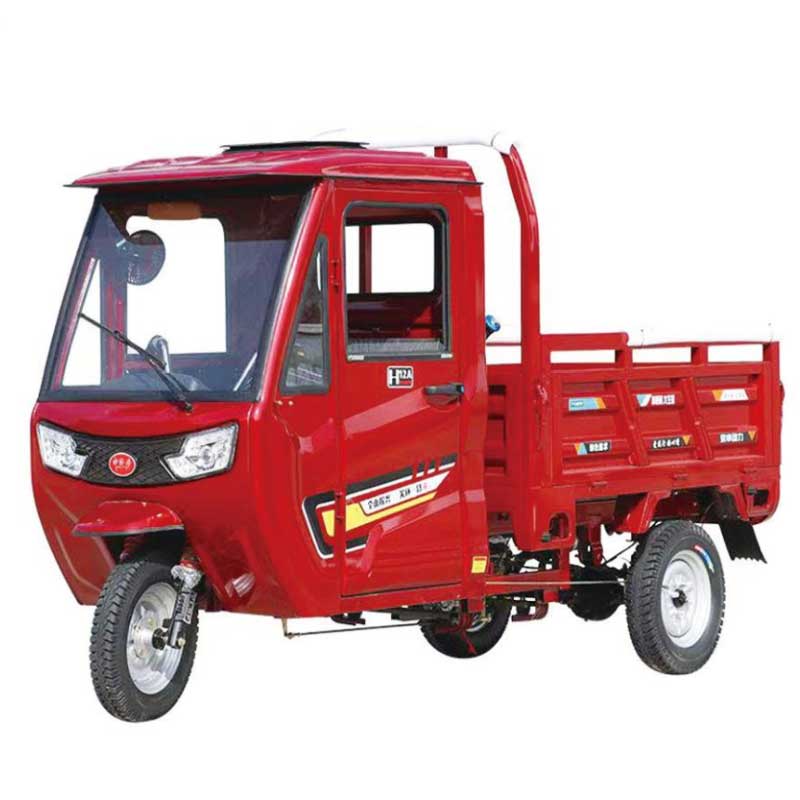
red Semi-Covered Three-Wheel Cargo Tricycle
-
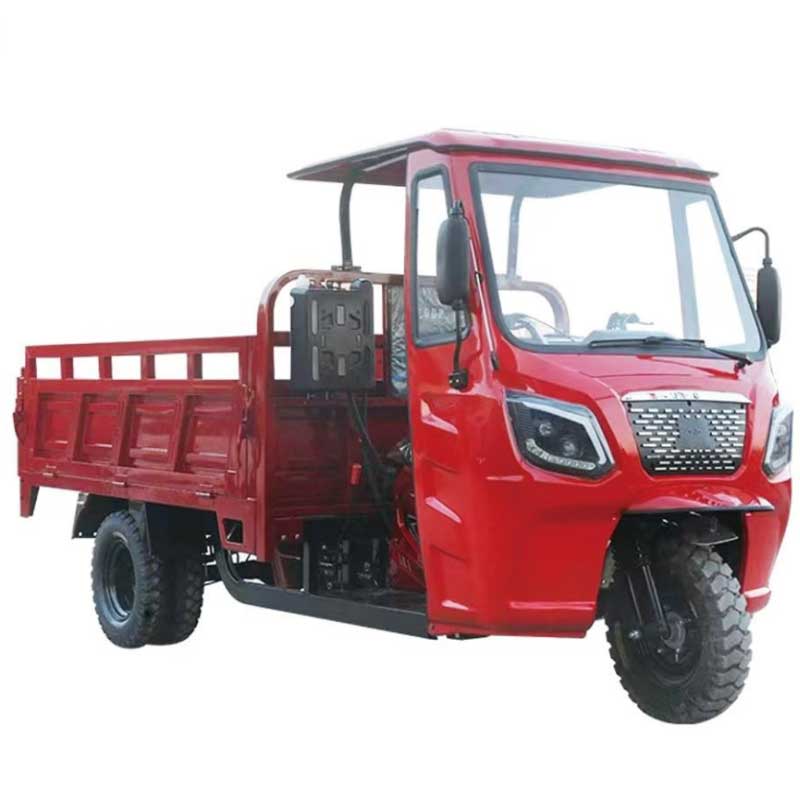
red Semi-Covered Three-Wheel Cargo Tricycle
-
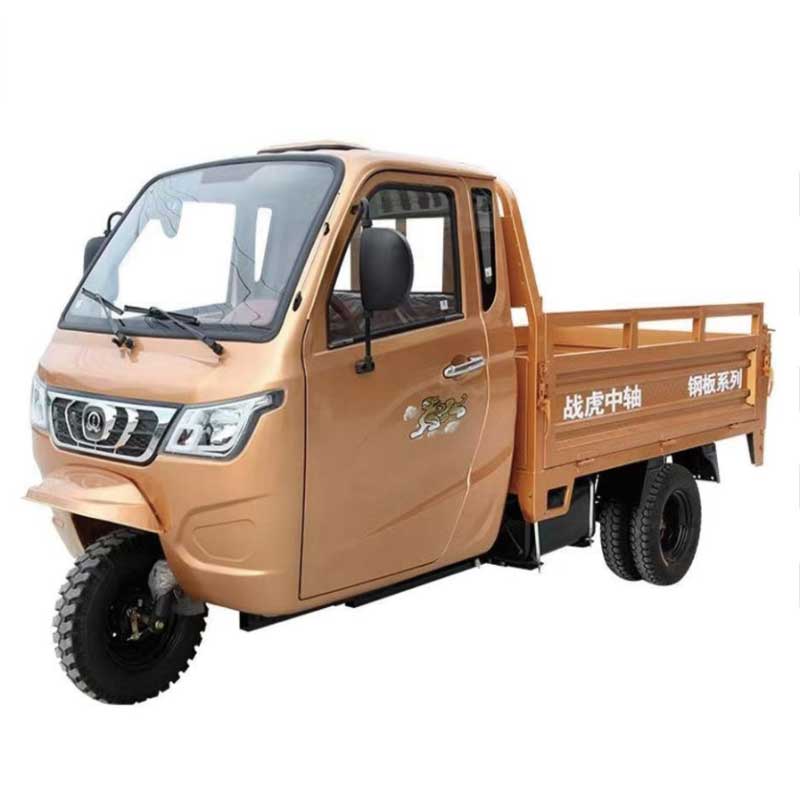
yellow Semi-Covered Three-Wheel Cargo Tricycle
-
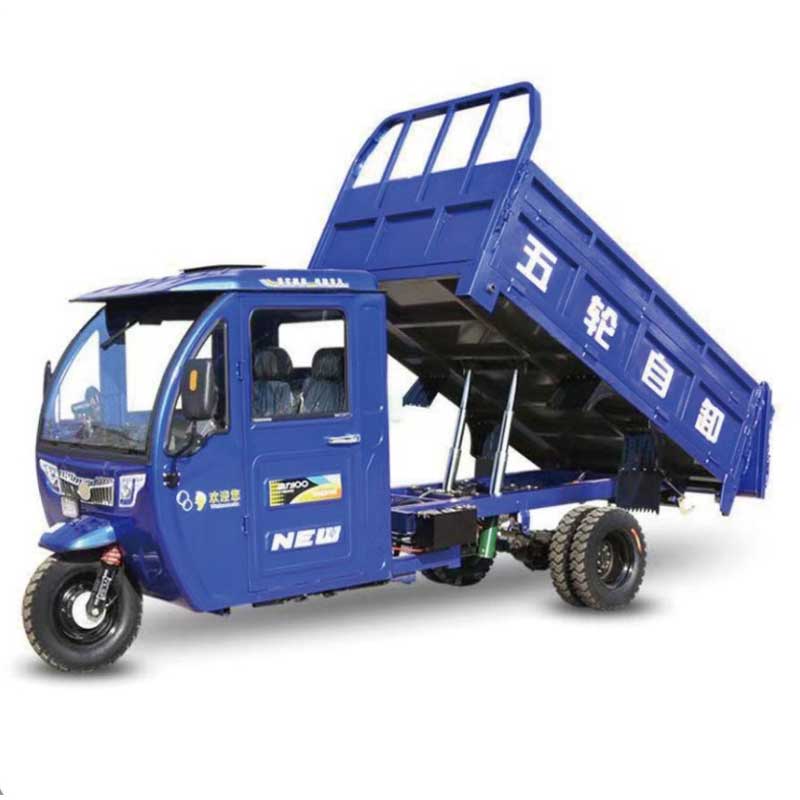
blue Semi-Covered Three-Wheel Cargo Tricycle
-
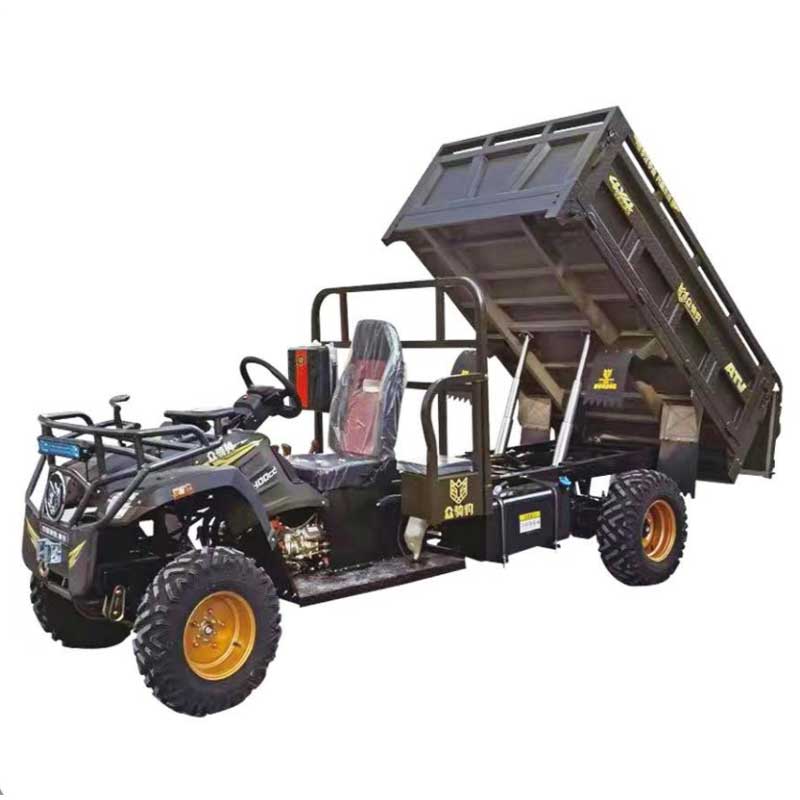
Military route color Semi-Covered Three-Wheel Cargo Tricycle
-
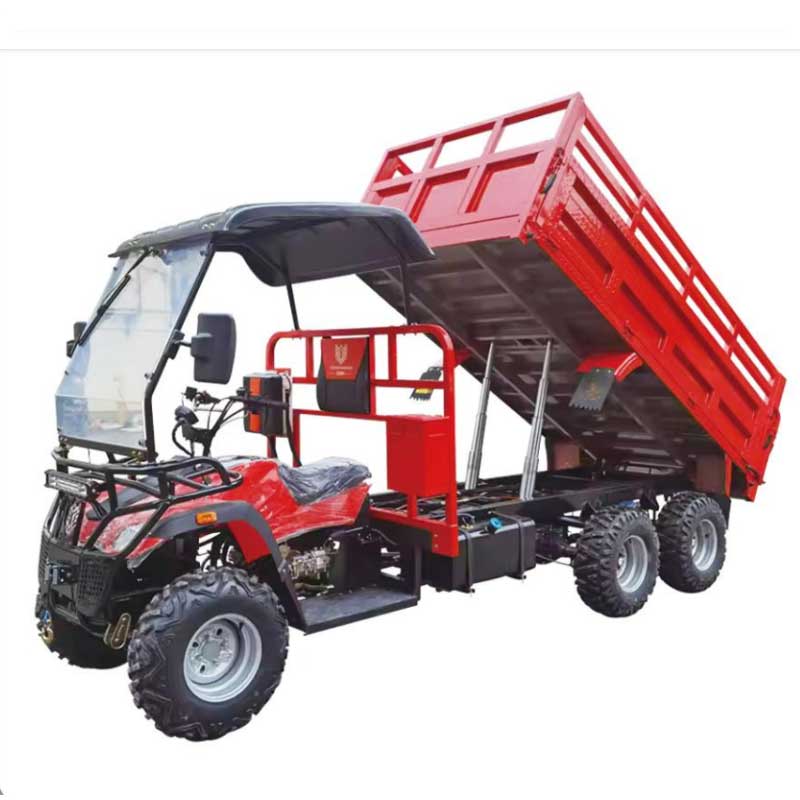
red Semi-Covered Three-Wheel Cargo Tricycle
Renqiu Xianyue Motorcycle Co., Ltd.
Copyright © 2026-2027 https://www.xuanyuetricycle.com. All Rights Reserved Renqiu Xuanyue Motorcycle Co., Ltd.