

 Current location:
NEWS INFORMATION
NEWS INFORMATION
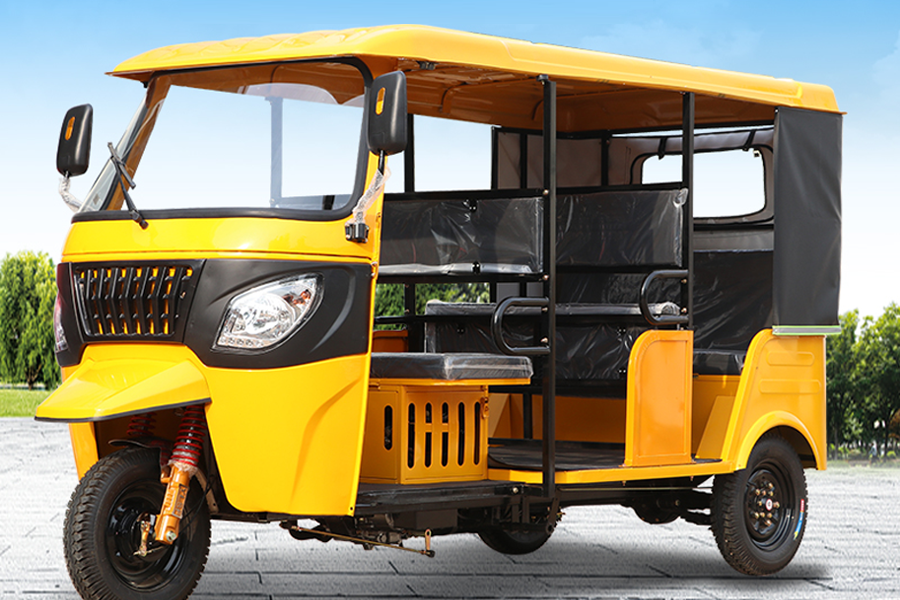
Sightseeing Tuk Tuk: Features and Business Opportunities
author:xuanyue date:2026-06-28 19:22:18 click:193
The Rise of Tuk Tuks in Global Tourism
The sightseeing tuk tuk has evolved from a utilitarian urban transport option into one of the fastest-growing segments of the experiential tourism market. In 2024, an estimated 15 million tourists worldwide took a tuk tuk tour, generating over USD 800 million in direct operator revenue. The appeal is clear: open-air immersion, intimate group sizes, and the cultural authenticity that air-conditioned buses cannot replicate. For entrepreneurs and fleet operators, the sightseeing tuk tuk represents a low-barrier entry into tourism with potential payback periods as short as 12–18 months.
Essential Features of a Purpose-Built Sightseeing Tuk Tuk
A tourism-grade sightseeing tuk tuk differs significantly from a standard passenger three-wheeler. Key features include:
Open-air seating with weather protection: Retractable canopies or roll-down side curtains for rain protection without sacrificing the open-air experience
Padded ergonomic seating: Tour-grade cushioning rated for 2+ hour rides; forward-facing and side-facing configurations available
Audio guide systems: Integrated PA systems or Bluetooth-connected speaker modules for multilingual tour commentary
LED accent lighting: Ambient and safety lighting for evening and sunset tour operations
Storage compartments: Under-seat luggage space for passenger bags and personal items
USB charging ports: Passenger device charging increasingly expected by international tourists
These features transform a basic sightseeing tuk tuk from simple transport into a complete tour experience platform, justifying premium ticket pricing.
Business Models for Sightseeing Tuk Tuk Operators
The sightseeing tuk tuk supports multiple profitable business models:
Scheduled city tours: Fixed-route, fixed-schedule tours at USD 15–35 per person; 4–6 departures daily with 6–8 passengers per vehicle
Private charter tours: Customized itineraries for couples and small groups at USD 40–80 per hour; higher margin, lower volume
Hotel and resort partnerships: Exclusive shuttle-tour agreements with hospitality properties; guaranteed daily bookings at contracted rates
Event and festival transport: Pop-up operations during peak tourism events; premium pricing of 2–3× standard rates
Franchise and licensing: Standardized tour packages licensed to local operators; brand fees of 8–12% of revenue
Operators combining two or more of these models achieve 40–55% higher vehicle utilization than single-model businesses.
Electric vs. Fuel-Powered: Choosing the Right Powertrain
The powertrain choice for a sightseeing tuk tuk directly impacts operating costs and market access. Electric models (80–130 km range) eliminate fuel costs entirely and provide quiet, fume-free operation essential for heritage sites and nature reserves. However, they require 6–8 hours of charging time and carry a 20–35% price premium. Petrol and LPG models offer unlimited range with quick refueling, making them suitable for cities with limited charging infrastructure. Hybrid approaches are emerging: operators maintain mixed fleets, deploying electric sightseeing tuk tuk units in emission-restricted zones and fuel-powered units for extended routes. The optimal mix depends on local regulations, route profiles, and energy costs.
Revenue Projections and Investment Analysis
A sightseeing tuk tuk business offers attractive returns on modest capital investment:
Vehicle cost: USD 3,000–8,000 per unit (fuel); USD 5,000–12,000 (electric)
Daily revenue potential: USD 80–200 per vehicle based on tour pricing and occupancy rates
Daily operating cost: USD 20–45 per vehicle including energy, driver wages, and maintenance reserves
Monthly net profit per vehicle: USD 1,000–3,500 after all operating expenses
Payback period: 8–18 months depending on utilization and market pricing
A fleet of 5 sightseeing tuk tuk units can generate annual net profit of USD 60,000–200,000 in well-positioned tourism markets, making it one of the highest-ROI tourism vehicle investments available.
Regulatory Considerations and Licensing
Operating a sightseeing tuk tuk commercially requires navigating specific regulatory frameworks. Most jurisdictions classify three-wheeler tourism vehicles under L5e or L7e categories, requiring standard vehicle registration plus a commercial transport permit. Tour operator licensing is typically separate from vehicle registration and may require proof of insurance (USD 500,000–1,000,000 liability coverage is common), driver certification, and route approval from local tourism authorities. In emission-controlled zones such as European historic centers, only zero-emission sightseeing tuk tuk models receive operating permits. Operators should complete regulatory due diligence before committing to a specific vehicle type.
Scaling from One Vehicle to a Fleet Operation
Successful sightseeing tuk tuk operators typically follow a phased scaling strategy. Start with 2–3 vehicles to validate demand, route profitability, and operational workflows. At 5–8 vehicles, invest in fleet management software for scheduling, GPS tracking, and maintenance alerts. At 10+ vehicles, explore vertical integration: in-house driver training academies, branded merchandise, and proprietary tour content development. The key scaling metric is revenue per vehicle per day: operators who maintain USD 120+ per vehicle per day as they scale achieve sustainable 25–35% operating margins. Those who grow faster than their management capacity often see per-vehicle revenue decline as service quality drops.
FAQ
How much does it cost to start a sightseeing tuk tuk business?
A minimal viable operation with 2 vehicles requires USD 8,000–20,000 in vehicle investment, plus USD 3,000–5,000 for licensing, insurance, and initial marketing. Total startup capital of USD 12,000–25,000 is typical for a small sightseeing tuk tuk business.
What is the best sightseeing tuk tuk for city tours?
A 6–8 seat electric sightseeing tuk tuk with retractable canopy is the most versatile choice for city tours. The electric powertrain provides quiet operation for guide commentary and access to emission-restricted zones, while the mid-size capacity optimizes per-trip revenue.
How do I find tourists for my tuk tuk tour business?
Online distribution through Viator, GetYourGuide, and Airbnb Experiences accounts for 40–60% of bookings for established operators. Hotel concierge partnerships, social media marketing, and street-level signage at tourist hubs generate the remainder. A sightseeing tuk tuk with distinctive branding serves as its own mobile advertisement.
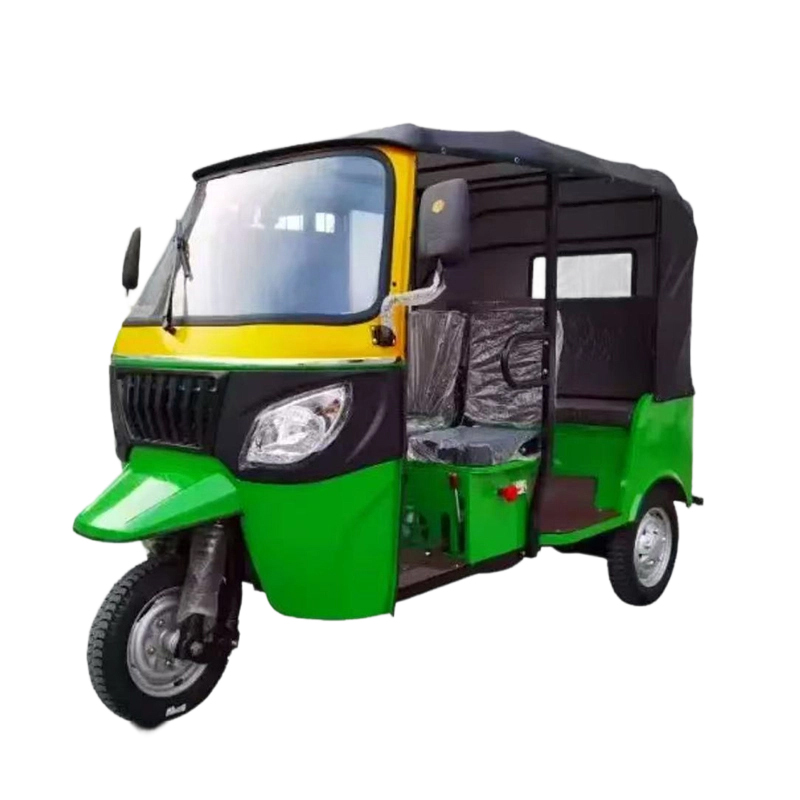
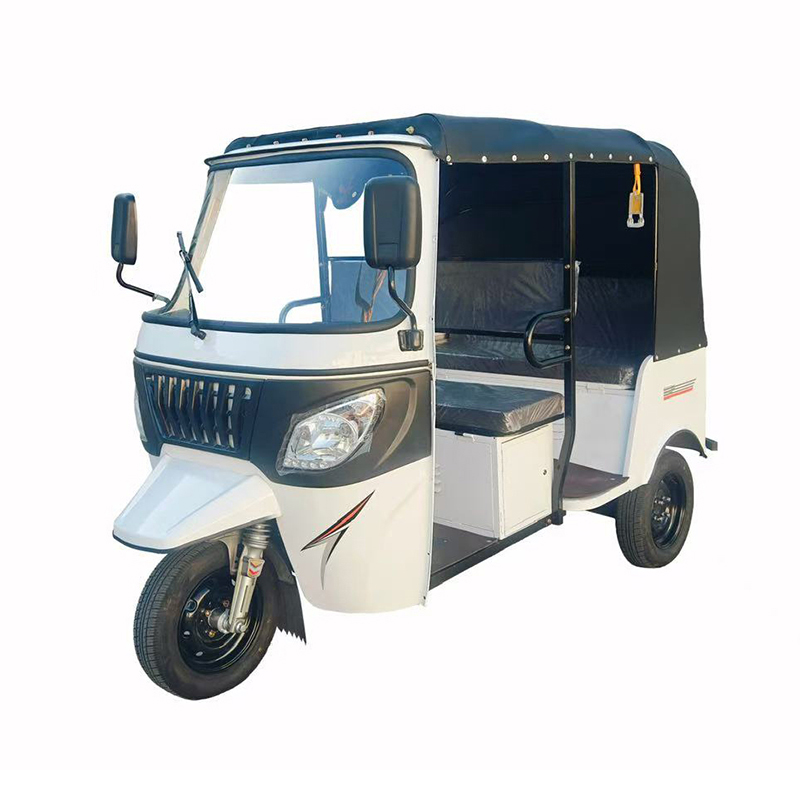
Can sightseeing tuk tuks operate in rainy seasons?
Yes, with proper configuration. A sightseeing tuk tuk equipped with roll-down transparent curtains, waterproof seating, and anti-slip flooring operates safely in moderate rain. Operators in tropical markets often schedule tours around weather patterns, with morning and late afternoon slots during monsoon seasons.
What insurance is required for a sightseeing tuk tuk fleet?
Commercial vehicle liability insurance (minimum USD 500,000 coverage) is standard. Passenger accident insurance, comprehensive vehicle coverage, and public liability insurance for tour operations are also recommended. Total annual insurance cost per sightseeing tuk tuk typically ranges from USD 400–900 depending on jurisdiction and coverage level.
Conclusion
The sightseeing tuk tuk offers a rare combination of low capital requirements, strong unit economics, and genuine scalability in the tourism sector. With payback periods under 18 months, daily net profits of USD 40–150 per vehicle, and growing tourist demand for authentic open-air experiences, this segment presents compelling opportunities for both first-time entrepreneurs and established fleet operators. Success hinges on selecting the right vehicle specifications for your market, building diversified revenue streams across tour types, and maintaining service quality as you scale. The operators who treat their sightseeing tuk tuk fleet as a tourism experience platform—not just a transport service—will capture the largest share of this rapidly expanding market.
References
Prideaux, B., & Thompson, M. (2023). "Experiential Tourism Transport: The Role of Non-Standard Vehicles in Destination Marketing." Annals of Tourism Research, 98, 103–118.
Rodriguez, A., & Kim, S. (2022). "Low-Cost Tourism Entrepreneurship: Vehicle-Based Tour Operations in Developing Economies." Tourism Management, 89, 104–117.
Pham, T., & Nguyen, H. (2023). "Electric Three-Wheeler Adoption in Southeast Asian Tourism: Barriers and Accelerators." Journal of Sustainable Tourism, 31(8), 1890–1908.
World Travel & Tourism Council. (2024). "Economic Impact of Micro-Tourism Enterprises: A Global Assessment." WTTC Research Reports, No. 47.
Cohen, E., & Cohen, S. (2022). "Authenticity and Commodification in Urban Tourism: The Tuk Tuk Phenomenon." Tourist Studies, 22(1), 56–74.
-
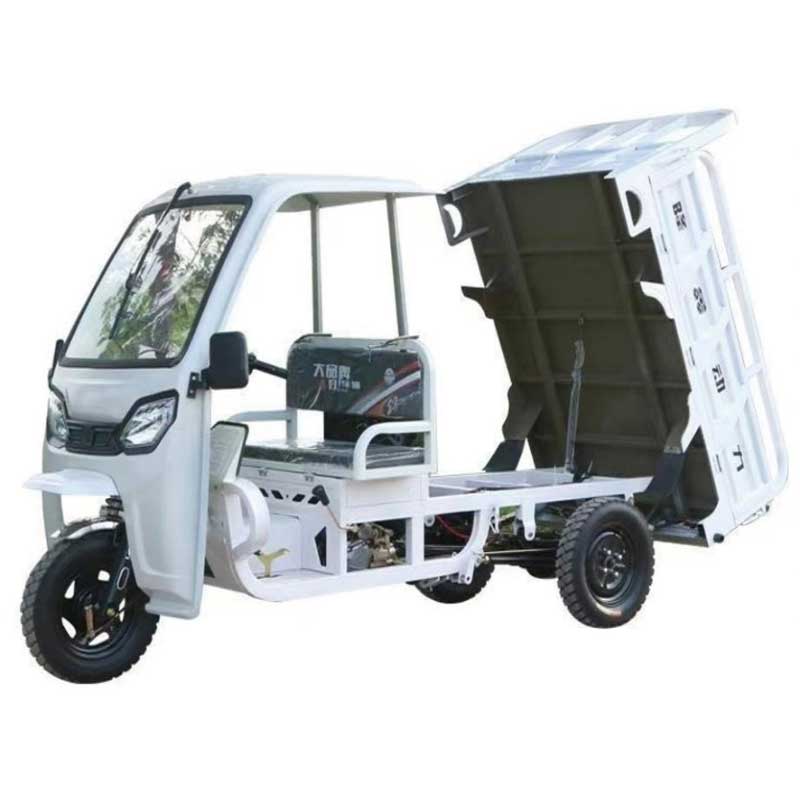
White Semi-Covered Three-Wheel Cargo Tricycle
-
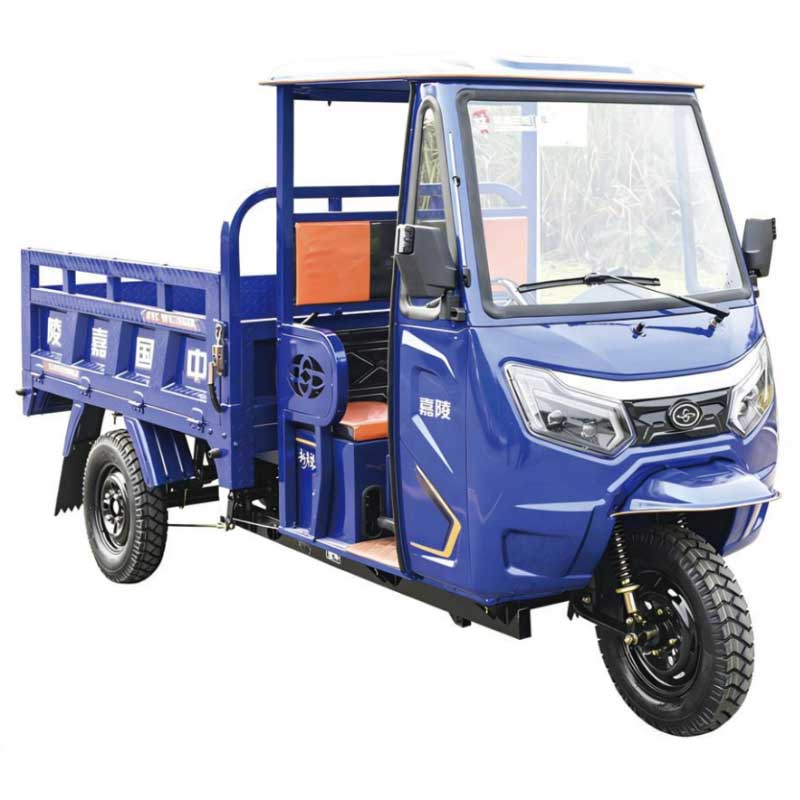
blue Semi-Covered Three-Wheel Cargo Tricycle
-
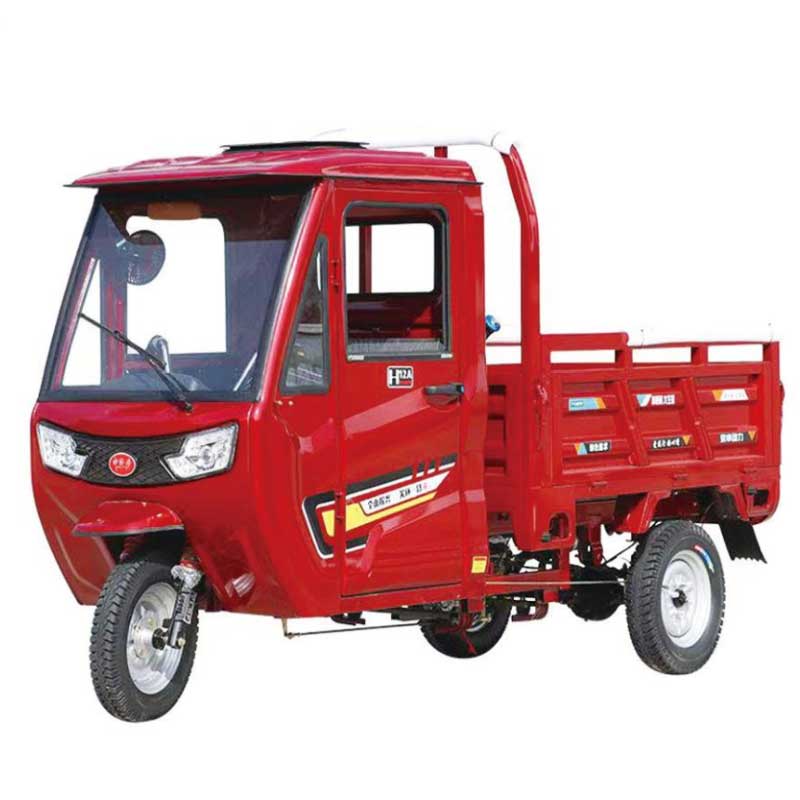
red Semi-Covered Three-Wheel Cargo Tricycle
-
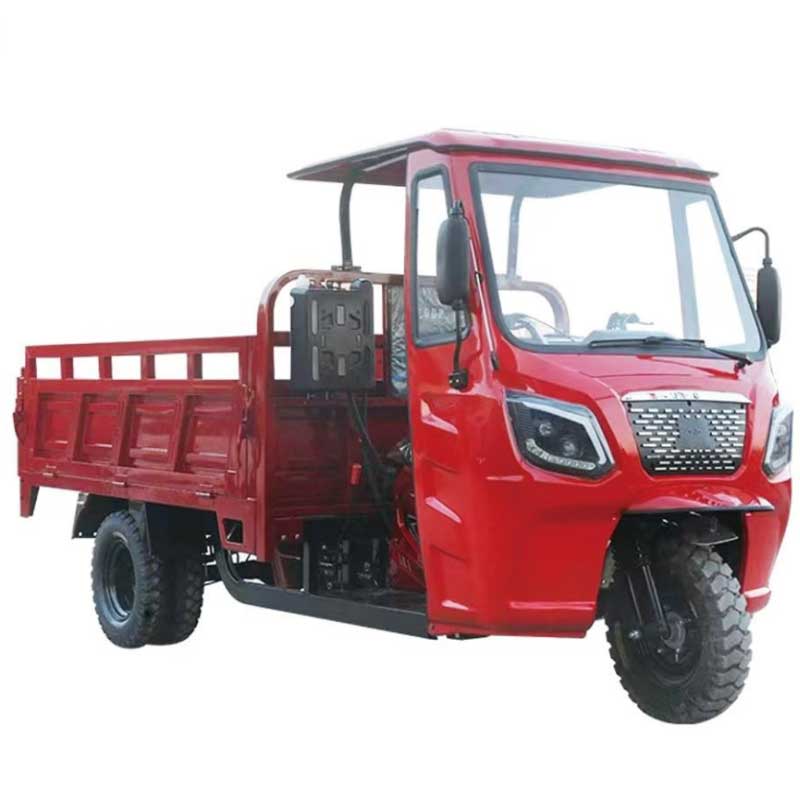
red Semi-Covered Three-Wheel Cargo Tricycle
-
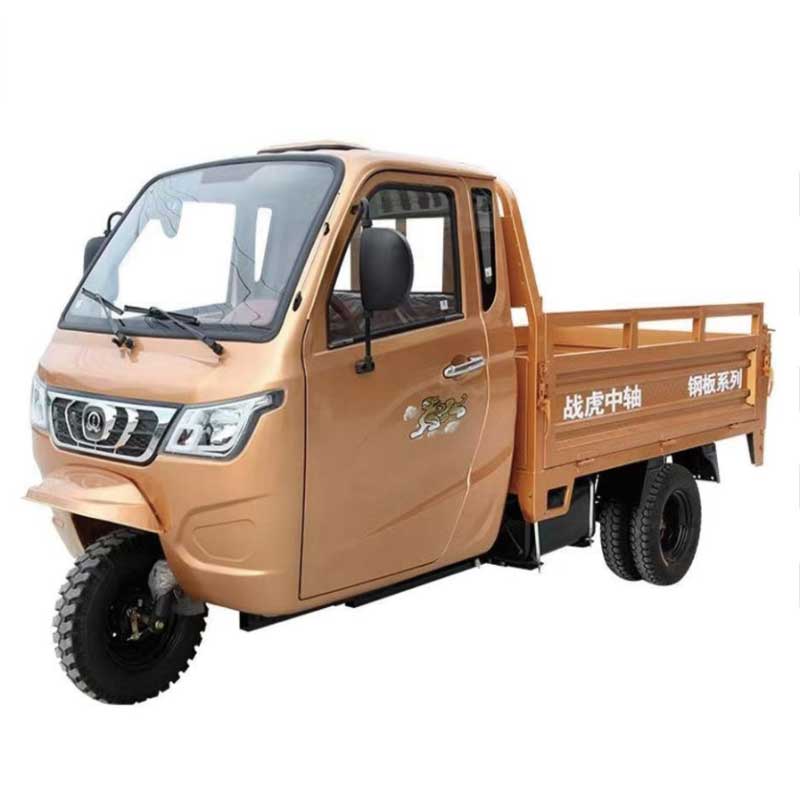
yellow Semi-Covered Three-Wheel Cargo Tricycle
-
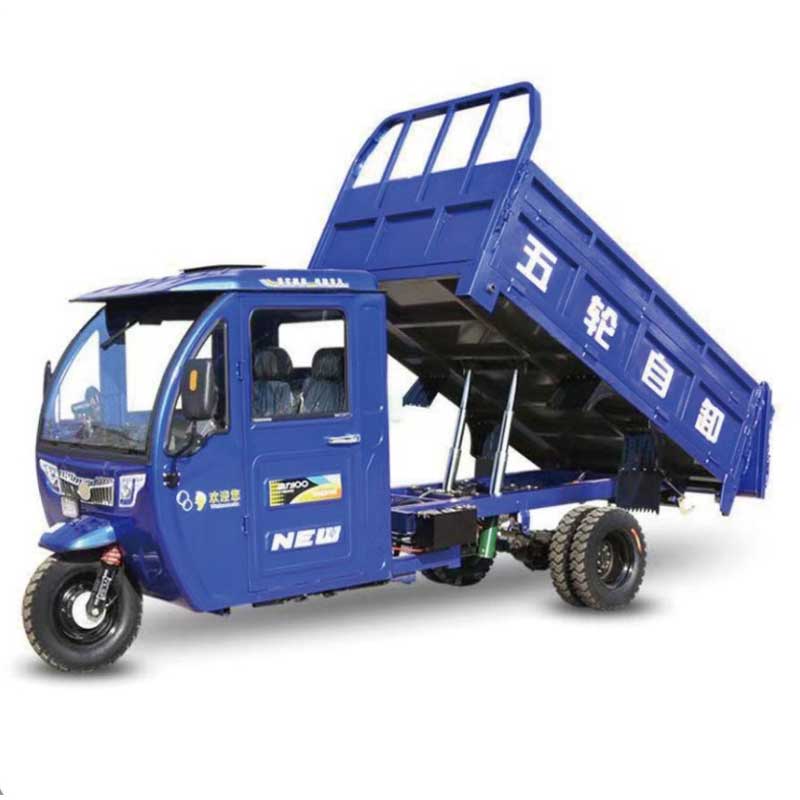
blue Semi-Covered Three-Wheel Cargo Tricycle
-
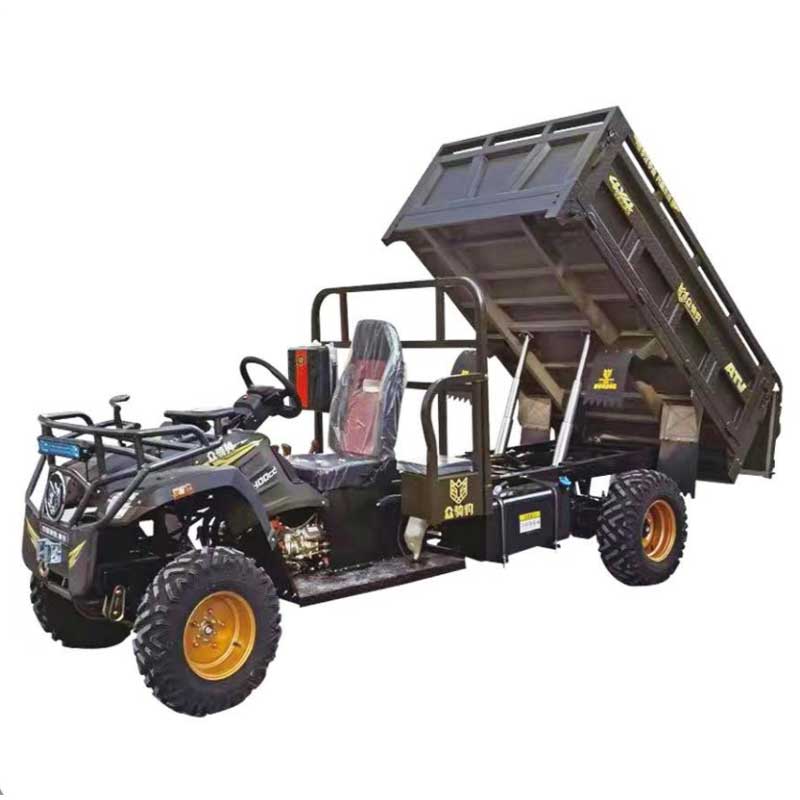
Military route color Semi-Covered Three-Wheel Cargo Tricycle
-
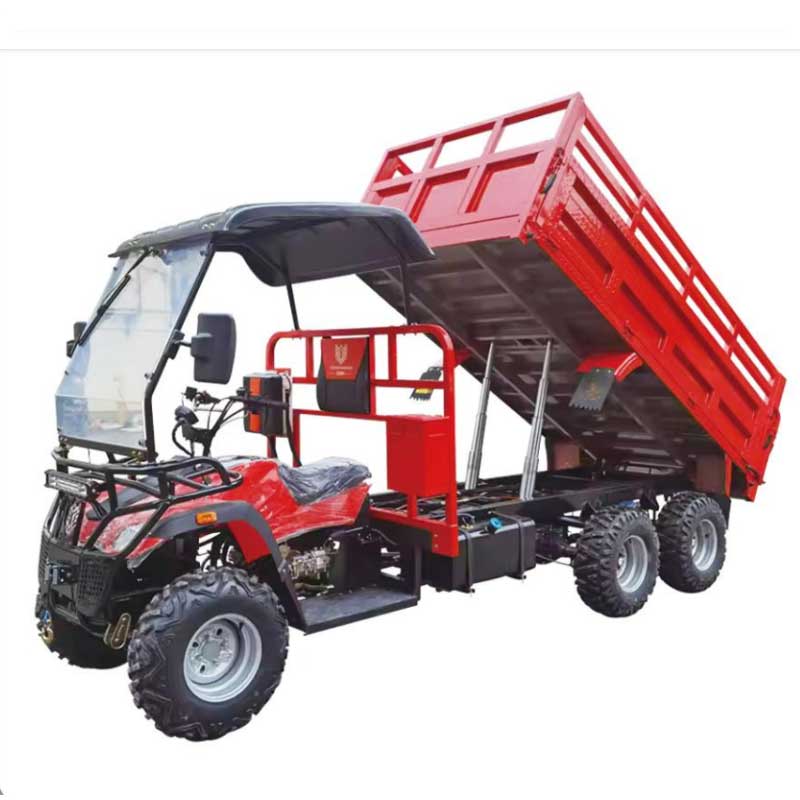
red Semi-Covered Three-Wheel Cargo Tricycle
Renqiu Xianyue Motorcycle Co., Ltd.
Copyright © 2026-2027 https://www.xuanyuetricycle.com. All Rights Reserved Renqiu Xuanyue Motorcycle Co., Ltd.