

 Current location:
NEWS INFORMATION
NEWS INFORMATION
Passenger Tuk Tuk Safety Standards Explained: A Compliance Guide
author:xuanyue date:2026-10-02 01:08:40 click:62
A passenger tuk tuk carries the most vulnerable vehicle occupants on the road — untrained passengers with no protective equipment, at speeds and in traffic conditions where exposure to risk is constant. Regulators have responded with safety standards that address structural integrity, braking performance, occupant restraint, and lighting, and these standards form the basis of vehicle type approval in most markets. For fleet operators and importers, understanding these standards is not simply a compliance obligation — it is a direct input to vehicle selection, because a vehicle that cannot demonstrate compliance with the destination market's requirements cannot be legally registered for passenger service.
The Regulatory Framework: UN/ECE and Domestic Standards
The foundation of most global vehicle safety regulation is the UN Economic Commission for Europe (UNECE) framework, which publishes regulations that member states and many non-member countries adopt by reference. Three-wheeled passenger vehicles fall primarily within the L-category classification — specifically L2e, L5e, and L7e — which determines which ECE regulations apply.
Several UNECE regulations are directly relevant to passenger tuk tuk safety. ECE R56 governs lighting and light signalling — headlamps, tail lamps, brake lights, turn indicators, and rear registration plate illumination — and is a universal requirement for road-legal vehicles. ECE R78 governs braking systems and sets the minimum deceleration performance and stability requirements. ECE R10 governs electromagnetic compatibility, which protects the vehicle's electronic systems from interference and prevents the vehicle from interfering with other systems. ECE R16 governs seat belt anchorages, and ECE R14 governs safety belt anchorages and restraint systems in more detail. For vehicles with glazing, ECE R43 governs safety glazing materials.
Outside the ECE framework, domestic standards apply. In markets that have not adopted ECE regulations by reference, national standards govern — and these vary significantly in content and stringency. Buyers importing passenger tuk tuks must verify which framework governs their destination market and which specific regulations apply to the vehicle's L-category classification.
Structural Integrity and Occupant Protection
The structural requirements for a passenger tuk tuk focus on protecting occupants in the event of a collision or rollover. The most basic requirement is a robust body structure that maintains occupant survival space under impact and prevents intrusion into the passenger compartment. For three-wheeled vehicles, which have less inherent stability than four-wheeled vehicles, rollover protection is a significant structural consideration.
Manufacturers address structural safety through frame design (a reinforced cage or space-frame structure around the passenger compartment), material selection (high-strength steel in the load path), and — in more advanced designs — crumple zones that absorb impact energy before it reaches the occupant compartment. The canopy structure, where present, contributes to rollover protection and must be engineered for that function rather than being a purely cosmetic element.
Buyers should request documentation of the structural design — frame drawings, material specifications, and where available, structural test results. A vehicle certified to a structural standard carries documentation demonstrating that the design met a defined performance level.
Braking System Requirements
Braking performance is safety-critical for passenger vehicles, and the standards reflect that priority. ECE R78 defines braking performance requirements in terms of deceleration achieved under defined test conditions, brake system balance between front and rear, and brake system redundancy to prevent total brake loss from a single failure point.
For a passenger tuk tuk, the braking system must be capable of achieving the required deceleration at the vehicle's maximum gross weight — including full passenger load — not just the unladen weight. This distinction matters because braking performance degrades with load, and a vehicle that meets braking standards in unladen condition may not meet them with passengers aboard. Buyers should verify that the braking certification covers the maximum gross vehicle weight rating.
Brake system construction — drum versus disc, single versus dual circuit, and the presence of anti-lock or load-proportional braking — varies with vehicle class and market. Higher-specification passenger tuk tuks increasingly incorporate dual-circuit braking for redundancy and load-proportional braking for stability under varying loads.
Occupant Restraint and Seating
Seat belts are the most effective single safety measure for vehicle occupants, and ECE R16 (seat belt anchorages) and ECE R14 (belt anchorages and restraint systems) define the standards that passenger tuk tuks must meet. The seat belt anchorage must be strong enough to withstand the forces generated in a collision without failing, and the restraint system must be positioned to protect the occupant correctly.
Passenger tuk tuk seating configuration affects restraint design. Forward and rearward-facing bench seating, common in passenger three-wheelers, requires belt anchorage at each seating position and mechanical design that ensures the belts restrain occupants in the direction of the vehicle's likely deceleration. The number of seat belts must correspond to the certified seating capacity — a vehicle certificated for six passengers must have six functioning, correctly anchored belt positions.
Lighting, Conspicuity, and Visibility
Lighting requirements serve two safety functions: allowing the driver to see and be seen, and communicating the vehicle's intentions to other road users. ECE R56 defines the lighting and signalling equipment required: position lamps, headlamps meeting defined photometric standards, brake lamps, turn indicators, rear fog and reversing lamps (where required), and rear registration plate illumination.
For passenger three-wheelers, which are physically smaller than four-wheeled vehicles and may be less conspicuous in traffic, conspicuity is a legitimate safety consideration. Additional lighting — daytime running lights, side marker lamps, and high-mounted brake lamps — improves visibility to other road users and is required or recommended in several markets. Retroreflective markings on the vehicle body and canopy further improve conspicuity, particularly in low-light conditions.
Type Approval and Market Compliance
The practical safety standard for a specific market is defined by that market's type-approval regime. In markets operating under the ECE framework, type approval demonstrates that the vehicle has been tested against the applicable ECE regulations and meets the defined performance requirements. In markets with domestic approval regimes, the national standard governs.
Importers and fleet operators should verify compliance with the destination market's requirements before purchase, not after. The verification steps: confirm the vehicle's L-category classification in the destination market; identify which regulations apply to that classification; obtain the type-approval certificate covering those regulations; and cross-check the certificate against the issuing authority's records. Where the manufacturer's certification is for a different market than the destination, additional testing and re-certification may be required — a cost that must be factored into the procurement decision.
Practical Compliance Checklist for Fleet Operators
Before putting passenger tuk tuks into service, fleet operators should verify the following documentation and physical characteristics:
Type-approval certificate matching the destination market classification
Lighting equipment complying with ECE R56 or the applicable national standard
Braking system certified at maximum gross vehicle weight
Seat belts at every certified seating position, anchored per ECE R16 or equivalent
Structural documentation demonstrating frame design and rollover protection
Battery transport certification (UN38.3) for electric models prior to shipment
Operator training materials covering load limits, braking characteristics, and passenger safety procedures
FAQ
What safety standards apply to passenger tuk tuks?
The applicable standards depend on the market. Most passenger tuk tuks fall under the UNECE L-category framework, with ECE R56 (lighting), ECE R78 (braking), ECE R10 (electromagnetic compatibility), and ECE R16 (seat belt anchorages) being the most directly relevant. Markets with domestic approval regimes apply their own national standards, which vary in content and stringency.
Do passenger tuk tuks require seat belts?
In markets operating under the ECE framework, yes — seat belt anchorage is governed by ECE R16 and ECE R14, and every certified seating position must have a functioning belt. Domestic standards in many other markets also mandate seat belts, though the specific requirements vary. Verify the destination market's requirements before purchase.
How do I verify a passenger tuk tuk's safety certification?
Request the type-approval certificate, confirm the certificate covers the specific vehicle classification and configuration being purchased, and cross-check the certificate number against the issuing authority's database. Confirm the certificate is current and issued for the destination market classification, not a different market.
Can I import a passenger tuk tuk that is certified for a different market?
Sometimes, but additional testing and re-certification are typically required, and in some markets a vehicle type-approved for a different regulatory framework cannot be registered for passenger service without full domestic approval. Verify the destination market's acceptance rules before committing to a purchase, because re-certification is expensive and not always possible.
What is the most important safety factor in a passenger tuk tuk?
No single factor dominates; safety is the result of multiple systems working together — structural integrity, braking performance at full load, occupant restraint, and conspicuity. From a compliance perspective, the most important single item is valid type approval for the destination market, because without it the vehicle cannot legally operate in passenger service.
Conclusion
Passenger tuk tuk safety standards exist to protect the most vulnerable occupants on the road, and for fleet operators and importers they define both a compliance obligation and a vehicle-selection criterion. The standards — ECE regulations in compliant markets, domestic standards elsewhere — cover structural integrity, braking, occupant restraint, lighting, and certification, and each must be verified against the specific vehicle and destination market. The practical discipline is to identify the applicable standards before purchase, obtain the certification documentation, verify it independently, and ensure that the delivered vehicle matches the certified configuration. Compliance is not a formality for passenger vehicles; it is the foundation of legal operation and the protection that the operator owes to everyone who rides.
References
United Nations Economic Commission for Europe. (2023). "World Forum for Harmonisation of Vehicle Regulations: Annual Report." UNECE Transport Division, Geneva.
Gillespie, T.D. (2021). "Fundamentals of Vehicle Dynamics." SAE International, Revised Edition.
International Transport Forum. (2023). "Regulation of For-Hire Vehicle Sectors: Three-Wheeler Case Studies." ITF Working Paper, Paris.
World Health Organization. (2023). "Global Status Report on Road Safety 2023." WHO, Geneva.
Wong, J.Y. (2020). "Theory of Ground Vehicles." Wiley, 5th Edition.
-
White Semi-Covered Three-Wheel Cargo Tricycle
-
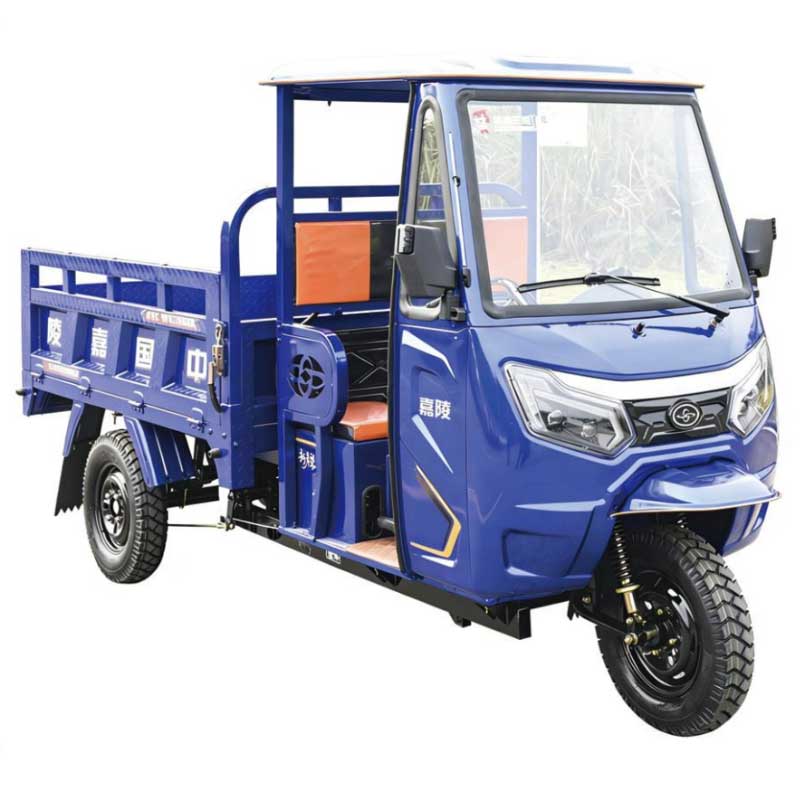
blue Semi-Covered Three-Wheel Cargo Tricycle
-
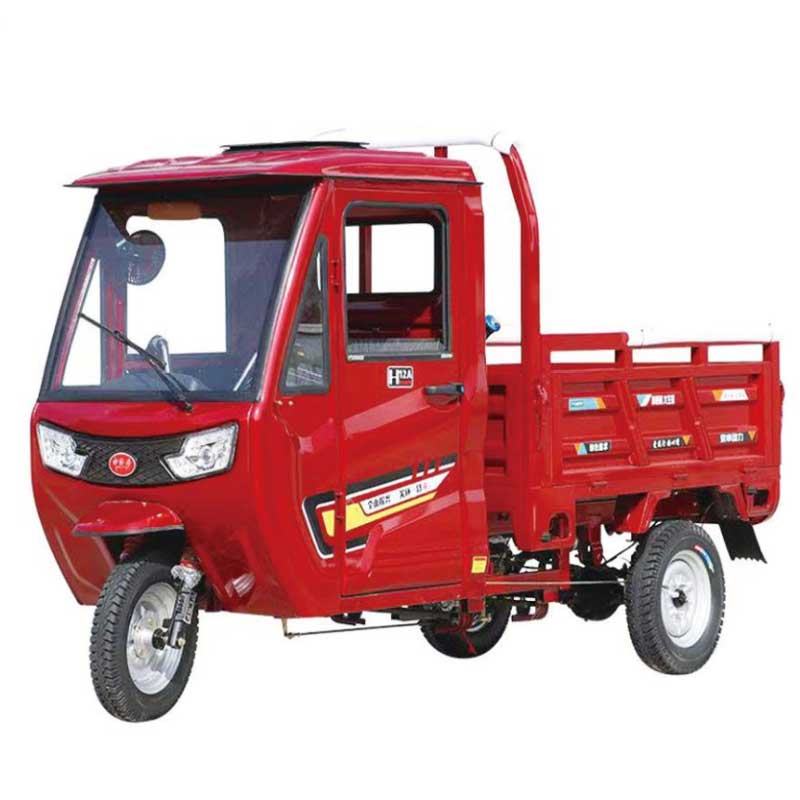
red Semi-Covered Three-Wheel Cargo Tricycle
-
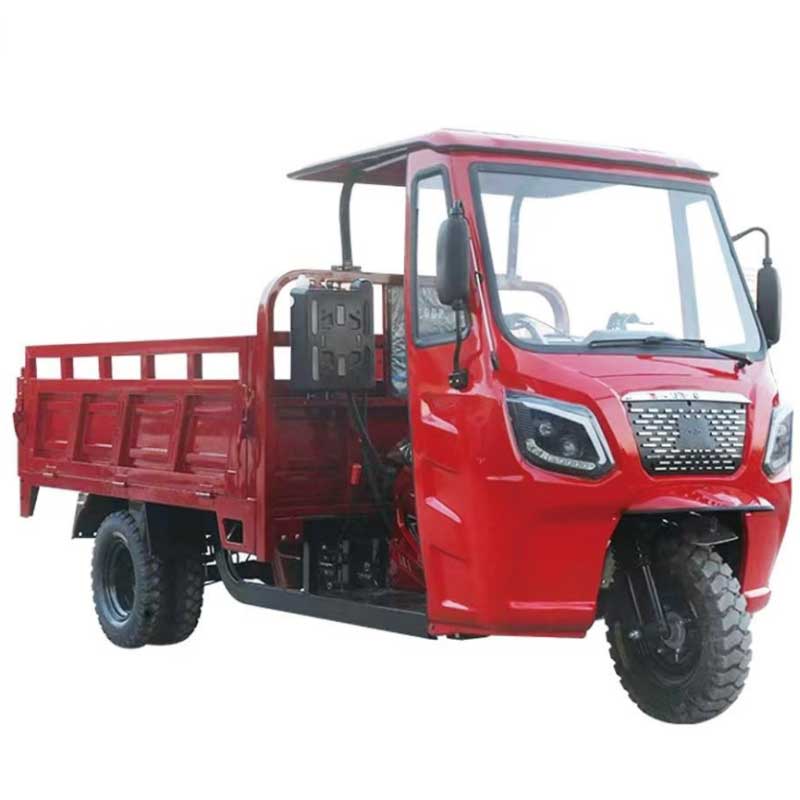
red Semi-Covered Three-Wheel Cargo Tricycle
-
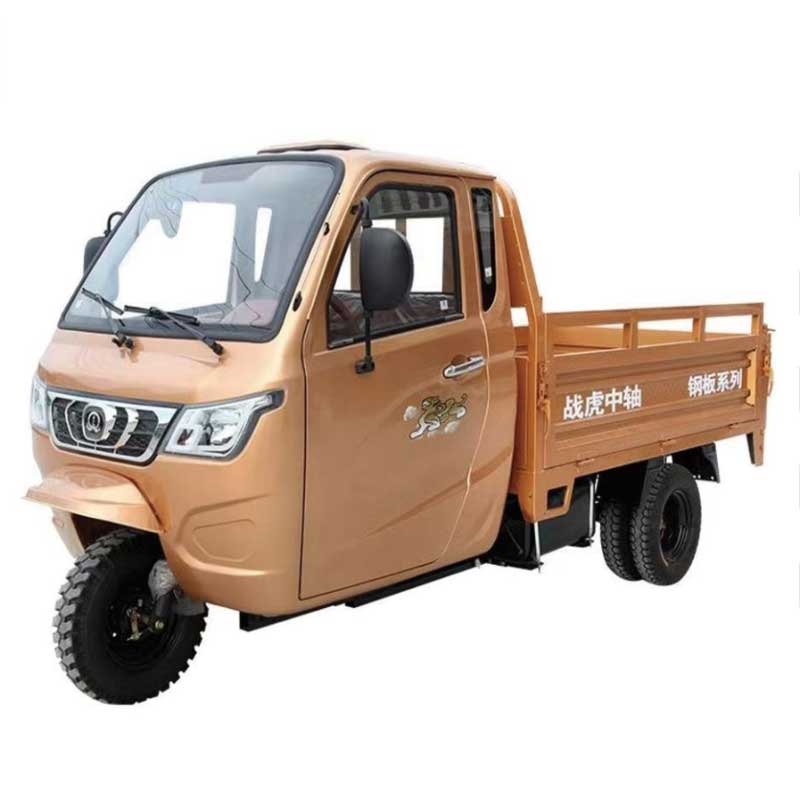
yellow Semi-Covered Three-Wheel Cargo Tricycle
-
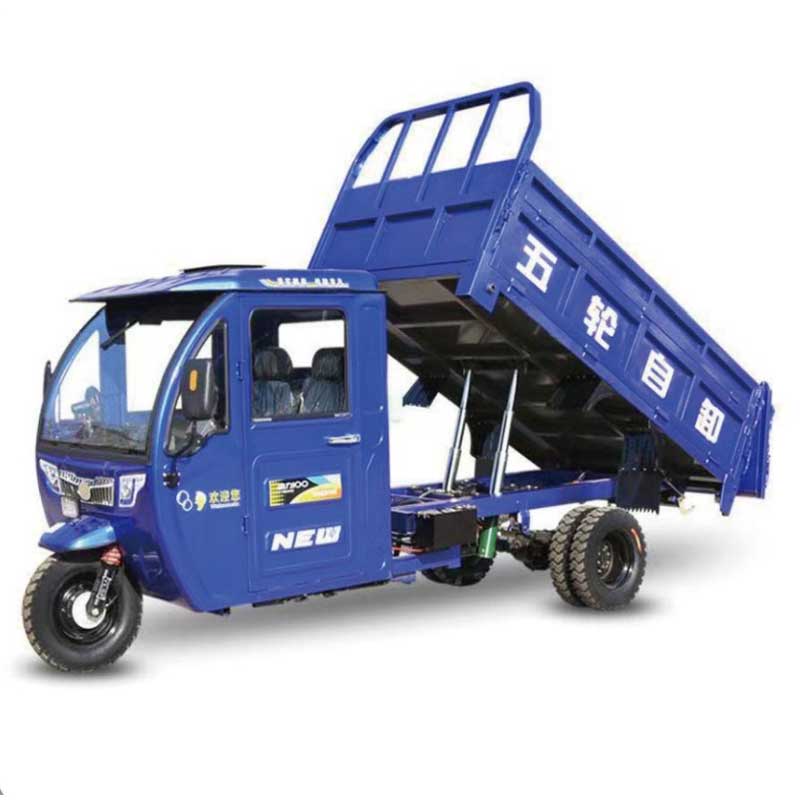
blue Semi-Covered Three-Wheel Cargo Tricycle
-
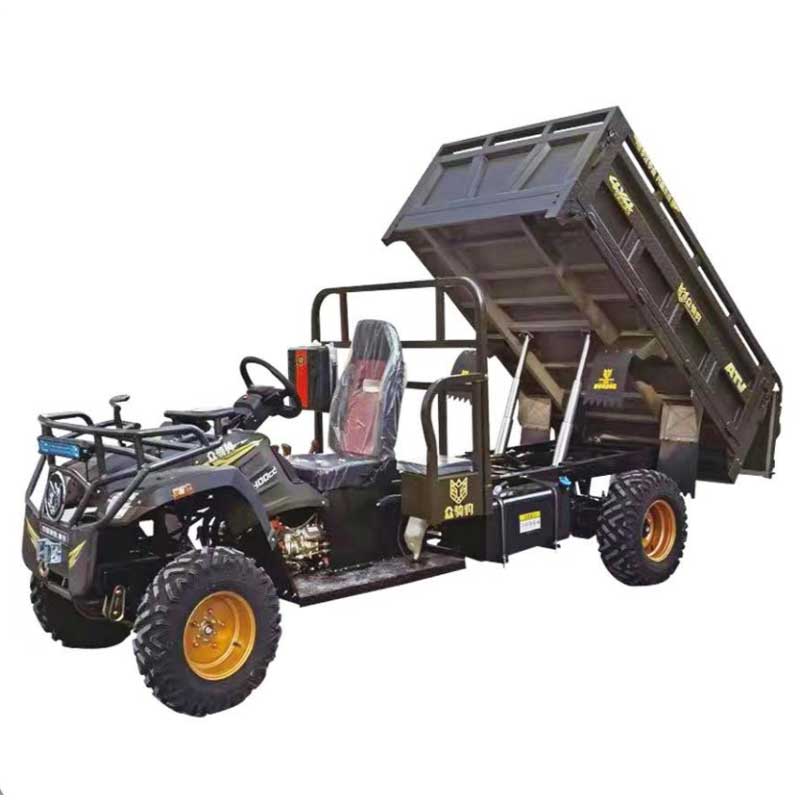
Military route color Semi-Covered Three-Wheel Cargo Tricycle
-
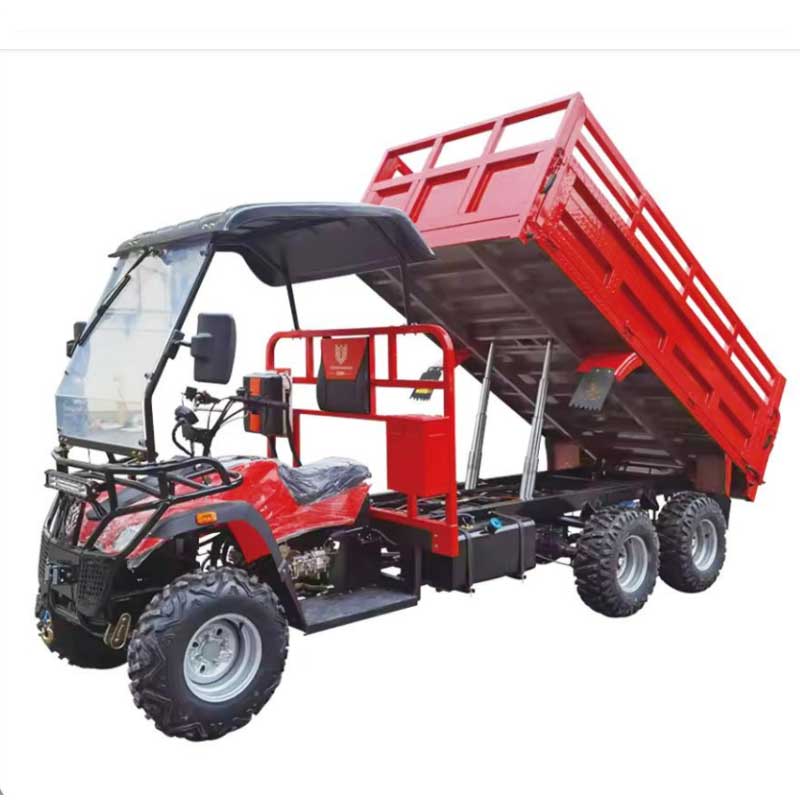
red Semi-Covered Three-Wheel Cargo Tricycle
Renqiu Xianyue Motorcycle Co., Ltd.
Copyright © 2026-2027 https://www.xuanyuetricycle.com. All Rights Reserved Renqiu Xuanyue Motorcycle Co., Ltd.