

 Current location:
NEWS INFORMATION
NEWS INFORMATION
Passenger Three Wheeler vs Minibus Comparison
author:xuanyue date:2026-08-08 16:41:32 click:100
Moving people through a growing city is rarely a one-vehicle problem. The passenger three wheeler and the minibus occupy adjacent but separate lanes of the public and semi-public transport market, and the wrong choice at procurement time can lock an operator into years of unfavorable economics. Having spent time on both factory floors and municipal planning meetings, I can say the decision comes down to route density, fare structure, and how much you are willing to spend on drivers.
Two Different Approaches to Urban People Movement
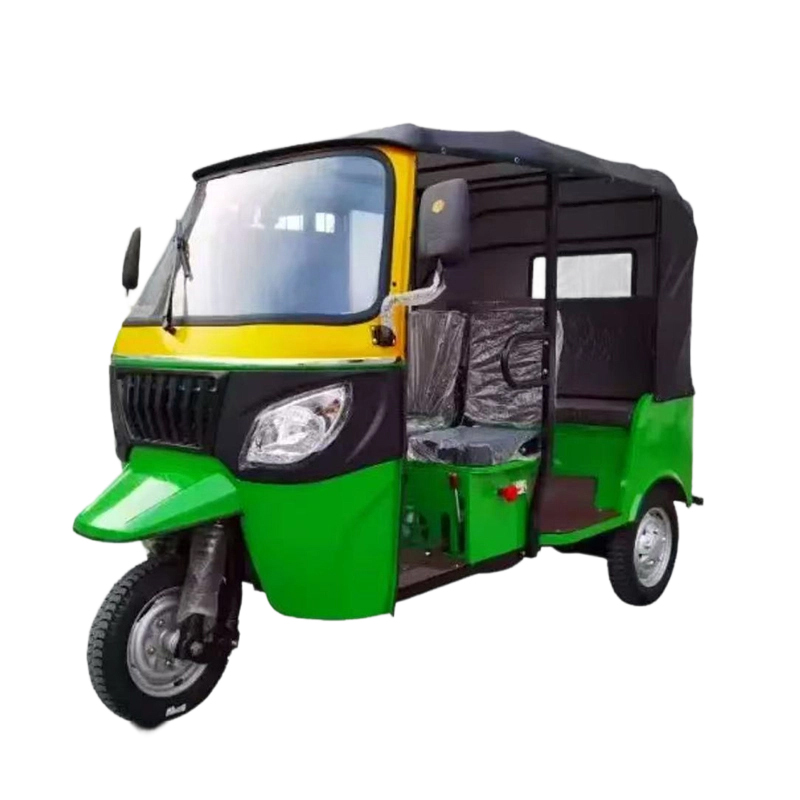
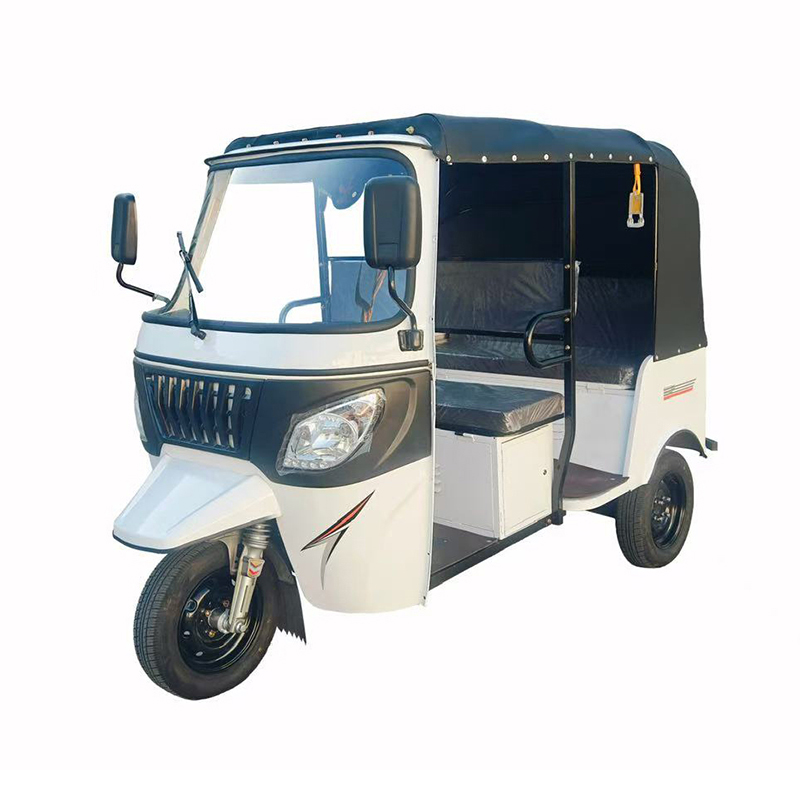
A passenger three wheeler is a three-wheeled, 3–6 seat vehicle built on a motorcycle or purpose-designed chassis. A minibus seats 12–30 on a four-wheeled light commercial platform. The three wheeler thrives on thin, irregular demand where a half-empty minibus would bleed money; the minibus wins on trunk routes with steady passenger flow. Suppliers position the three wheeler as the "first mile" connector, the minibus as the "spine" of a network.
Capacity and Seating Layout
This is where the math bites. A passenger three wheeler carries 3–6 paying passengers plus the driver. A minibus carries 11–29. On a route averaging 40 boardings per hour, you need roughly 8–10 three wheelers or 2 minibuses. The three wheeler solution costs less in capital but demands more units, more drivers, and more road space per passenger. The minibus consolidates that into fewer, larger vehicles with lower per-seat operating cost once utilization climbs above 60%.
Total Cost of Ownership
Acquisition tells part of the story: a passenger three wheeler runs USD 2,500–6,000; a minibus USD 18,000–45,000. But the operating ledger diverges further. Three wheeler fuel or energy cost is USD 0.08–0.14 per km; minibus diesel is USD 0.18–0.28 per km. Driver wages, however, flip the comparison—a minibus needs a commercial license holder paid 30–60% more per shift, whereas a passenger three wheeler driver often holds a standard license. Over five years at moderate utilization, the three wheeler's per-seat-mile cost stays 20–40% below the minibus on low-density routes.
Licensing and Driver Requirements
Regulatory friction matters more than operators expect. The passenger three wheeler usually sits in the L5e/L7e class, accessible to standard-license drivers in most jurisdictions. Minibuses require a commercial (PCV) license, periodic tachograph compliance, and often a higher insurance tier. For startups and small cooperatives, the lighter licensing burden of the three wheeler shortens the path from purchase to first fare.
Passenger Comfort and Ride Quality
No pretending here: a minibus rides better. Independent suspension, four wheels, and a longer wheelbase absorb potholes that a passenger three wheeler transmits straight to the seat. On routes under 5 km with decent surfacing, passengers tolerate the three wheeler readily and often enjoy the open-air experience. On 15–30 km commutes, the minibus's comfort advantage translates into repeat ridership and fewer complaints.
Where Each Vehicle Wins
Deploy a passenger three wheeler on feeder routes, informal settlements, tourist loops, and night-shift short hauls where demand is sparse but real. Deploy minibuses on arterial commuter corridors, airport links, and school contracts where volume is predictable. Manufacturers increasingly offer both from a single catalog, letting fleet buyers standardize maintenance across a mixed garage.
Supplier and Manufacturer Considerations
When you approach a supplier, ask about chassis commonality, shared parts between their three wheeler and minibus lines, and whether the factory provides driver-training material. A manufacturer that supports both platforms can simplify your procurement and reduce long-term parts inventory. Confirm warranty terms scale with fleet size—volume buyers should secure 18–24 month coverage, not the bare 12.
FAQ
Which is better for a new transport startup?
The passenger three wheeler. Lower capital, lighter licensing, and the ability to start with 2–3 units let a new operator test demand before scaling.
Can a passenger three wheeler handle a minibus route?
Not economically. Below 60% utilization, the three wheeler's per-seat cost stays competitive, but a high-volume corridor needs the minibus's capacity to avoid running an impractical number of units.
What about electric versions of both?
Both are available electric. A passenger three wheeler with a 1.5–3 kW motor covers 80–130 km per charge; electric minibuses need larger packs and longer recharge windows, which complicates scheduling.
Is insurance cheaper for the three wheeler?
Typically yes—15–35% lower premiums than a minibus, reflecting lower passenger capacity and claim exposure.
How long do these vehicles last in commercial service?
A well-maintained passenger three wheeler reaches 100,000–150,000 km or 6–8 years. Minibuses run 300,000–500,000 km over 8–12 years with heavier maintenance investment.
Conclusion
The passenger three wheeler and the minibus are not rivals so much as complementary layers of a transport system. Pick the three wheeler where demand is thin, capital is tight, and flexibility matters; pick the minibus where volume is proven and comfort drives loyalty. Operators who build a layered fleet—three wheelers feeding minibus corridors—capture both efficiency and coverage. Talk to your manufacturer about mixed-platform support before you commit.
References
Kumar, M., & Singh, V. (2023). "Informal Public Transport in Developing Countries: The Role of Three-Wheeled Vehicles." Transport Reviews, 43(4), 567–589.
World Bank. (2024). "Urban Mobility and Intermediate Transport Modes." World Bank Transport Papers, No. 201.
Behrendt, F., & Aditjandra, P. (2022). "Electric Three-Wheeler Transition in Asian Cities." Journal of Transport Geography, 104, 103–118.
UITP. (2024). "Informal Transport Integration: Guidelines for Municipal Authorities." UITP Technical Reports, No. 78.
-
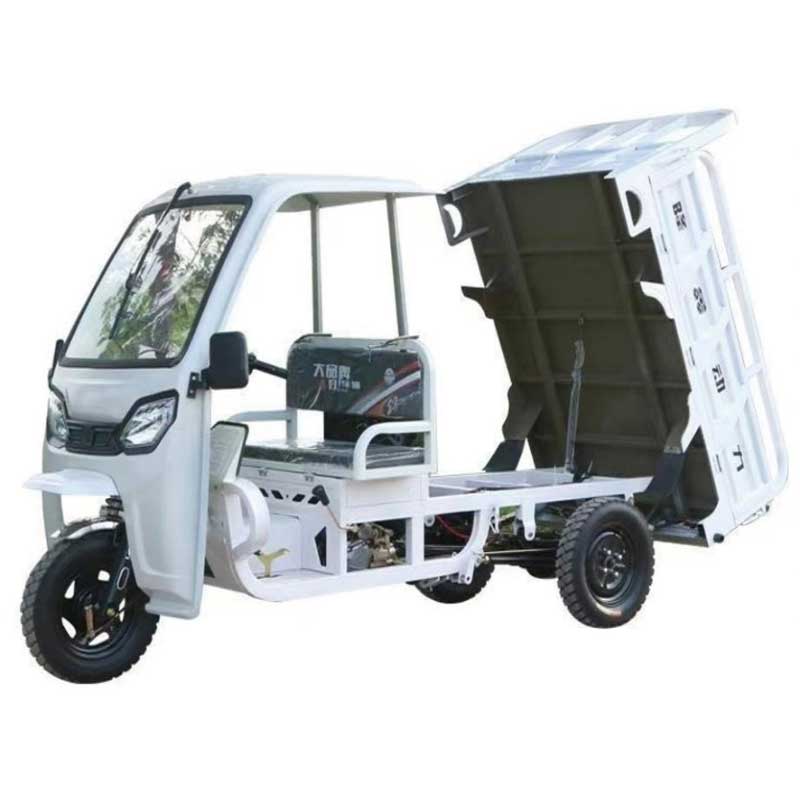
White Semi-Covered Three-Wheel Cargo Tricycle
-
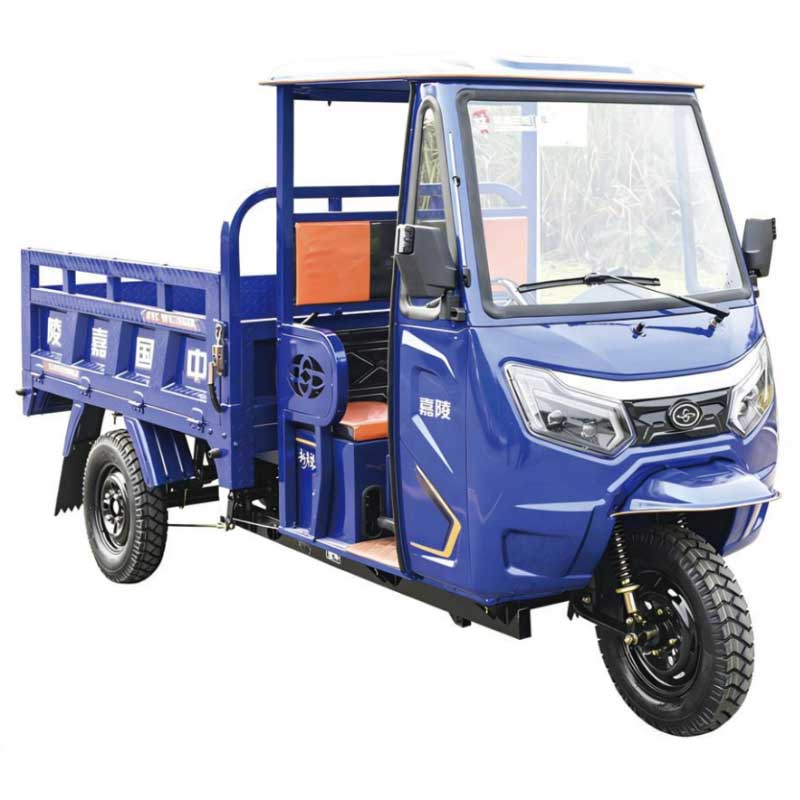
blue Semi-Covered Three-Wheel Cargo Tricycle
-
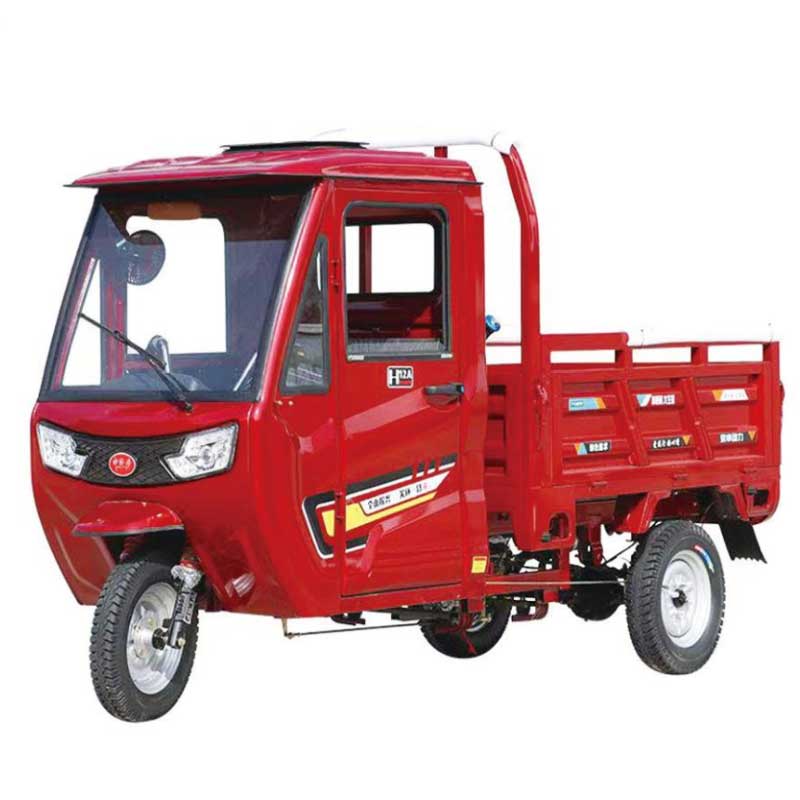
red Semi-Covered Three-Wheel Cargo Tricycle
-
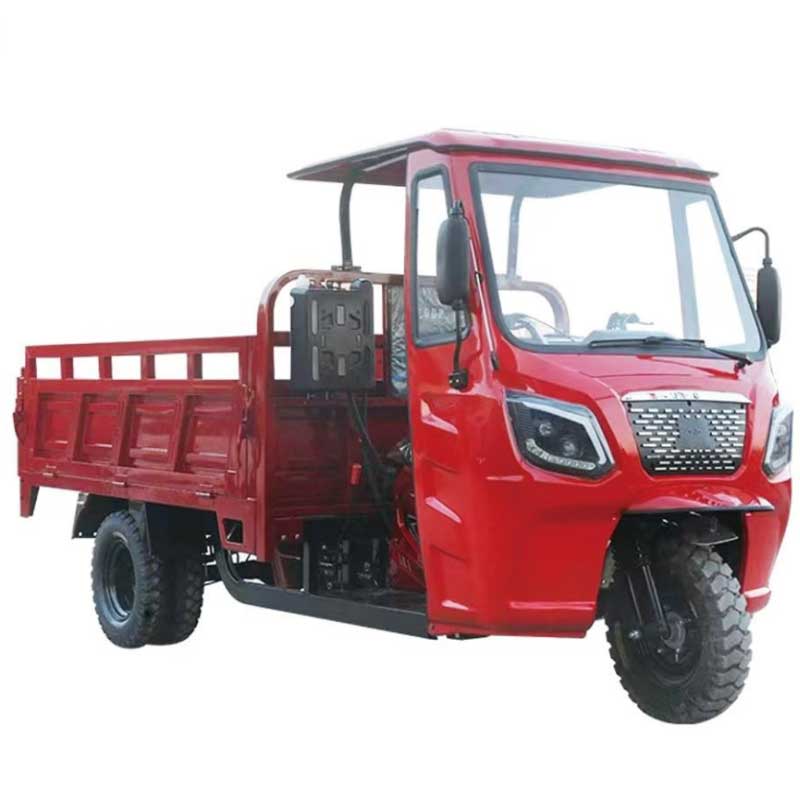
red Semi-Covered Three-Wheel Cargo Tricycle
-
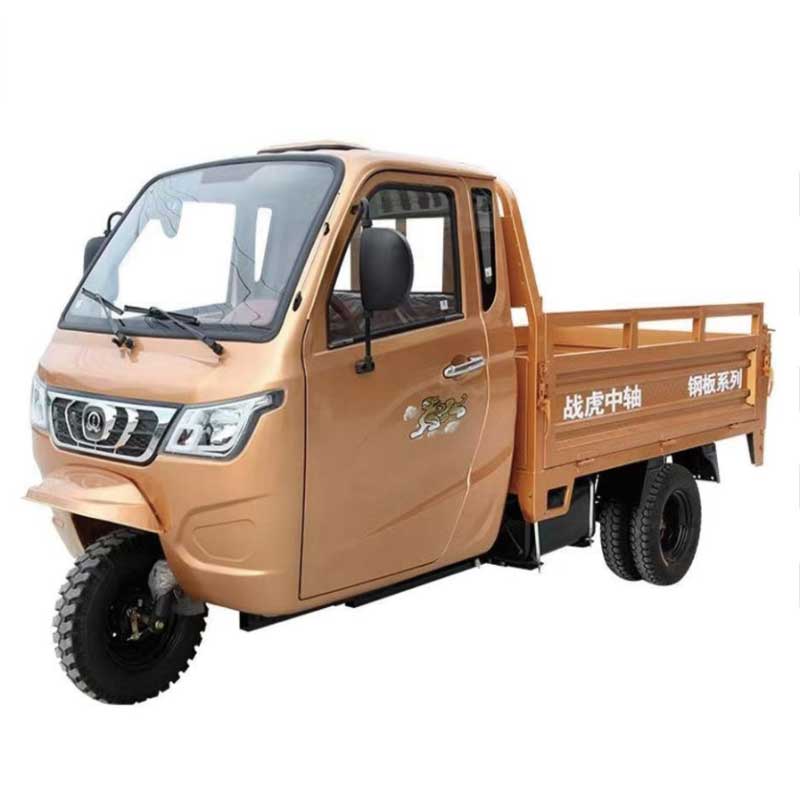
yellow Semi-Covered Three-Wheel Cargo Tricycle
-
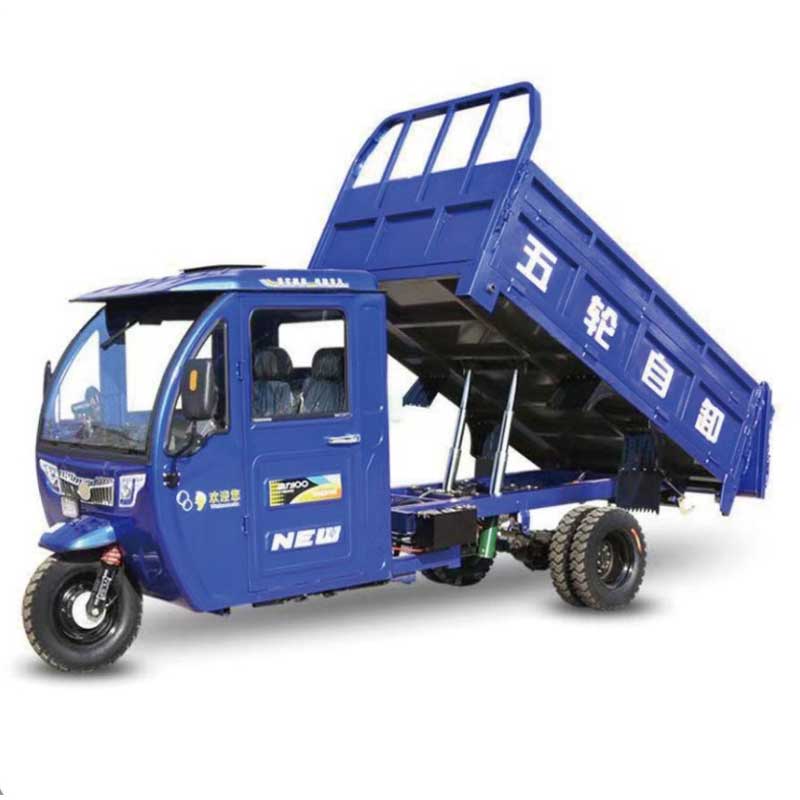
blue Semi-Covered Three-Wheel Cargo Tricycle
-
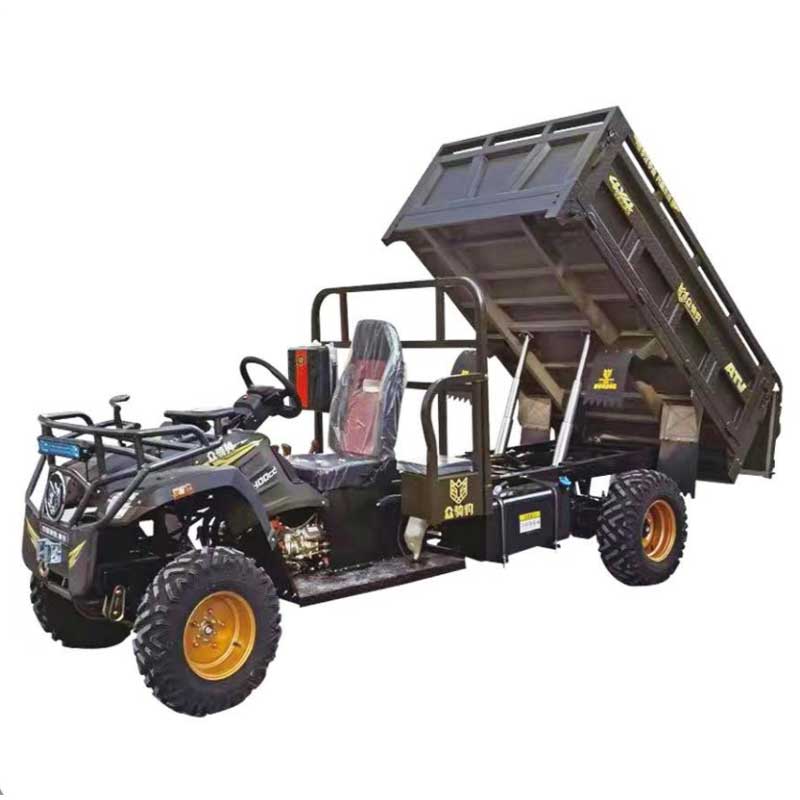
Military route color Semi-Covered Three-Wheel Cargo Tricycle
-
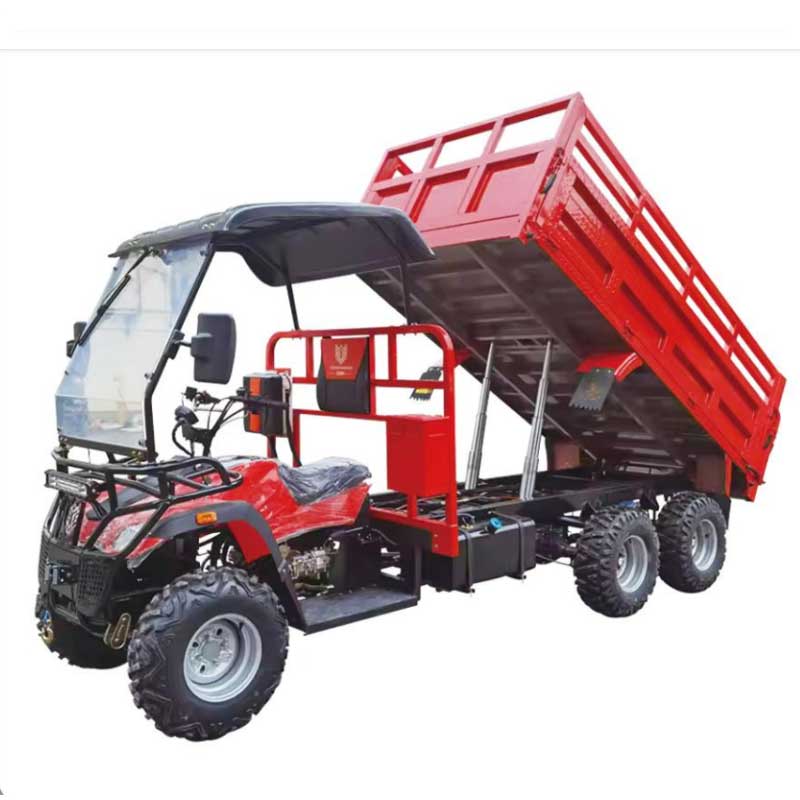
red Semi-Covered Three-Wheel Cargo Tricycle
Renqiu Xianyue Motorcycle Co., Ltd.
Copyright © 2026-2027 https://www.xuanyuetricycle.com. All Rights Reserved Renqiu Xuanyue Motorcycle Co., Ltd.