

 Current location:
NEWS INFORMATION
NEWS INFORMATION
Passenger Auto Rickshaw Market Trends 2026: Analysis and Outlook
author:xuanyue date:2026-09-10 18:36:54 click:129
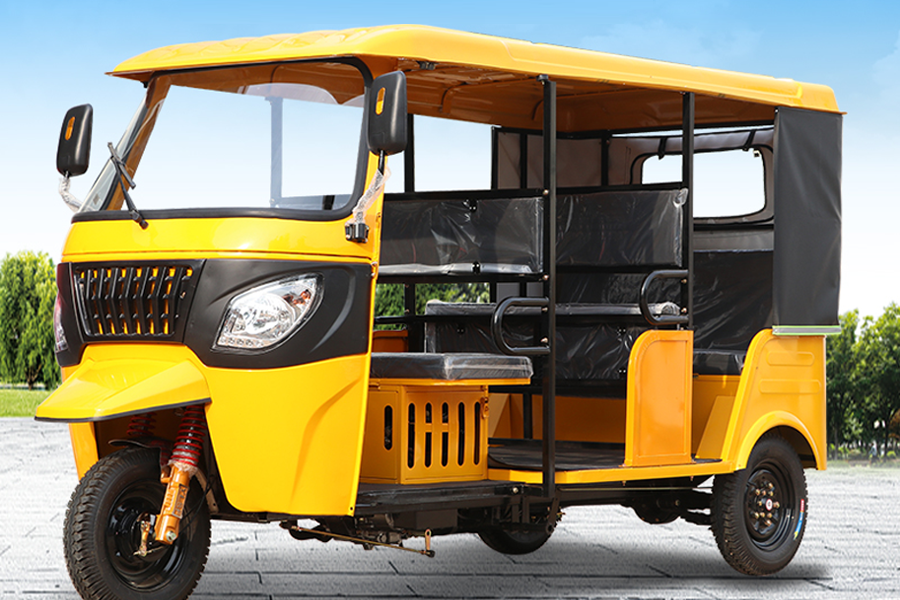
The passenger auto rickshaw market — a segment defined by three-wheeled vehicles carrying 3–6 passengers in urban and semi-urban transport — has operated largely under the radar of mainstream automotive analysis for decades. That is changing. With global production crossing 3.2 million units annually and the electric share climbing from under 5% to an estimated 25–35% in key markets over the past five years, the sector is attracting serious procurement and investment attention. Understanding where the market is heading in 2026 requires separating genuine structural signals from cyclical noise.
Market Size and Growth Dynamics
Asia-Pacific accounts for roughly 78–82% of global passenger auto rickshaw production and sales, with India, Bangladesh, Vietnam, the Philippines, and Indonesia representing the dominant demand centers. African markets — particularly Nigeria, Kenya, Tanzania, and Egypt — account for 8–12% and are growing at 6–10% annually, driven by urbanisation and the absence of formal public transport alternatives. Latin American demand centers on Colombia, Peru, and Brazil, where the vehicle competes with minibuses on informal commuter corridors.
Three structural forces are expanding the addressable market. First, cities across Asia and Africa are growing without proportional investment in formal bus or rail infrastructure, creating a persistent transport gap that three-wheelers fill. Second, ride-hailing platforms have formalised and digitised informal three-wheeler taxi services, improving driver income reliability and attracting new operators. Third, emission regulation in major cities is pushing fleet operators toward electric models, creating a replacement cycle that is expanding production beyond organic demand growth.
The Electrification Trend: Where the Market Is Moving
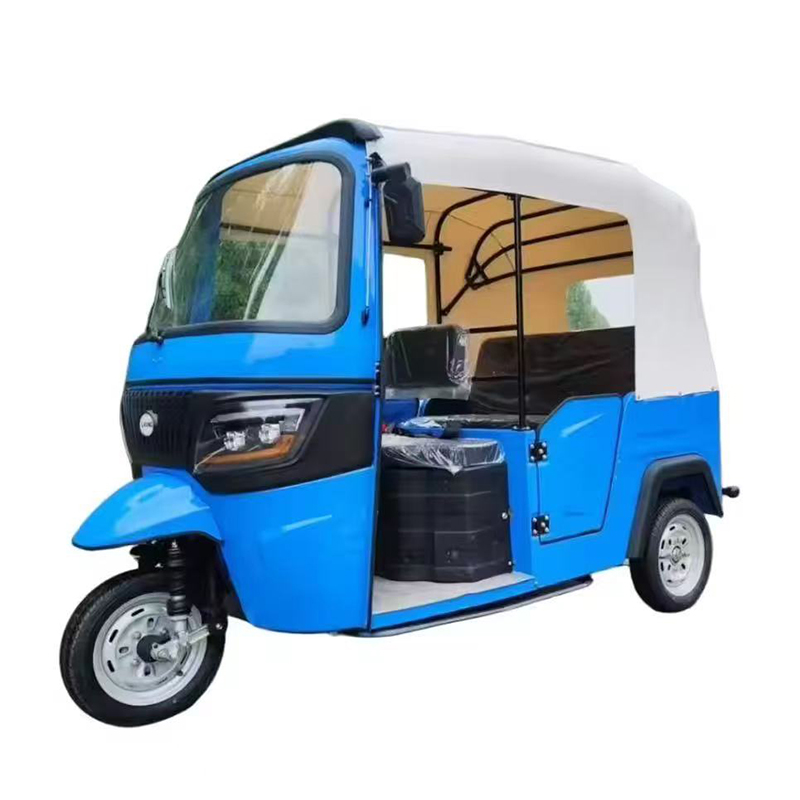
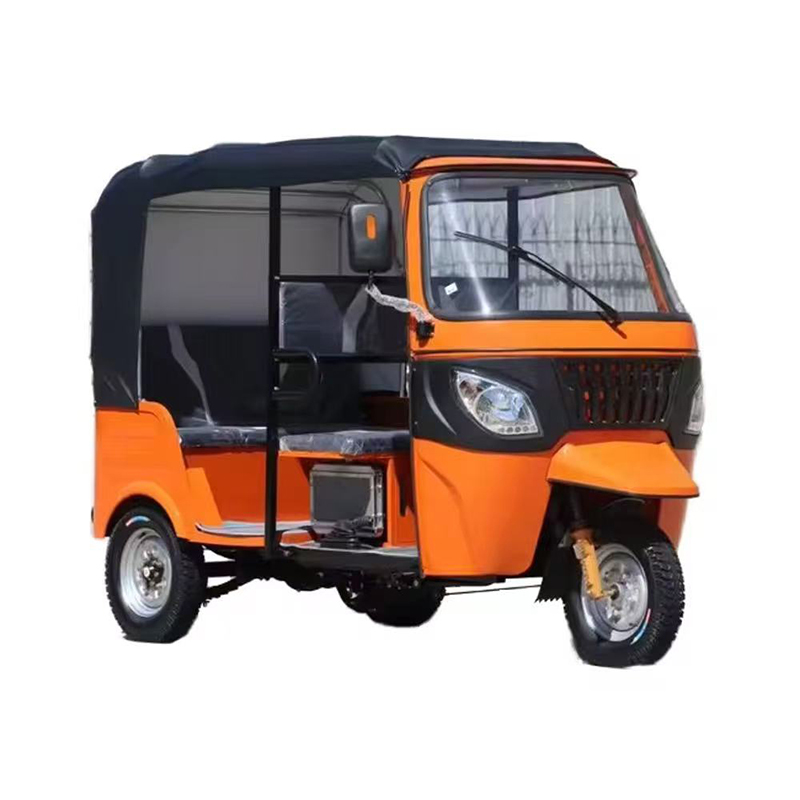
The single most consequential shift in the passenger auto rickshaw market is electrification. Electric passenger auto rickshaw models now represent 25–35% of new sales in India and Vietnam, up from under 5% in 2019. Bangladesh has set a 2030 target for full electrification of three-wheeler transport in urban areas, triggering aggressive subsidy programs and charging infrastructure investment. Chinese manufacturers have established a significant technology lead in lithium-ion battery integration, motor controller efficiency, and regenerative braking — capabilities that are now diffusing to South and Southeast Asian factories through technology licensing and component supply relationships.
For fleet buyers and distributors, the electrification trend creates both opportunity and complexity. Electric passenger auto rickshaw vehicles carry 20–40% higher acquisition cost than their petrol equivalents, but energy cost savings of 60–75% and maintenance cost reductions of 40–55% typically recover the premium within 18–30 months of commercial operation. The total cost of ownership curve now favors electric for most urban duty cycles, and procurement decisions are increasingly driven by that math rather than subsidy availability alone.
Regional Demand Patterns in 2026
South Asia — India, Bangladesh, Pakistan, Nepal, and Sri Lanka — remains the engine of global demand, with annual regional production and sales estimated at 2.4–2.8 million units. Within this, India has seen the fastest electrification pace, driven by state-level subsidy programs, FAME II federal incentives, and aggressive targets from ride-hailing aggregators. Bangladesh is emerging as a significant import and assembly market, with local CKD (completely knocked down) operations scaling rapidly to circumvent high finished-vehicle import duties.
Southeast Asia presents a bifurcated picture. Vietnam and the Philippines are strong growth markets with minimal regulatory push toward electrification, creating near-term demand that skews toward affordable petrol models. Indonesia's large motorcycle-taxi (ojek) culture has historically limited three-wheeler uptake, but government programs promoting three-wheelers as formal first-mile connectors are beginning to shift the market. Thailand has shifted almost entirely to electric models in urban applications, driven by government fleet mandates and attractive purchase subsidies.
African markets in 2026 are predominantly petrol and diesel, with electric passenger auto rickshaw adoption at 2–6% of new sales. This share is expected to climb to 15–25% by 2030 as battery costs decline, charging infrastructure matures, and development finance institutions co-finance green transport fleets. Nigeria, Kenya, and Ghana are the priority markets for early electric adoption due to urban density and active government green transport programs.
Competitive Landscape and Supply-Side Dynamics
The passenger auto rickshaw manufacturing base has consolidated around three tiers. The first tier consists of large-scale OEMs with annual production exceeding 50,000 units, comprehensive certification coverage, and established export distribution networks. These factories offer the broadest model range, deepest after-sales networks, and highest probability of spare-parts availability five years after purchase. The second tier comprises mid-sized regional manufacturers with 10,000–50,000 annual unit capacity, typically serving domestic markets or adjacent export regions with fewer certifications but competitive pricing. The third tier consists of small-scale assemblers serving local demand with limited export capability.
For procurement teams, the consolidation dynamic matters: as electrification drives technology differentiation, the gap between tier-one and tier-three manufacturers on electric model quality is widening. Battery management system sophistication, motor efficiency, and charging connector standardisation are not capabilities that small assemblers can replicate overnight, and the cost of getting these wrong falls on the fleet operator.
What the 2026 Trends Mean for Fleet Buyers and Distributors
Three practical implications emerge from the current market dynamics. First, the acquisition cost premium for electric passenger auto rickshaw vehicles is narrowing rapidly as production volumes scale — the 2024 premium of 35–50% over petrol equivalents has compressed to 20–35% in 2026, and the trajectory points toward near-parity by 2028–2030. Fleet buyers with a three-to-five-year vehicle replacement cycle should factor this declining premium into their procurement timing decisions.
Second, after-sales infrastructure — particularly battery service and replacement — is becoming a primary competitive differentiator among suppliers. A factory that can provide battery health monitoring, modular replacement, and a five-year replacement commitment represents materially lower operational risk than one that cannot. Procurement teams should evaluate supplier after-sales commitments with the same rigor applied to vehicle specifications.
Third, regulatory compliance is increasingly complex across markets. Emission standards, vehicle classification, safety certification, and operating permit frameworks vary significantly by jurisdiction, and a vehicle certified for India may not automatically qualify for Bangladesh or African import registration. Distributors and importers should verify exact certification requirements against destination market type-approval standards before committing to volume orders.
FAQ
What is driving the electrification of passenger auto rickshaw markets?
The primary drivers are urban air quality regulations, declining lithium-ion battery costs (down approximately 85% since 2010), government subsidy programs in India, Bangladesh, and several Southeast Asian markets, and ride-hailing platform requirements for zero-emission vehicle deployment.
Which regions represent the largest markets for passenger auto rickshaw in 2026?
South Asia accounts for 60–65% of global demand, with India alone representing 45–50% of worldwide production. Southeast Asia and Africa each account for 8–12%, with Africa showing the fastest growth rate at 6–10% annually.
Is the electric passenger auto rickshaw cheaper to operate than petrol?
Yes, for most urban duty cycles. Electric models reduce energy cost by 60–75% and maintenance cost by 40–55%, recovering the acquisition premium within 18–30 months. The total cost of ownership advantage widens further as battery costs continue to decline.
What certifications are required for importing passenger auto rickshaw vehicles?
Certification requirements vary by destination market. Common requirements include CMVSS, ECE R56 (lighting), and local emission standards. Importers should verify exact type-approval requirements with the destination country's vehicle certification authority before placing orders.
How is ride-hailing platform integration changing the passenger auto rickshaw market?
Platforms such as Grab, Uber, and local equivalents have formalised three-wheeler taxi services, improving driver income predictability, enabling digital dispatch, and creating fleet-scale operators who procure vehicles in volume. This is accelerating the shift toward electric models through large-scale purchase commitments that improve OEM economics on electric platforms.
Conclusion
The passenger auto rickshaw market in 2026 is defined by a structural shift toward electrification, geographic expansion in Africa and Southeast Asia, and increasing consolidation among manufacturers around technology-differentiated electric platforms. Fleet buyers and distributors who understand these dynamics — and who evaluate suppliers on battery technology, after-sales infrastructure, and certification coverage — are positioned to capture the opportunity ahead. The market is growing and modernising; the buyers who engage with that reality first will have the best access to the models, volumes, and supply relationships that matter.
References
Kumar, M., & Singh, V. (2023). "Informal Public Transport in Developing Countries: The Role of Three-Wheeled Vehicles." Transport Reviews, 43(4), 567–589.
World Bank. (2024). "Urban Mobility and Intermediate Transport Modes: Policy Framework for Three-Wheeler Integration." World Bank Transport Papers, No. 201.
Behrendt, F., & Aditjandra, P. (2022). "Electric Three-Wheeler Transition in Asian Cities: Economic and Environmental Assessment." Journal of Transport Geography, 104, 103–118.
International Energy Agency. (2024). "Electric Mobility Outlook 2024: Two and Three-Wheeler Electrification Trends." IEA Publications, Paris.
UITP. (2024). "Informal Transport Integration: Guidelines for Municipal Authorities." UITP Technical Reports, No. 78.
-
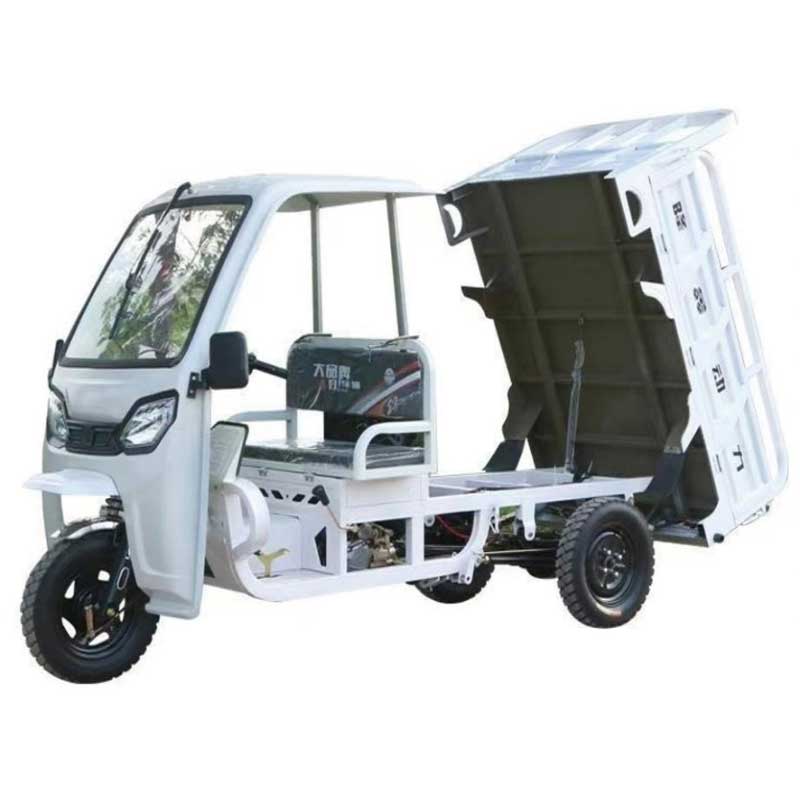
White Semi-Covered Three-Wheel Cargo Tricycle
-
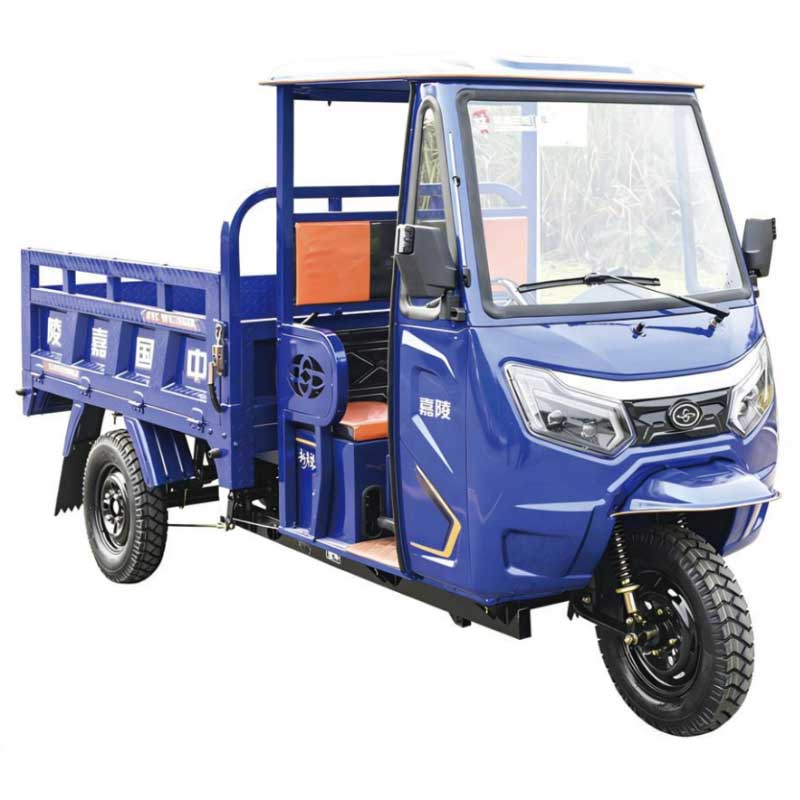
blue Semi-Covered Three-Wheel Cargo Tricycle
-
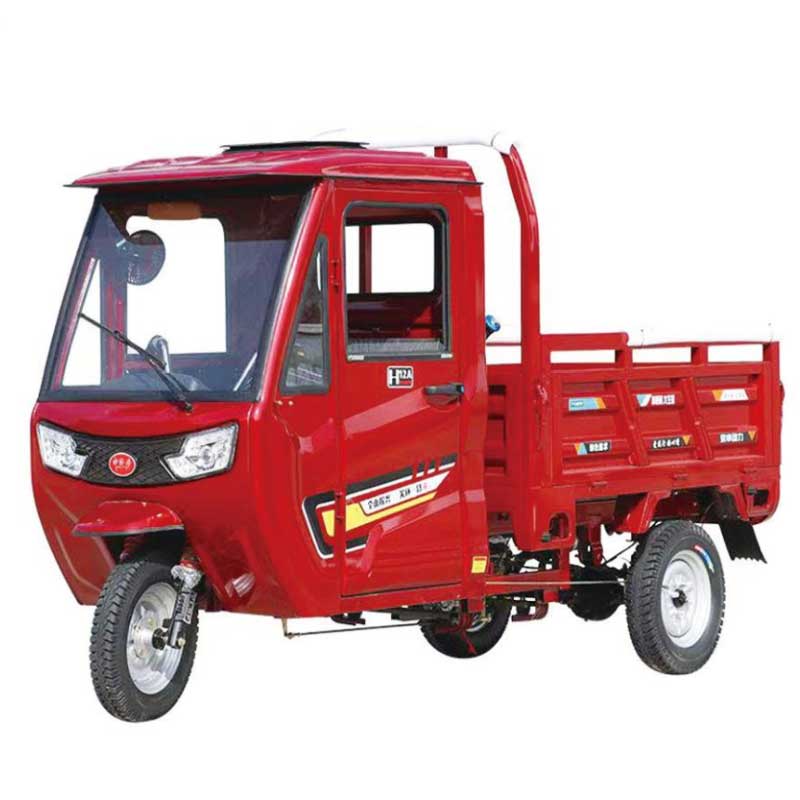
red Semi-Covered Three-Wheel Cargo Tricycle
-
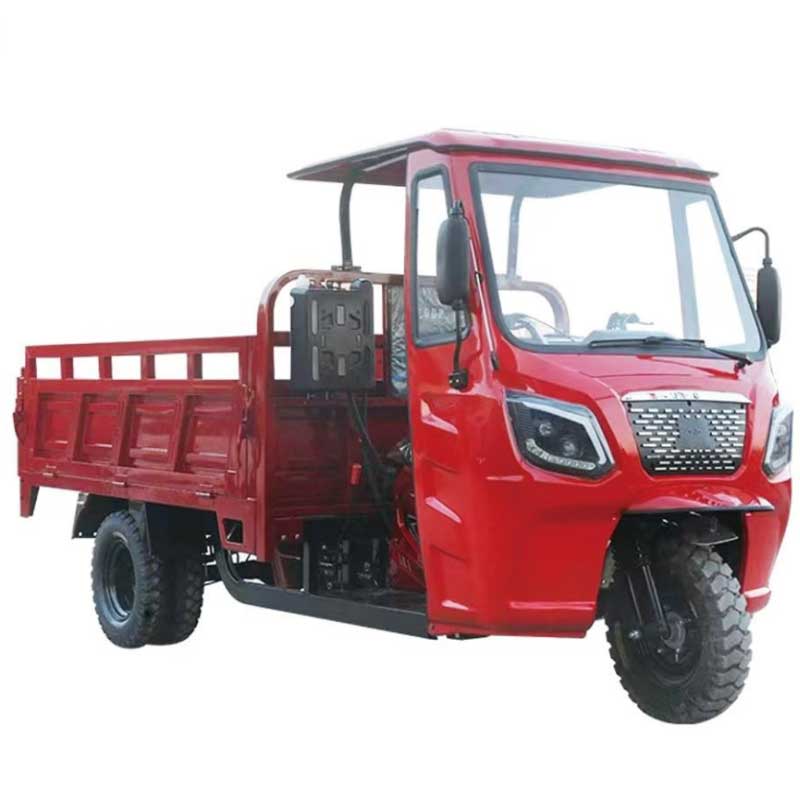
red Semi-Covered Three-Wheel Cargo Tricycle
-
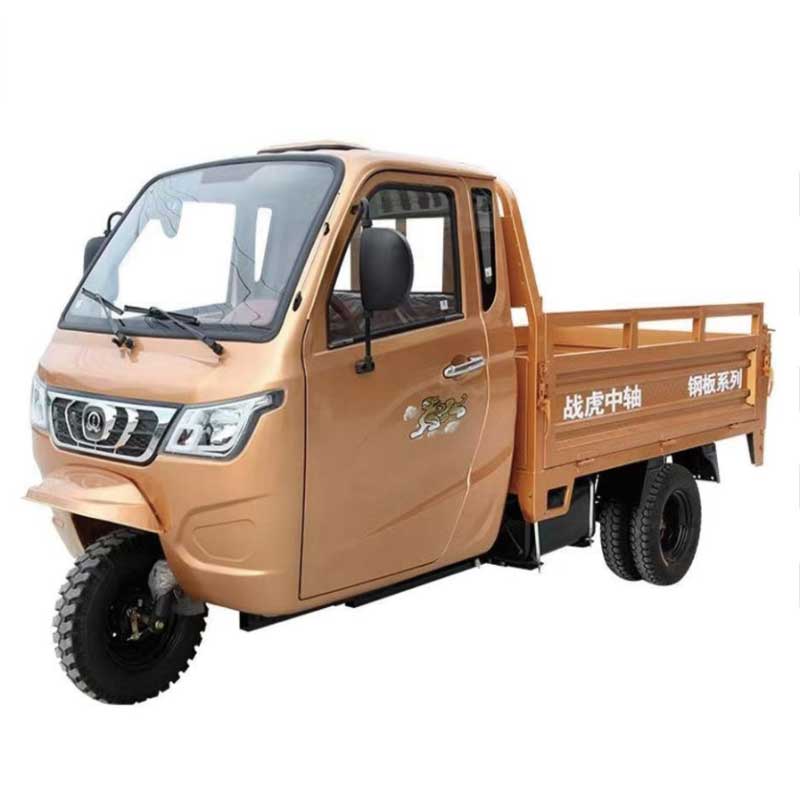
yellow Semi-Covered Three-Wheel Cargo Tricycle
-
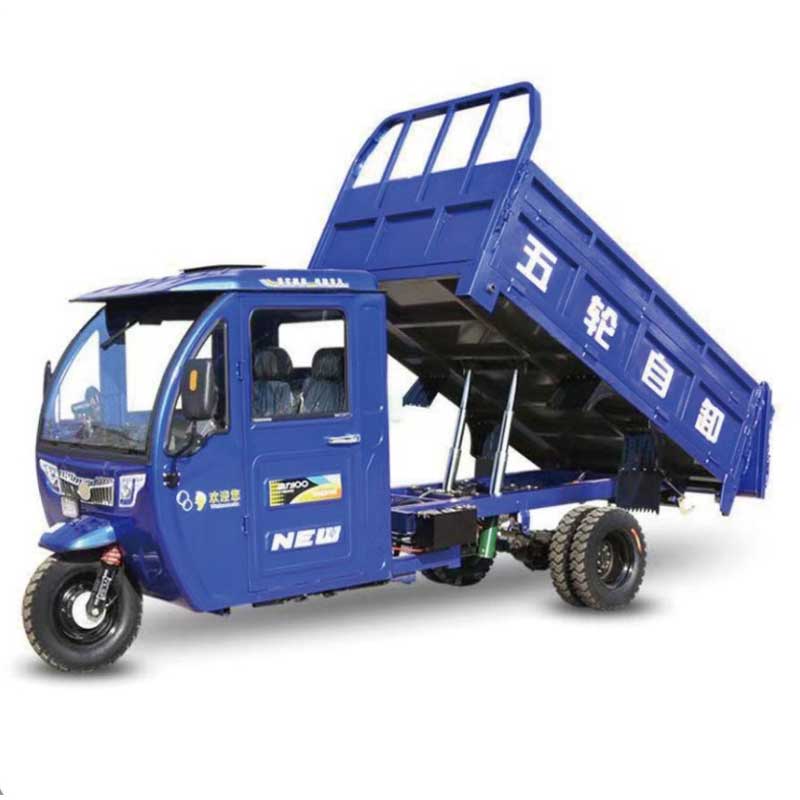
blue Semi-Covered Three-Wheel Cargo Tricycle
-
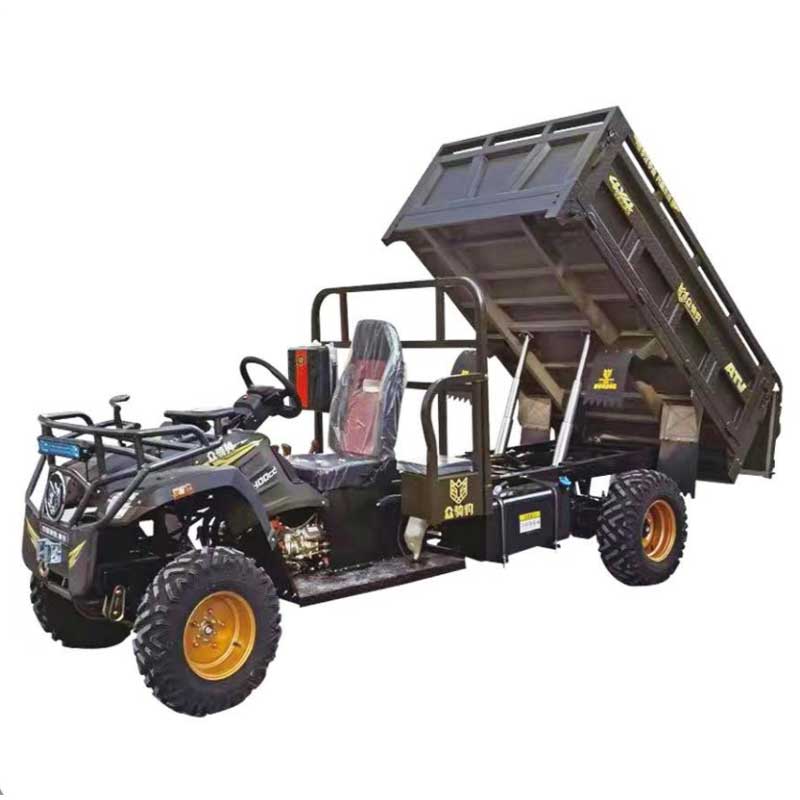
Military route color Semi-Covered Three-Wheel Cargo Tricycle
-
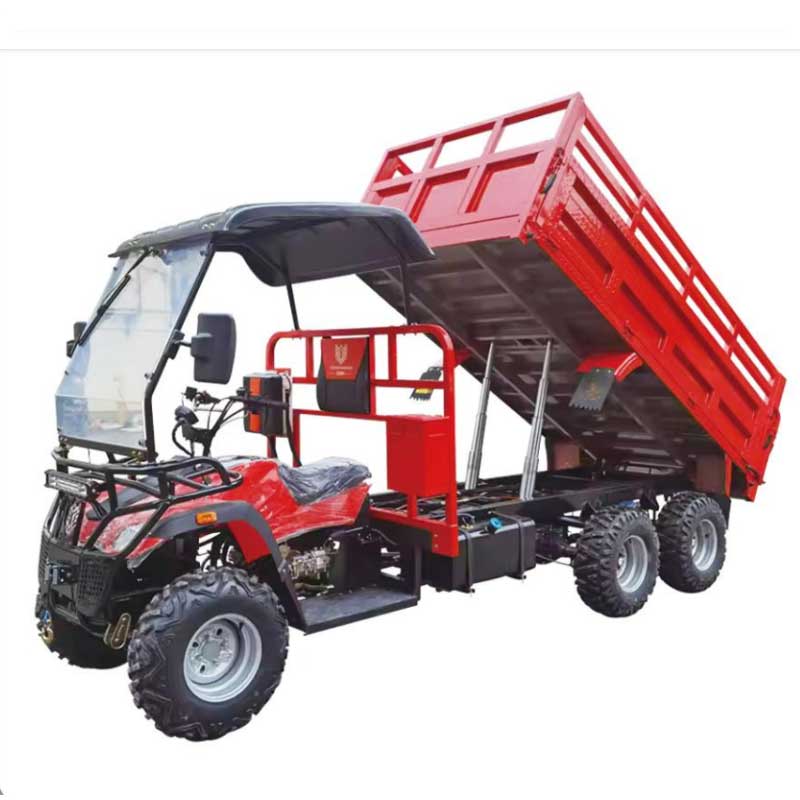
red Semi-Covered Three-Wheel Cargo Tricycle
Renqiu Xianyue Motorcycle Co., Ltd.
Copyright © 2026-2027 https://www.xuanyuetricycle.com. All Rights Reserved Renqiu Xuanyue Motorcycle Co., Ltd.