

 Current location:
NEWS INFORMATION
NEWS INFORMATION
Motorized Tricycle for Rural Transportation: Complete Guide
author:xuanyue date:2026-08-15 19:56:53 click:140
There is a road economics problem that urban planners rarely discuss in public: conventional bus service does not reach profitability below a certain passenger density, and most rural and peri-urban communities sit well below that threshold. The result is a transport gap that keeps agricultural products from reaching buyers, prevents small traders from accessing wholesale markets, and forces rural residents to walk long distances for basic services. A motorized tricycle does not solve this structural problem, but it narrows it—delivering meaningful mobility at a cost structure that works for communities where the average daily income is a fraction of what urban residents earn.
The Rural Transport Gap and Who Pays For It
When a mango farmer in a river delta region cannot get their produce to a market more than 15 km away within three hours, the spoilage cost alone eats most of the margin. When a school-age child walks 8 km to a secondary school, the opportunity cost compounds over years. Conventional rural transportation solutions—buses, mini-buses, pick-up trucks on shared-hire—work on corridors with enough traffic to support them. Where that traffic thins out, the motorized tricycle becomes the only vehicle that will show up regularly, because its operating cost per kilometer is low enough to sustain a fare that rural passengers can afford to pay.
Vehicle Engineering for Rural Terrain: What Matters
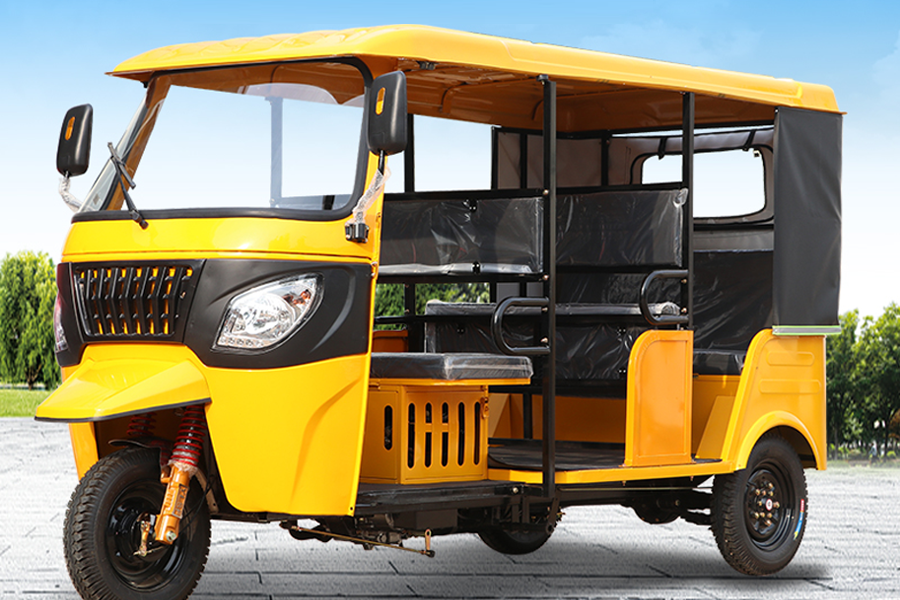
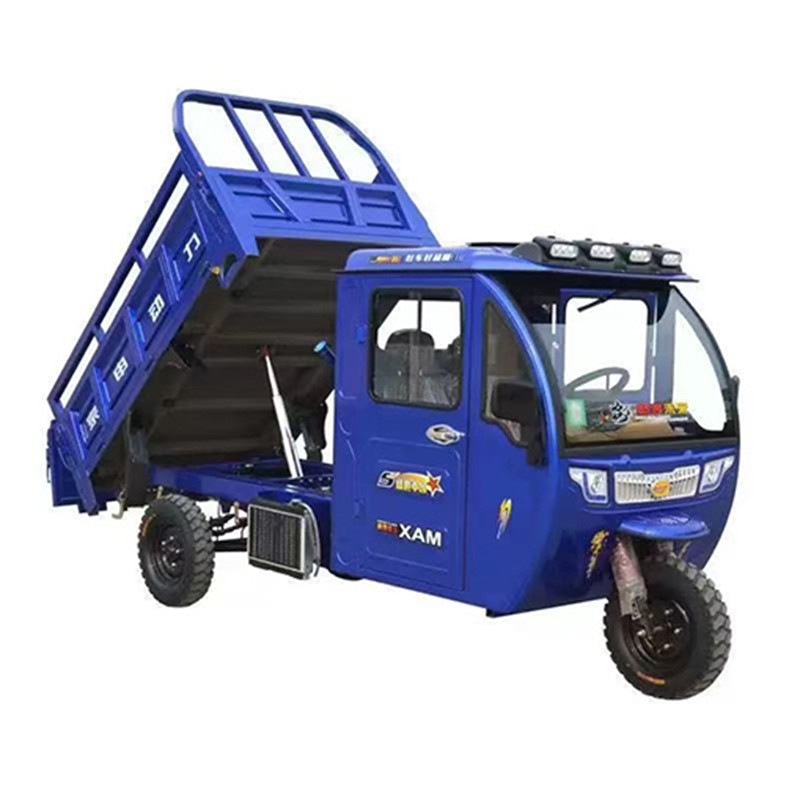
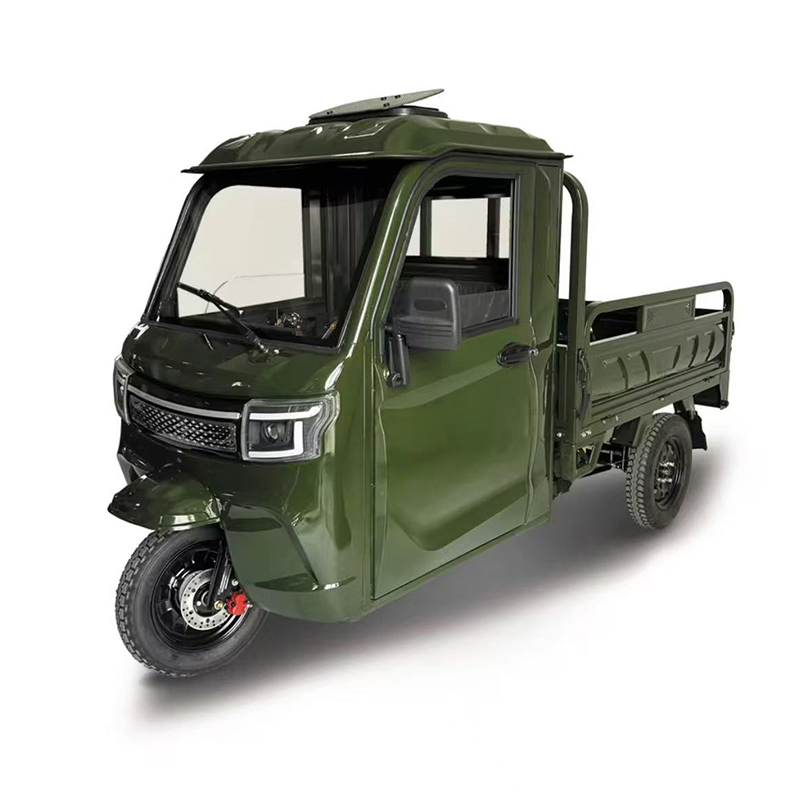
A motorized tricycle built for rural use is not the same as an urban delivery trike. The critical engineering differences are: ground clearance of 180–250 mm minimum to handle unpaved tracks and seasonal flooding; suspension travel of 150–200 mm to absorb rutted surfaces without breaking cargo or rattling drivers; wheel configurations of 4.00-12 or 4.50-12 for load rating and puncture resistance; and engine or motor protection plates to shield the drivetrain from water and dust. Suppliers who sell urban-spec units into rural markets without flagging the difference are not doing their customers a favor.
Load Capacity for Agricultural and Trade Cargo
A motorized tricycle configured for rural transportation typically carries 300–600 kg in rear cargo box or platform configuration. That capacity suits bagged grain, livestock feed, construction materials, water containers, and bundled produce—commodities that define rural trade. The open-cab design allows loading from either side and unloading by gravity or hand trolley, which matters when time is constrained by daylight hours in communities without reliable electricity for evening work.
Fuel and Energy Choice in Off-Grid Settings
Electric motorized tricycle models are compelling in theory but face real practical constraints in rural transportation applications: charging infrastructure is sparse, grid reliability is poor in many rural districts, and a stranded electric trike is a far more serious problem when the nearest mechanic is 80 km away. Petrol and diesel models with simple carbureted or basic fuel-injection engines remain the pragmatic choice for deep rural deployment. Solar charging stations and battery-swap depots are growing in coverage but are not yet reliable enough to anchor a commercial rural transport operation.
The Economics That Make Rural Tricycle Services Viable
A motorized tricycle operating as a shared or hired vehicle in a rural corridor typically recovers its acquisition cost in 12–24 months. Operating at 50–100 km daily on rough terrain, fuel costs USD 4–8 per day at rural fuel prices. Maintenance reserves of USD 0.03–0.06 per km cover the higher wear rates that unpaved surfaces impose. The fare box generates USD 8–25 daily in net income for the operator after fuel and reserves—modest by urban standards but meaningful in an economy where formal employment alternatives are limited.
Case Example: Tricycle Transport Networks in Rural Delivery Corridors
Several development finance institutions have documented cases where subsidised motorized tricycle introduction in rural transportation corridors reduced market access costs by 40–60% for smallholder agricultural producers. In one documented cluster, produce spoilage rates fell from 22% to 8% within 18 months of a tricycle transport service beginning operation. These outcomes are not guaranteed by the vehicle alone—they require a functioning fare market, basic road maintenance, and a mechanic network—but the vehicle is the enabling platform.
Procurement Guidance for Rural Transport Operators
When buying a motorized tricycle for rural use, prioritize: ground clearance and suspension travel over cosmetic features; parts commonality with other vehicles in your region (reduces mechanic learning curve); availability of spare parts within 100 km; and a supplier who provides basic operator and maintenance training in the local language. A unit that requires parts flown in from the capital is not a viable commercial vehicle, regardless of how well it performs on a test track.
FAQ
Can a motorized tricycle handle deeply rutted or flooded rural roads?
With adequate ground clearance (180–250 mm) and high-profile tire selection, a motorized tricycle navigates most rural tracks that are passable at all. Extreme seasonal flooding may render any vehicle inoperable—route selection matters more than vehicle capability in those conditions.
How much cargo can a rural motorized tricycle carry?
Standard rear-box configurations carry 300–600 kg; platform configurations suit bulk agricultural loads. Verify rated payload at full fuel or charge load, not unloaded curb weight.
Is electric viable for rural transportation?
Viable in peri-urban settings with reliable grid access. For deep rural use, petrol or diesel remains more practical until charging infrastructure matures. Hybrid models are an emerging middle ground worth monitoring.
What maintenance support is available in rural areas?
Prioritise models with high parts commonality and simple mechanical systems. Basic mechanic training programs are available through several development organisations and vehicle manufacturers targeting emerging markets.
Can a motorized tricycle be financed in rural areas?
Microfinance institutions and agricultural cooperatives in several countries offer vehicle financing for motorized tricycle purchase, with repayment terms structured against expected fare revenue. Verify the interest rate and repayment structure carefully before committing.
Conclusion
The motorized tricycle occupies a genuine and underserved niche in rural transportation: a vehicle that operates at a cost rural economies can sustain, on terrain conventional transport avoids, carrying loads that matter to agricultural producers and small traders. The procurement discipline is the same as for any commercial vehicle—match the spec to the route and the cargo—but the stakes are higher in settings where after-sales support is thin and a stranded vehicle represents real economic loss for the operator. Buy from a supplier who knows rural use, not one who is selling down urban inventory.
References
Porter, G. (2022). "Rural Transport and Accessibility: Evidence from Sub-Saharan Africa." Journal of Transport Geography, 101, 103–118.
Kumar, M., & Singh, V. (2023). "Informal Public Transport in Developing Countries: Three-Wheeled Vehicles." Transport Reviews, 43(4), 567–589.
World Bank. (2023). "Rural Logistics and Agricultural Market Access." World Bank Agriculture and Rural Development Notes, No. 45.
ADB Economics Working Paper. (2024). "Rural Transport Infrastructure and Economic Inclusion in Asia." Asian Development Bank Working Papers, No. 624.
-
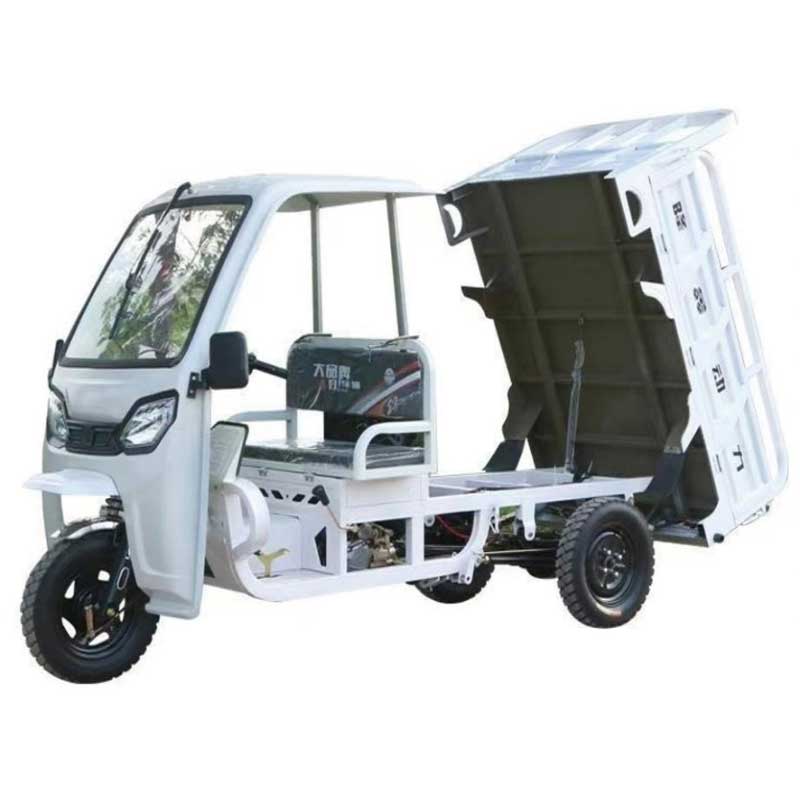
White Semi-Covered Three-Wheel Cargo Tricycle
-
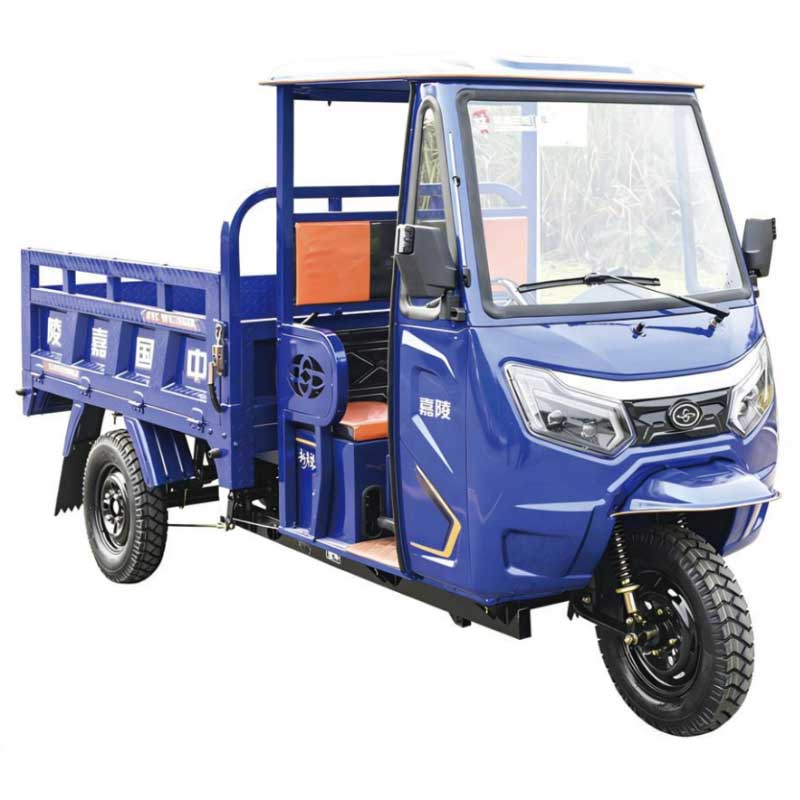
blue Semi-Covered Three-Wheel Cargo Tricycle
-
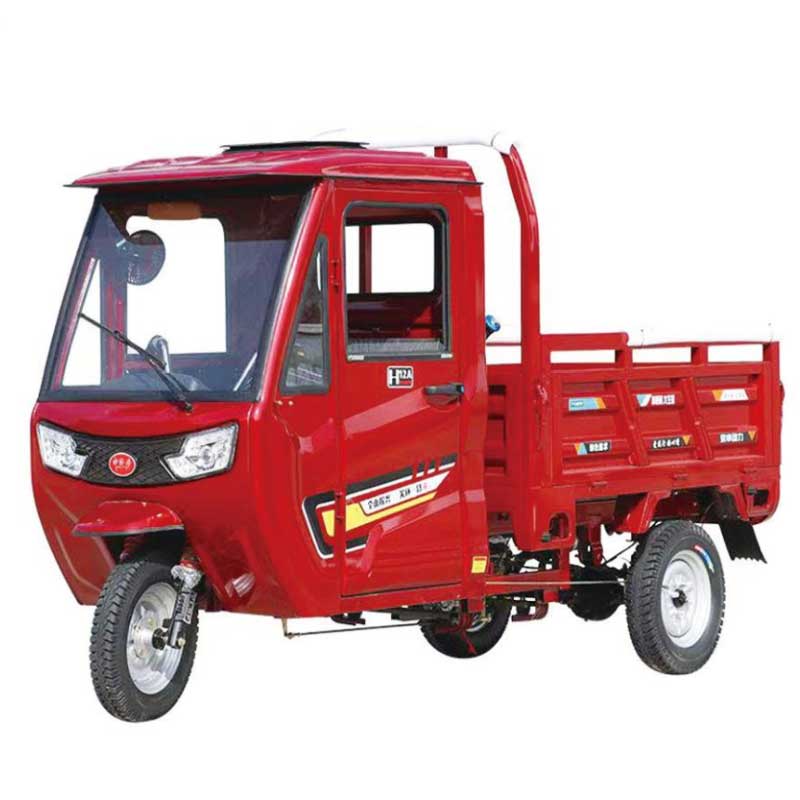
red Semi-Covered Three-Wheel Cargo Tricycle
-
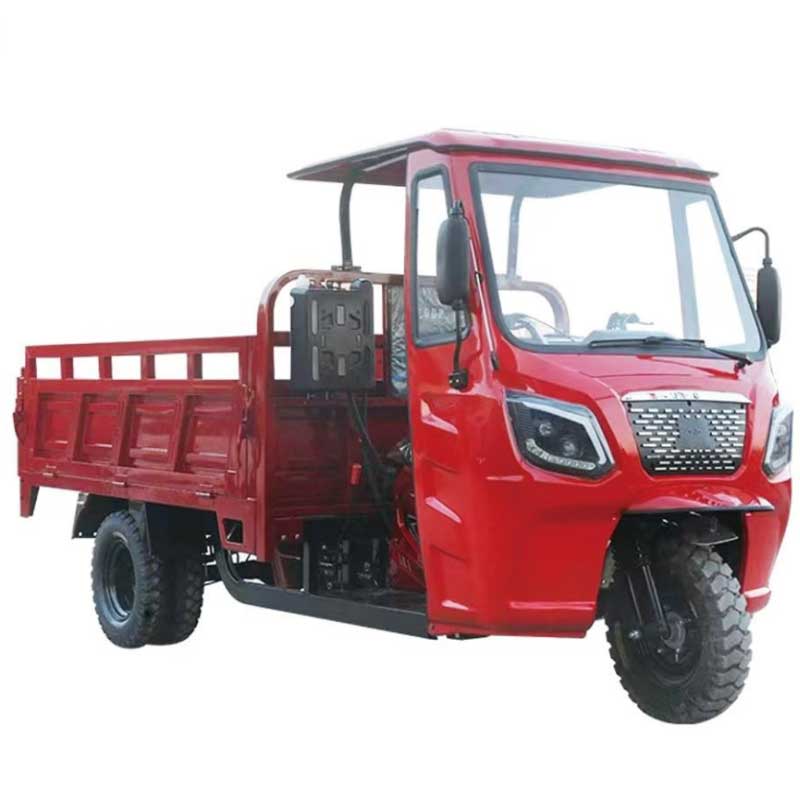
red Semi-Covered Three-Wheel Cargo Tricycle
-
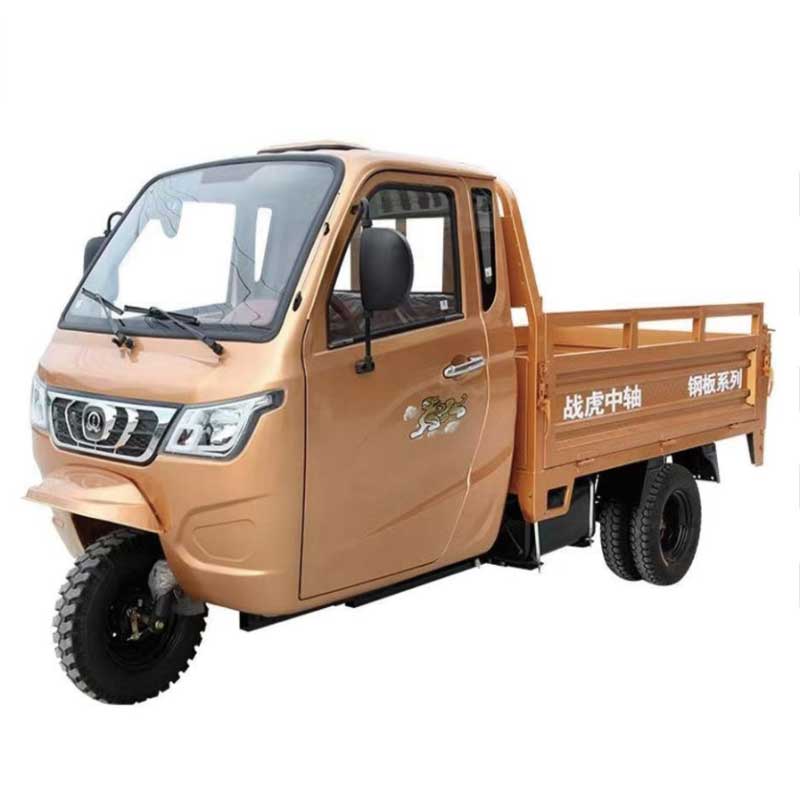
yellow Semi-Covered Three-Wheel Cargo Tricycle
-
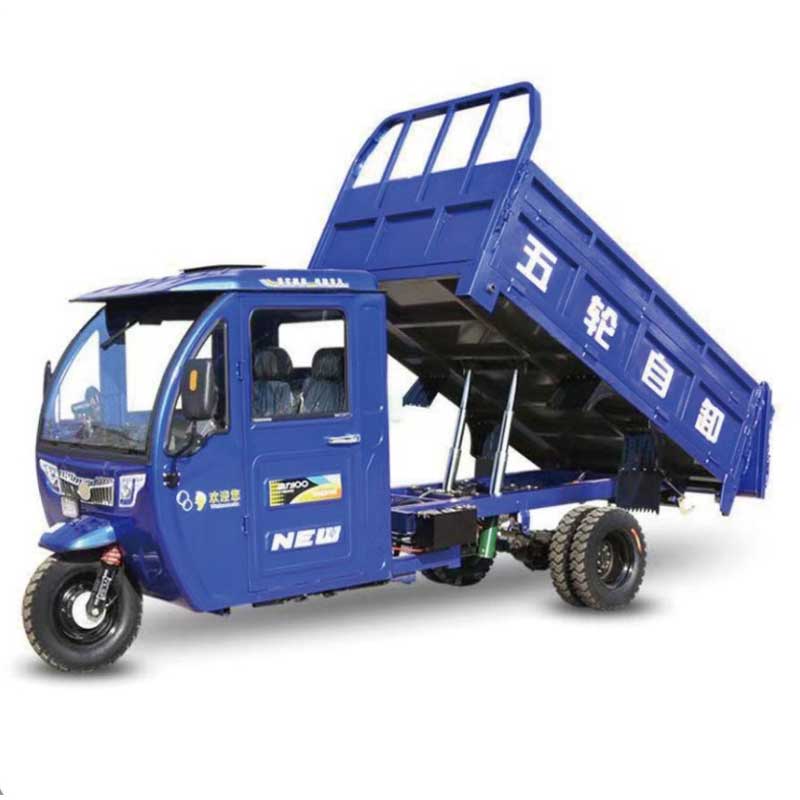
blue Semi-Covered Three-Wheel Cargo Tricycle
-
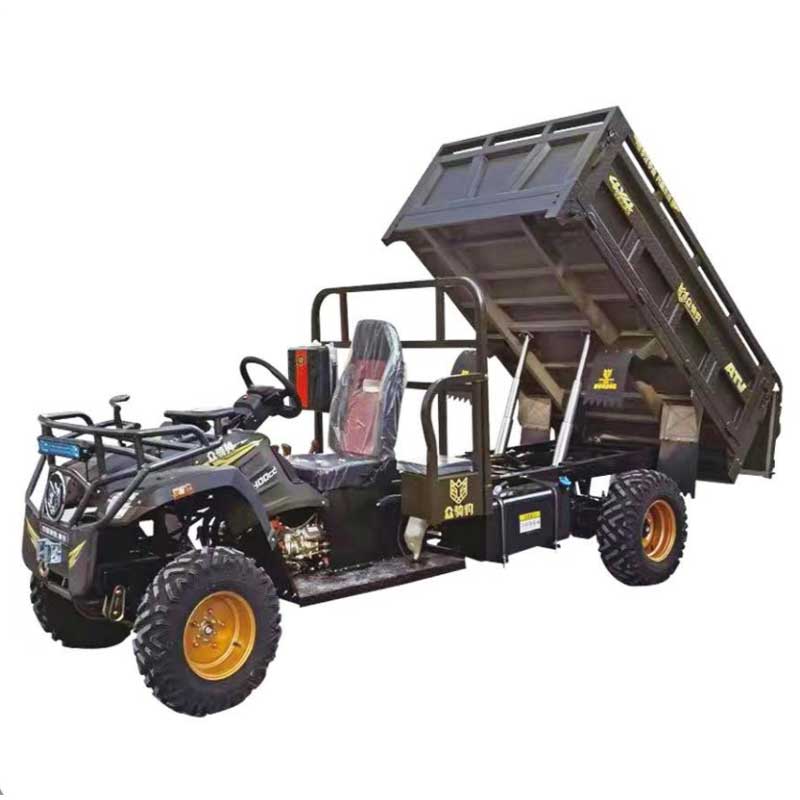
Military route color Semi-Covered Three-Wheel Cargo Tricycle
-
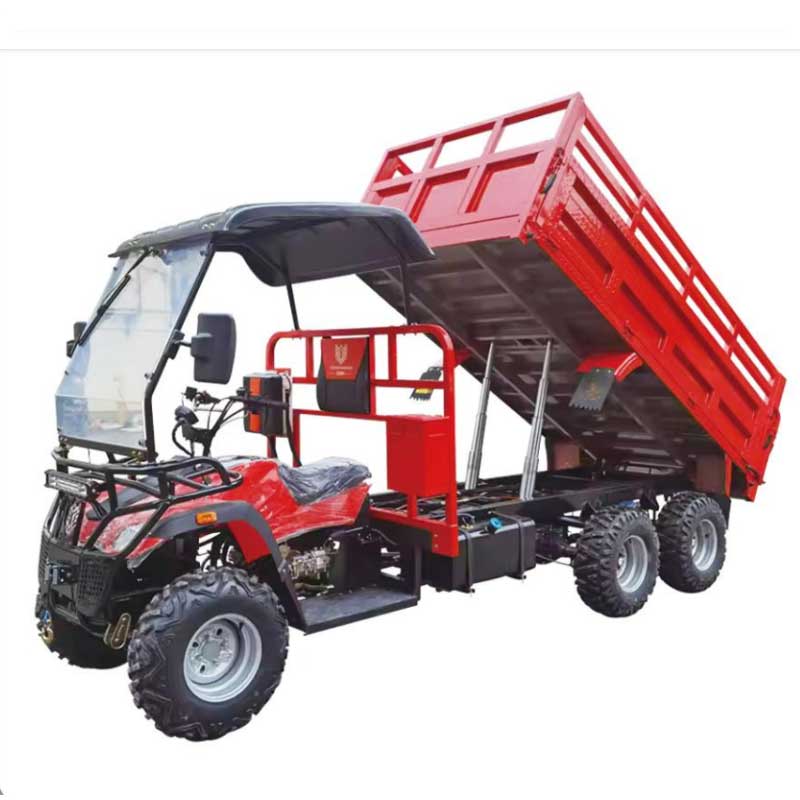
red Semi-Covered Three-Wheel Cargo Tricycle
Renqiu Xianyue Motorcycle Co., Ltd.
Copyright © 2026-2027 https://www.xuanyuetricycle.com. All Rights Reserved Renqiu Xuanyue Motorcycle Co., Ltd.