

 Current location:
NEWS INFORMATION
NEWS INFORMATION
How to Start a Tourist Tuk Tuk Business: A Step-by-Step Guide
author:xuanyue date:2026-10-18 19:40:26 click:146
The appeal of a tourist tuk tuk business is easy to see — a low-cost, distinctive passenger vehicle that tourists notice and remember. The failure rate is also easy to see, and it usually traces to a single cause: the business was launched as a vehicle purchase before it was designed as a service. The vehicle is the smallest part of the decision. The service model, the compliance framework, and the route economics are what determine whether the business earns.
Step 1: Define the Service Model
The tourist tuk tuk business is not one business but several, and the model determines everything downstream.
Fixed-route sightseeing tour: a set circuit with commentary, sold as a timed experience. Predictable, repeatable, and easy to market, but constrained by route capacity.
Point-to-point transport: on-demand or pre-booked rides between tourist locations, hotels, and attractions. Flexible demand but dependent on location and seasons.
Private hire and charter: exclusive use for a group or a day, priced at a premium. Higher revenue per trip but requires active sales and relationship building.
Hybrid: a base route supplemented by private hire. Common for operators building volume before premium services.
The model determines the vehicle specification, the licensing path, the pricing, and the staffing. Choosing it first prevents the mismatch of buying a tour-grade vehicle for a point-to-point operation, or vice versa.
Step 2: Select the Right Vehicle
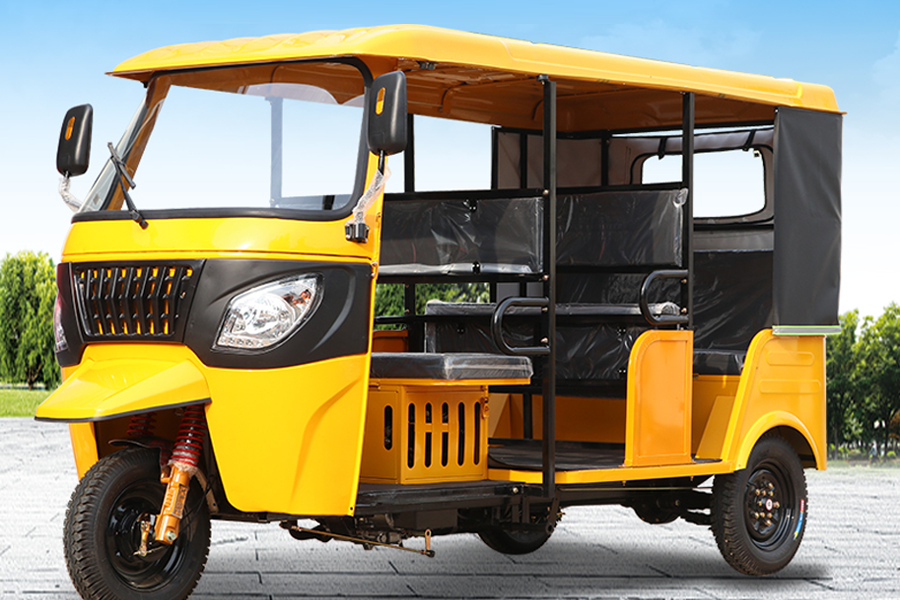
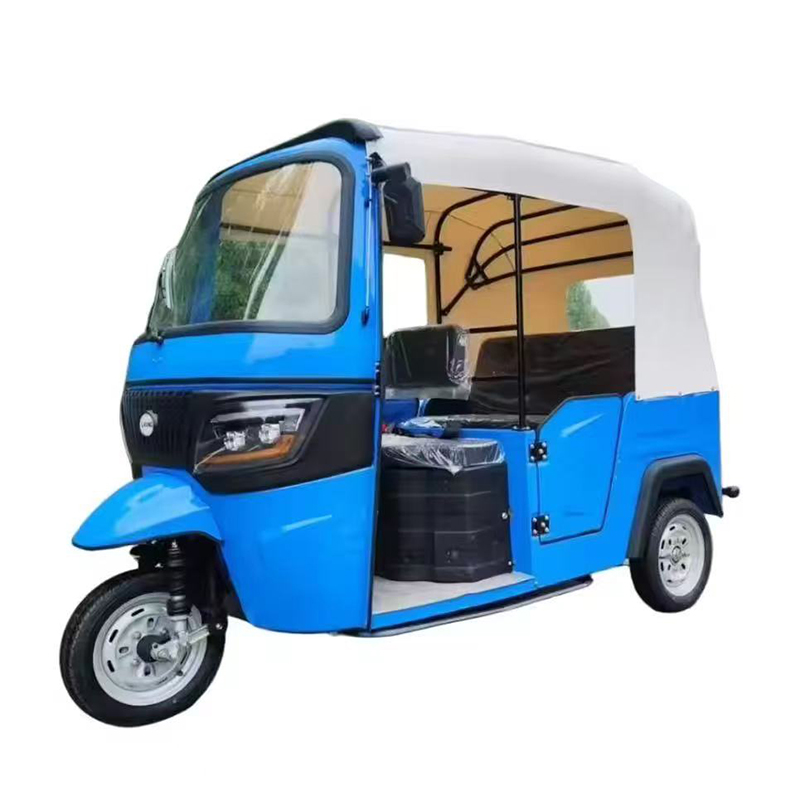
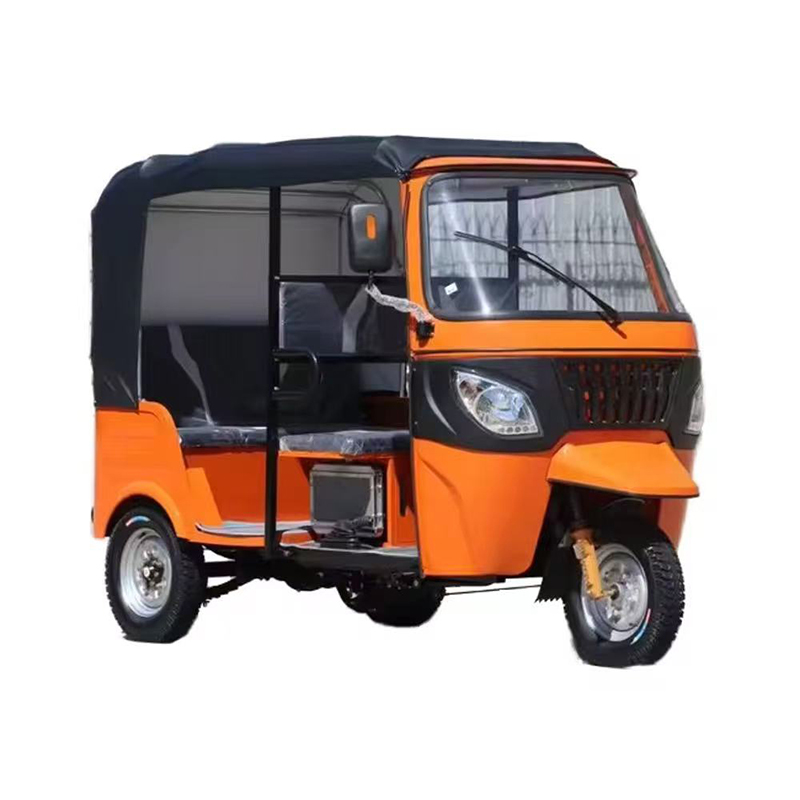
The tourist tuk tuk must serve passengers, not just move weight. The specification priorities differ from cargo or delivery use.
Passenger Capacity and Seating
Seating capacity determines revenue per trip. A vehicle seating six to ten passengers suits group tours; a smaller vehicle suits private hire. Seating must be comfortable for the typical ride duration, with adequate cushioning and back support, because passenger comfort is a direct driver of reviews and repeat business.
Visibility and Experience
The open or semi-open design that makes a tuk tuk distinctive is also what tourists pay for. The vehicle should offer clear sightlines and, where the market and climate allow, an open or convertible configuration. Weather protection — a canopy or side curtains — extends the operating season and improves comfort in variable conditions.
Powertrain and Operating Environment
Electric tourist tuk tuks offer quiet operation that suits guided tours and reduce noise pollution in sensitive areas, with lower operating cost. Combustion models offer longer range without charging dependence. The choice depends on the route length, the availability of charging, and any local emissions restrictions in tourist or heritage zones.
Step 3: Understand Licensing and Compliance
Passenger transport is regulated, and tourist tuk tuk operation typically requires permits that general vehicles do not. The requirements vary by jurisdiction but commonly include: a passenger transport licence or permit for the operator; vehicle type approval and registration for passenger use; driver licensing appropriate to the vehicle class; insurance covering passenger liability; and in some markets, a tourism operator registration. Confirm the specific requirements with the local transport and tourism authorities before purchasing, because non-compliant operation risks fines, vehicle impoundment, and business closure.
Step 4: Plan the Route and Territory
The route is the product. A sightseeing route should connect genuine points of interest within a logical, time-efficient circuit, avoiding areas where the vehicle cannot operate legally or comfortably. For point-to-point and private hire, the territory should cover the concentration of demand — hotels, attractions, transport hubs — within the vehicle's practical range. Route planning also addresses the practical constraints: road conditions suitable for a three-wheeler, areas with access or timing restrictions, and the operating hours that match tourist demand.
Step 5: Set Pricing and Positioning
Pricing must cover the total operating cost — vehicle, fuel or charging, maintenance, insurance, licensing, and driver wages — with margin, while remaining attractive to the target tourist segment. The pricing model should match the service model: per-seat or per-tour pricing for fixed routes, metered or negotiated pricing for point-to-point, and day-rate or package pricing for private hire. Positioning — budget transport versus premium experience — determines both the price and the vehicle and service standard required to deliver it.
Step 6: Build Operations and Safety
Operational discipline protects the business and its customers. Driver training covers safe operation of a three-wheeler under passenger load, passenger communication, and basic vehicle checks. A daily vehicle inspection — brakes, tyres, lights, and passenger restraints — precedes each operating day. Safety equipment appropriate to the local requirement, clear communication of the route and price before the trip begins, and a process for handling customer issues complete the operational foundation.
Step 7: Market and Grow
A tourist tuk tuk business lives or dies on visibility to tourists. The channels vary by market — partnerships with hotels and hostels, presence on travel platforms, visibility at high-footfall locations, and review management — but the principle is constant: the business must be discoverable at the moment the tourist is deciding how to get around. Early operators often start with one vehicle, prove the route and pricing, then add vehicles as demand justifies, rather than scaling fleet before the model is validated.
FAQ
Do I need a special licence to operate a tourist tuk tuk?
In most markets, yes. Passenger transport typically requires an operator permit, vehicle registration for passenger use, appropriate driver licensing, and passenger liability insurance. The specific requirements vary by jurisdiction; confirm them with the local transport and tourism authorities before purchasing a vehicle.
Is an electric or petrol tuk tuk better for tourist operations?
Electric models offer quiet operation suited to guided tours and lower operating cost, with the constraint of charging availability and range. Combustion models offer unrestricted range without charging dependence. The choice depends on route length, charging access, and any emissions restrictions in tourist zones.
How many passengers should a tourist tuk tuk seat?
It depends on the service model. Group sightseeing tours benefit from six to ten seats for higher revenue per trip; private hire may use smaller vehicles. Seating capacity should match the target service and the comfort expectations of the tourist segment.
What is the biggest mistake new tourist tuk tuk operators make?
Buying a vehicle before designing the service — the route, the licensing path, and the pricing — is the most common failure. A vehicle purchased without a defined service model and confirmed compliance often cannot be operated legally or profitably. Design the service first; select the vehicle to fit it.
How much does it cost to start a tourist tuk tuk business?
The cost depends on the market, the vehicle specification, and the licensing and insurance requirements, and it should be built as a total cost of ownership including acquisition, compliance, insurance, and operating reserves. Estimate the figure from the specific market's vehicle and licensing costs rather than a generic number, and plan working capital for the ramp-up period before the operation reaches stable demand.
Conclusion
Starting a tourist tuk tuk business is a service-design exercise first and a vehicle purchase second. The decisions that determine viability — the service model, the vehicle specified for passengers and local conditions, the licensing and compliance framework, the route and pricing, and the operating discipline — must be made and validated before the first vehicle is purchased. Entrepreneurs who design the service, confirm compliance, and prove the route and pricing with a single vehicle before scaling avoid the most common failure and build a business on a tested model rather than an assumption. The distinctive vehicle is what attracts the first customer; the service quality is what brings the next one.
References
World Tourism Organization (UNWTO). (2023). "Urban Tourism and Sustainable Mobility: Case Studies." UNWTO, Madrid.
International Transport Forum. (2023). "Regulation of For-Hire Vehicle Sectors: Three-Wheeler Case Studies." ITF Working Paper, Paris.
Gillespie, T.D. (2021). "Fundamentals of Vehicle Dynamics." SAE International, Revised Edition.
World Bank. (2024). "Last-Mile Delivery Innovation in Developing Economies." World Bank Working Papers, WP-2941.
-
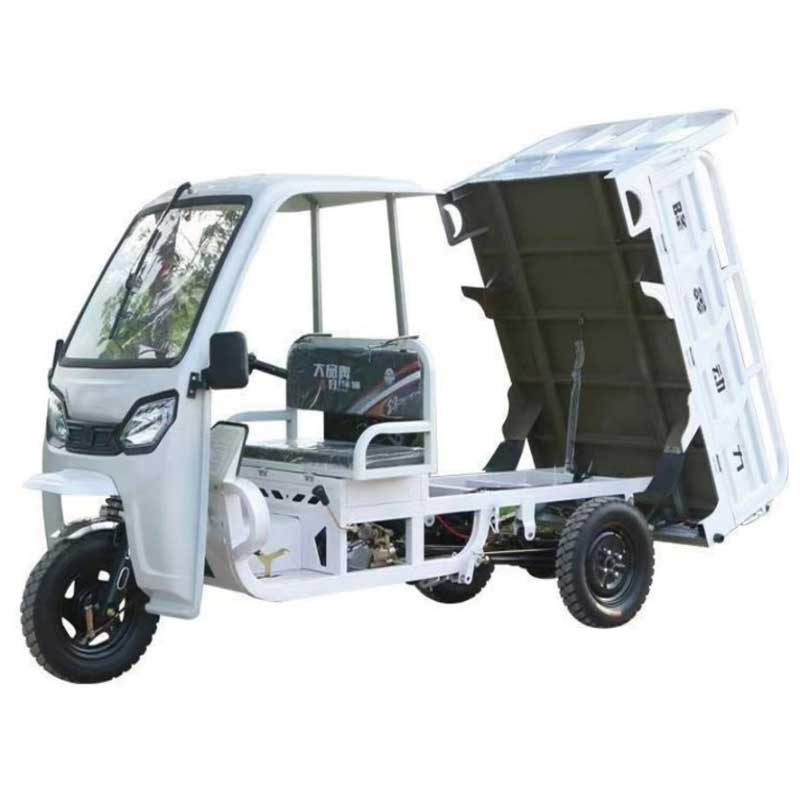
White Semi-Covered Three-Wheel Cargo Tricycle
-
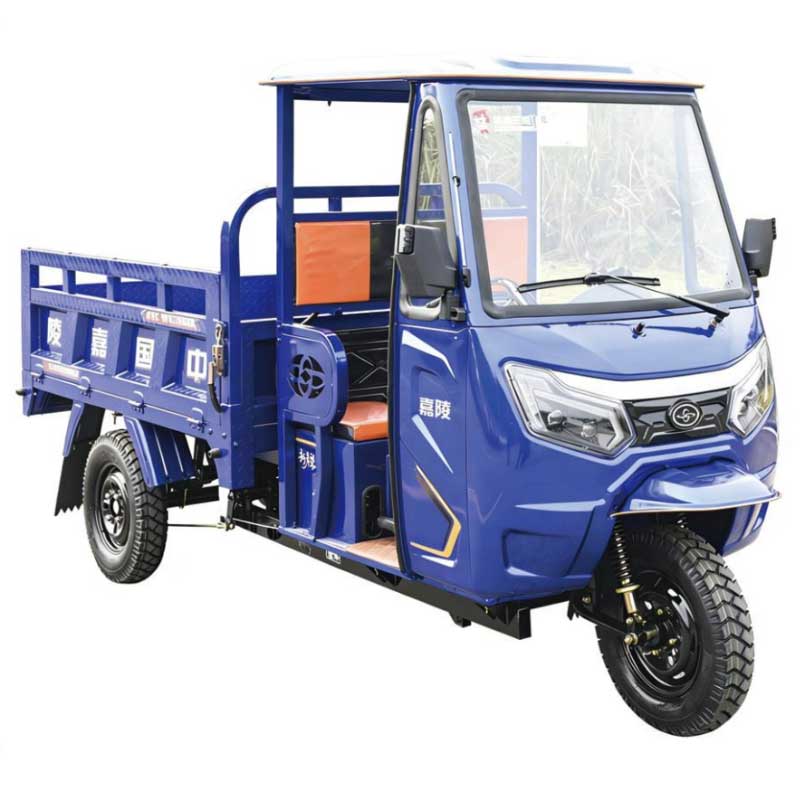
blue Semi-Covered Three-Wheel Cargo Tricycle
-
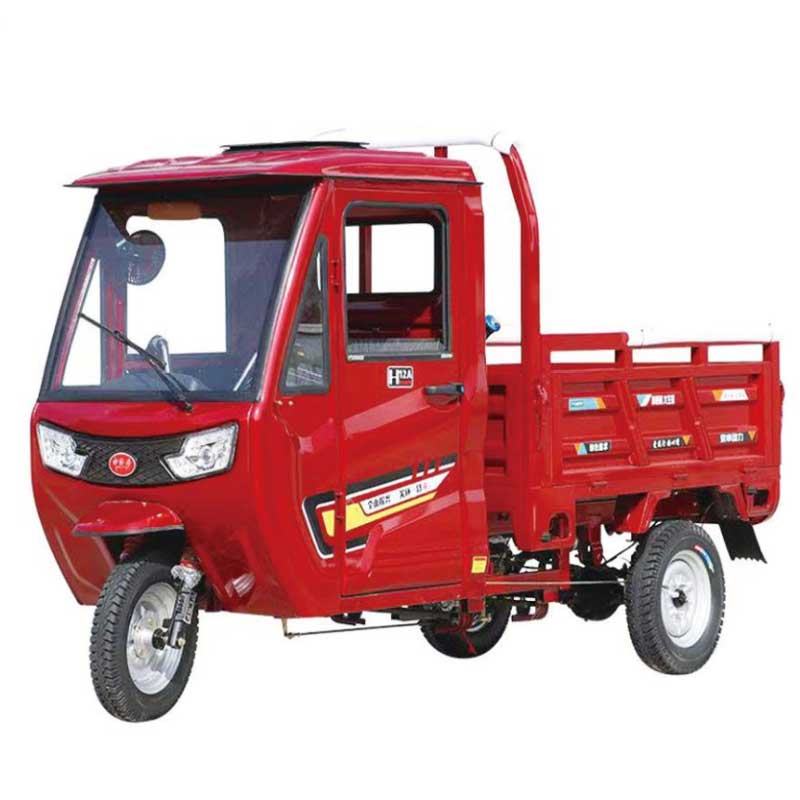
red Semi-Covered Three-Wheel Cargo Tricycle
-
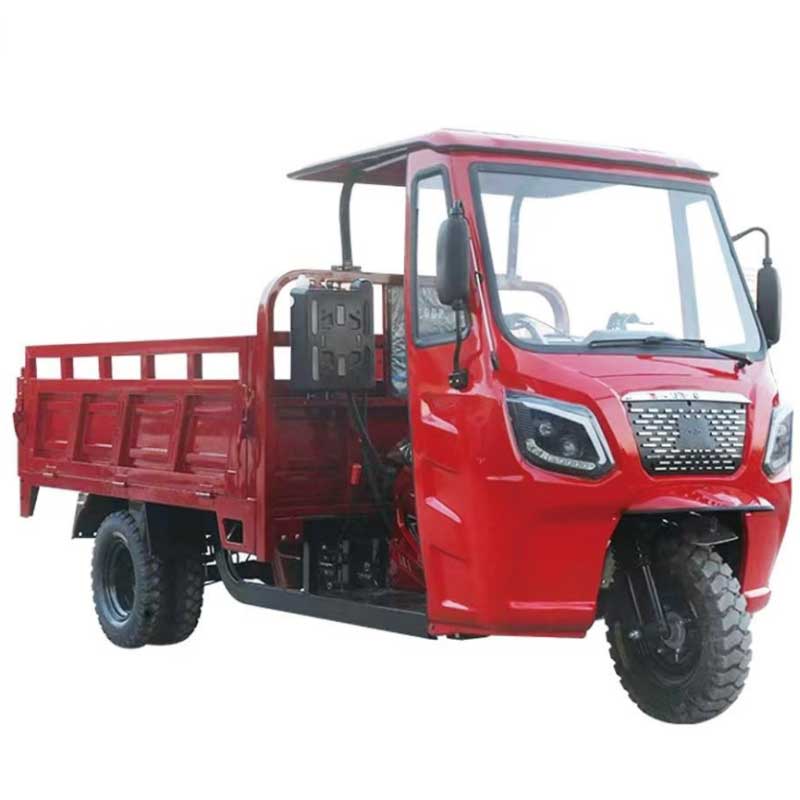
red Semi-Covered Three-Wheel Cargo Tricycle
-
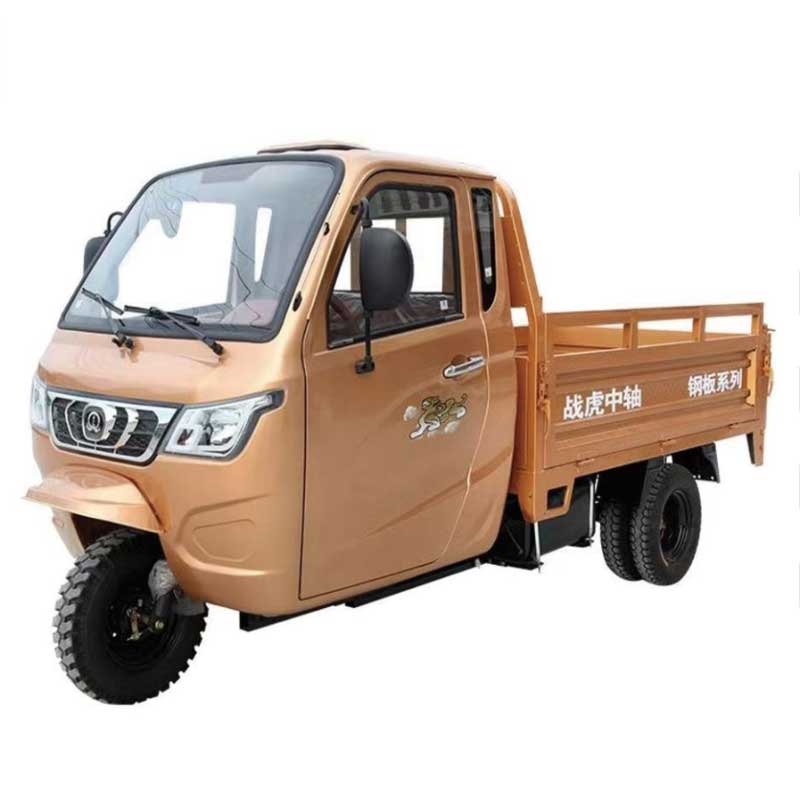
yellow Semi-Covered Three-Wheel Cargo Tricycle
-
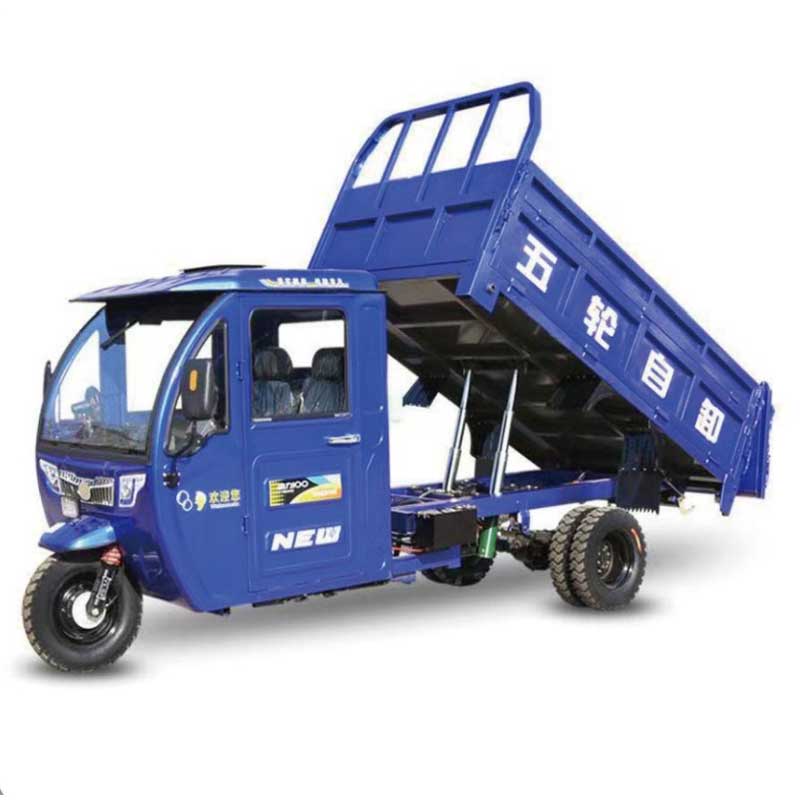
blue Semi-Covered Three-Wheel Cargo Tricycle
-
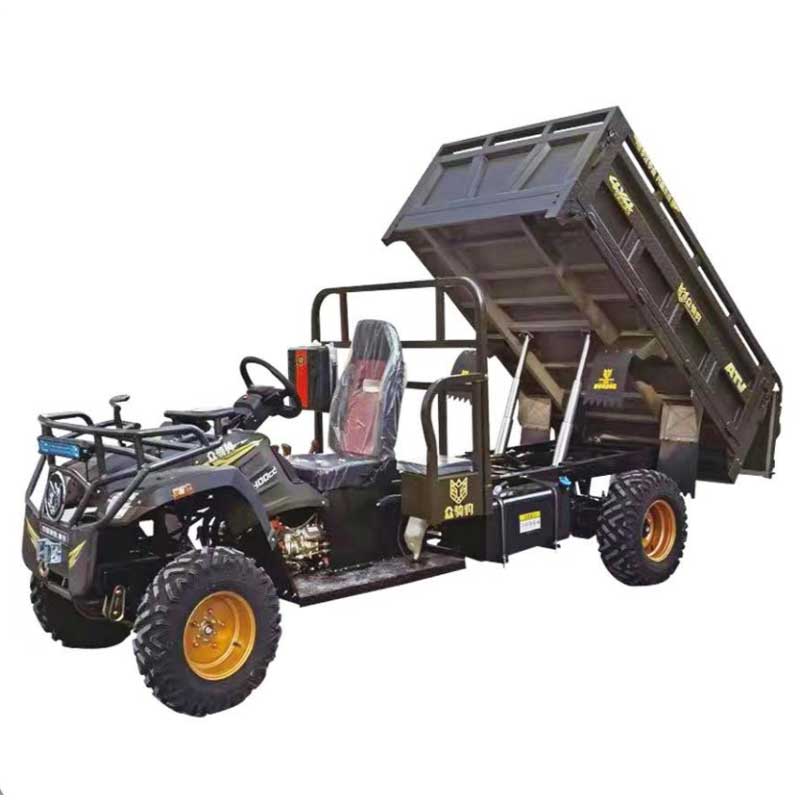
Military route color Semi-Covered Three-Wheel Cargo Tricycle
-
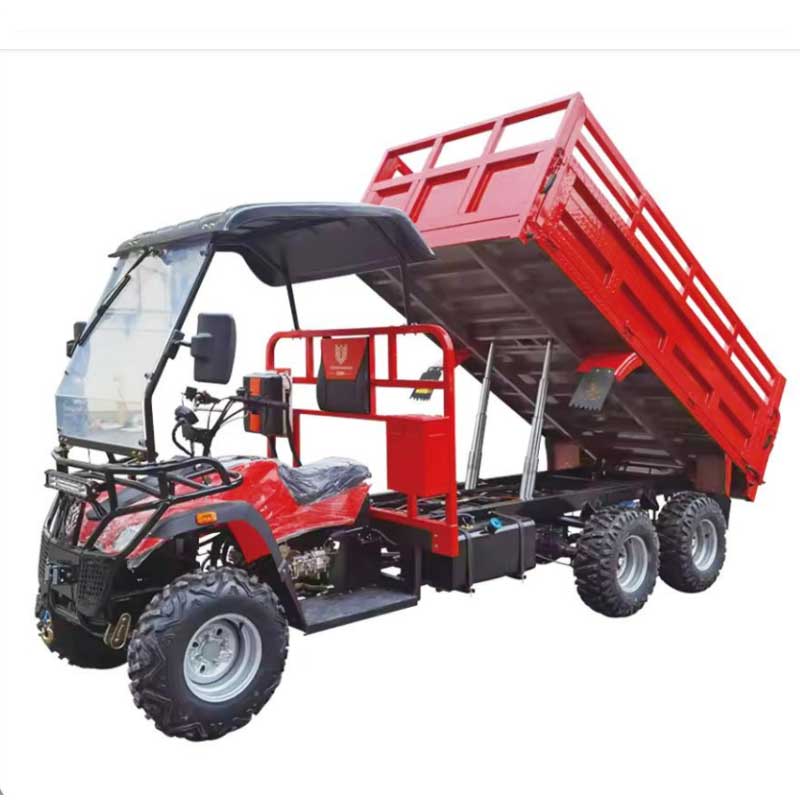
red Semi-Covered Three-Wheel Cargo Tricycle
Renqiu Xianyue Motorcycle Co., Ltd.
Copyright © 2026-2027 https://www.xuanyuetricycle.com. All Rights Reserved Renqiu Xuanyue Motorcycle Co., Ltd.