

 Current location:
NEWS INFORMATION
NEWS INFORMATION
How to Negotiate Tuk Tuk Prices with Suppliers: Buyer's Guide
author:xuanyue date:2026-10-01 00:47:33 click:171
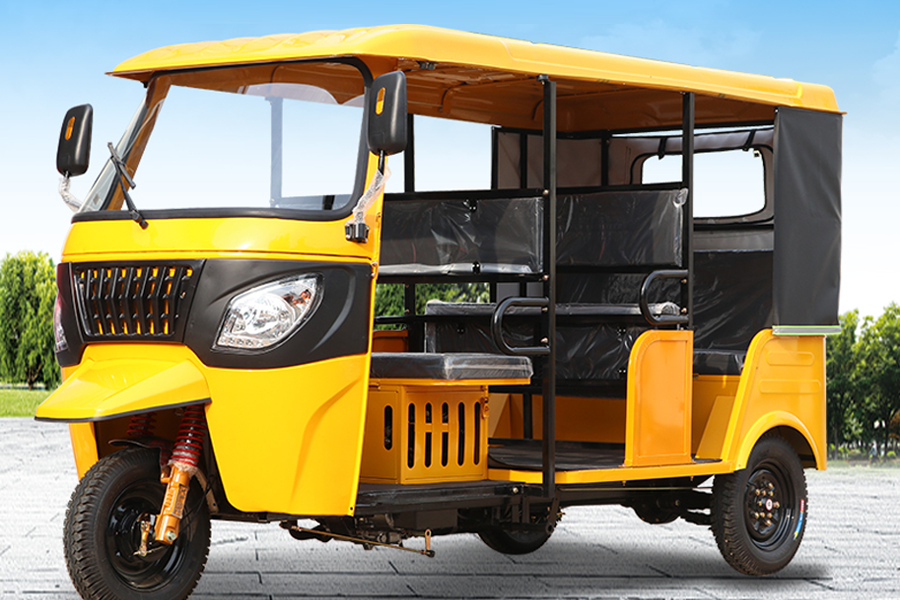
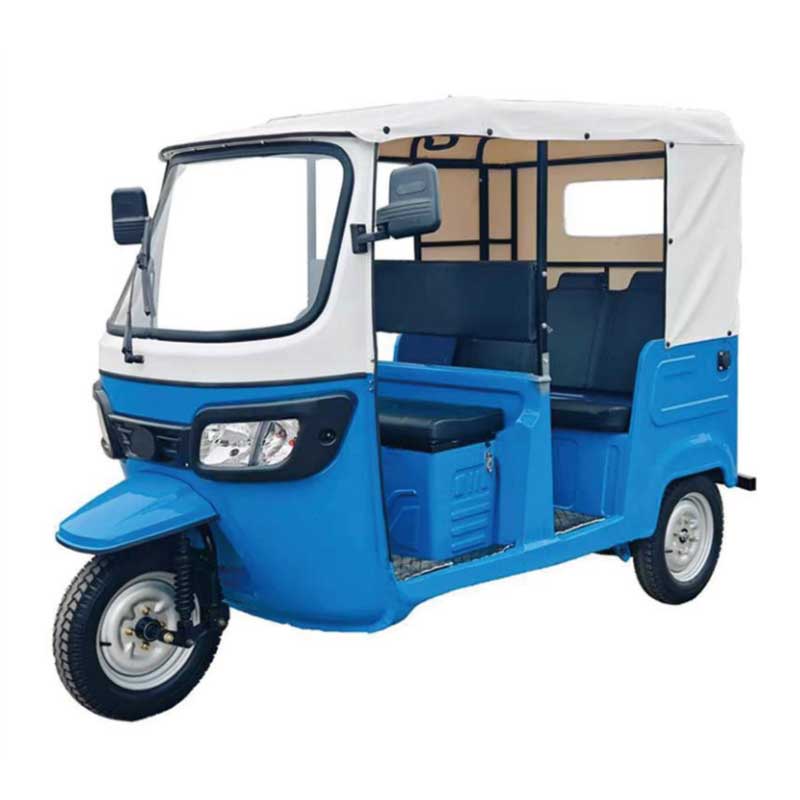
The buyer who opens a negotiation by asking for the lowest possible price has already conceded the most important point: that price is the only variable worth discussing. Experienced importers know that a tuk tuk for sale quotation is composed of multiple elements — unit price, specification, payment terms, warranty, spares, and delivery — and the most valuable negotiation outcomes rarely come from the unit price line alone. A supplier who will not move on unit price may move substantially on payment terms, battery warranty, or spare-parts pricing. Knowing which lever to pull, and when, is the difference between a discount and a deal.
Understand How the Supplier Builds the Price
Negotiation leverage begins with understanding cost structure. A tuk tuk manufacturer's quote reflects four components: direct material cost (frame, drivetrain, battery, electricals, tyres), labour and factory overhead, quality control and testing, and margin. The direct material cost — particularly the battery for electric models and the engine for combustion models — is the largest single line and the one least flexible in the short term, because the factory buys those components at market rates. Labour and overhead are semi-fixed. Margin is where genuine flexibility exists, and it varies with the factory's order backlog, the buyer's strategic importance, and the timing of the order.
The practical implication: the buyer who negotiates against the whole price without understanding which components are fixed and which are flexible will struggle. The buyer who understands that battery specification is a major cost driver can trade range requirement for price in a way that reflects real cost — a legitimate, durable negotiation that both parties can sustain.
Build Leverage Before You Open the Conversation
Leverage comes from alternatives and from information. Before opening a negotiation, an importer should have quotations from at least three suppliers for a comparable specification, a clear understanding of the market price range, and a defined requirement that allows the discussion to focus on specifications and terms rather than a vague "best price."
Three tactics build leverage specifically in tuk tuk sourcing. First, request quotations on identical specifications — comparable data gives the buyer the ability to point to specific differences rather than argue in the abstract. Second, request references from the supplier's existing export customers in comparable markets and contact them; a supplier who knows the buyer has spoken to existing customers negotiates differently. Third, communicate volume intent honestly but conditionally — a buyer planning a 30-unit order over twelve months can negotiate a tiered pricing agreement that reflects the full programme, not just the first shipment.
Timing: When Suppliers Are Most Flexible
Supplier flexibility varies with their production calendar and market conditions. Factories are most flexible in their order books when they are below capacity, typically at the end of a quarter or in the quieter months of the local production cycle. They are least flexible when they are at full capacity and can pick and choose orders. A buyer who can time an order to a period of lower factory utilisation — or who presents a flexible delivery window rather than a fixed urgent deadline — gains meaningful negotiating room.
Commodity cycles also matter. Battery raw material prices, steel prices, and shipping rates fluctuate. A buyer who understands the current commodity trend can distinguish between a supplier's genuine cost-based price increase and an opportunistic one — and can negotiate accordingly.
Structure the Order to Unlock Volume Tiers
Volume discount structures are often more flexible than they first appear. Where a factory publishes a tier at 51–100 units for a 20% discount, a buyer committing to a phased programme across multiple shipments often qualifies for a tier they would not reach on a single order — provided the commitment is structured in a way the factory can rely on. A letter of intent covering twelve to eighteen months of staged orders, with clear volume thresholds, is a legitimate basis for negotiating tier-level pricing on the first shipment.
For first-time buyers, the trial-order strategy works in the opposite direction: negotiate a small initial order at a modest premium to validate quality, with a written commitment that the per-unit price adjusts to the volume tier once the purchase programme proceeds. This structure protects both parties — the factory against a speculative buyer, and the buyer against a quality disappointment on a large commitment.
Negotiate Specification, Not Just Price
Some of the most valuable negotiation outcomes come from specification adjustments that reflect genuine cost differences. Battery capacity is the clearest example: if a buyer's route analysis shows that 90 km of daily range is sufficient, negotiating a smaller battery pack than the "standard" 150 Ah offering delivers a real price reduction with no operational downside. The buyer who understands their own operating requirement can trade specification for price in a way that improves the economics without degrading the vehicle.
Other specification levers include: paint and finish complexity (simpler finishes reduce cost), audio and entertainment systems (optional on many models), tyre specification, lighting specification, and cargo box configuration. Each is a genuine cost component, and each is negotiable without compromising the core vehicle.
Payment Terms and Warranty: The Non-Price Levers
Payment terms carry real financial value even when the unit price is fixed. The standard 30% deposit / 70% against bill of lading structure can often be negotiated toward more favourable terms for the buyer — a lower deposit percentage, a longer interval between shipment and payment, or a letter of credit with flexible presentation terms. A 5% improvement in payment timing on a USD 100,000 order is a genuine economic gain, even if it does not show up as a price reduction.
Warranty is the other under-negotiated lever. Battery warranty terms for electric models — duration, capacity-retention threshold, and replacement commitment — have significant economic value over the vehicle's life. A buyer who negotiates a battery warranty extension from 24 to 36 months, or a higher capacity-retention threshold, secures protection worth more than a modest price discount. Spare-parts pricing — locking in the cost of common wear items for the warranty period — is another negotiation that pays dividends over years of operation.
Common Negotiation Mistakes and How to Avoid Them
Several errors consistently undermine buyers in tuk tuk negotiations. Negotiating on price alone, ignoring the total cost of ownership that the specification and warranty drive. Accepting the first counter-offer without testing the supplier's flexibility on terms. Revealing urgency, which removes the buyer's most important leverage. Failing to get the agreed terms in writing — verbal concessions evaporate between the negotiation and the purchase order. And pursuing an unrealistically low price, which invites the supplier to compromise on components or quality control to protect their margin.
FAQ
How much can I negotiate off a tuk tuk factory price?
On a single-unit order, negotiation room is typically limited — 2–5% at most. On volume orders of 30 units or more, meaningful negotiation can yield 15–25% off list pricing, though much of that is captured through the published volume tier rather than incremental haggling. The greatest value often comes from terms, specification, and warranty rather than the unit price line.
Should I tell a supplier my maximum budget?
No. Revealing a budget ceiling removes your negotiating flexibility and signals your willingness to pay. Instead, present your requirement in specification terms and let the supplier quote against it. If asked about budget, redirect to the specification discussion.
Is it ethical to use one supplier's quote to negotiate with another?
Using competitive quotations to benchmark pricing is standard procurement practice and widely accepted. However, quoting a competitor's confidential or misrepresented price to force a concession is ethically questionable and damages the buyer's credibility if discovered. Use genuine, comparable quotations as benchmarking data, and be transparent about the fact that you are comparing suppliers.
What terms matter most in a tuk tuk purchase agreement?
Warranty coverage (duration, km limit, battery terms for electric models), delivery schedule and penalties for delay, specification documentation and acceptance criteria, spare-parts pricing for common wear items, and payment terms. These terms determine the real cost of ownership more than the unit price line.
How do I avoid a quality compromise when negotiating a low price?
Specify the critical components — battery chemistry and capacity, motor power, braking system, structural materials — in the purchase agreement so that "same specification" is defined and enforceable. Commission pre-shipment inspection to verify that the delivered vehicles meet the agreed specification. A low price is only a good deal if the specification is protected in writing.
Conclusion
Negotiating a tuk tuk for sale effectively is a structured exercise, not a contest of haggling stamina. The buyer who understands the supplier's cost structure, builds leverage through competitive quotation and volume commitment, times the order to the supplier's production calendar, and negotiates across the full range of variables — price, specification, payment terms, and warranty — consistently achieves better outcomes than the buyer who focuses only on the unit price. The most durable deals are those where the buyer trades something the supplier values (volume commitment, simplified specification, favourable payment timing) for something the buyer values (specification certainty, warranty coverage, total cost reduction). That exchange is the heart of professional procurement negotiation.
References
Van Weele, A.J. (2022). "Purchasing and Supply Chain Management." Cengage Learning, 7th Edition.
Dyer, J.H., & Singh, H. (2022). "The Relational View: Cooperative Strategy and Sources of Interorganizational Competitive Advantage." Academy of Management Review, 23(4), 660–679.
Singh, P., & Agarwal, M. (2023). "Supplier Selection Frameworks for Automotive Manufacturing in Emerging Markets." International Journal of Production Economics, 256, 108–122.
International Trade Centre. (2024). "Automotive Sector Export Quality Standards: A Practitioner's Guide." ITC Technical Papers, No. 78.
-
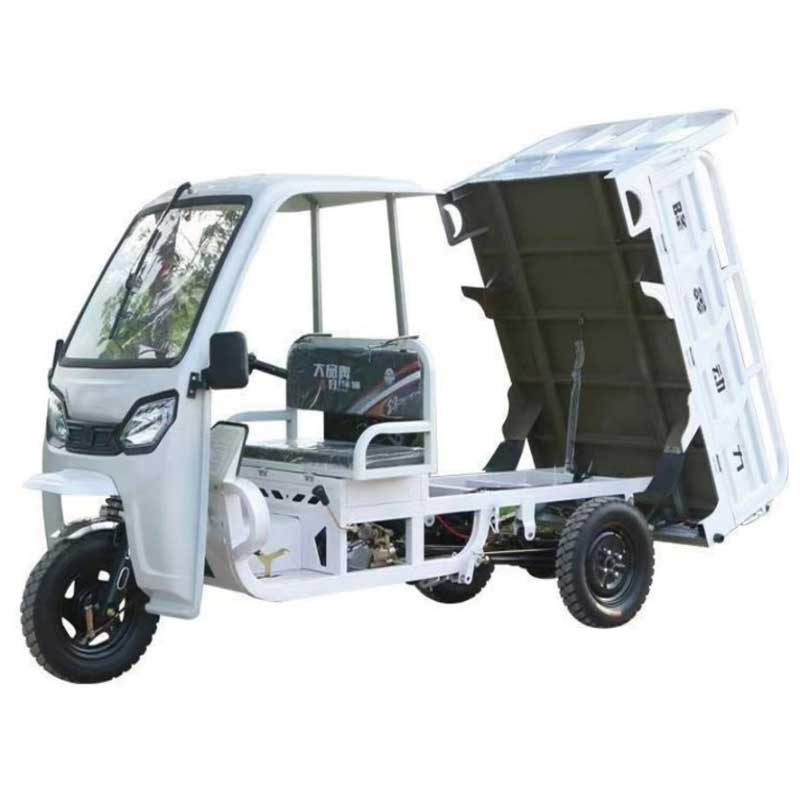
White Semi-Covered Three-Wheel Cargo Tricycle
-
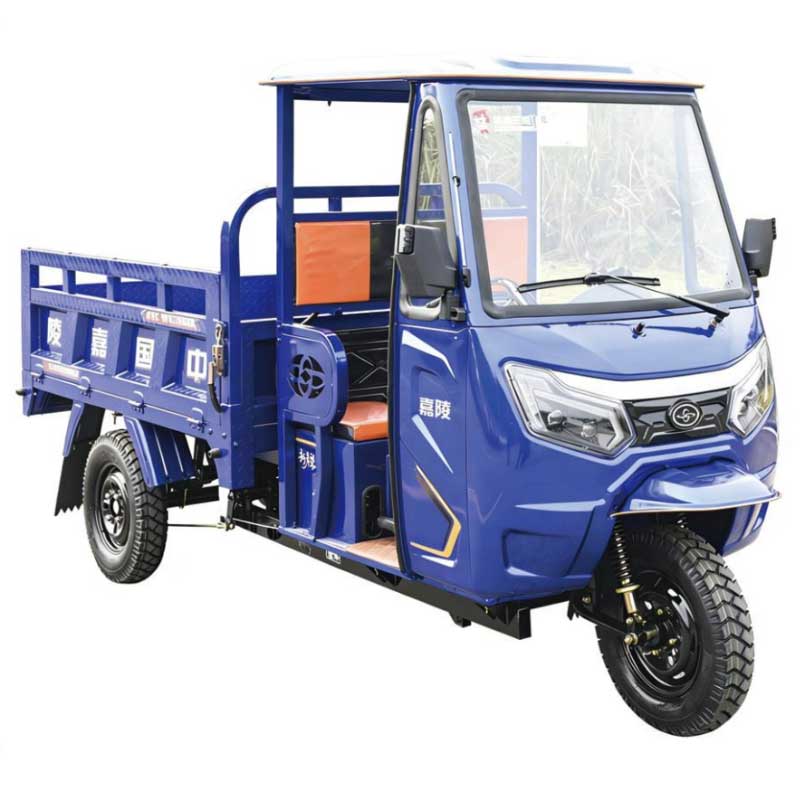
blue Semi-Covered Three-Wheel Cargo Tricycle
-
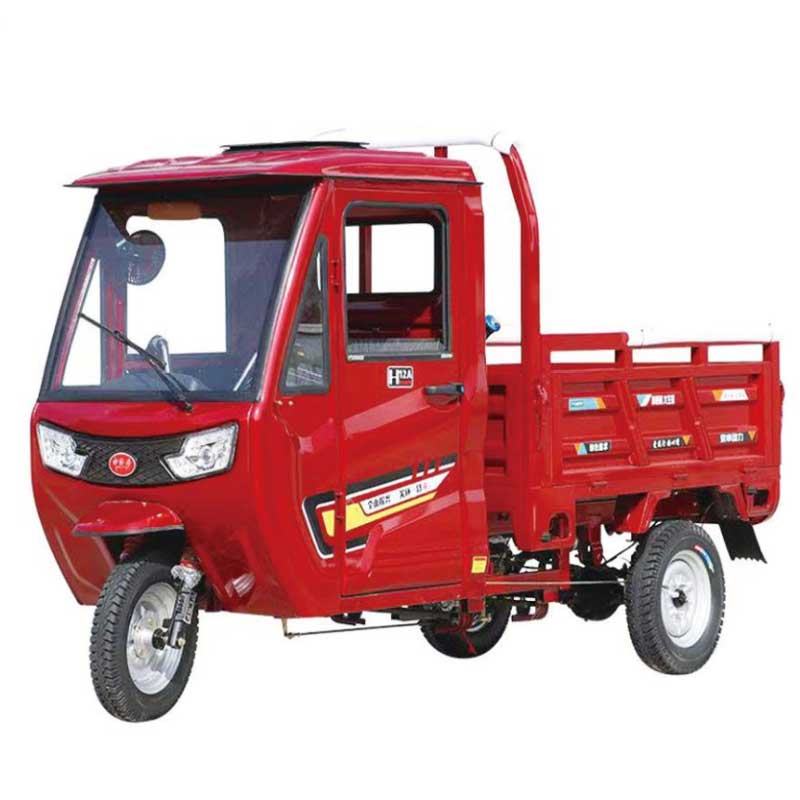
red Semi-Covered Three-Wheel Cargo Tricycle
-
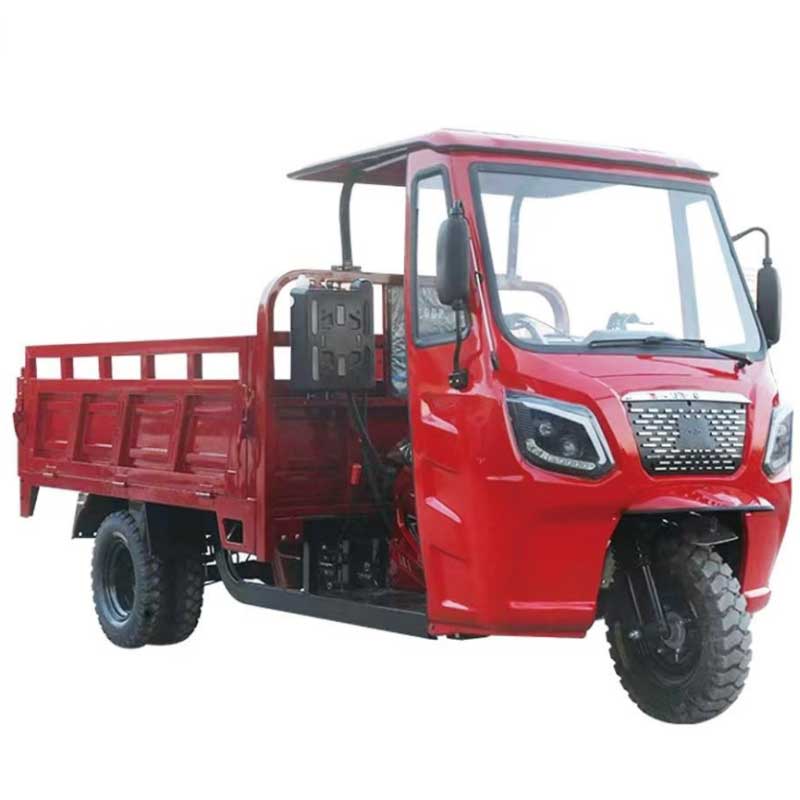
red Semi-Covered Three-Wheel Cargo Tricycle
-
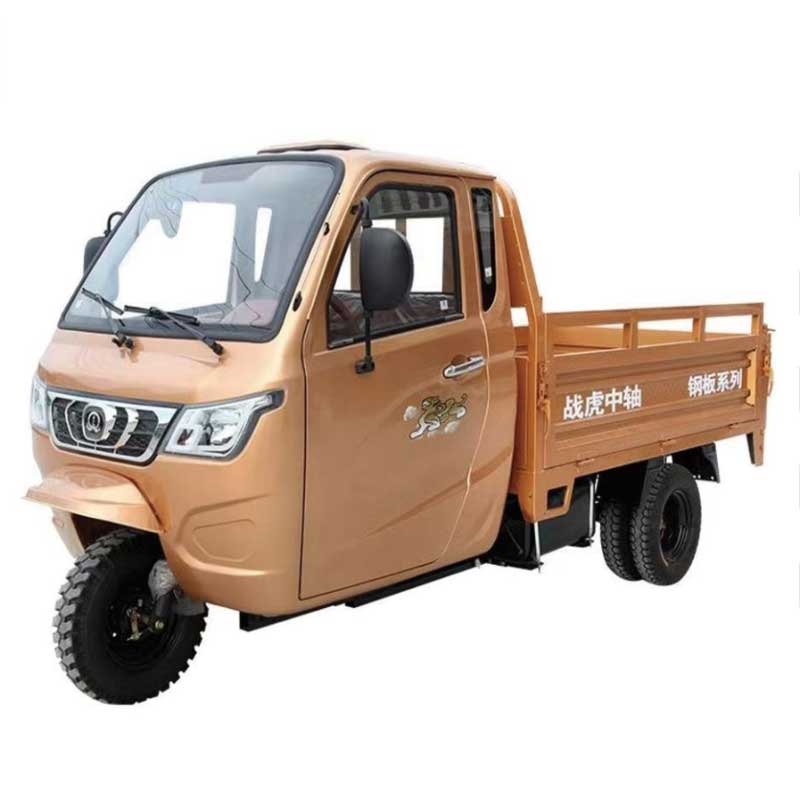
yellow Semi-Covered Three-Wheel Cargo Tricycle
-
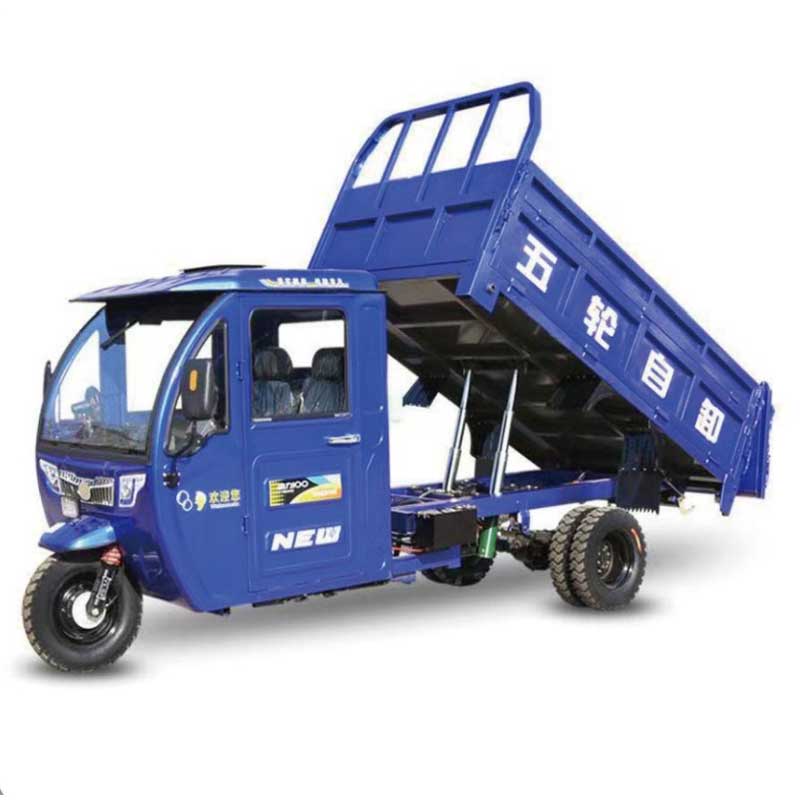
blue Semi-Covered Three-Wheel Cargo Tricycle
-
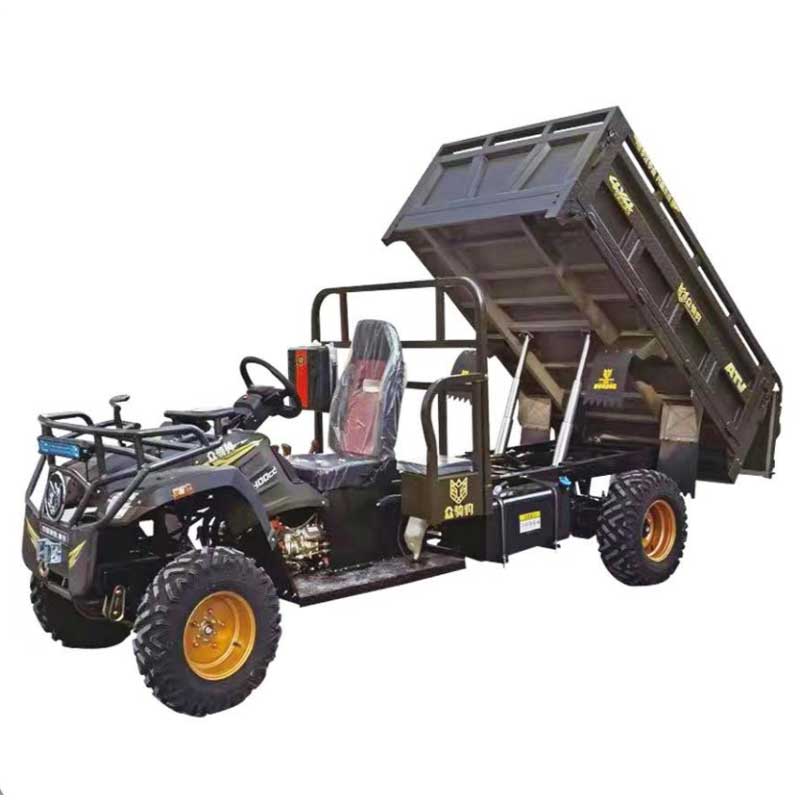
Military route color Semi-Covered Three-Wheel Cargo Tricycle
-
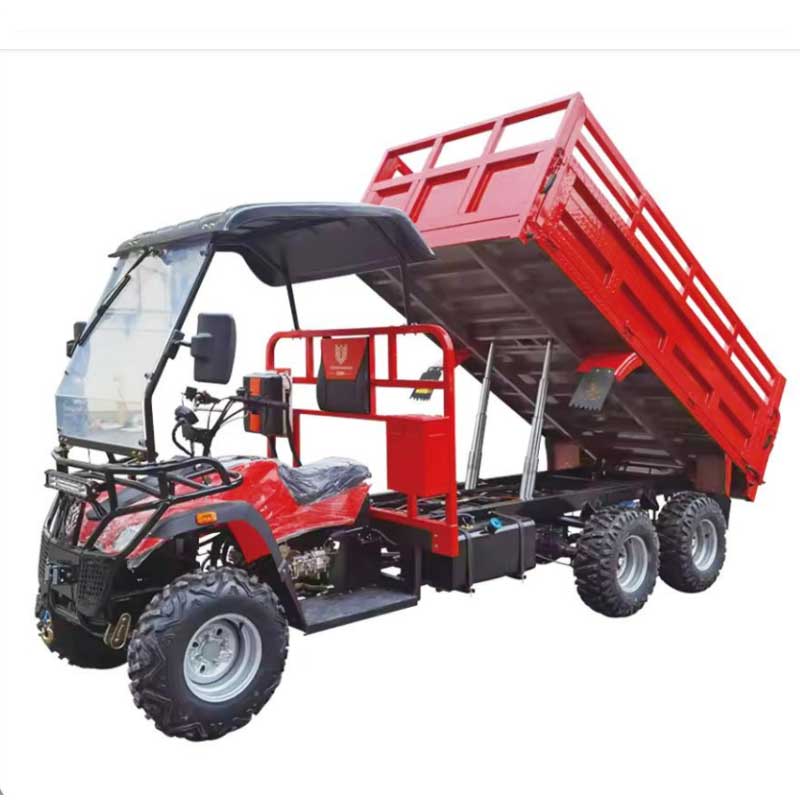
red Semi-Covered Three-Wheel Cargo Tricycle
Renqiu Xianyue Motorcycle Co., Ltd.
Copyright © 2026-2027 https://www.xuanyuetricycle.com. All Rights Reserved Renqiu Xuanyue Motorcycle Co., Ltd.