

 Current location:
NEWS INFORMATION
NEWS INFORMATION
How to Import Tuk Tuk in Bulk: Step-by-Step Guide
author:xuanyue date:2026-08-07 16:20:18 click:160
Buying a wholesale tuk tuk shipment is a different discipline from buying one vehicle. At volume, small errors multiply across dozens of units and turn a profitable deal into a warehouse of non-compliant inventory. The importers who do this well follow a repeatable sequence—from spec sheet to customs clearance—and they never skip the inspection step.
Why Bulk Importing Makes Commercial Sense
A single unit bought at retail carries a 30–50% markup over factory price. A wholesale tuk tuk order of 20+ units typically lands 20–30% below retail, with additional savings from consolidated freight. For distributors, fleet operators, and municipal buyers, volume is the lever that makes the economics work. The catch is commitment: you are now responsible for spec accuracy, compliance, and local support across the whole batch.
Step 1: Define Your Technical Specification
Before contacting any supplier, write the spec. Seating or payload, fuel type, target emission standard, voltage for electric models, and climate considerations (cooling, rust protection). A wholesale tuk tuk buyer who hands a factory a precise spec gets quoted accurately; one who asks "what do you have?" gets steered toward whatever is on the line.
Step 2: Shortlist Verified Suppliers
Use manufacturer directories but treat listings as leads, not proof. Verify each candidate wholesale tuk tuk supplier against export history, certification, and references in your region. Narrow to 3–4 serious factories and request their full quotation pack including ex-works price, lead time, and Incoterms options.
Step 3: Request Samples and Factory Audit
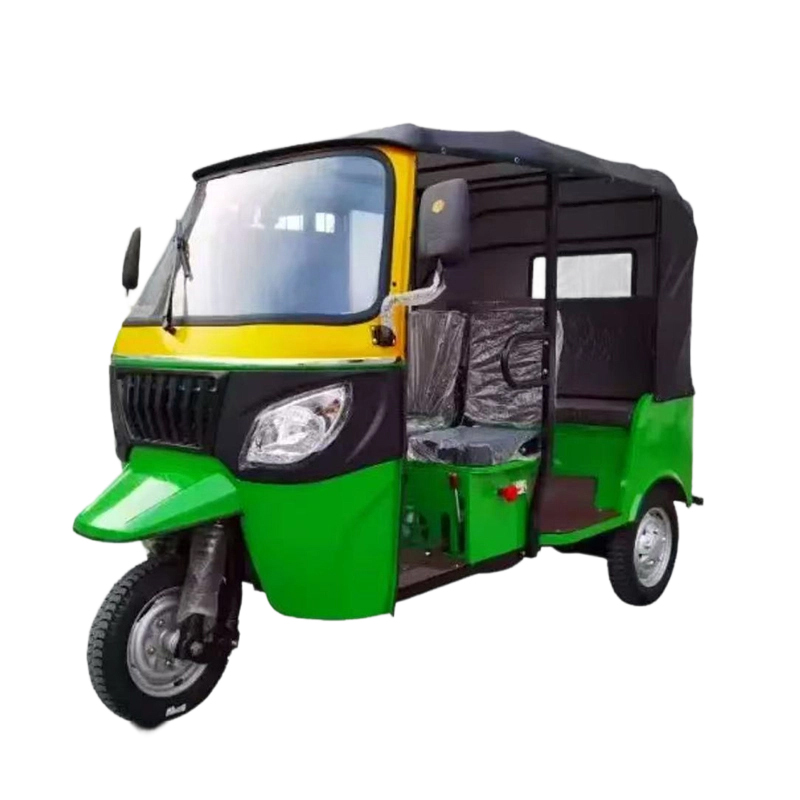
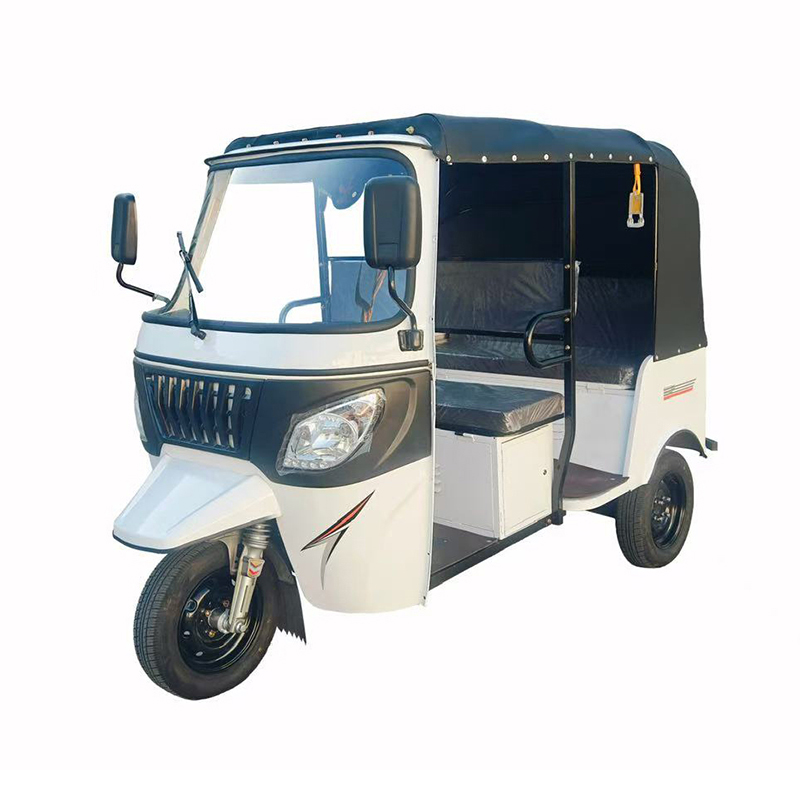
For first-time imports, order 1–2 sample units before committing to the full wholesale tuk tuk volume. A sample surfaces build-quality issues while the cost is still small. Pair it with a factory audit—either in person or via a third-party agent—focusing on weld quality, test equipment, and line organization.
Step 4: Negotiate Incoterms and Pricing
Most wholesale tuk tuk deals use FOB (free on board) or CIF (cost, insurance, freight). FOB puts shipping in your hands; CIF bundles it. Tiered pricing kicks in at 30, 50, and 100 units—push for the bracket your volume reaches. Confirm payment structure: 30% deposit with 70% against bill of lading is common; avoid any supplier demanding full payment upfront without escrow.
Step 5: Arrange Pre-Shipment Inspection
Never ship without a pre-shipment inspection (PSI). Engage an independent agency to verify build, paint, function, and count against your order. The cost—USD 200–500 per day—is trivial against a wholesale tuk tuk shipment worth tens of thousands. Write the acceptable defect rate (≤2%) and remediation terms into the contract before production finishes.
Step 6: Manage Freight and Customs Clearance
A 20-foot container holds 4–6 assembled units; a 40-foot high-cube holds 8–12. CKD packing fits 20–35. Engage a freight forwarder experienced in three-wheelers to handle documentation—commercial invoice, packing list, certificate of origin, and conformity papers. Import duty on a wholesale tuk tuk ranges from 0–25% by destination; factor it into landed cost early.
Step 7: Local Registration and After-Sales Setup
Once cleared, register the units and stand up your spare-parts pipeline. Negotiate a minimum 5% of order value in fast-moving spares (brake pads, belts, filters, electricals) with your wholesale tuk tuk supplier. Train local mechanics, document the service schedule, and you protect the fleet's uptime and your reputation.
FAQ
What is the minimum order for wholesale pricing?
Most suppliers set MOQ at 10–50 units; meaningful volume discounts begin around 30. A wholesale tuk tuk trial of 5 units at a reduced rate is sometimes available for new importers.
How long does a bulk import take end to end?
Production 30–45 days (standard) or 60–75 (custom), plus 15–35 days ocean freight, plus clearance. Budget 50–80 days total.
Can I mix models in one container?
Yes, most factories load mixed configurations if you confirm before production. A wholesale tuk tuk shipment with several variants needs a precise packing list to avoid customs delays.
What documents does customs require?
Commercial invoice, packing list, bill of lading, certificate of origin, and conformity/homologation certificate matching your market's standard.
How do I avoid receiving non-compliant vehicles?
Specify the exact destination standard in the contract, commission pre-shipment inspection, and verify certificates independently. A wholesale tuk tuk deal without these safeguards is a gamble.
Conclusion
Importing a wholesale tuk tuk batch successfully is a process, not a purchase. Define the spec, vet the supplier, inspect before shipping, and plan customs and after-sales before the container leaves. Operators who follow this sequence consistently land compliant, profitable fleets; those who rush the middle steps absorb the cost later. Treat diligence as part of the product, and volume becomes your advantage rather than your risk.
References
International Trade Centre. (2024). "Automotive Sector Export Quality Standards: A Practitioner's Guide." ITC Technical Papers, No. 78.
World Bank. (2024). "Urban Freight and Logistics in Developing Countries." World Bank Working Papers, WP-2847.
Das, S., & Pandey, A. (2023). "Total Cost of Ownership: Three-Wheelers vs Light Trucks in Urban Delivery." Journal of Transport Geography, 109, 103–115.
Osei, K., & Mensah, J. (2022). "Import Tariffs and Commercial Vehicle Affordability in West Africa." African Development Review, 34(2), 89–104.
International Organization for Standardization. (2024). "ISO 9001:2015 Quality Management Systems." ISO Technical Committee 176.
-
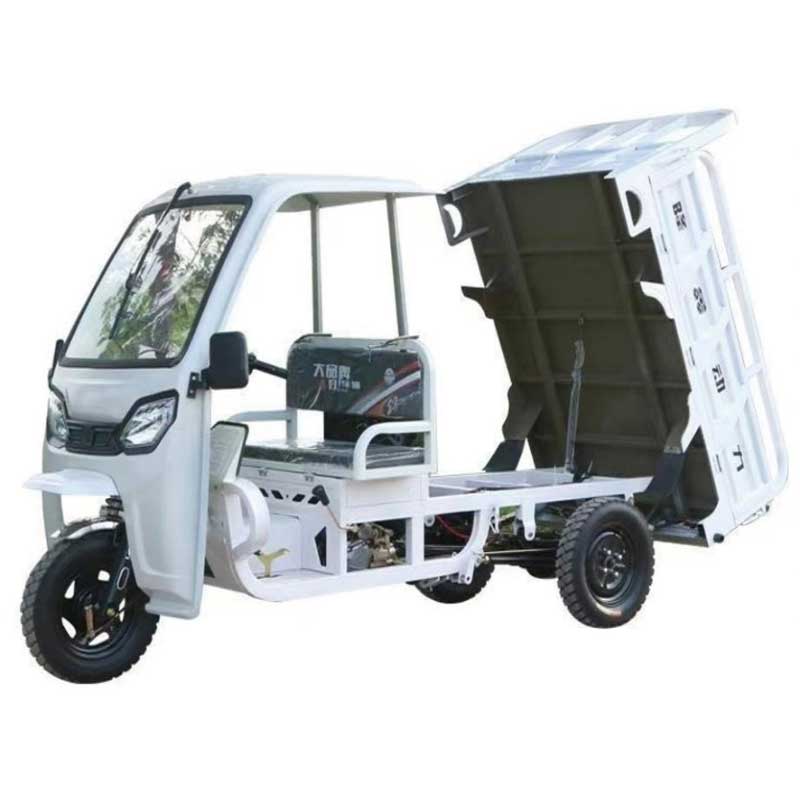
White Semi-Covered Three-Wheel Cargo Tricycle
-
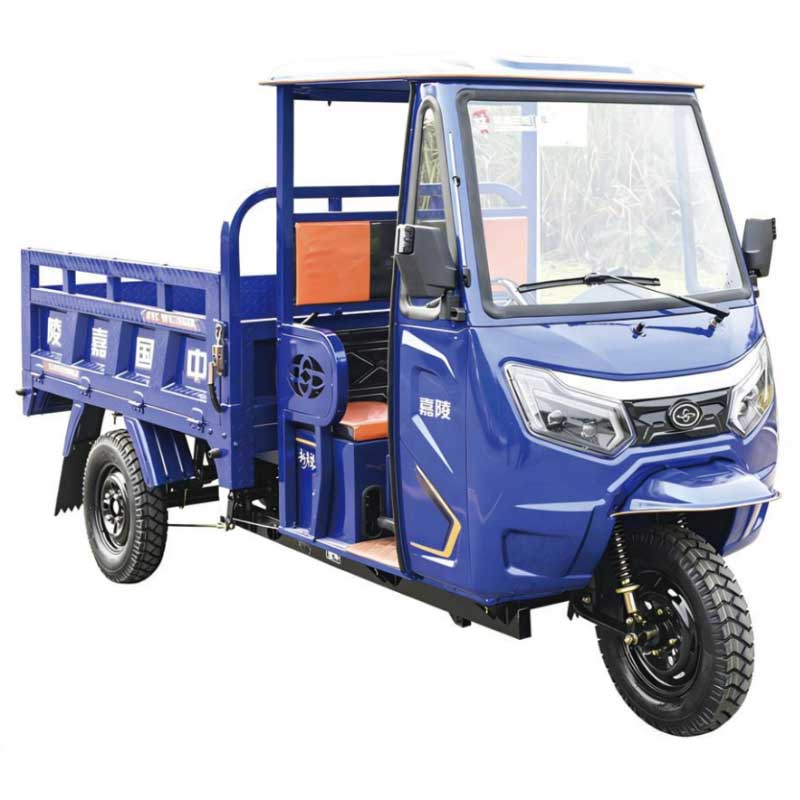
blue Semi-Covered Three-Wheel Cargo Tricycle
-
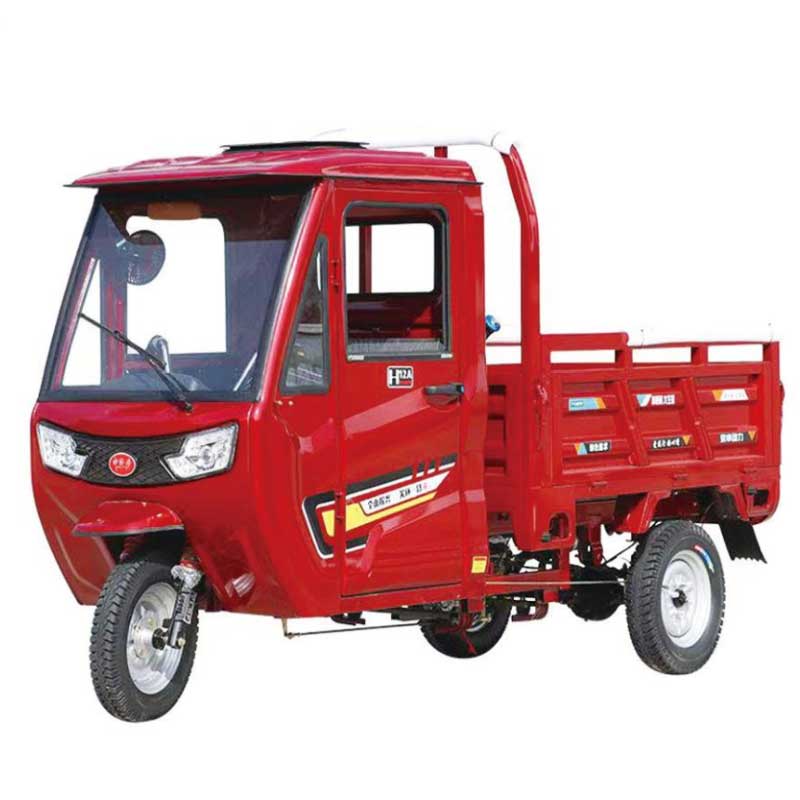
red Semi-Covered Three-Wheel Cargo Tricycle
-
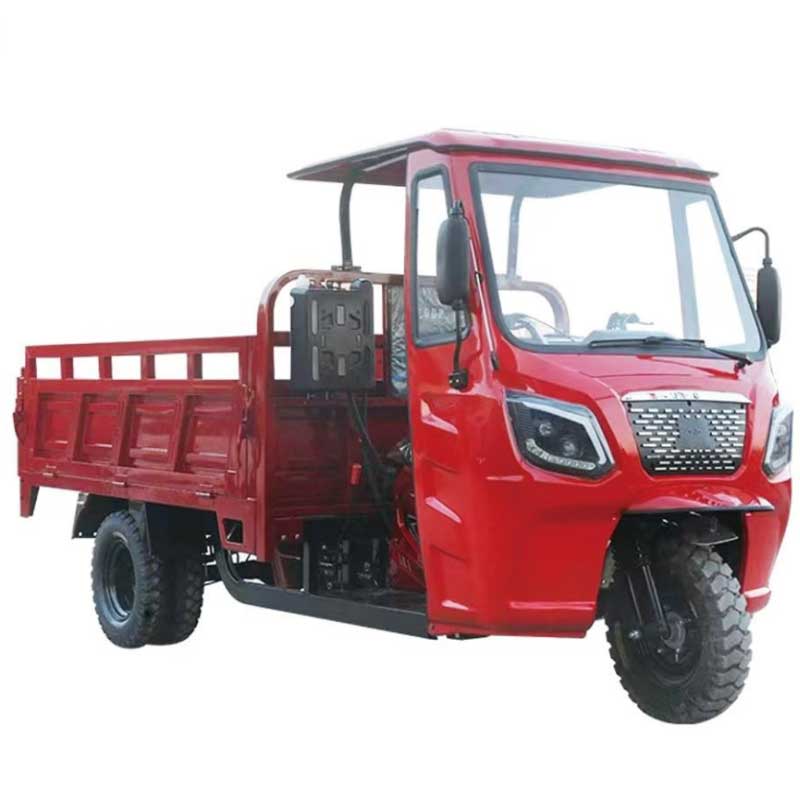
red Semi-Covered Three-Wheel Cargo Tricycle
-
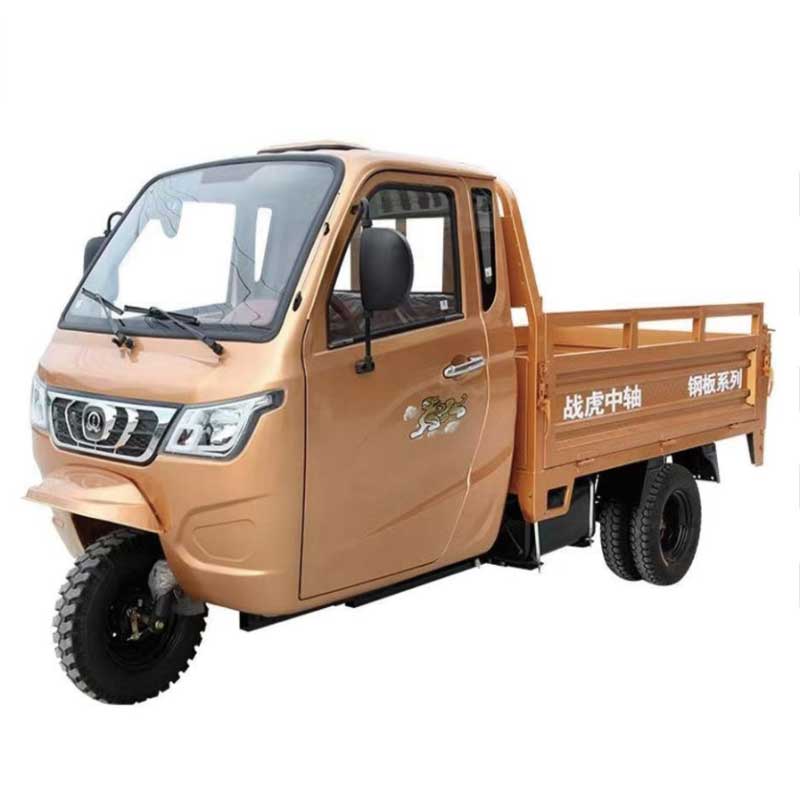
yellow Semi-Covered Three-Wheel Cargo Tricycle
-
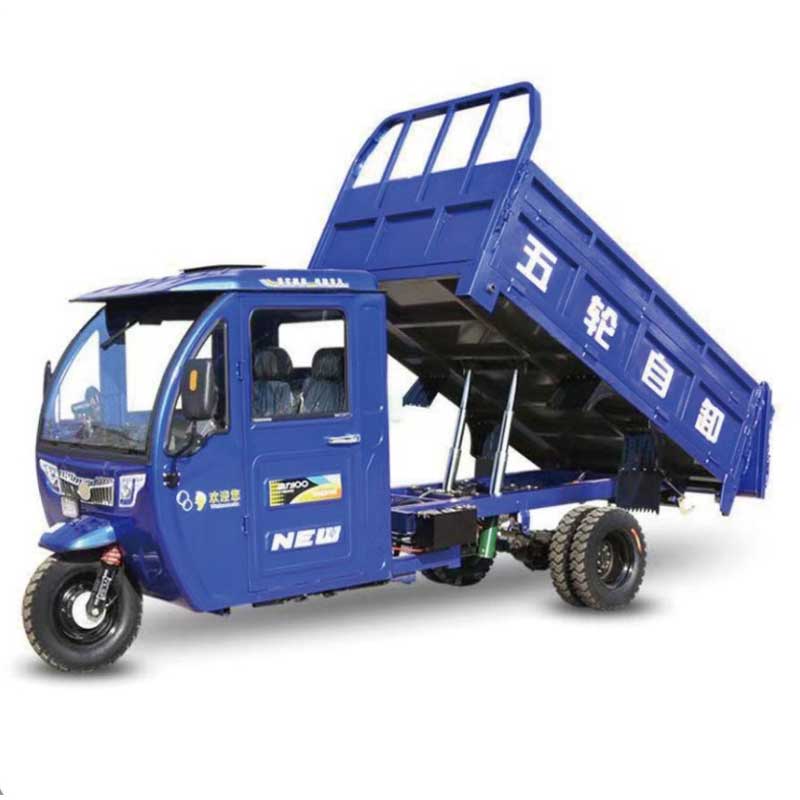
blue Semi-Covered Three-Wheel Cargo Tricycle
-
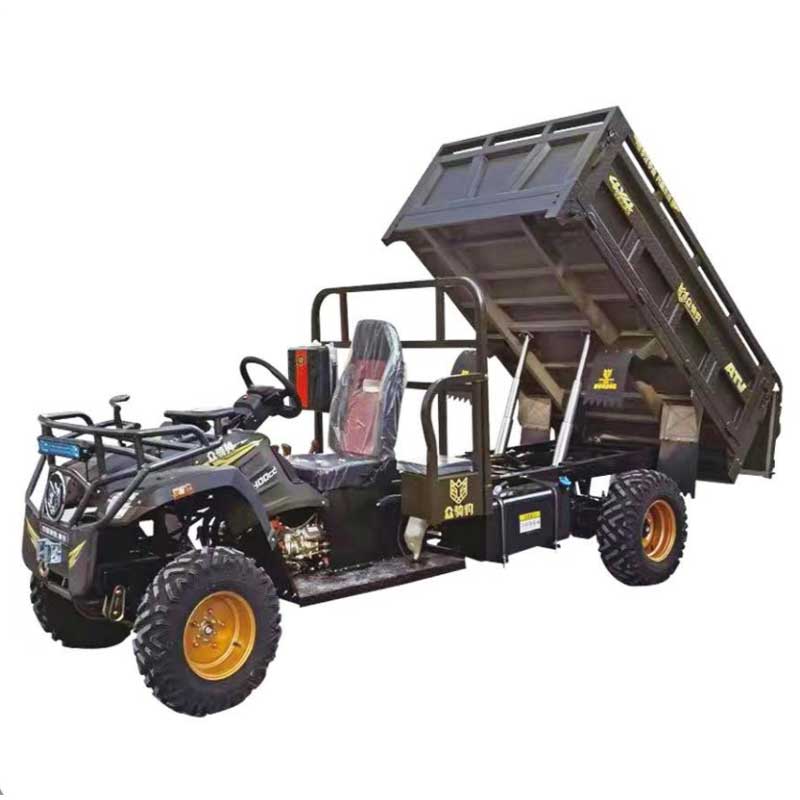
Military route color Semi-Covered Three-Wheel Cargo Tricycle
-
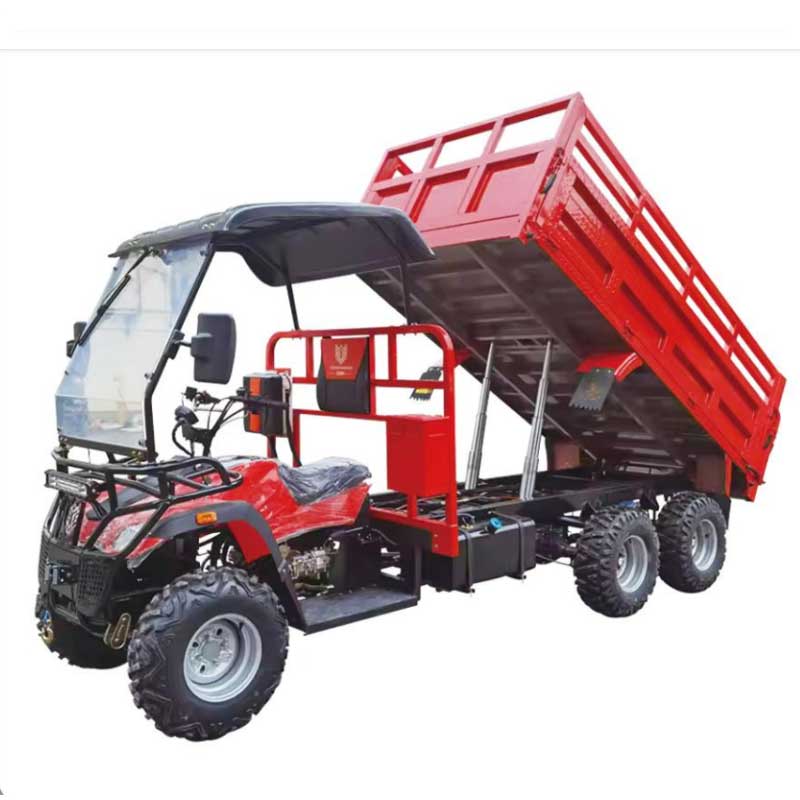
red Semi-Covered Three-Wheel Cargo Tricycle
Renqiu Xianyue Motorcycle Co., Ltd.
Copyright © 2026-2027 https://www.xuanyuetricycle.com. All Rights Reserved Renqiu Xuanyue Motorcycle Co., Ltd.