

 Current location:
NEWS INFORMATION
NEWS INFORMATION
How to Choose Cargo Tuk Tuk for Heavy Load: Engineering Guide
author:xuanyue date:2026-09-30 00:25:44 click:116
Heavy-load operation is the most demanding application a cargo tuk tuk can face, and it is the application where specification errors are most costly. A vehicle that performs reliably at 60% of its rated payload over two years can develop structural fatigue, bearing failure, and braking degradation when consistently loaded to its rating in demanding conditions. The difference between a cargo tuk tuk engineered for heavy load and one marketing a higher payload number is found in the structure, not the specification sheet — and understanding that difference is what this guide is about.
What "Heavy Load" Actually Means for a Three-Wheeler
For a three-wheeled vehicle, heavy load is a structural and dynamic challenge that does not exist to the same degree in four-wheeled vehicles. The three-wheel layout concentrates load on the rear axle and creates specific dynamic behaviours under heavy loads — reduced braking stability, increased body roll in turns, and reduced front-wheel grip during deceleration. A cargo tuk tuk engineered for heavy load addresses these dynamics at the design stage rather than relying on oversized components to compensate.
Before evaluating any vehicle, the buyer should define the actual operating load envelope: the average load, the maximum load, the frequency of maximum-load operation, the load's distribution (point load versus distributed), the terrain profile, and the daily distance. Heavy load is not just about weight — it is about weight multiplied by frequency, terrain severity, and distance.
Chassis and Frame: The Structural Foundation
The chassis is the primary load-bearing structure, and its design determines the vehicle's safe load capacity independent of the component ratings bolted to it. A chassis engineered for heavy load uses thicker gauge steel tube or formed section, additional gussets and reinforcements at the high-stress junctions (rear axle mounts, suspension attachment points, and the front fork crown), and a load platform designed to distribute weight across the structure rather than concentrate it at a few points.
Key checks for the buyer: request the chassis material specification (steel grade and tube wall thickness) and the reinforcement layout. Request the maximum static load test result and the load distribution pattern for the platform. A manufacturer who can produce engineering drawings showing the reinforcement layout and load path is demonstrating genuine design capability; one who can only quote a payload number is not.
Rear Axle, Bearings, and Differential
The rear axle carries the dominant share of the payload, and its design is the most common failure point in overloaded cargo tuk tuks. A heavy-duty rear axle uses a larger shaft diameter, load-rated bearings rather than standard bearings, and a differential designed for the torque and load combination the vehicle will experience. The rear differential — where the vehicle has one — must be rated for the torque output of the motor at maximum load, not just at cruising conditions.
Buyers should request the rear axle load rating, the bearing specification and rating, and the differential torque rating. These are engineering parameters the manufacturer either knows or does not. A vehicle whose rear axle is rated below the claimed payload is one whose payload claim is a marketing statement rather than an engineering specification.
Motor and Powertrain Sizing for Load
Powertrain sizing for a heavy-load cargo tuk tuk must account for the load's effect on rolling resistance and gradient performance. A motor sized for flat-terrain operation at light load will overheat, draw excessive current, and reduce range when carrying a heavy load up a gradient. The appropriate motor size scales with both the payload and the route gradient profile.
For heavy-load applications, the buyer should verify the motor's continuous power rating (not peak power, which is only sustainable briefly), the controller's current rating, and the cooling arrangement for the motor and controller. Heat is the primary failure mode for electric drivetrains under sustained heavy load, and the cooling design — whether the motor uses passive cooling, forced air, or another method — determines whether the system can sustain heavy-load operation without thermal derating.
Braking: The Safety-Critical System Under Load
Braking performance degrades with load, and this is where a heavy-load cargo tuk tuk's design diverges most sharply from a standard model. Braking distances increase with payload; brake fade occurs sooner under sustained heavy-load braking on gradients; and braking stability is affected by the load-dependent weight distribution. Under heavy load, a three-wheeler's front wheel carries significantly less proportional weight, which increases the risk of front-wheel lockup and loss of steering control under hard braking.
A vehicle engineered for heavy load addresses this with larger brake drums or discs, load-proportional braking (where the braking system adjusts front-rear brake force distribution based on load), and in some designs, regenerative braking that supplements the friction brakes and reduces fade. Buyers should verify brake system specifications against the intended payload, not against the base vehicle's rating.
Tyres, Suspension, and Load Distribution
Tyres are the contact point between vehicle and road, and their specification must match the load. A heavy-load cargo tuk tuk requires tyres with a load rating (marked on the sidewall) above the maximum expected axle load, with a reinforced sidewall construction appropriate for the load and terrain. Under-rated tyres fail through sidewall failure and tread separation under sustained heavy load.
Suspension design for heavy load prioritises load-carrying capacity over comfort. Helper springs, heavy-duty shock absorbers, and in some designs, load-leveling arrangements distribute the load and maintain vehicle attitude under varying payloads. The buyer should verify suspension load rating and the vehicle's behaviour when carrying partial versus full load — a suspension that sags visibly under maximum load indicates the design is operating at or beyond its limit.
Verification: Testing the Heavy-Load Claim
The most reliable way to evaluate a heavy-load cargo tuk tuk is to test it at the intended load. Request a loaded demonstration — the manufacturer or a reference customer operating the vehicle at or near the intended payload, on terrain comparable to the buyer's routes. Where a physical test is not possible, request the engineering documentation: chassis drawings, axle ratings, motor thermal test data, and braking performance at rated load. A manufacturer who can provide this documentation and who welcomes loaded testing is a manufacturer whose heavy-load claim is grounded in engineering; one who deflects the request is not.
FAQ
What is the maximum payload a heavy-load cargo tuk tuk can carry?
Heavy-duty cargo tuk tuk models are available with rated payloads spanning a wide range, from several hundred kilograms to over a tonne, depending on chassis design, axle specification, and motor size. The relevant figure is the payload rated for continuous commercial operation, not a maximum that the vehicle can carry briefly. Buyers should specify the payload they require and verify it against the engineering documentation.
How do I know if a cargo tuk tuk's payload rating is realistic?
Request the chassis material specification and reinforcement drawings, the rear axle load rating, and the motor's continuous power rating. Cross-check the rear axle rating against the claimed payload — the axle rating is the hard engineering limit. A rating below the claimed payload indicates a marketing specification rather than an engineering one.
Can a standard cargo tuk tuk be upgraded for heavy load?
Some upgrades are possible — reinforced springs, higher-load tyres, brake upgrades — but the fundamental limits are set by the chassis structure and axle design, which cannot be economically upgraded after production. A vehicle not designed for heavy load cannot be safely converted into one by adding components.
What causes premature failure in heavy-load cargo tuk tuks?
The most common causes are operating above the rear axle's load rating, under-rated tyres failing under sustained load, motor and controller overheating from undersized cooling, and brake fade on gradient routes. All of these trace to specification mismatches between the vehicle and its actual operating load.
Does electric or petrol work better for heavy-load cargo tuk tuk applications?
Both are viable, with different trade-offs. Electric drivetrains deliver high torque at low speed, which suits heavy-load acceleration and gradient climbing, but require adequate motor and controller cooling for sustained heavy-load operation. Combustion engines tolerate sustained heavy load with less thermal sensitivity but deliver less torque at low speed and incur higher fuel and maintenance costs. Match the powertrain to the route profile and daily distance.
Conclusion
Choosing a cargo tuk tuk for heavy load is an engineering exercise, and the criteria that matter are structural — chassis design, axle and bearing ratings, motor thermal capacity, braking performance under load, and tyre load rating — not the payload number on a specification sheet. Buyers who define their actual operating load envelope, verify each critical component against that load, and insist on engineering documentation and loaded testing are positioned to select a vehicle that will perform reliably over years of demanding commercial service. The buyers who select on the headline payload claim alone are the buyers who will be replacing premature failures and absorbing the downtime cost.
References
Das, S., & Pandey, A. (2023). "Total Cost of Ownership: Three-Wheelers vs Light Trucks in Urban Delivery." Journal of Transport Geography, 109, 78–92.
Gillespie, T.D. (2021). "Fundamentals of Vehicle Dynamics." SAE International, Revised Edition.
Holguín-Veras, J., & González-Calderón, C. (2023). "Freight Trip Generation Models for Urban Three-Wheeled Delivery Vehicles." Transportation Research Part E, 176, 103–118.
Wong, J.Y. (2020). "Theory of Ground Vehicles." Wiley, 5th Edition.
-
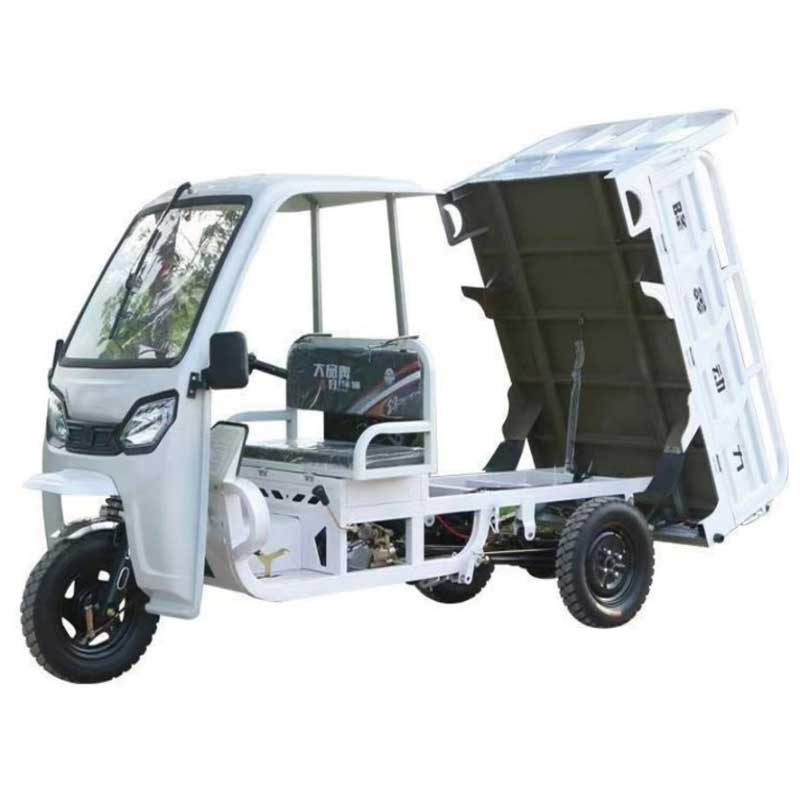
White Semi-Covered Three-Wheel Cargo Tricycle
-
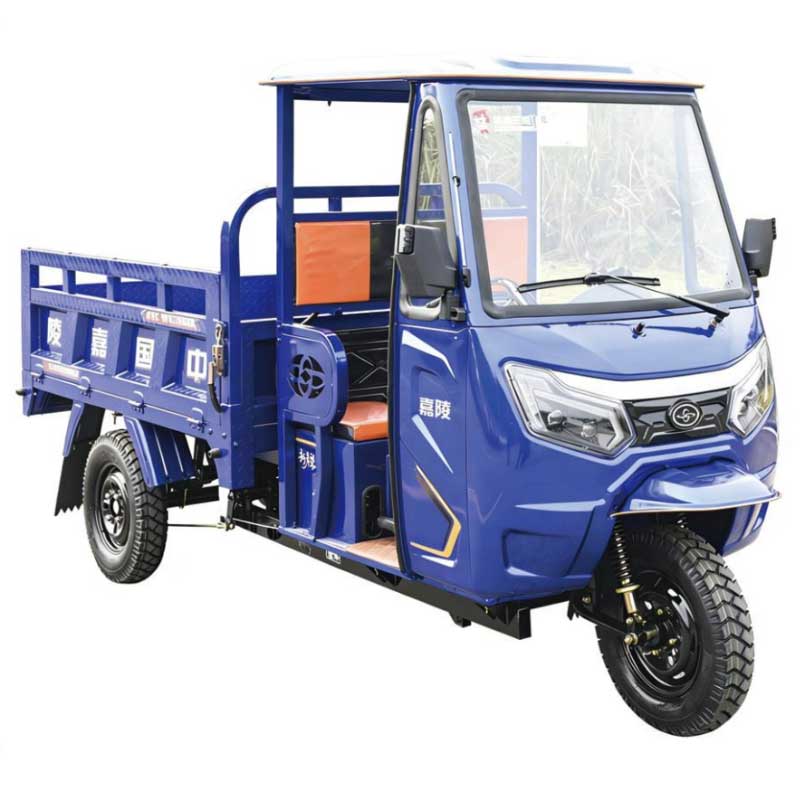
blue Semi-Covered Three-Wheel Cargo Tricycle
-
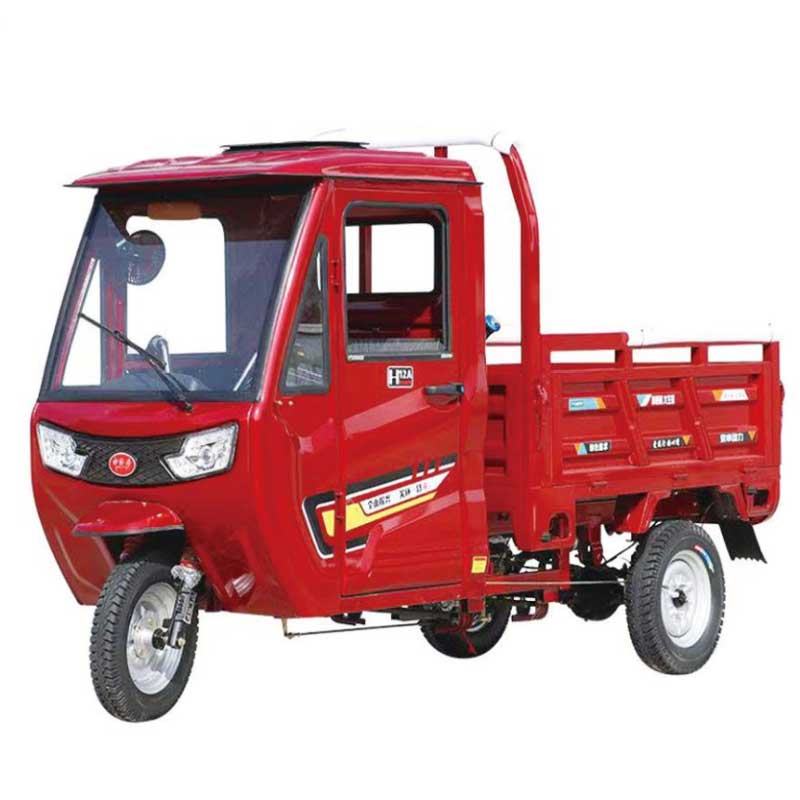
red Semi-Covered Three-Wheel Cargo Tricycle
-
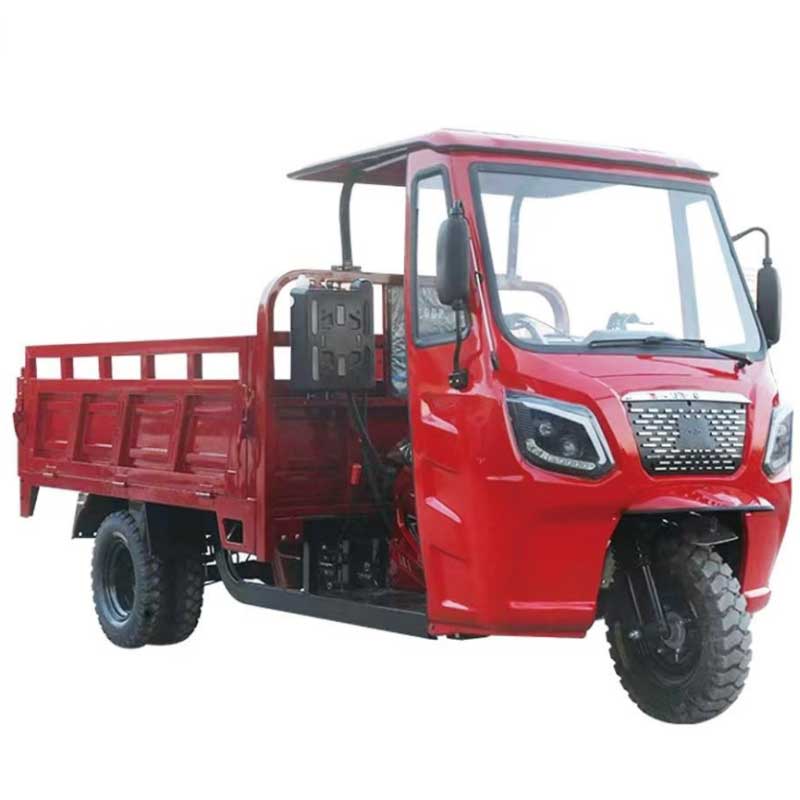
red Semi-Covered Three-Wheel Cargo Tricycle
-
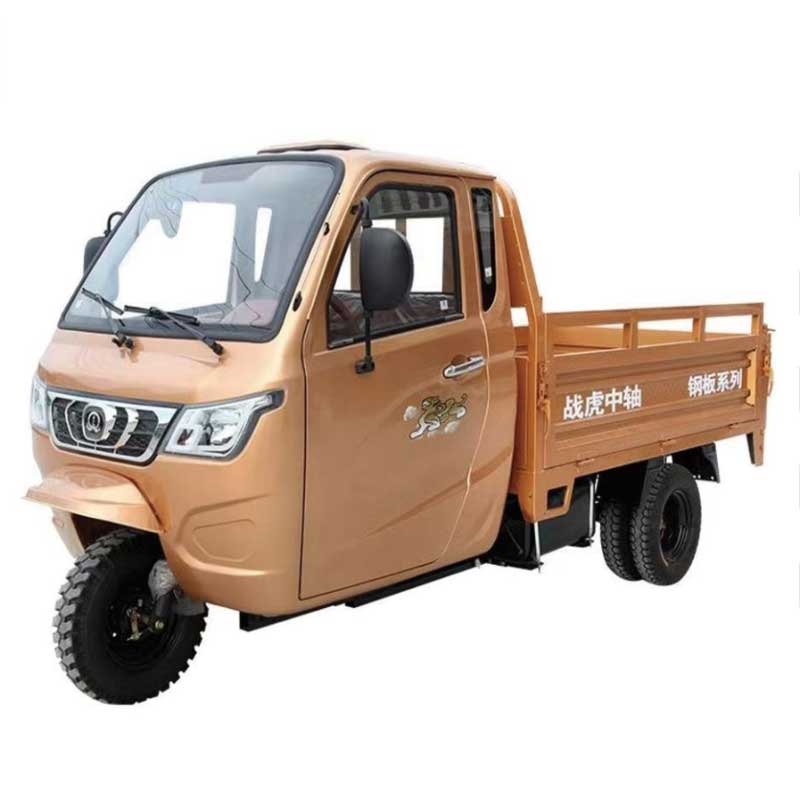
yellow Semi-Covered Three-Wheel Cargo Tricycle
-
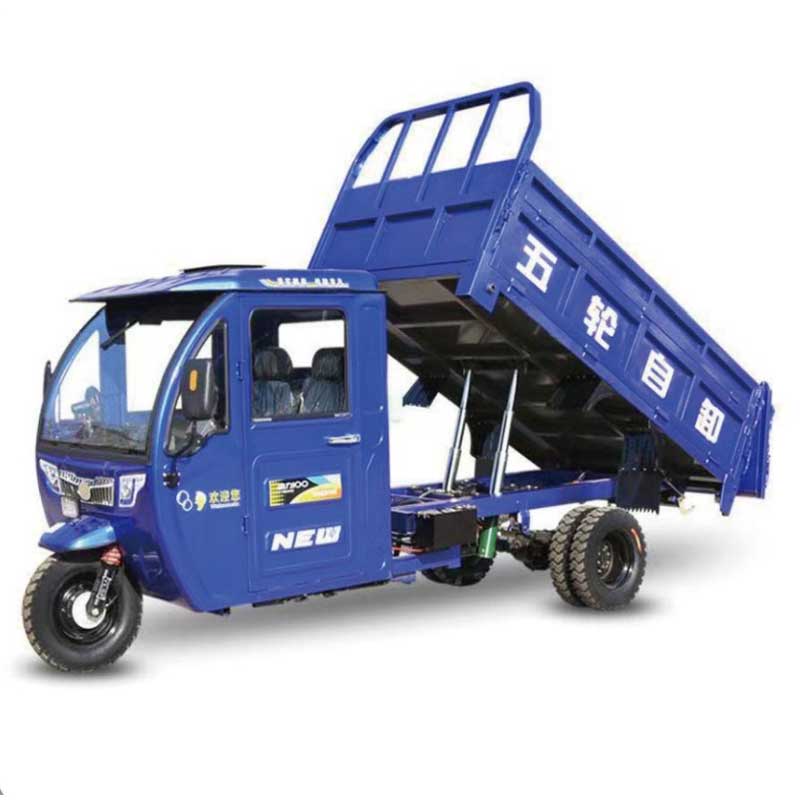
blue Semi-Covered Three-Wheel Cargo Tricycle
-
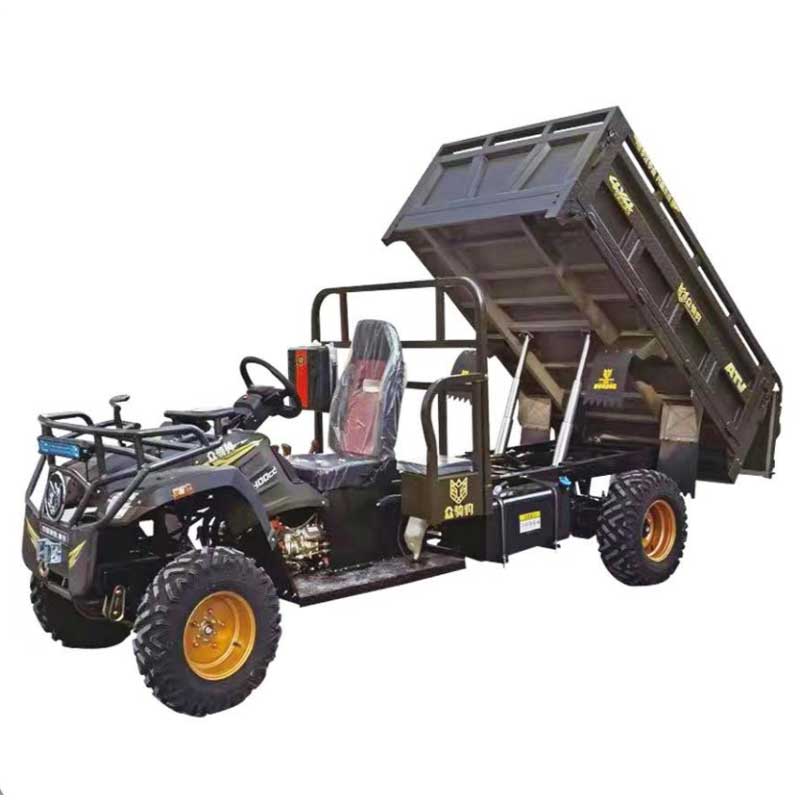
Military route color Semi-Covered Three-Wheel Cargo Tricycle
-
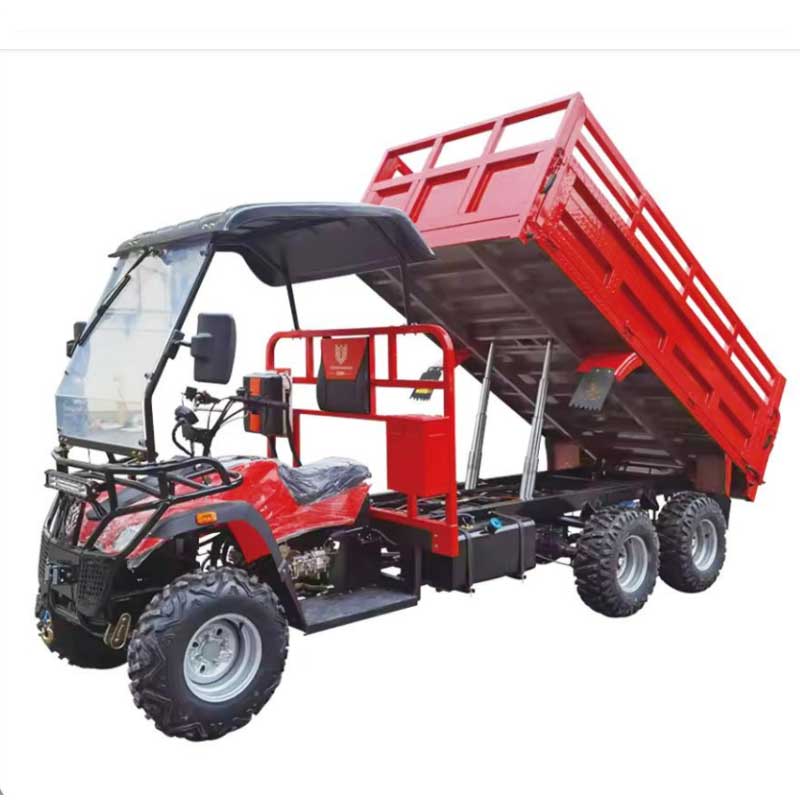
red Semi-Covered Three-Wheel Cargo Tricycle
Renqiu Xianyue Motorcycle Co., Ltd.
Copyright © 2026-2027 https://www.xuanyuetricycle.com. All Rights Reserved Renqiu Xuanyue Motorcycle Co., Ltd.