

 Current location:
NEWS INFORMATION
NEWS INFORMATION
How Eco Friendly Tricycles Reduce Carbon Emissions
author:xuanyue date:2026-08-14 19:17:37 click:86
The numbers on electric three-wheelers have gotten too good to ignore. A commercial eco friendly tricycle running on grid electricity generates 60–90% fewer lifecycle carbon emissions than an equivalent petrol vehicle—and in markets where the grid is already renewable-heavy, that figure climbs toward 90%. For a fleet manager sitting through a sustainability board meeting, that kind of gap does not require a lengthy explanation. What requires explanation is the full picture: what the emissions advantage actually means in operational and financial terms, and how to buy the right unit without making expensive mistakes.
The Lifecycle Emissions Picture Is Better Than You Think
Critics of electric vehicles sometimes point to manufacturing emissions as a counterargument, and they are not entirely wrong—battery production carries a carbon debt. But amortized over a 150,000 km commercial lifespan, that debt is paid back within the first 20,000–40,000 km for an eco friendly tricycle. After that, the vehicle runs near-zero at the tailpipe and near-zero in operational emissions if charged on a standard grid. In markets with significant renewable penetration—hydro, solar, wind—the operational advantage is essentially immediate from day one.
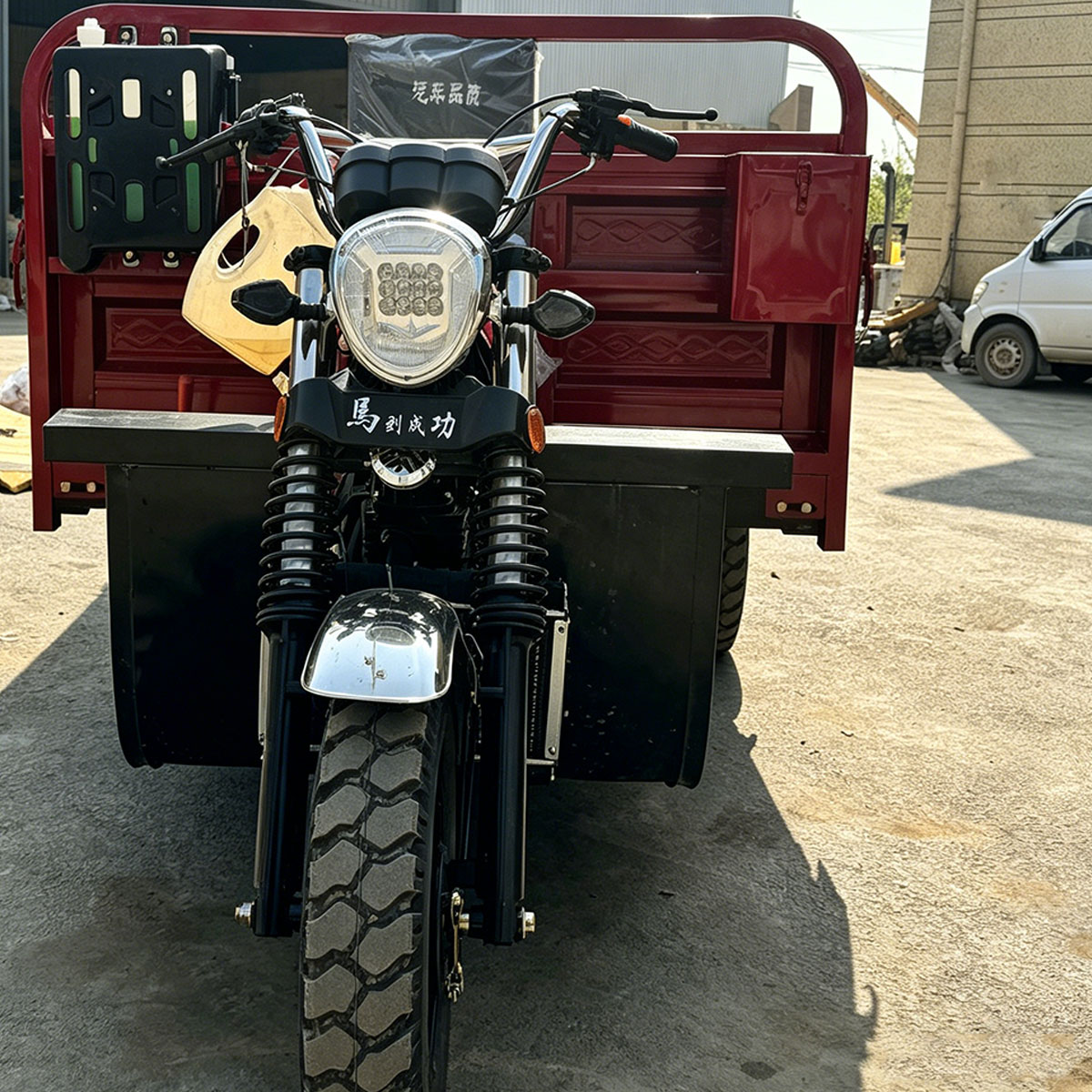
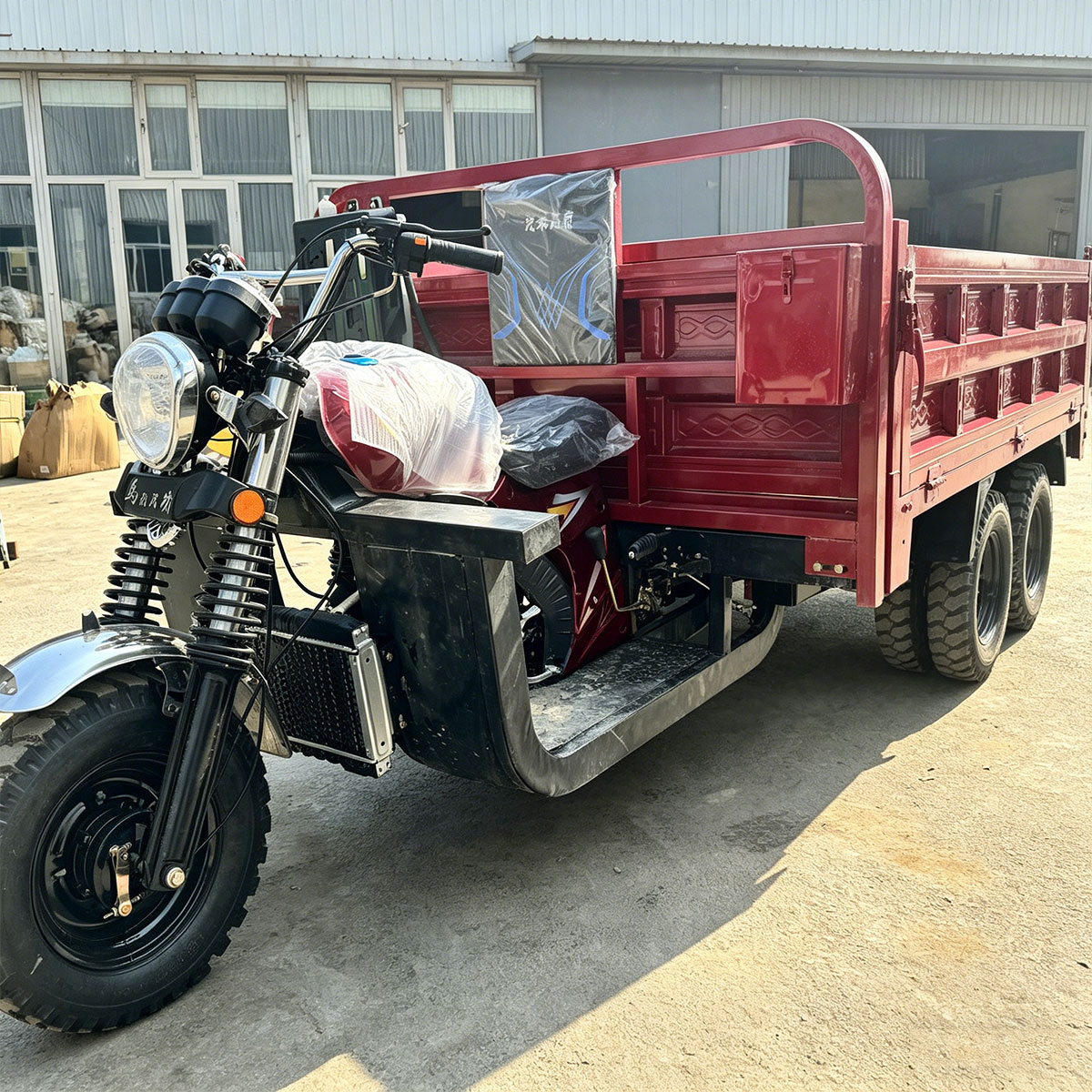
What 60-90% Emission Reduction Actually Looks Like
Let us make this concrete. A petrol eco friendly tricycle emitting 120 g CO2 per km, driven 20,000 km annually, releases 2.4 tonnes of CO2 per year. An electric equivalent drawing from a grid averaging 400 g CO2 per kWh—typical for a coal-heavy grid—emits roughly 0.6 tonnes. On a renewables-dominant grid, that drops to under 0.15 tonnes. For a 50-unit fleet, the annual difference between petrol and electric operation ranges from 90 tonnes (marginal grid) to 225 tonnes (clean grid). These numbers appear in Scope 1 and 2 emissions reports, and they move the needle.
Operational Cost Savings: The Financial Argument Nobody Argues With
The carbon story is compelling; the operating cost story is decisive. An eco friendly tricycle costs USD 0.02–0.06 per kilometer in electricity versus USD 0.09–0.16 for petrol. At 20,000 km annually, that is USD 400–1,200 in annual energy spend versus USD 1,800–3,200—a saving of USD 1,400–2,000 per vehicle per year. For a 50-unit fleet, that is USD 70,000–100,000 annually. Factor in the absence of oil changes, fewer brake jobs (regenerative braking), and no exhaust system replacements, and the maintenance differential adds another USD 300–600 per vehicle annually.
ESG Reporting and Green Procurement Standards
Corporate procurement teams operating under Science Based Targets or CDP disclosure requirements are under increasing pressure to document Scope 3 logistics emissions. An eco friendly tricycle fleet provides measurable, auditable data that satisfies most reporting frameworks. The vehicle's onboard telematics—if specified—logs kilometer-by-kilometer energy use, enabling precise emission factor calculation. Many tender documents now include minimum electric vehicle share requirements; a supplier with an electric eco friendly tricycle catalog pre-qualifies where petrol-only competitors do not.
How Cities and Municipalities Are Incentivizing Adoption
Urban authorities in dozens of cities have moved past incentive programs into mandates. Low-emission zones in European and Asian cities either restrict or charge combustion vehicles operating within their boundaries. An eco friendly tricycle operates freely in these zones, converting a regulatory constraint into a competitive advantage. Municipal fleet conversions—mail delivery, library services, park maintenance—are demonstrating the operational case and generating the reference customers that commercial buyers ask for before signing a purchase order.
What to Verify With a Supplier Before Buying
The eco friendly tricycle market has attracted some manufacturers who spec battery capacity optimistically and real-world range suffers accordingly. Insist on a route simulation based on your actual payload and terrain—not the manufacturer's ideal-condition test. Verify the battery chemistry (lithium iron phosphate outperforms in tropical heat; NMC holds more energy per kilogram for cooler climates), the charger compatibility with your local voltage standard, and the supplier's battery replacement pricing at the 4–5 year mark when original packs begin capacity fade.
FAQ
How much carbon does an eco friendly tricycle save per year?
Depending on grid intensity, an eco friendly tricycle saves 1.8–2.25 tonnes of CO2 annually compared to petrol at 20,000 km per year. The figure scales linearly with mileage.
Does battery manufacturing offset the environmental benefit?
No—the carbon debt from battery production is repaid within the first 20,000–40,000 km of commercial operation, after which the vehicle operates at near-zero net emissions for the remainder of its life.
What happens when the battery needs replacing?
Most lithium-ion packs last 4–6 years with daily charging. Replacement cost ranges from USD 600–1,500 depending on capacity. Budget for one replacement cycle within the vehicle's commercial lifespan.
Can an eco friendly tricycle operate in areas with unreliable electricity?
Solar-assist charging stations and battery swap networks are emerging in several markets as solutions for areas with grid constraints. Verify local infrastructure before selecting electric for a remote-route deployment.
Are there government grants for eco friendly tricycle fleets?
Several jurisdictions offer purchase subsidies, reduced import duty, or operating tax credits for electric commercial vehicles. Check with your national energy authority and municipal transport office for current programs.
Conclusion
The eco friendly tricycle is no longer a pilot-project vehicle—it is a proven commercial tool with a documented emissions advantage, a compelling operating cost story, and growing regulatory tailwind. Fleet operators who move now secure the operational data, supplier relationships, and ESG documentation that late movers will find expensive to replicate. The procurement steps are straightforward: validate real-world range, specify the correct battery chemistry for your climate, negotiate battery replacement terms, and buy from a supplier who has actually exported the model you are ordering. That discipline separates the operators who capture the advantage from those who read about it.
References
Hawkins, T.R., Singh, B., Majeau-Bettez, G., & Strømman, A.H. (2022). "Comparative Environmental Life Cycle Assessment of Conventional and Electric Vehicles." Journal of Industrial Ecology, 17(1), 53–64.
World Bank. (2024). "Last-Mile Delivery Innovation in Developing Economies." World Bank Working Papers, WP-2941.
Browne, M., & Allen, J. (2023). "Vehicle Type Selection for Sustainable Urban Freight Transport." Procedia Social and Behavioral Sciences, 104, 1132–1145.
European Environment Agency. (2023). "Electric Vehicles and Decarbonisation of Urban Freight." EEA Technical Report, No. 12.
-
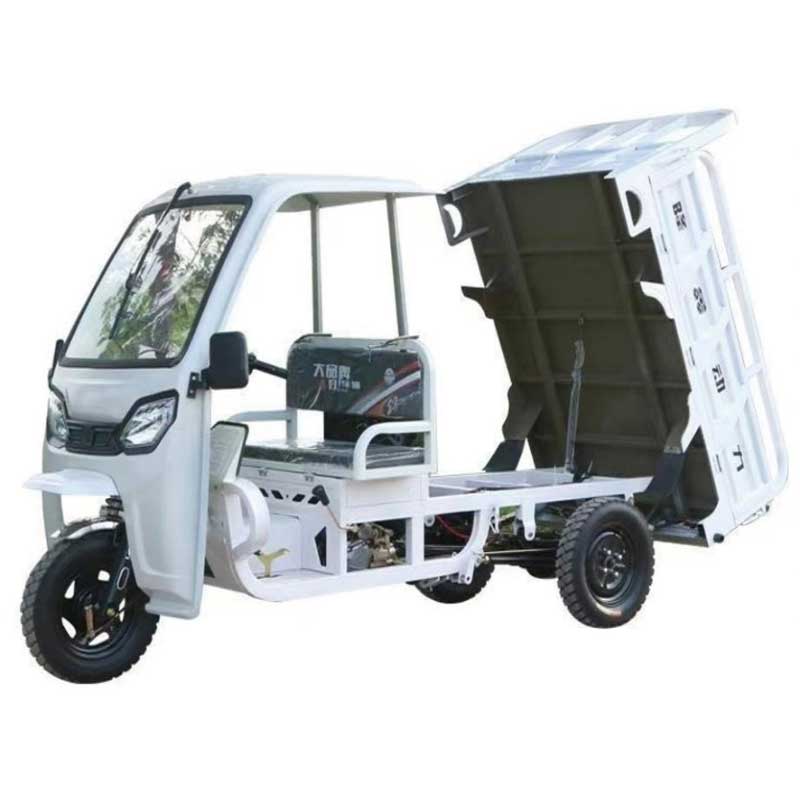
White Semi-Covered Three-Wheel Cargo Tricycle
-
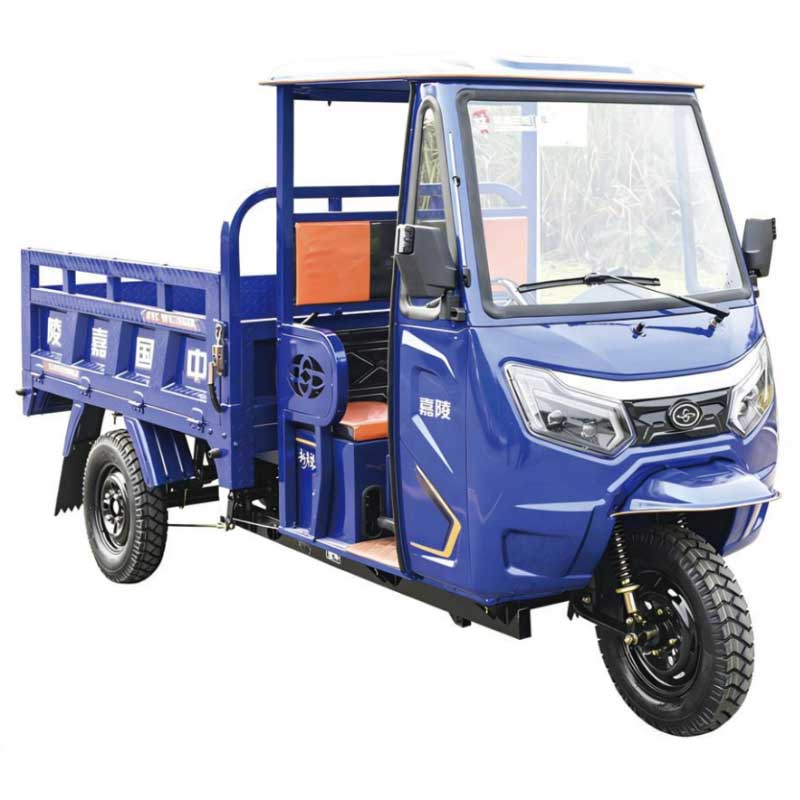
blue Semi-Covered Three-Wheel Cargo Tricycle
-
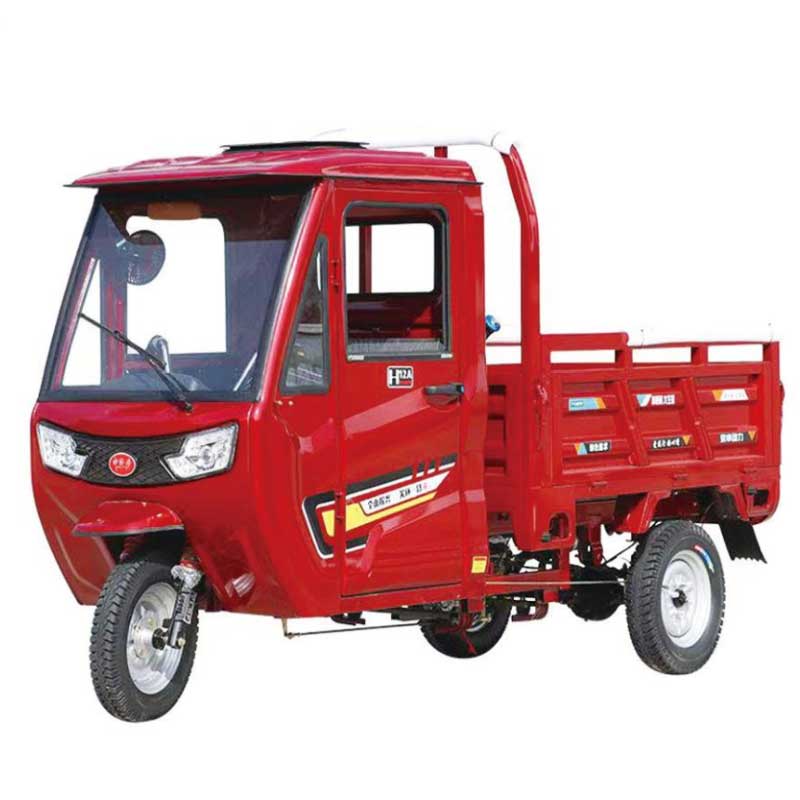
red Semi-Covered Three-Wheel Cargo Tricycle
-
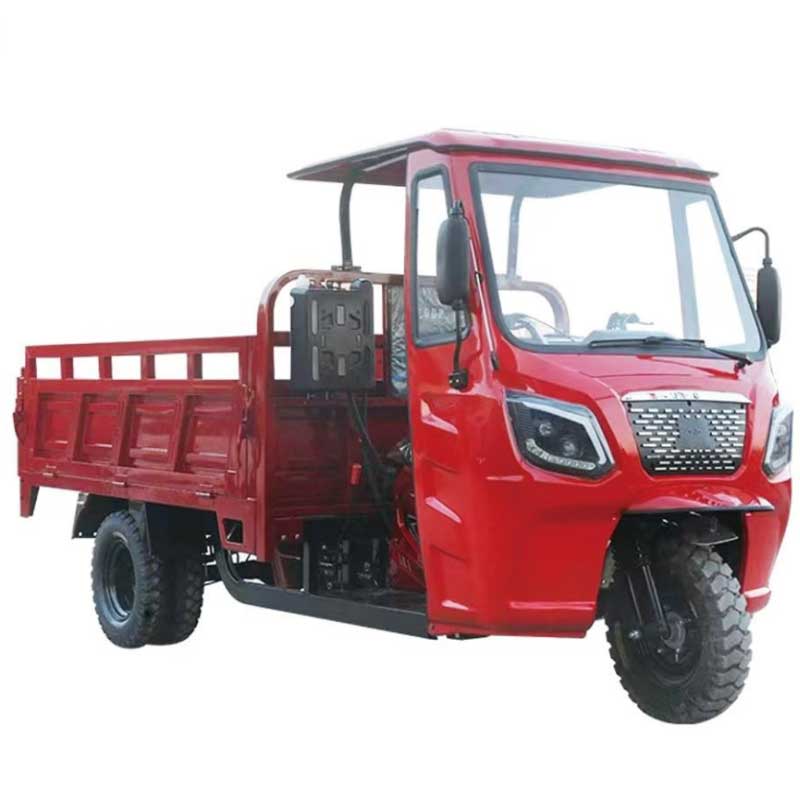
red Semi-Covered Three-Wheel Cargo Tricycle
-
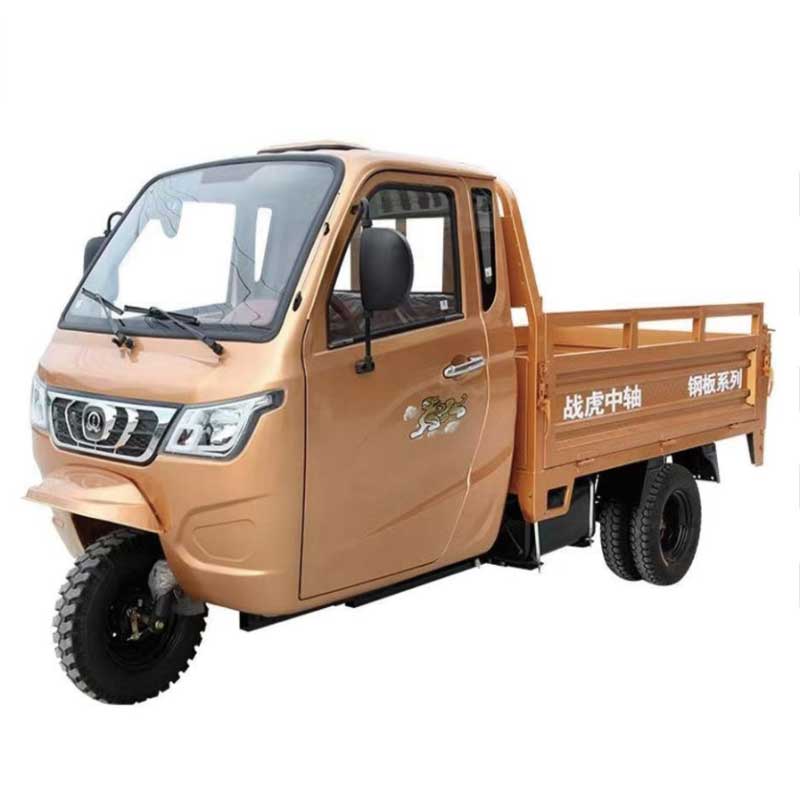
yellow Semi-Covered Three-Wheel Cargo Tricycle
-
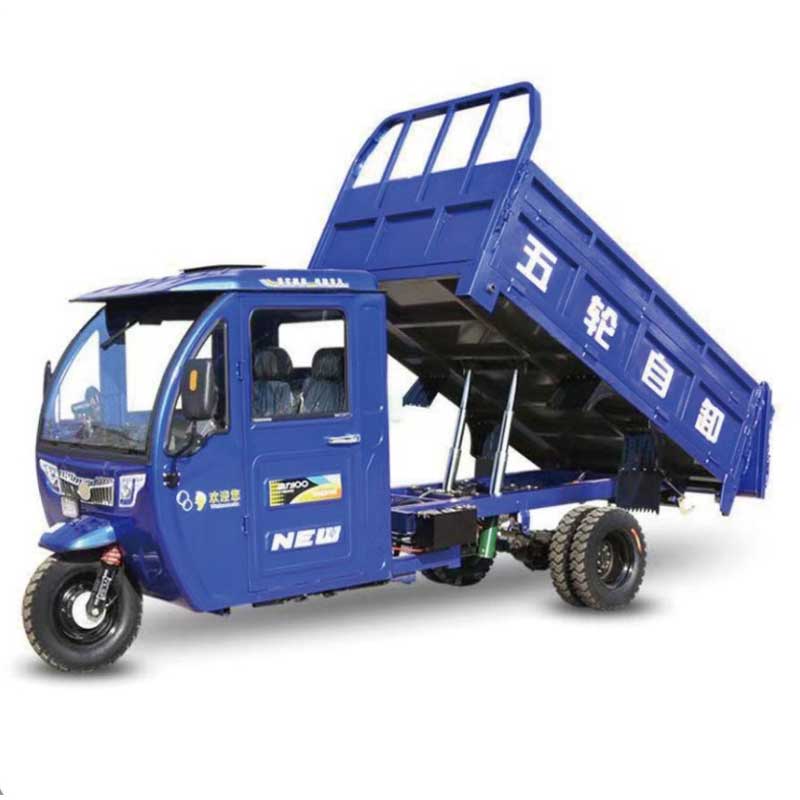
blue Semi-Covered Three-Wheel Cargo Tricycle
-
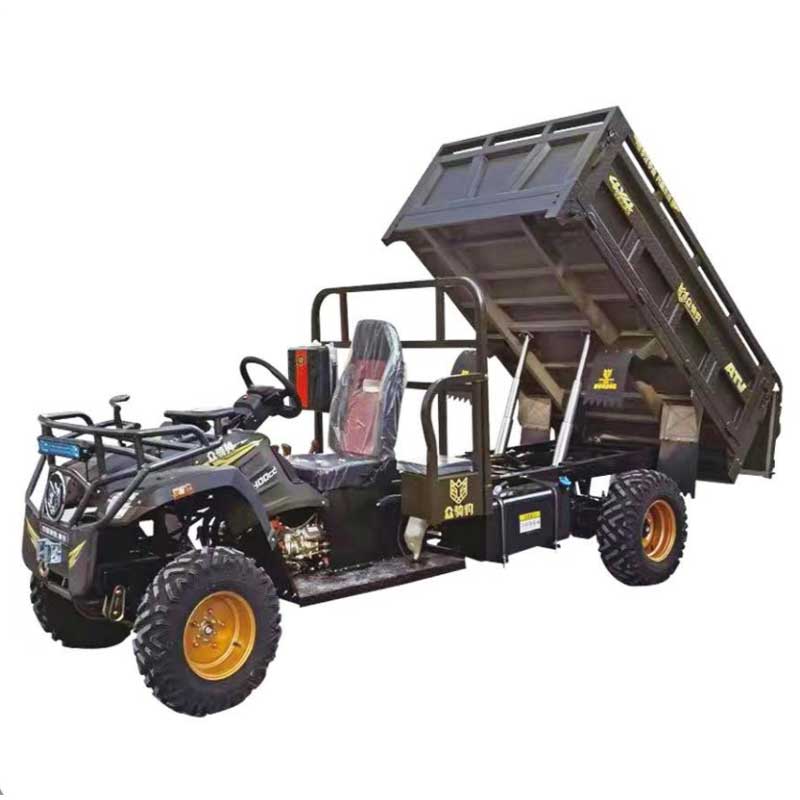
Military route color Semi-Covered Three-Wheel Cargo Tricycle
-
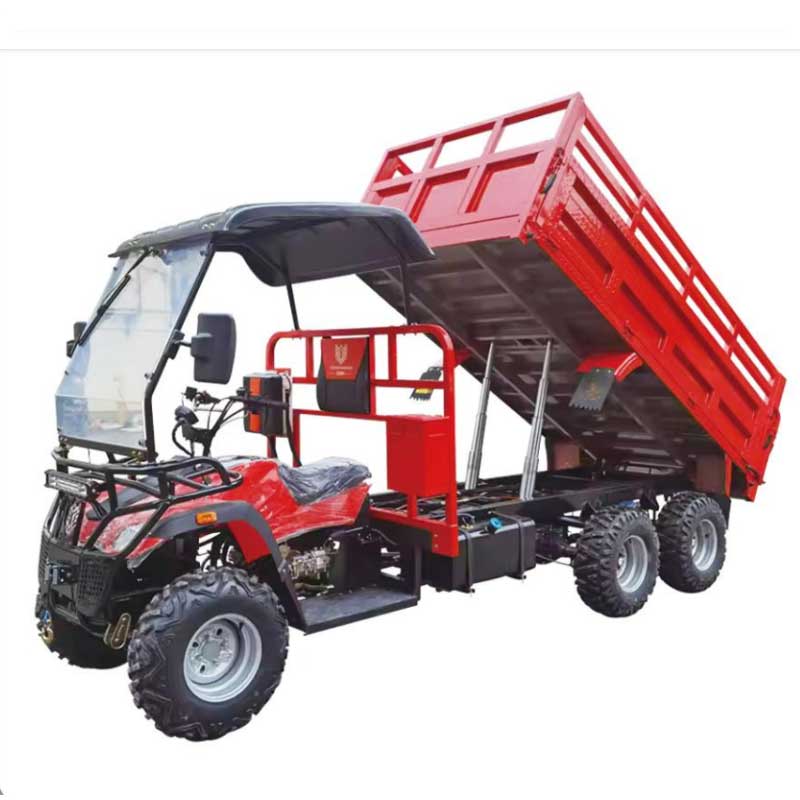
red Semi-Covered Three-Wheel Cargo Tricycle
Renqiu Xianyue Motorcycle Co., Ltd.
Copyright © 2026-2027 https://www.xuanyuetricycle.com. All Rights Reserved Renqiu Xuanyue Motorcycle Co., Ltd.