

 Current location:
NEWS INFORMATION
NEWS INFORMATION
Government Incentives for Eco Friendly Vehicles: A Practical Guide
author:xuanyue date:2026-10-17 18:55:19 click:148
The purchase decision for a clean commercial vehicle is rarely made on the sticker price alone. In many markets, public support — in the form of purchase subsidies, tax relief, or infrastructure investment — materially changes the economics of adopting an electric or low-emission three-wheeler. The challenge is that these programmes are fragmented: different agencies administer them, eligibility criteria vary, and the value changes as budgets and policy priorities shift. Understanding the structure of incentives is the first step to capturing them.
The Main Categories of Clean Vehicle Incentive
Public support for eco friendly vehicles typically takes one of four forms, and a single market may offer several simultaneously.
Purchase Subsidy or Grant
A direct subsidy reduces the acquisition cost at the point of purchase or through a rebate claimed afterward. Subsidies may be structured per vehicle, per battery capacity, or as a fixed percentage of the purchase price, and they may apply to the buyer directly or to the manufacturer with the benefit passed through. The value and availability depend on the administering programme's budget and policy cycle.
Tax Benefit
Tax-based support takes several forms: exemption or reduction of value-added or sales tax on the vehicle, accelerated depreciation for business purchasers, or a tax credit applied against corporate or income tax. Tax benefits favour registered businesses that can use the deduction or credit, and their value depends on the buyer's tax position.
Registration and Road-Use Relief
Some programmes reduce or waive registration fees, vehicle excise duties, or road-use charges for clean vehicles. These are typically smaller in absolute value than purchase subsidies but recur annually, and they reduce the operating cost of the vehicle over its life.
Charging and Infrastructure Support
Infrastructure support — grants for charging installation, public charging networks, or favourable electricity tariffs for commercial charging — reduces the operating cost of electric vehicles indirectly. For fleets, the availability of charging infrastructure is often as important as the vehicle subsidy, because it determines whether electric operation is practical.
Typical Eligibility Criteria
Incentive eligibility is rarely automatic, and the criteria determine whether a specific purchase qualifies. Common criteria include vehicle classification — the vehicle must fall within the category the programme supports, which for three-wheelers means confirming the local L-category or equivalent classification; emissions or electrification threshold — the vehicle must meet a defined emissions or electrification standard; origin or assembly requirement — some programmes require local assembly or sourcing; buyer type — subsidies may be restricted to businesses, to first-time adopters, or to operators in specific sectors such as logistics or public transport; and documentation — proof of purchase, registration, and compliance with the relevant standard is normally required.
How to Verify What Applies to Your Purchase
Because programmes differ by jurisdiction and change over time, the buyer must verify the current position rather than rely on general knowledge. The verification steps are: identify the administering authority for clean vehicle incentives in the destination market; confirm the vehicle's classification and whether it qualifies under the current programme; obtain written confirmation of eligibility where possible; and retain the documentation required for the claim — purchase invoice, registration certificate, and compliance certificate. A supplier familiar with the destination market can often advise on eligibility, but the buyer should confirm with the authority, because the supplier's guidance does not substitute for official confirmation.
Application Process: What to Expect
Incentive application processes follow a common pattern. Some subsidies are applied at the point of sale, with the dealer or manufacturer handling the paperwork and deducting the amount from the price. Others require the buyer to claim afterward, submitting proof of purchase and registration to the administering agency and waiting for reimbursement. Tax-based benefits are claimed through the normal tax filing process, using the vehicle's classification and compliance documentation as support. The timeline for reimbursement varies; buyers should plan cash flow assuming the incentive arrives after the purchase rather than before.
Common Pitfalls That Cost Buyers the Incentive
Several errors cause otherwise-qualifying buyers to miss the support. Purchasing before confirming eligibility — the vehicle or buyer may not meet the criteria, or the programme may have closed. Failing to retain documentation — the claim requires the purchase invoice, registration, and compliance certificate, and missing paperwork blocks the claim. Assuming the supplier handles the claim — many incentives require the buyer to apply, and the supplier's involvement is limited to providing documentation. And missing the application window — programmes often have deadlines measured from the purchase or registration date.
Strategic Timing of Adoption
Incentive programmes are subject to budget cycles and policy change, and the value available at one point may not be available later. Buyers planning fleet adoption should monitor the programme status in their market and time purchases to capture support where it exists, while avoiding the error of delaying a sound operational decision indefinitely waiting for a programme that may not materialise. The incentive is a contributor to the business case, not the foundation of it; the underlying vehicle economics should stand on their own.
FAQ
What types of government incentive exist for eco friendly vehicles?
The main categories are purchase subsidies or grants, tax benefits (exemption, credit, or accelerated depreciation), registration and road-use relief, and charging or infrastructure support. A given market may offer one or several of these, administered by different agencies with different criteria.
Does an electric cargo or passenger tricycle qualify for clean vehicle incentives?
Eligibility depends on the market's vehicle classification and the programme's defined criteria. Three-wheeled electric vehicles may qualify where the programme includes the relevant L-category or equivalent classification and the vehicle meets the electrification or emissions threshold. Confirm the specific classification and threshold with the administering authority.
How do I apply for an EV purchase subsidy?
The process varies: some subsidies are applied at the point of sale by the dealer, while others require a post-purchase claim with proof of purchase, registration, and compliance documentation. Obtain the claiming procedure from the administering agency and retain all required documents from the moment of purchase.
Can a business claim tax benefits for an eco friendly tricycle fleet?
In markets that offer tax-based support, registered businesses can often use exemptions, credits, or accelerated depreciation, subject to the vehicle meeting the programme's criteria and the business's tax position. The value depends on local tax rules and the buyer's circumstances; confirm with a qualified tax adviser in the relevant jurisdiction.
Should I delay my purchase to wait for a better incentive?
Only if the underlying vehicle economics are already sound without the incentive. Incentives are a contributor to the business case, not its foundation. Where a programme is confirmed and active, timing the purchase to capture it is reasonable; delaying indefinitely for an uncertain future programme is not.
Conclusion
Government support for eco friendly vehicles can improve the economics of adopting a clean three-wheeler, but the support is fragmented, jurisdiction-specific, and subject to change. The practical path is to understand the categories of incentive, verify eligibility for the specific vehicle and market through the administering authority, retain the documentation required for the claim, and apply within the required window. Buyers who treat the incentive as a confirmed contributor rather than a speculative one — and who build the vehicle's business case on its own operating economics — avoid both missing legitimate support and making a poor decision based on incentives that do not materialise.
References
International Energy Agency. (2024). "Global EV Outlook 2024: Policy and Incentive Frameworks." IEA Publications, Paris.
International Council on Clean Transportation. (2023). "Incentive Design for Two- and Three-Wheeler Electrification." ICCT Working Paper, Washington, D.C.
World Bank. (2024). "Fiscal and Regulatory Support for Electric Two- and Three-Wheelers." World Bank Transport Notes, Washington, D.C.
United Nations Environment Programme. (2023). "Electric Mobility Policy Toolkit for Developing Economies." UNEP, Nairobi.
-
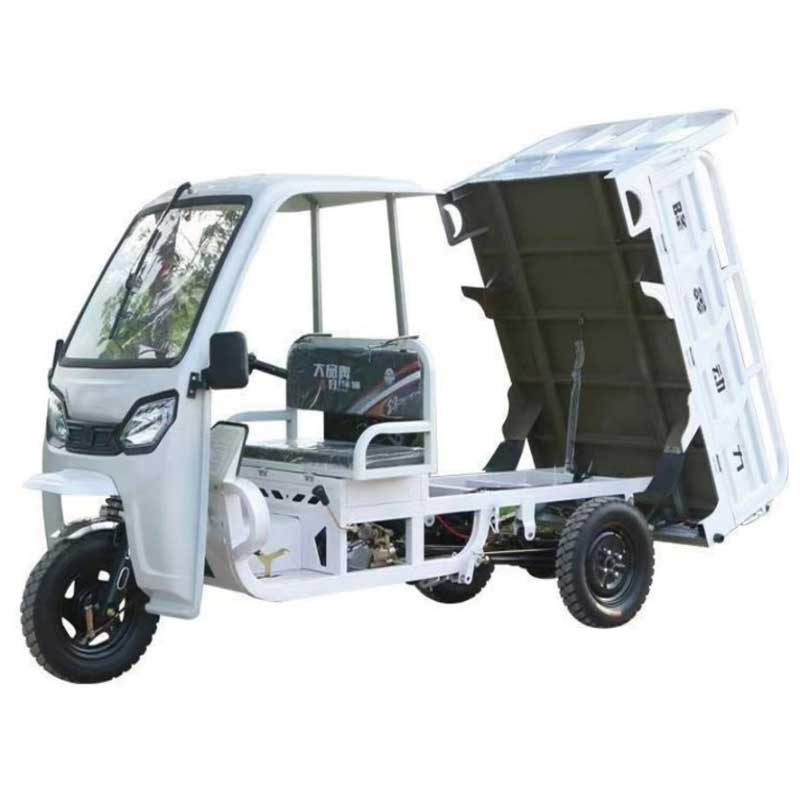
White Semi-Covered Three-Wheel Cargo Tricycle
-
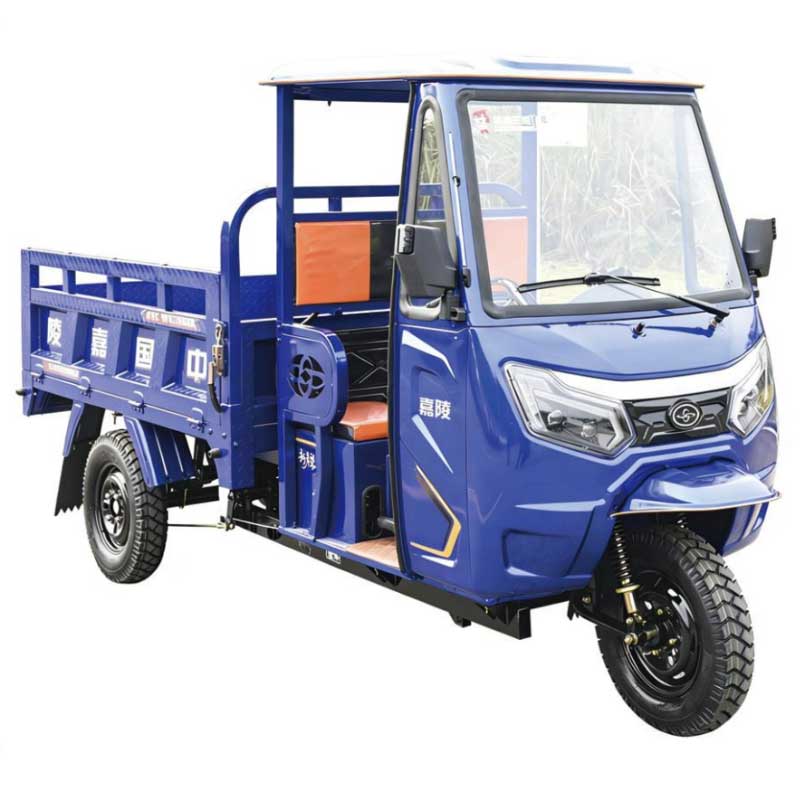
blue Semi-Covered Three-Wheel Cargo Tricycle
-
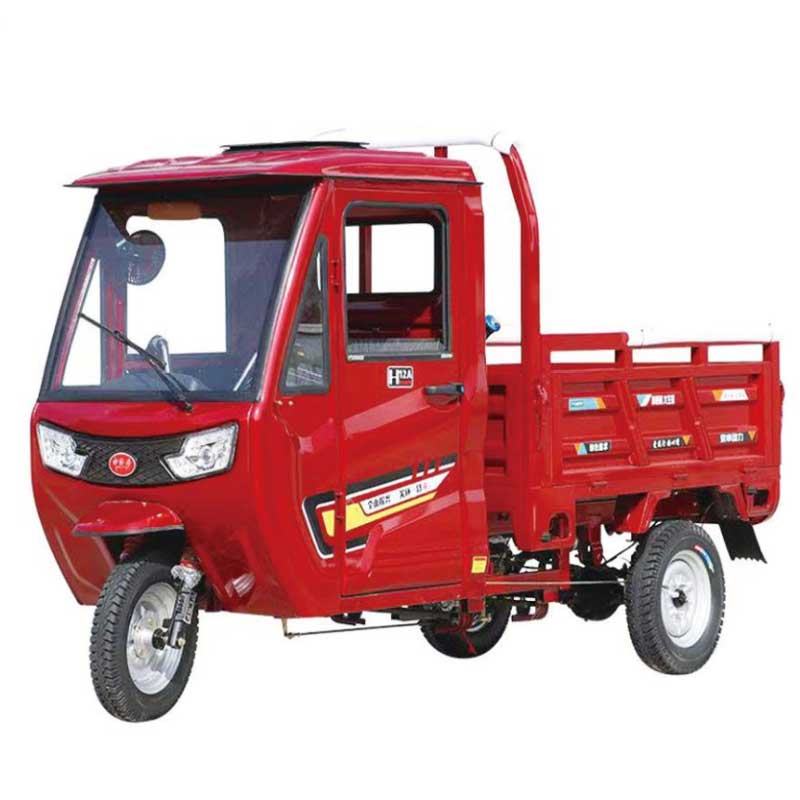
red Semi-Covered Three-Wheel Cargo Tricycle
-
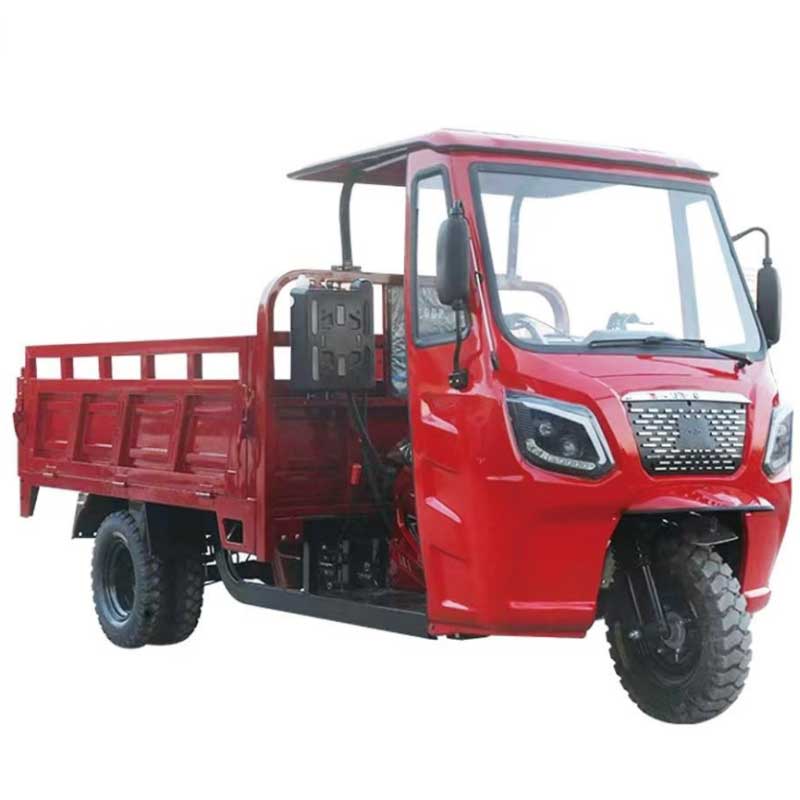
red Semi-Covered Three-Wheel Cargo Tricycle
-
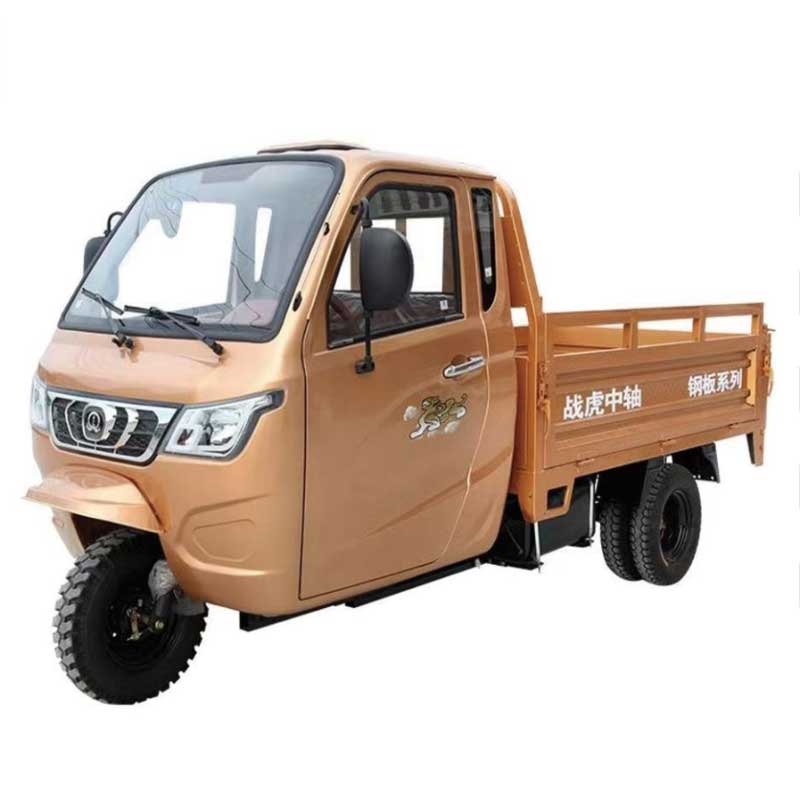
yellow Semi-Covered Three-Wheel Cargo Tricycle
-
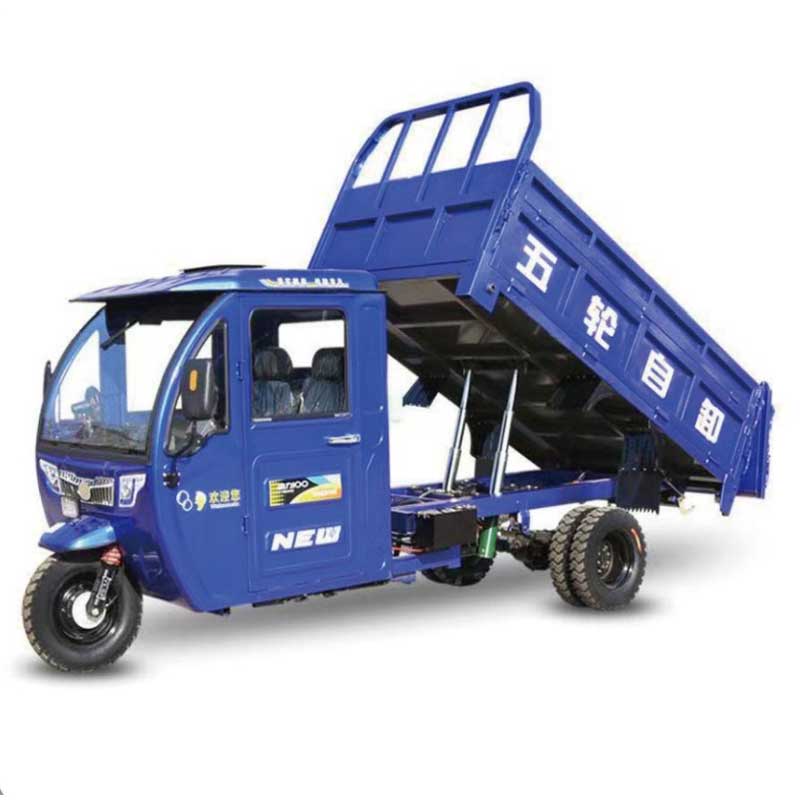
blue Semi-Covered Three-Wheel Cargo Tricycle
-
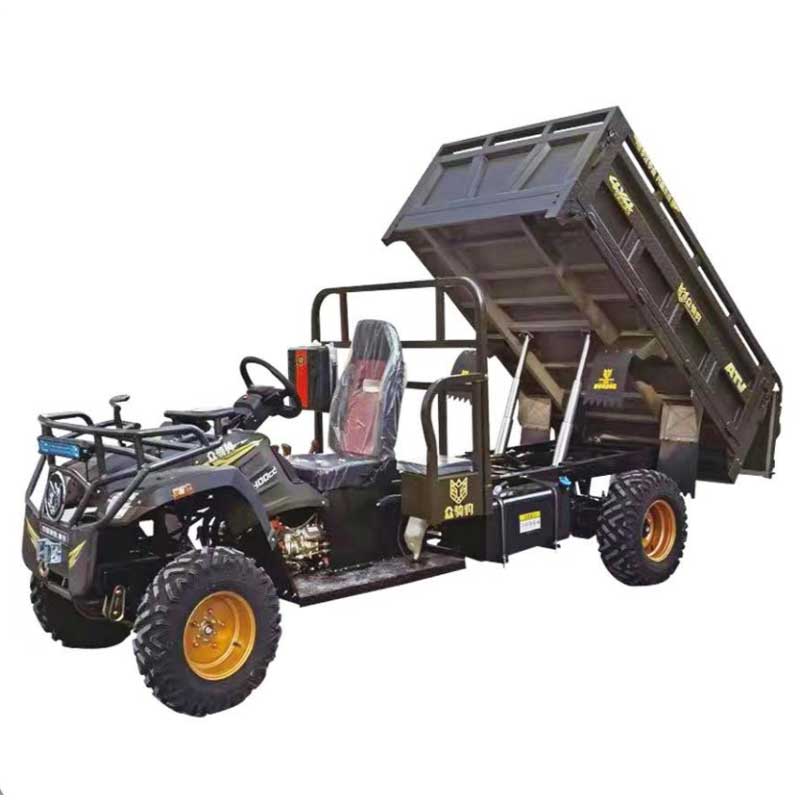
Military route color Semi-Covered Three-Wheel Cargo Tricycle
-
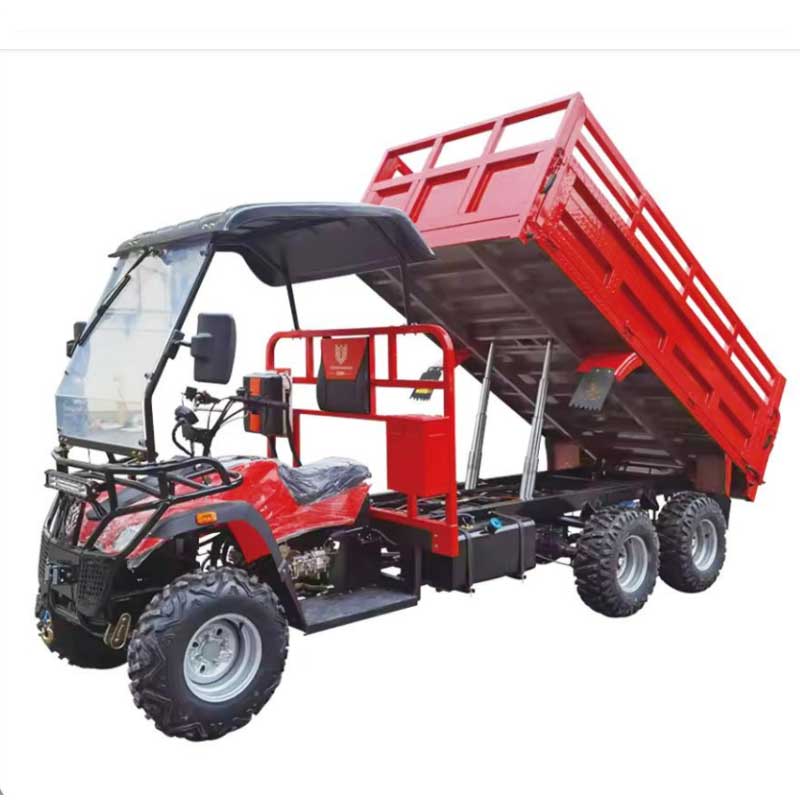
red Semi-Covered Three-Wheel Cargo Tricycle
Renqiu Xianyue Motorcycle Co., Ltd.
Copyright © 2026-2027 https://www.xuanyuetricycle.com. All Rights Reserved Renqiu Xuanyue Motorcycle Co., Ltd.