

 Current location:
NEWS INFORMATION
NEWS INFORMATION
Electric Tuk Tuk Cost Breakdown and ROI Analysis Guide
author:xuanyue date:2026-09-28 22:38:13 click:135
The most common error in electric tuk tuk procurement is comparing the acquisition price against a combustion alternative and concluding that electric is more expensive. That conclusion is correct in the first year and wrong across the vehicle's life. The electric tuk tuk competes on total cost of ownership, and the TCO calculation spans five cost categories, several of which favour electric dramatically over the operating life. Building an accurate model is what separates a sound investment decision from a guess.
Cost Category One: Acquisition
The acquisition cost of an electric tuk tuk reflects the purchase price plus the costs required to make it roadworthy and operational in the buyer's market. The base EXW factory price for an electric passenger or cargo tuk tuk ranges widely with specification and market tier. To that base must be added: freight and insurance if imported, import duty (which varies significantly by destination market), customs clearance, local registration and roadworthiness certification, and any delivery preparation or assembly costs.
The acquisition premium of an electric tuk tuk over a comparable petrol model varies with specification and market. This premium is real and unavoidable at the point of purchase — but it is the number against which the operating-cost savings must be measured, and understanding it precisely is the foundation of the ROI analysis.
Cost Category Two: Energy
Energy cost is the electric tuk tuk's strongest financial advantage and the primary driver of its ROI. An electric tuk tuk charged from grid electricity costs a fraction per kilometre compared to the fuel cost of a petrol equivalent. The exact figure depends on the local electricity tariff and the local fuel price, but across most markets where three-wheelers operate commercially, electricity costs 60–75% less per kilometre than petrol.
For a commercial operator covering 50–100 km daily, this energy differential compounds into a substantial annual saving. The calculation should use the operator's actual local electricity tariff and fuel price, not a generic assumption — the differential varies significantly between markets, and in some markets with subsidised fuel or expensive electricity, the advantage narrows.
The energy cost also depends on charging efficiency and charging behaviour. Charging during off-peak tariff windows, where such tariffs exist, reduces cost further. Charging from a dedicated circuit rather than a shared household supply avoids the load-management inefficiencies that can increase energy consumption.
Cost Category Three: Maintenance and Servicing
The electric tuk tuk has fewer moving parts than a combustion equivalent: no engine oil, no oil filter, no spark plugs, no exhaust system, no timing components, no clutch, and no multi-speed transmission. The maintenance schedule is correspondingly simpler — brake inspection, tyre rotation and replacement, suspension checks, and battery management system diagnostics. This structural simplicity translates into lower scheduled maintenance costs and, more importantly, fewer unplanned breakdowns that cost a commercial operator lost revenue.
The maintenance comparison should account for both the direct cost of parts and labour and the opportunity cost of downtime. For a commercial operator, a vehicle off the road for a day represents lost revenue, not just a repair bill. The electric drivetrain's lower failure rate reduces both.
Cost Category Four: Battery Replacement
Battery replacement is the cost that most distinguishes the electric tuk tuk's lifecycle economics from a simple purchase comparison. A lithium battery pack will typically need replacement once during the vehicle's commercial service life — determined by cycle count and the capacity-retention threshold the operator is willing to accept. The replacement cost is significant in absolute terms, but it is amortised across five to eight years of service, and battery costs are declining as production volumes scale.
The buyer should model the battery replacement as a scheduled cost with an estimated timing and price, not as an unforeseen expense. Some suppliers offer battery lease or battery-as-a-service arrangements that convert the replacement into a predictable monthly operating cost. Others offer a battery warranty that covers capacity degradation below a specified threshold, effectively transferring the replacement cost to the supplier if degradation occurs within the warranty period. Both arrangements should be evaluated in the cost model.
Cost Category Five: Residual Value
Residual value — the vehicle's resale value at the end of the analysis period — is the cost category most often omitted and the one that can change the ranking of investment options. Electric tuk tuks are relatively new to many markets, so residual value data is less established than for combustion models. However, as electric fleets become common, residual value is stabilising, and the trend favours electric because the reduced mechanical wear extends the vehicle's useful economic life beyond the point where a combustion equivalent would require major engine work.
Building the ROI Framework
The ROI calculation combines the five cost categories into a comparison between the electric tuk tuk and the alternative the buyer would otherwise purchase. The framework is straightforward:
Calculate total acquisition cost for each option
Calculate annual energy cost from the operator's actual tariff and fuel price
Calculate annual maintenance cost, including scheduled service and an allowance for unplanned repairs
Add battery replacement cost at its expected timing for the electric model
Subtract residual value at the end of the analysis period
Divide the total cost of ownership by the number of years or kilometres in the analysis to derive a cost per year or per kilometre
The option with the lower cost per kilometre is the better investment. The payback period — the time required for cumulative operating savings to offset the acquisition premium — is the metric that most operators use to make the decision. Because the savings accumulate annually, the payback period shortens as annual utilisation increases. A vehicle operated at high utilisation will pay back the acquisition premium faster than one operated lightly.
Sensitivity: The Variables That Change Everything
An ROI model is only as good as its assumptions, and several variables have an outsized effect on the result. Annual kilometres travelled is the single most important — higher utilisation accelerates payback. The local energy price differential determines the size of the annual saving. Battery replacement timing and cost determine the largest single future expense. And the analysis period — three, five, or seven years — determines how much of the battery replacement cycle falls within the model. Buyers should test their model at conservative and optimistic values for each variable to understand the range of possible outcomes rather than relying on a single point estimate.
FAQ
How long does it take an electric tuk tuk to pay back its acquisition premium?
The payback period depends on annual utilisation and the local energy price differential. At high utilisation and a large energy cost differential, payback can occur within 18–30 months. At low utilisation or in markets where the energy differential is small, payback may extend to four or five years.
What is the biggest ongoing cost of owning an electric tuk tuk?
For most operators, energy is the largest recurring operating cost, followed by battery replacement when amortised across the vehicle's life. Maintenance is typically the lowest recurring cost category due to the drivetrain's reduced mechanical complexity.
Should battery replacement be treated as a maintenance cost or a capital cost?
Practically, either approach produces the same ROI conclusion if the cost and timing are consistent. Treating it as a scheduled operating reserve is the more useful discipline for cash-flow planning, because it converts a large future expense into a predictable monthly allocation.
Does the electric tuk tuk have a lower resale value than a petrol model?
Residual value for electric tuk tuks is still stabilising in many markets as fleet volumes grow. Because the electric drivetrain experiences less mechanical wear, the vehicle often retains useful economic life longer than a combustion equivalent, which supports residual value despite the newer market category.
How many kilometres per year are needed for an electric tuk tuk to be economically superior?
The threshold varies by market, but in most markets where three-wheelers operate commercially, annual utilisation above 12,000–15,000 km is sufficient for the electric option to deliver a lower cost per kilometre across a five-year analysis period.
Conclusion
The electric tuk tuk's investment case is a total cost of ownership argument, and the TCO model must be built across all five cost categories — acquisition, energy, maintenance, battery replacement, and residual value — not on the acquisition price alone. In markets with a meaningful energy price differential and adequate annual utilisation, the model consistently favours electric because the annual energy and maintenance savings accumulate faster than the acquisition premium. Fleet buyers and owner-operators who build the model with their own operating assumptions, test the sensitivity of the key variables, and account for battery replacement as a scheduled cost are in a position to make the decision on evidence rather than intuition.
References
Das, S., & Pandey, A. (2023). "Total Cost of Ownership: Three-Wheelers vs Light Trucks in Urban Delivery." Journal of Transport Geography, 109, 78–92.
Hawkins, T.R., Singh, B., Majeau-Bettez, G., & Strømman, A.H. (2022). "Comparative Environmental Life Cycle Assessment of Conventional and Electric Vehicles." Journal of Industrial Ecology, 17(1), 53–64.
International Energy Agency. (2024). "Electric Mobility Outlook 2024: Two and Three-Wheeler Electrification Trends." IEA Publications, Paris.
Behrendt, F., & Aditjandra, P. (2022). "Electric Three-Wheeler Transition in Asian Cities: Economic and Environmental Assessment." Journal of Transport Geography, 104, 103–118.
-
White Semi-Covered Three-Wheel Cargo Tricycle
-
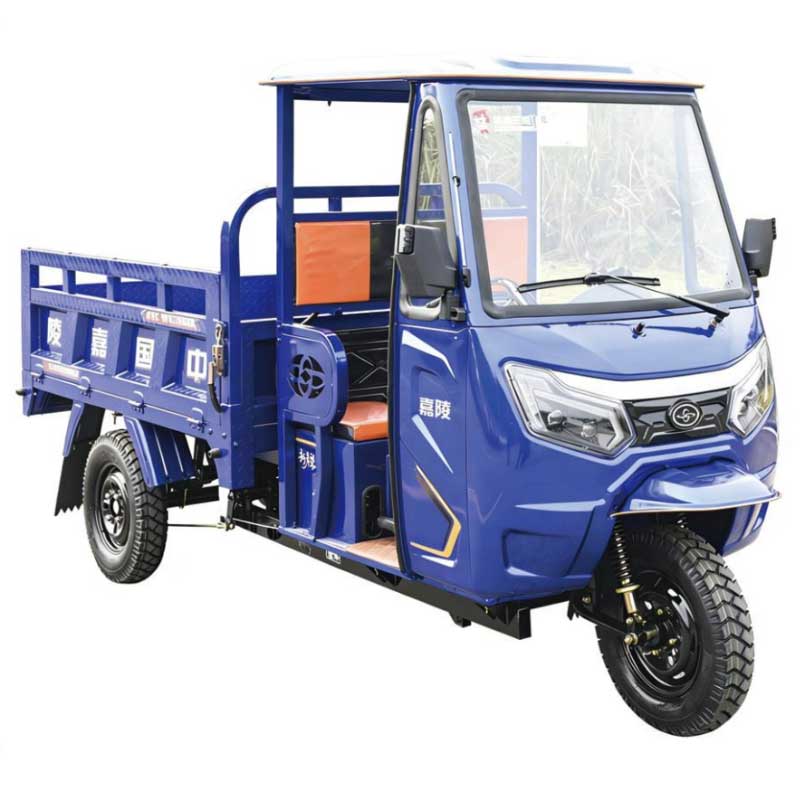
blue Semi-Covered Three-Wheel Cargo Tricycle
-
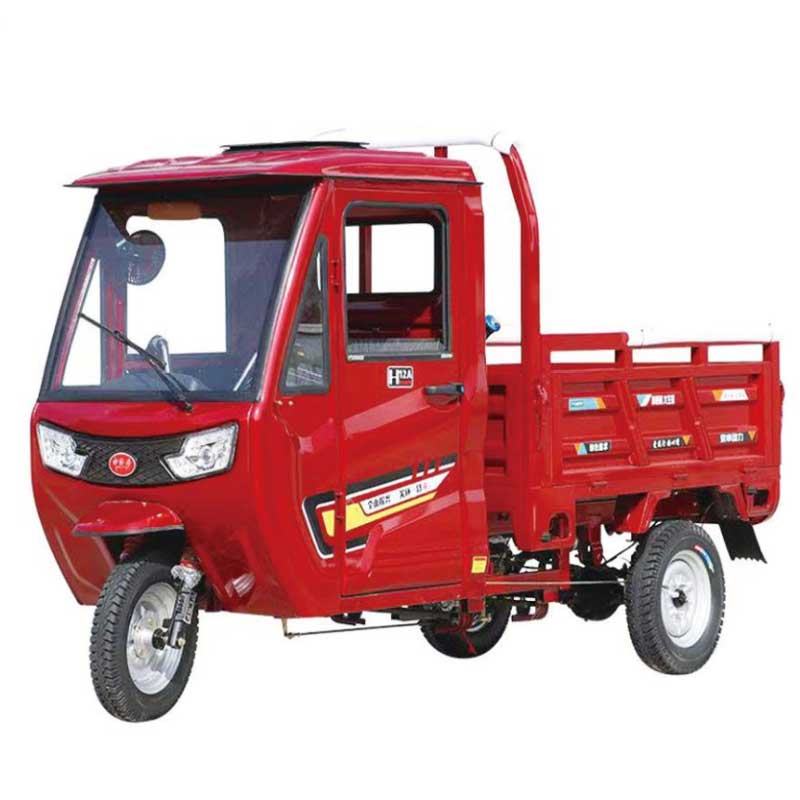
red Semi-Covered Three-Wheel Cargo Tricycle
-
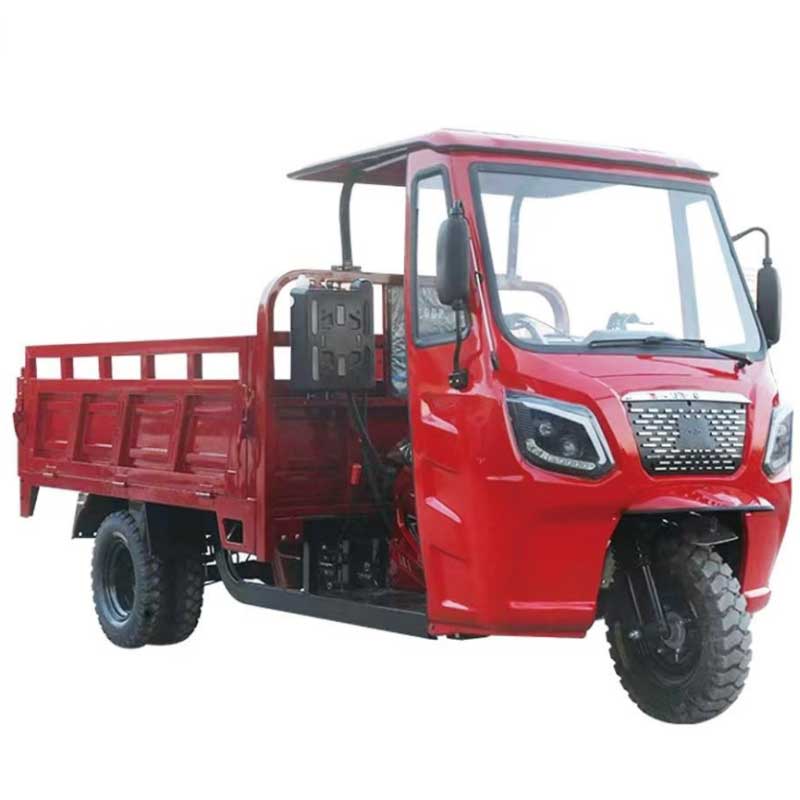
red Semi-Covered Three-Wheel Cargo Tricycle
-
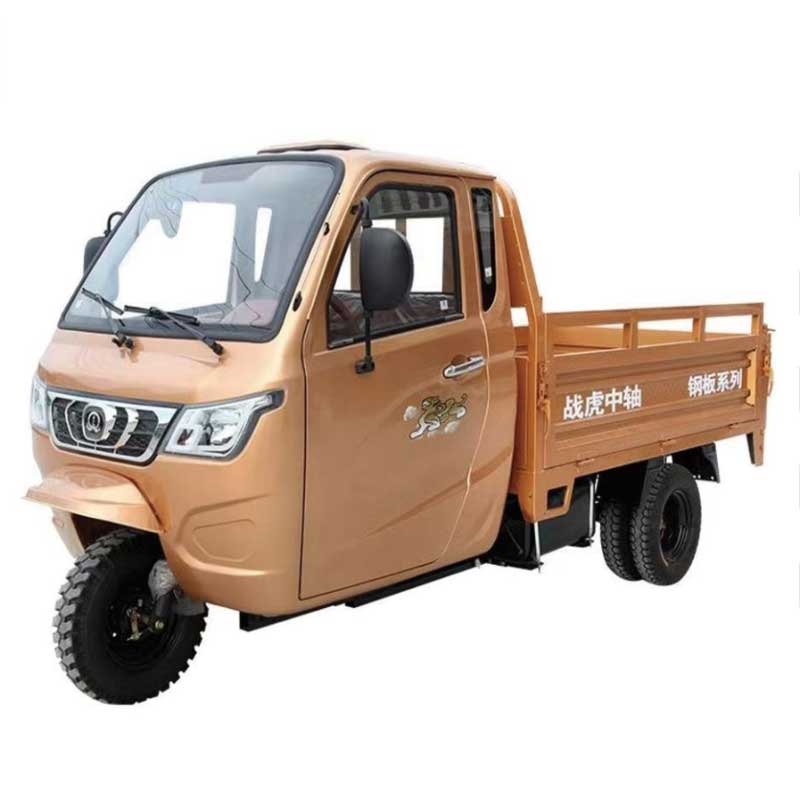
yellow Semi-Covered Three-Wheel Cargo Tricycle
-
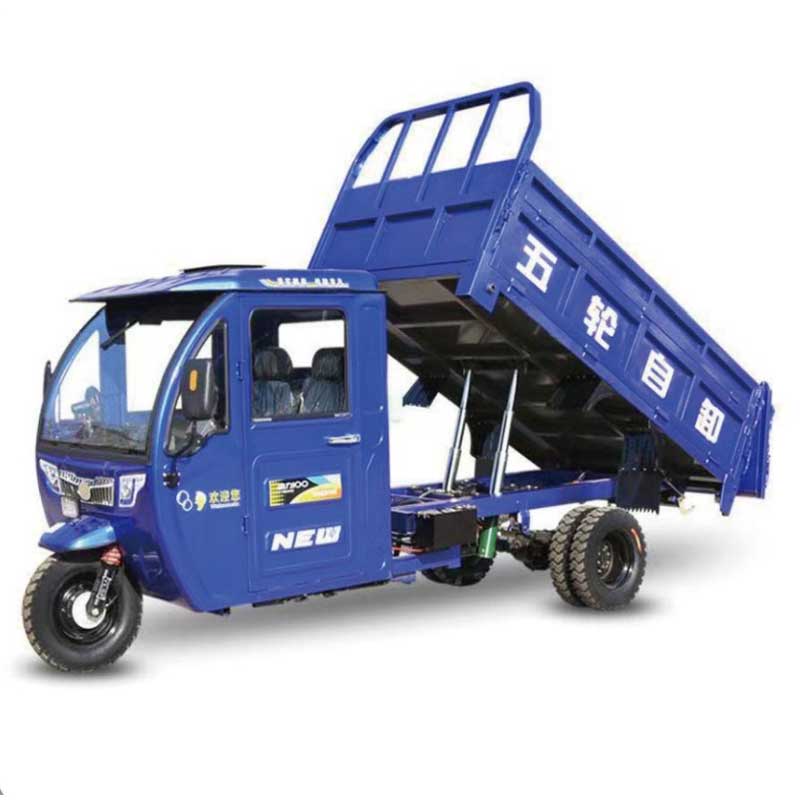
blue Semi-Covered Three-Wheel Cargo Tricycle
-
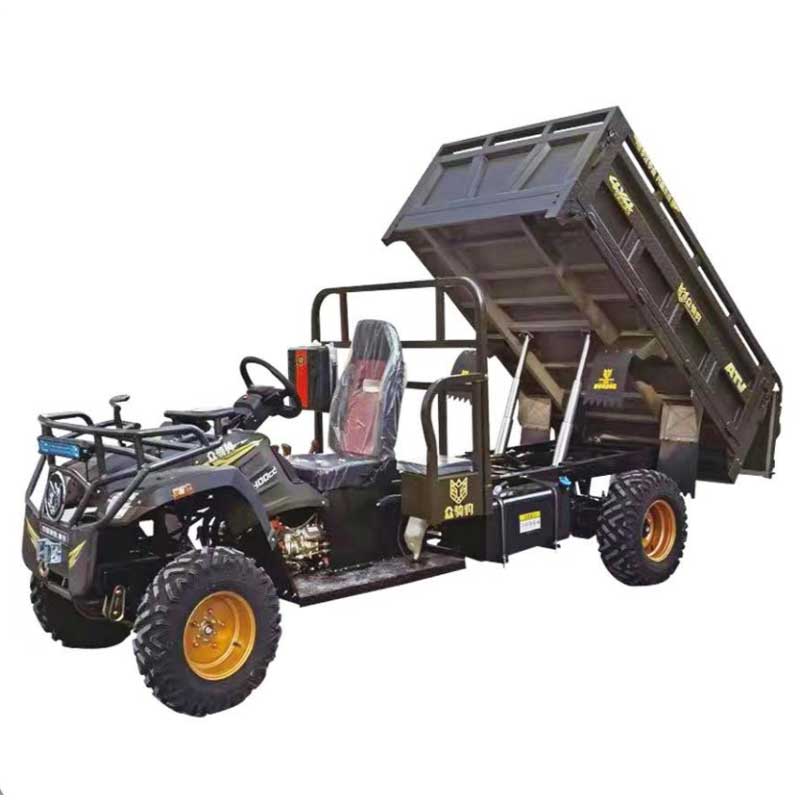
Military route color Semi-Covered Three-Wheel Cargo Tricycle
-
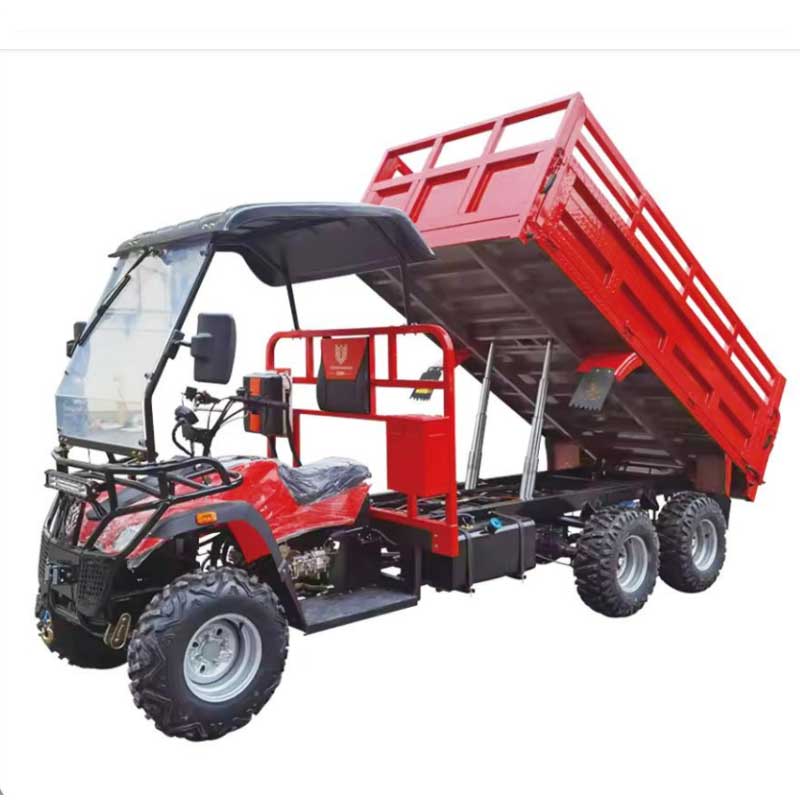
red Semi-Covered Three-Wheel Cargo Tricycle
Renqiu Xianyue Motorcycle Co., Ltd.
Copyright © 2026-2027 https://www.xuanyuetricycle.com. All Rights Reserved Renqiu Xuanyue Motorcycle Co., Ltd.