


 Current location:
NEWS INFORMATION
NEWS INFORMATION
Delivery Tricycle Maintenance Guide: Schedule and Checklist
author:xuanyue date:2026-10-16 18:15:39 click:129
A delivery tricycle that breaks down mid-route is not just a repair bill — it is a missed delivery, an unhappy customer, and a vehicle off the road for longer than the repair itself requires. The commercial operators who keep fleets running do not wait for failures; they run a preventive schedule that catches wear before it becomes breakdown. This guide is built for that discipline.
Why Preventive Maintenance Pays for Delivery Fleets
Three-wheeled delivery vehicles operate under conditions that accelerate component wear: frequent stop-start cycling, full or partial loads most of the day, exposure to weather, and loading that is not always gentle. Under these conditions, a component that is slightly out of specification today becomes a roadside failure within weeks if unchecked. Preventive maintenance converts unpredictable breakdowns into scheduled, low-cost service interventions. The cost of a daily five-minute check is a fraction of the cost of a failed brake or a stranded vehicle.
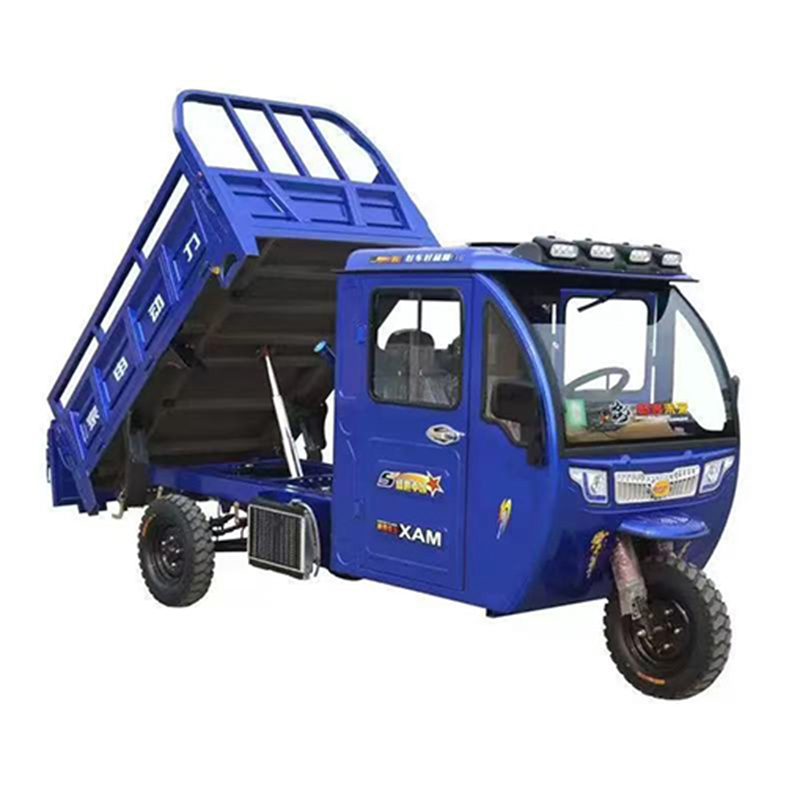

Daily Checks: Pre-Shift Inspection
The daily check is the single most valuable maintenance habit a delivery operation can adopt. It takes five minutes and catches the majority of issues before they affect a shift.
Tyre condition and pressure: visible damage, correct pressure per specification. Under-inflated tyres increase rolling resistance and wear the sidewall.
Brake function: test lever or pedal feel; note any excessive travel or spongy response.
Battery state of charge (electric models): confirm sufficient charge for the planned route, allowing margin for load and weather.
Cargo box and mounting: check that the box is securely attached and the load platform shows no new cracks or deformation.
Lights and indicators: verify headlamp, brake lamp, and turn signals function before departure.
Weekly Service: The Core Systems
Weekly maintenance covers the systems whose condition changes over a working week of daily use.
Brake Adjustment and Wear
Brake pads or shoes wear progressively; weekly inspection identifies wear before it reaches the replacement threshold. Check cable tension on cable-operated systems and fluid level and condition on hydraulic systems. A brake that requires excessive lever or pedal travel is indicating wear or adjustment need, not just operator preference.
Drivetrain and Chain or Shaft
Chain-driven delivery tricycles require chain tension and lubrication checks; a loose or dry chain wears sprockets and can derail under load. Shaft-driven and hub-motor systems require inspection of the mounting hardware and the absence of unusual noise or vibration. Any new vibration under load is a signal to investigate the drivetrain before it escalates.
Electrical Connections
Vibration loosens connectors over time. Weekly inspection of visible connectors, the battery terminal condition, and the wiring harness routing prevents intermittent electrical faults that are difficult to diagnose once they occur.
Monthly Service: Deeper Inspection
Monthly service is a more thorough intervention, ideally performed by a technician.
Battery health check (electric): measure individual cell or module voltages if the BMS allows, check for imbalance, and verify that capacity matches expectations for the vehicle's age and cycle count.
Suspension and steering: inspect shock absorbers for leakage, check steering linkage for play, and confirm the front fork operates smoothly.
Structural inspection: examine the frame and cargo platform for cracks, corrosion, or deformation at the high-stress junctions — rear axle mounts and suspension attachment points.
Wheel bearings: check for play and noise that indicate bearing wear before failure.
Battery Care for Electric Delivery Tricycles
The battery is the most expensive component and the one whose lifespan is most affected by how it is treated. Three practices extend battery life materially.
First, avoid consistently depleting the battery to empty; charging before the state of charge reaches very low levels reduces the depth-of-discharge cycling that accelerates capacity fade. Second, charge in a location with adequate ventilation and moderate temperature — extreme heat during charging accelerates degradation. Third, follow the manufacturer's recommended charge cycle and avoid using chargers not specified for the pack, because incorrect charging voltage or current damages cells permanently.
Seasonal and Environmental Considerations
Operating environment dictates additional maintenance. In wet or humid conditions, corrosion protection of electrical connectors and the frame becomes a recurring task. In dusty environments, air filters (where fitted) and brake components require more frequent cleaning. In hot climates, tyre pressure fluctuates with temperature and requires more frequent checking; in cold climates, battery range reduces and battery thermal management during charging matters more.
Troubleshooting Common Failures
Reduced Range on Electric Models
Reduced range usually traces to one of four causes: degraded battery capacity from age or abuse, under-inflated tyres increasing load, brake drag from a sticking caliper or maladjusted cable, or excessive payload beyond the rated load. Check each in order before assuming battery failure.
Intermittent Electrical Faults
Corrosion or looseness at a connector is the usual cause. Inspect the battery-to-controller connection first, then the harness routing for chafing. A fault that appears only over bumps points to a vibration-loosened connector.
Pulling or Instability Under Load
Uneven tyre pressure, a worn wheel bearing, or a misaligned rear axle produces pulling or instability. Verify tyre pressure first, then inspect bearings and alignment.
Building a Maintenance Record System
A maintenance record per vehicle — logging each service, the findings, and the parts replaced — turns maintenance from a memory task into a managed process. The record supports warranty claims, identifies vehicles with recurring faults, and provides the data needed to plan battery replacement and major service before failure. For fleets, this discipline is the difference between predictable operating cost and unpredictable breakdowns.
FAQ
How often should I service a delivery tricycle?
Daily pre-shift checks, weekly core-system service, and monthly deeper inspection form the standard schedule for commercial operation. Higher utilisation or demanding terrain may require more frequent intervention. The schedule should be adjusted to the operating conditions rather than applied uniformly.
How long does a delivery tricycle battery last?
A quality lithium battery in daily commercial service typically delivers several years of useful life before capacity falls below the operator's acceptable threshold, after which replacement is required. Exact life depends on depth of discharge, charging practice, temperature exposure, and cycle count. Following charging and storage guidance extends usable life.
Can driver-conducted checks replace technician service?
Daily and weekly checks can be performed by trained drivers, but monthly and seasonal service should be performed by a technician with the tools to measure battery health, bearing condition, and structural integrity. Driver checks catch visible issues; technician service identifies hidden wear.
What is the most common cause of delivery tricycle breakdowns?
Battery-related issues and brake wear account for the majority of preventable failures. Both are caught by the daily and weekly checks described above. Tyre failure from under-inflation and drivetrain neglect are the next most common, and both are also detectable through routine inspection.
How do I know when the battery needs replacement?
Reduced range that cannot be explained by tyre pressure, brake drag, or load is the practical indicator. A battery health check showing capacity below the acceptable threshold, or a BMS warning, confirms the need. Planning replacement as a scheduled cost avoids an unplanned failure.
Conclusion
A delivery tricycle earns its keep through uptime, and uptime is a product of preventive maintenance, not luck. The daily pre-shift check, the weekly core-system service, and the monthly technician inspection together catch the failures that disable vehicles — battery degradation, brake wear, tyre failure, and structural fatigue. Operators who maintain records, train drivers to inspect, and schedule technician service protect both their vehicles and their delivery commitments. The maintenance schedule is not overhead; it is the operating discipline that keeps the fleet earning.
References
Gillespie, T.D. (2021). "Fundamentals of Vehicle Dynamics." SAE International, Revised Edition.
Hannan, M.A., Hoque, M.M., Mohamed, A., & Ayob, A. (2023). "Review of Energy Storage Systems for Electric Vehicle Applications." IEEE Access, 11, 22418–22442.
U.S. Department of Energy. (2024). "Battery Maintenance and Safety Guidelines for Electric Vehicles." DOE Vehicle Technologies Office, Washington, D.C.
Wong, J.Y. (2020). "Theory of Ground Vehicles." Wiley, 5th Edition.
-
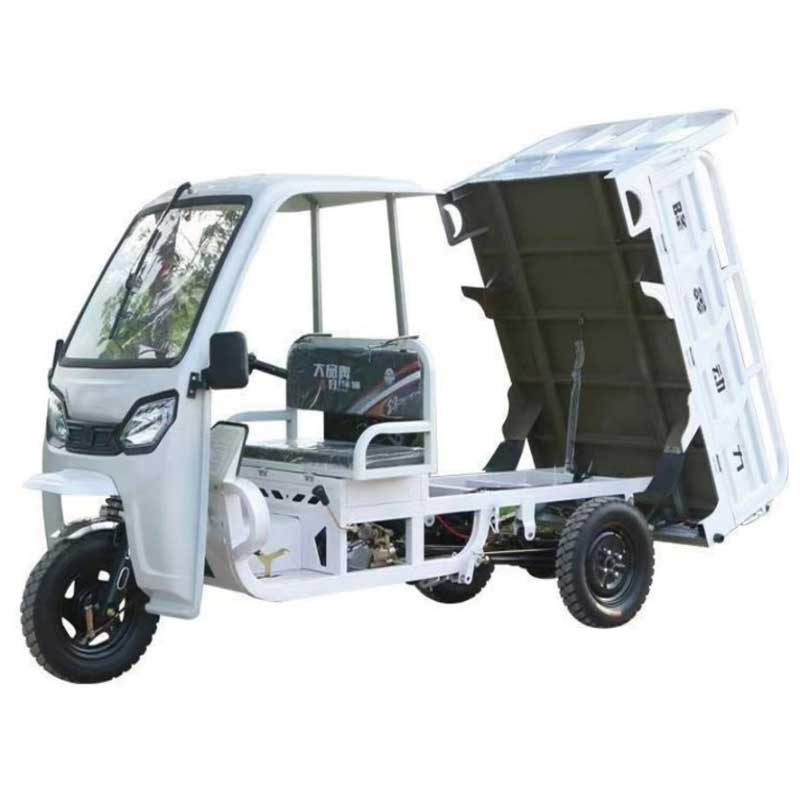
White Semi-Covered Three-Wheel Cargo Tricycle
-
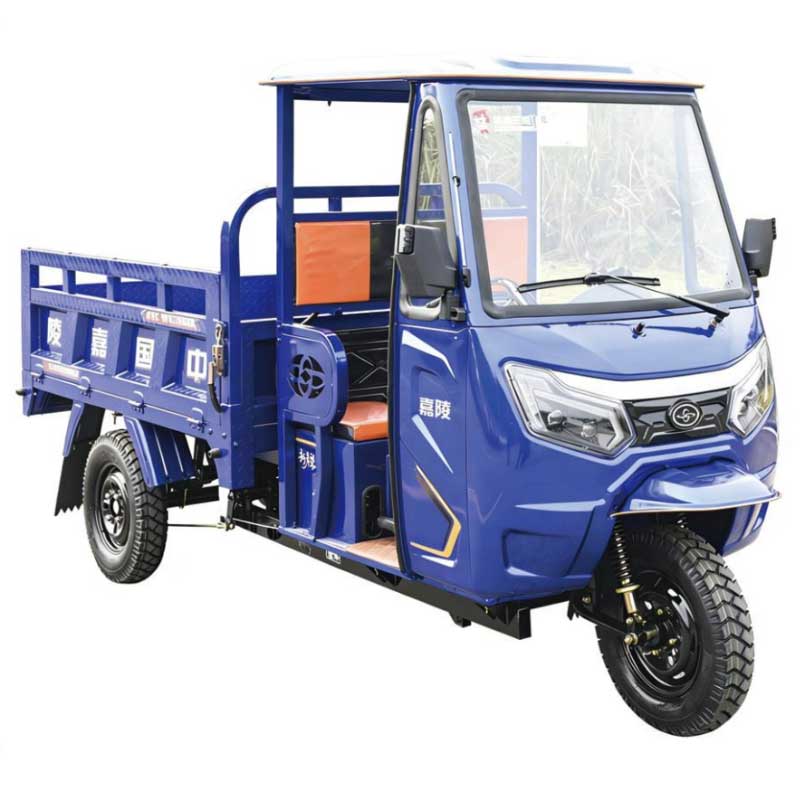
blue Semi-Covered Three-Wheel Cargo Tricycle
-
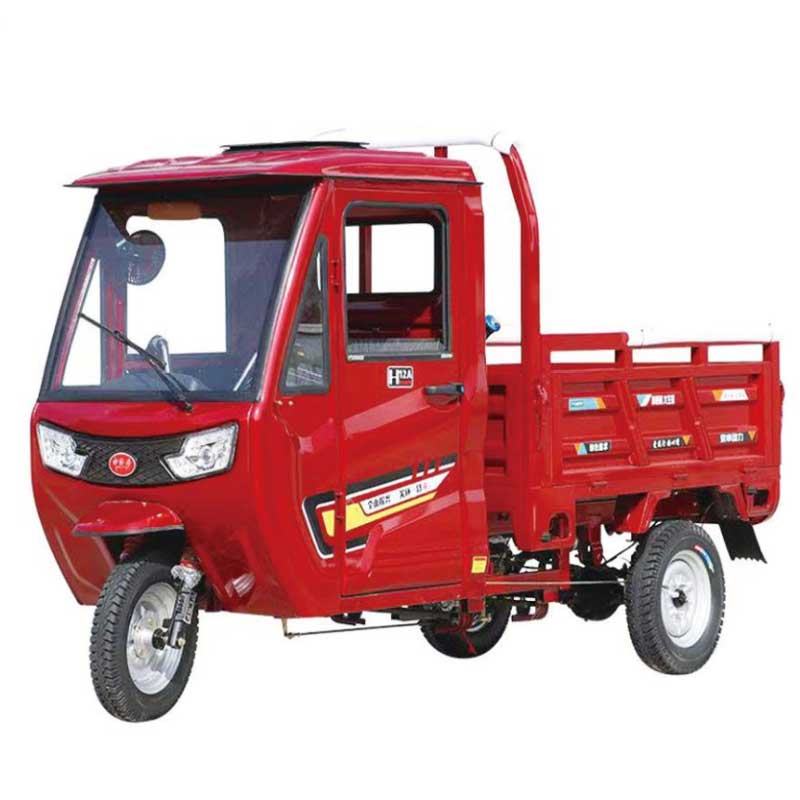
red Semi-Covered Three-Wheel Cargo Tricycle
-
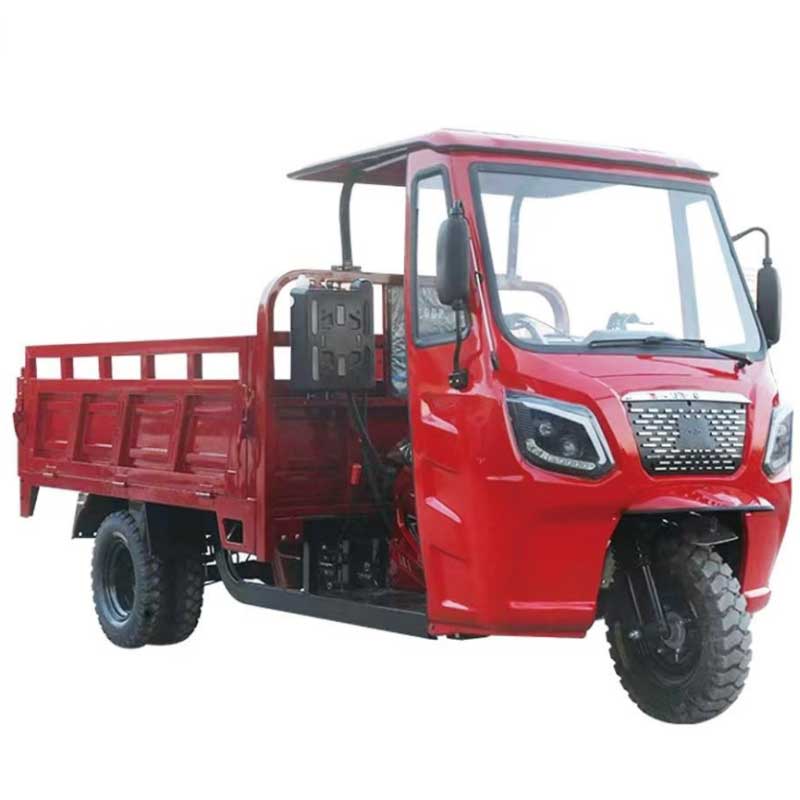
red Semi-Covered Three-Wheel Cargo Tricycle
-

yellow Semi-Covered Three-Wheel Cargo Tricycle
-
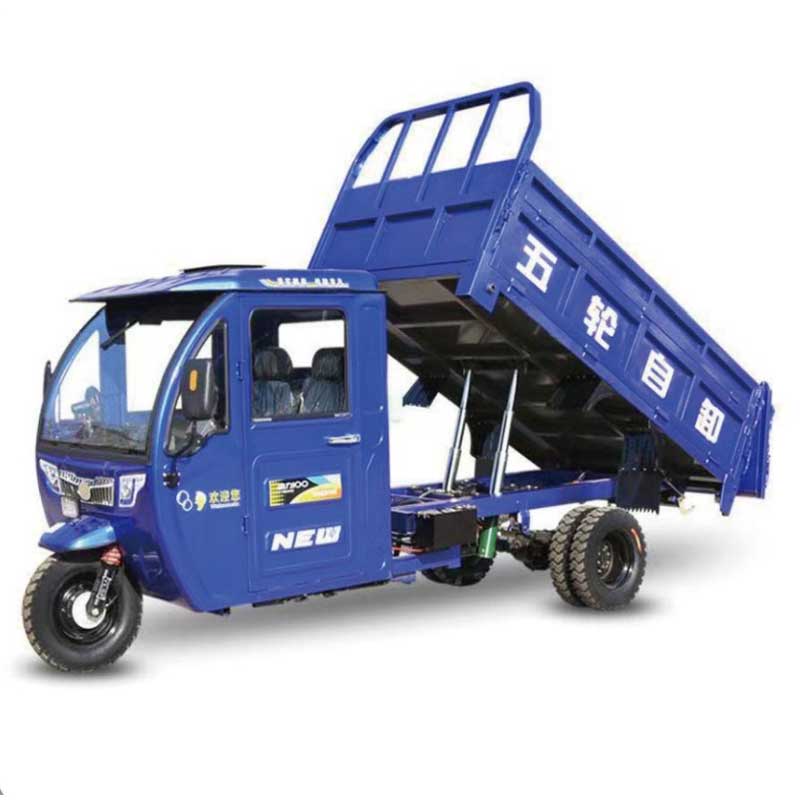
blue Semi-Covered Three-Wheel Cargo Tricycle
-
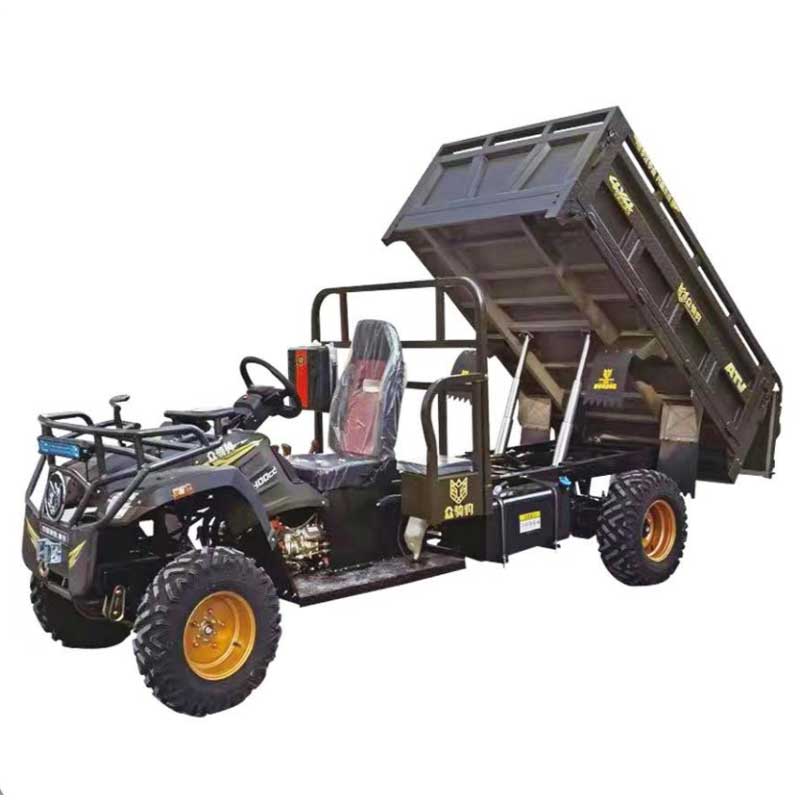
Military route color Semi-Covered Three-Wheel Cargo Tricycle
-
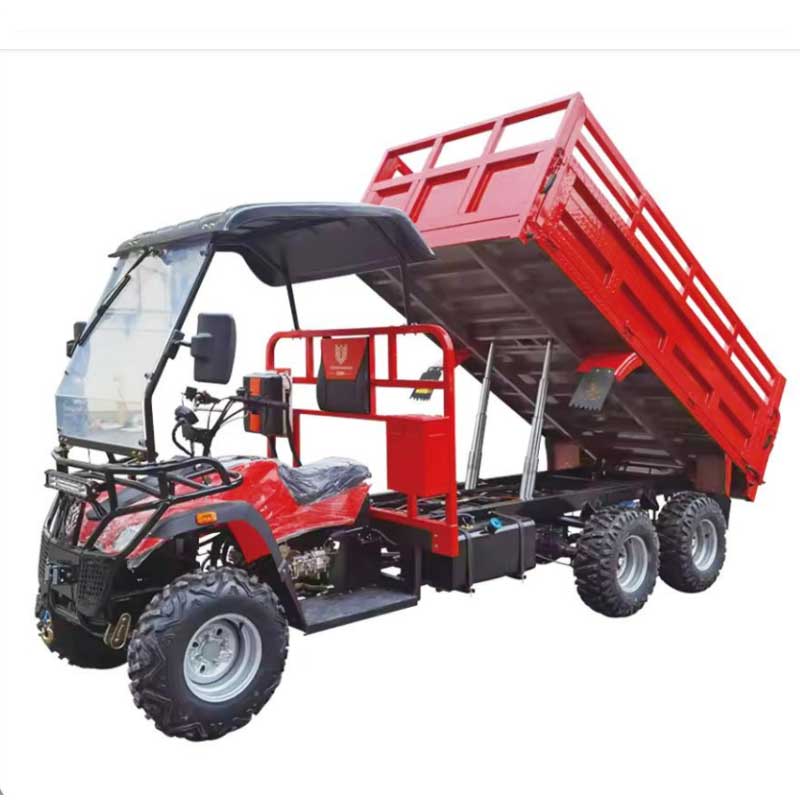
red Semi-Covered Three-Wheel Cargo Tricycle
Renqiu Xianyue Motorcycle Co., Ltd.
Copyright © 2026-2027 https://www.xuanyuetricycle.com. All Rights Reserved Renqiu Xuanyue Motorcycle Co., Ltd.