

 Current location:
NEWS INFORMATION
NEWS INFORMATION
Delivery Tricycle for E-commerce Logistics: A Practical Guide
author:xuanyue date:2026-08-13 18:43:04 click:164
Every e-commerce fulfillment manager I have spoken to over the past two years names the same three pressures: fuel eating into margins, delivery windows shrinking, and customers demanding carbon-accountable shipping. The delivery tricycle is not a glamorous answer, but it is a measurable one. In the right route profile—a dense urban cluster with parcels averaging under 30 kg—the economics of a tricycle fleet routinely outperform vans on cost per delivery and on emissions per kilogram moved.
Why the Last-Mile Problem Is Getting Worse, Not Better
Parcel volumes in major urban centers have grown 18–28% annually since 2021, and delivery density per square kilometer has outpaced the capacity of conventional van fleets. Drivers report 25–40% of shift time lost to parking searches, traffic delays, and building access. A delivery tricycle sidesteps these friction points directly: it parks where a van cannot, threads through pedestrian zones, and requires no parking bay. For e-commerce operators, that recovered time translates into more stops per shift and lower cost per parcel.
What a Delivery Tricycle Actually Hauls
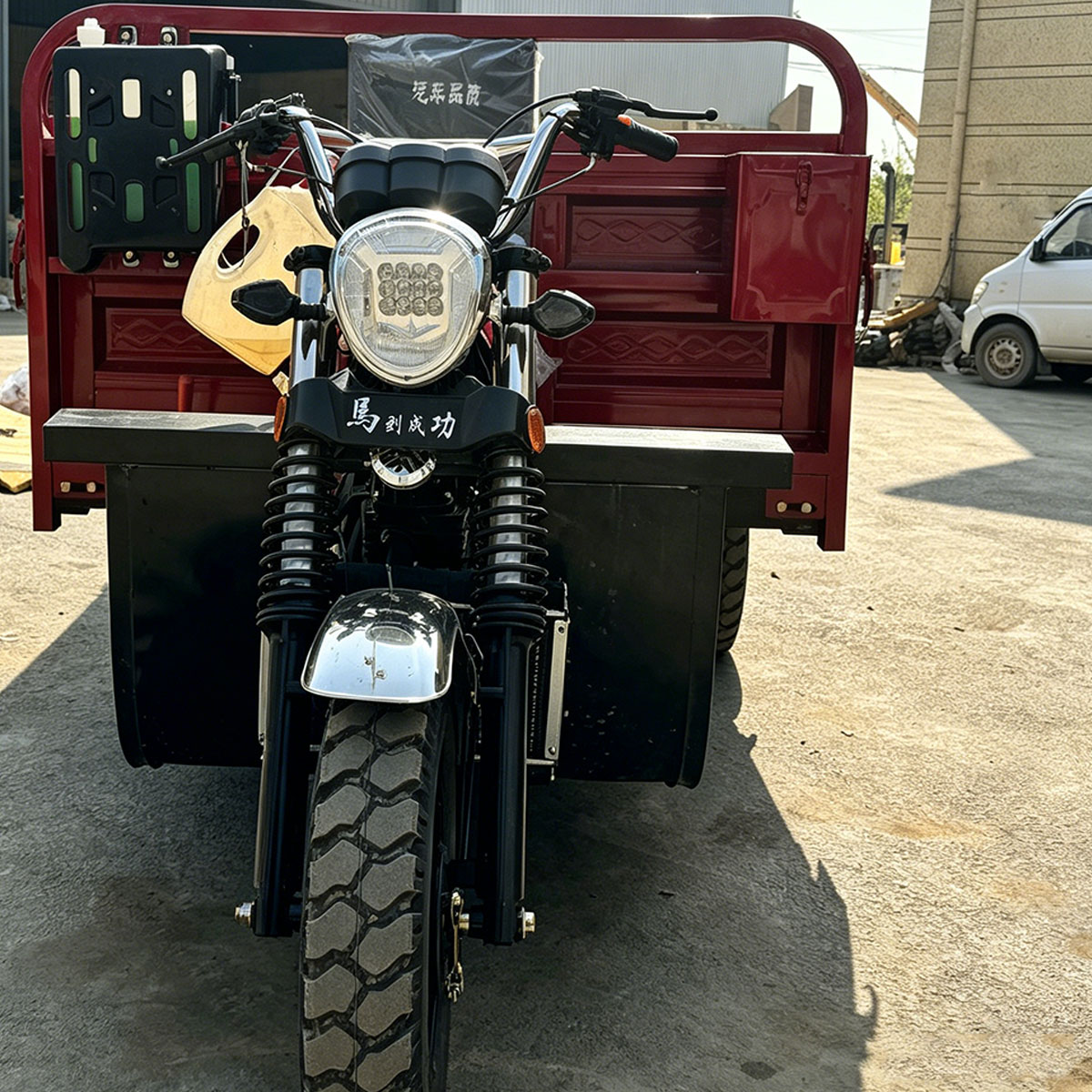
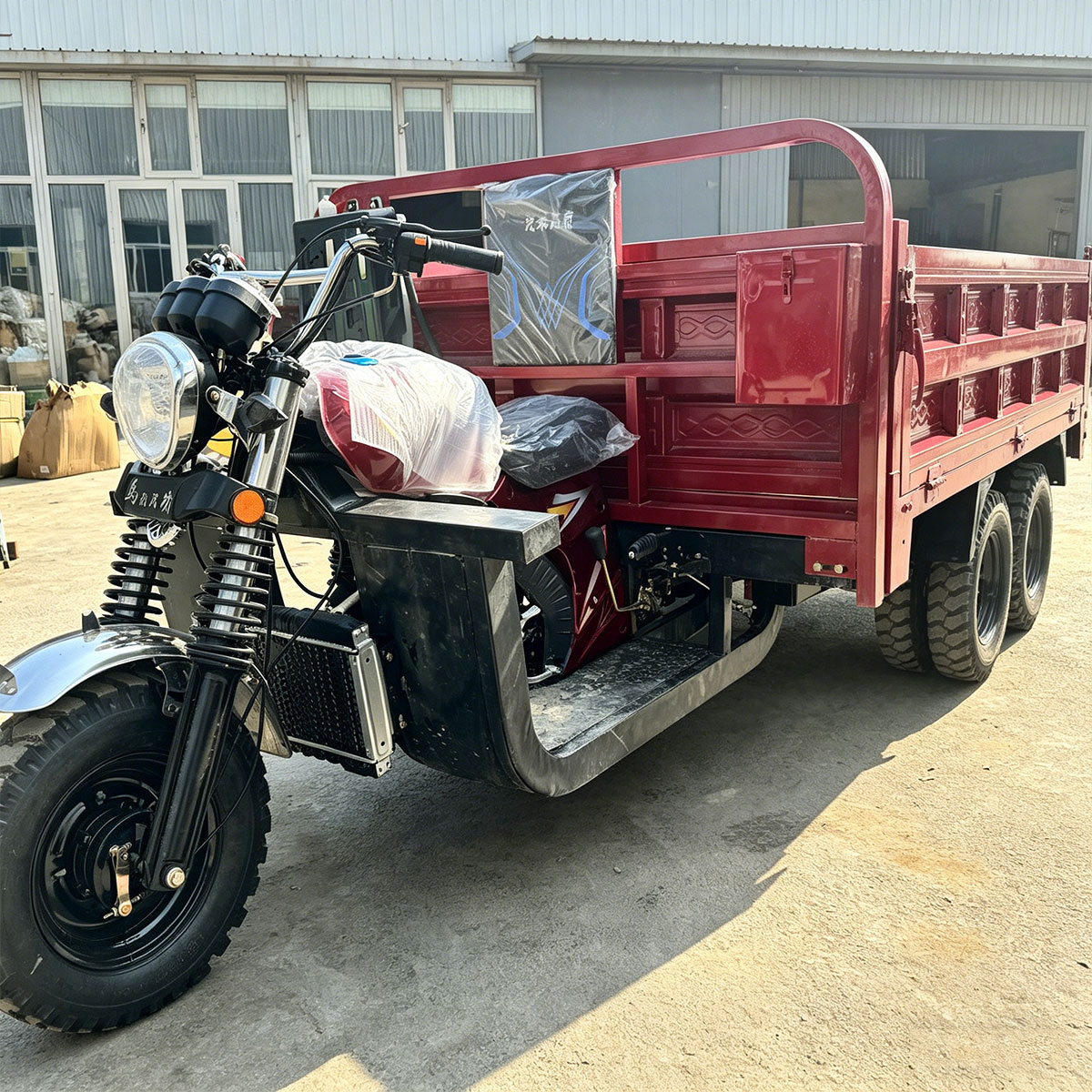
The honest spec on a delivery tricycle is 80–300 kg of rated payload, depending on chassis reinforcement and motor size. That covers the vast majority of e-commerce parcels, which typically weigh under 20 kg per item. Boxes, poly mailers, grocery bags, and pharmaceutical packages all move within this weight envelope. The open or box-cab design protects goods from pilferage while keeping loading fast—most drivers can turn a 10-parcel stop in under four minutes.
Petrol vs. Electric: Which Powertrain Fits Your Network
The delivery tricycle market has effectively bifurcated into combustion and electric. Petrol models with 100–200 cc engines run USD 1,500–3,500 upfront and suit operations where charging infrastructure does not yet exist. Electric models at USD 2,500–5,000 carry higher acquisition cost but halve energy spend and slash maintenance, typically recovering the premium within 18–30 months of daily commercial use. For an e-commerce operator running a 50-unit fleet, the electric premium is a USD 50,000–125,000 decision—but the five-year energy and maintenance savings routinely exceed that figure.
Route Economics: What the Numbers Look Like in Practice
On a typical urban route with 60 stops and 180 km total distance, a delivery tricycle achieves USD 0.12–0.18 per delivery in total operating cost. A van on the same route runs USD 0.30–0.55 per delivery. The gap is not academic—it directly affects whether a delivery zone is profitable or subsidized by better-performing corridors. E-commerce operators who map their route economics by zone consistently find that 40–60% of their delivery zones sit below the profitability threshold for vans but above the threshold for tricycles.
Integrating Tricycles Into an Existing Logistics Network
A delivery tricycle fleet does not replace a van fleet; it extends it. The practical integration pattern is a hub-and-spoke model: vans deliver bulk loads to a micro-fulfillment hub, tricycles complete the final neighborhood distribution. This reduces van mileage by 30–45% on those routes, cuts fuel spend, and extends vehicle life. Many e-commerce operators run consolidation centers on the city outskirts specifically to enable tricycle-feeder runs to dense residential cores.
ESG and Regulatory Tailwinds Worth Factoring In
Several jurisdictions now award procurement preference or operating license access to zero-emission last-mile vehicles. A delivery tricycle operating on electric power generates Scope 3 emissions data that satisfies most corporate ESG reporting frameworks and positions the operator for low-emission zone access as those zones expand. E-commerce brands under pressure to offer green shipping options can point to electric tricycle deployment as tangible proof, not offset.
Procurement Checklist Before You Order
When spec'ing a delivery tricycle for a commercial e-commerce fleet, verify the following with the supplier: rated payload at maximum battery or fuel load (not unladen), real-world range on a full day's route (not manufacturer ideal-condition claim), spare parts lead time for common wear items, and warranty coverage that includes the electric drivetrain for at least two years. A supplier who cannot provide a real-route test vehicle is a supplier who has not validated their own specs.
FAQ
What weight can a delivery tricycle carry?
A standard delivery tricycle handles 80–200 kg; reinforced electric models reach 250–300 kg. Exceeding the rated payload accelerates chassis fatigue and creates a safety risk.
How far can an electric delivery tricycle go on one charge?
Most commercial models deliver 60–100 km per charge in real-world conditions. Actual range depends on payload, terrain, and ambient temperature.
Is a delivery tricycle faster than a van in dense urban areas?
Yes, in most congested environments. The ability to enter pedestrian zones, use service roads, and park immediately shaves 15–25% off average stop time compared to a van.
What maintenance does a delivery tricycle need?
Electric models require brake checks, tire rotation every 5,000 km, and battery capacity verification every six months. Annual maintenance typically costs USD 100–200 for electric; USD 300–500 for petrol.
Can a delivery tricycle operate in rain?
Yes. Models with waterproof cargo boxes and sealed electrical connectors operate in moderate rain without issue. In heavy monsoon conditions, additional cargo covers are recommended.
Conclusion
The delivery tricycle is not a compromise vehicle—it is a precision tool for a specific operational problem. E-commerce operators who deploy tricycles on the right routes consistently achieve 30–50% lower cost per delivery, improved ESG metrics, and access to zones where vans simply cannot operate. The procurement decision is straightforward once you map your parcel weight profile and route density. Run that analysis first, spec accordingly, and the business case will hold up to scrutiny from finance, operations, and sustainability teams alike.
References
Holguín-Veras, J., & González-Calderón, C. (2023). "Freight Trip Generation Models for Urban Three-Wheeled Delivery Vehicles." Transportation Research Part E, 176, 103–118.
World Bank. (2024). "Last-Mile Delivery Innovation in Developing Economies." World Bank Working Papers, WP-2941.
Behrendt, F., & Aditjandra, P. (2022). "Electric Three-Wheeler Transition in Asian Cities." Journal of Transport Geography, 104, 103–118.
Browne, M., & Allen, J. (2023). "Vehicle Type Selection for Sustainable Urban Freight Transport." Procedia Social and Behavioral Sciences, 104, 1132–1145.
-
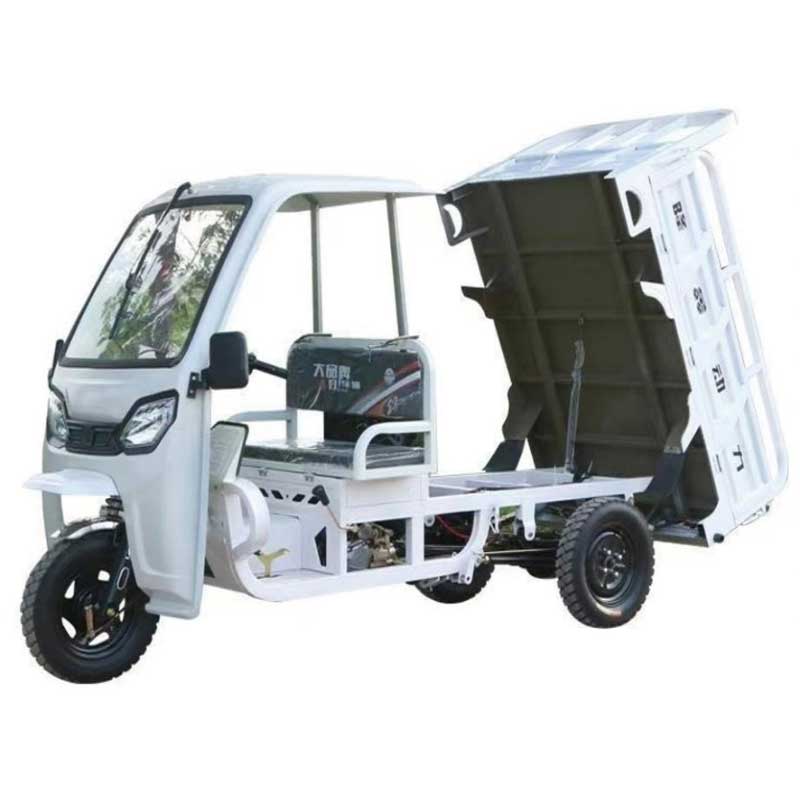
White Semi-Covered Three-Wheel Cargo Tricycle
-
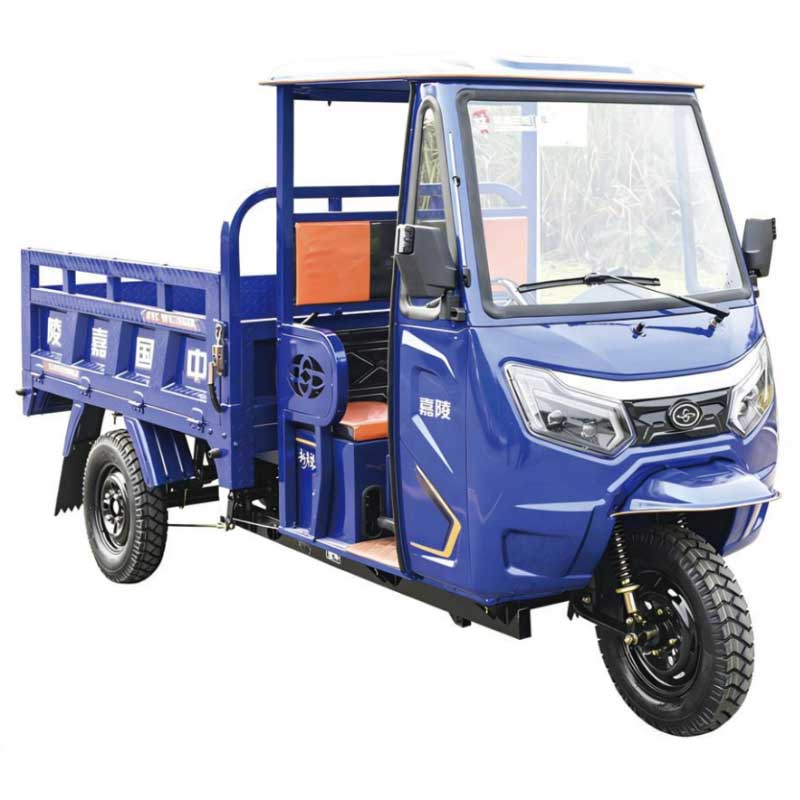
blue Semi-Covered Three-Wheel Cargo Tricycle
-
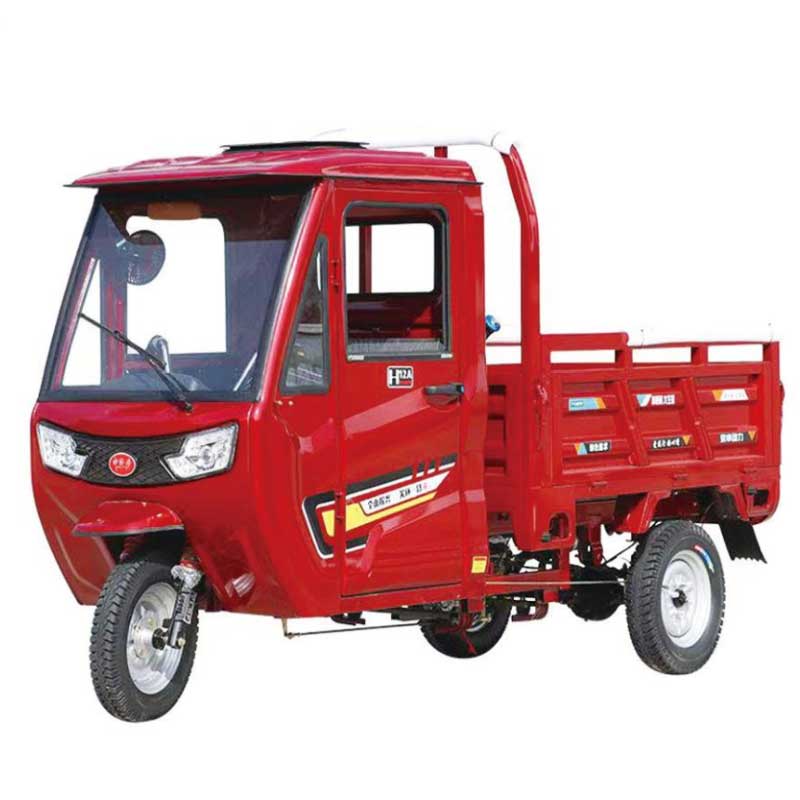
red Semi-Covered Three-Wheel Cargo Tricycle
-
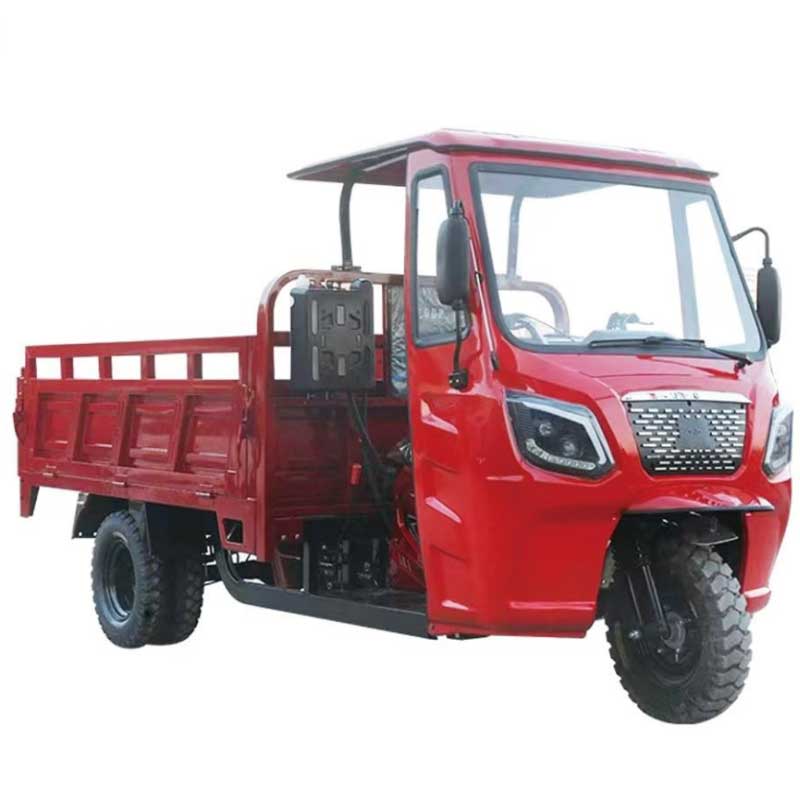
red Semi-Covered Three-Wheel Cargo Tricycle
-
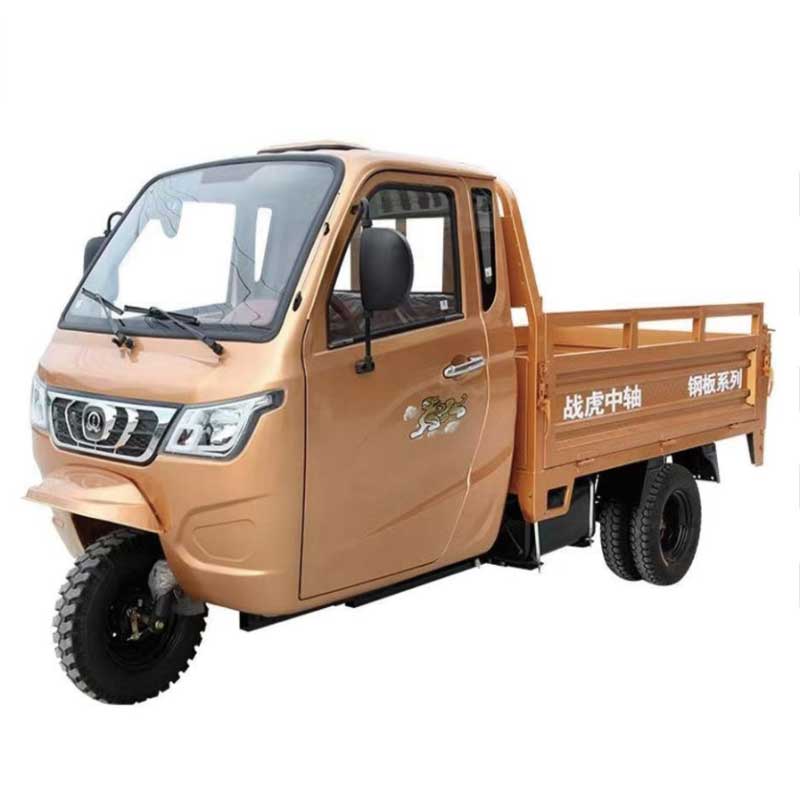
yellow Semi-Covered Three-Wheel Cargo Tricycle
-
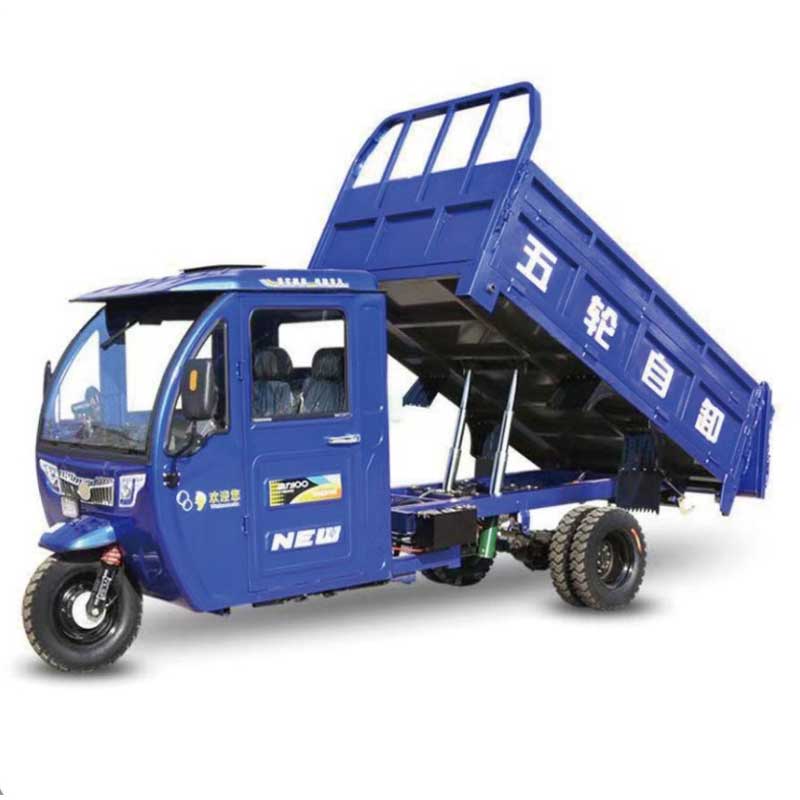
blue Semi-Covered Three-Wheel Cargo Tricycle
-
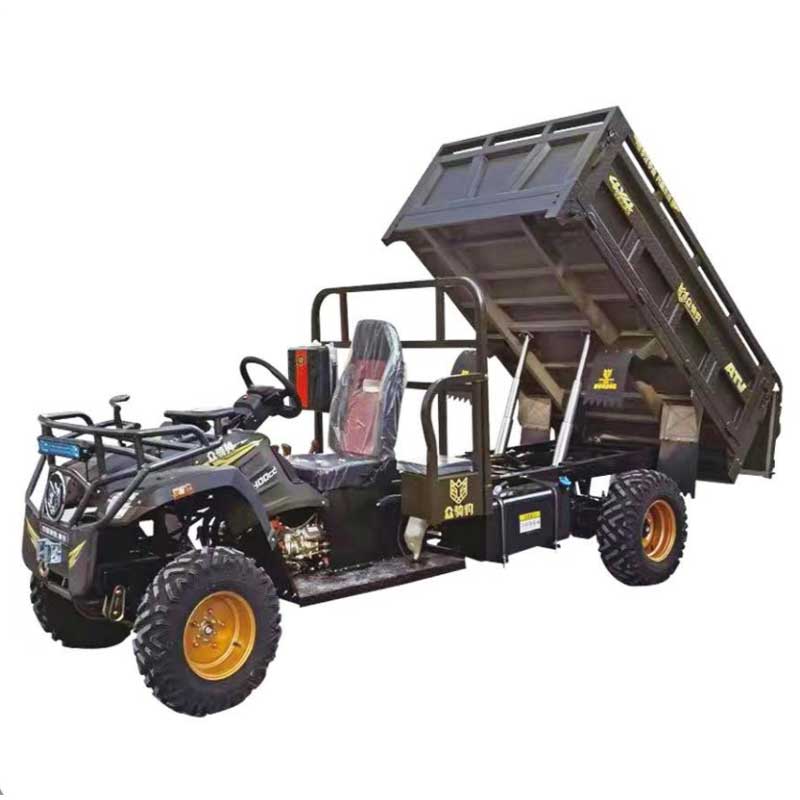
Military route color Semi-Covered Three-Wheel Cargo Tricycle
-
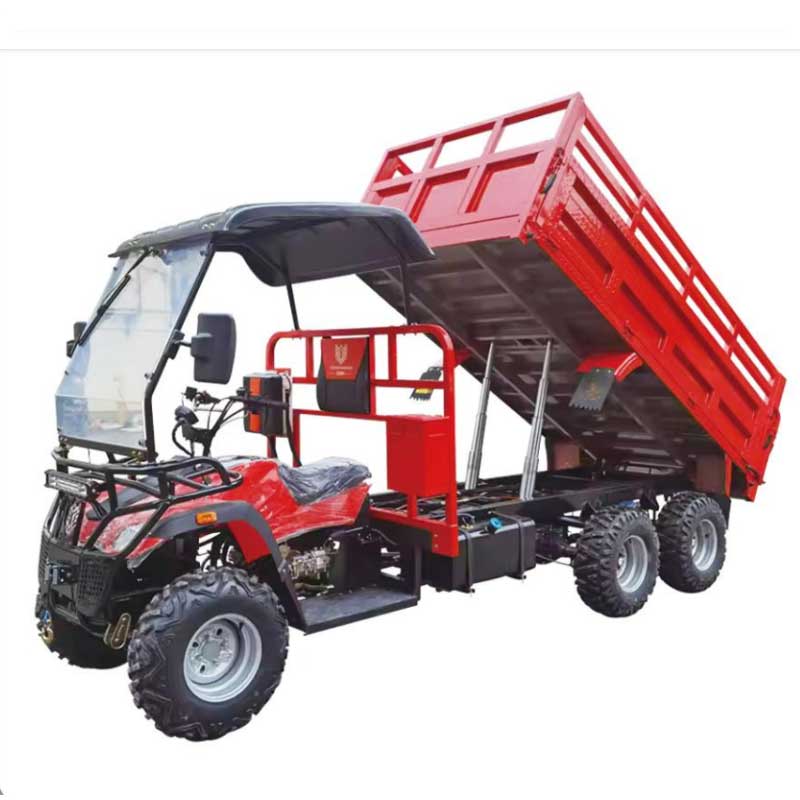
red Semi-Covered Three-Wheel Cargo Tricycle
Renqiu Xianyue Motorcycle Co., Ltd.
Copyright © 2026-2027 https://www.xuanyuetricycle.com. All Rights Reserved Renqiu Xuanyue Motorcycle Co., Ltd.