

 Current location:
NEWS INFORMATION
NEWS INFORMATION
Cargo Tuk Tuk: Uses and Advantages in Logistics
author:xuanyue date:2026-06-26 03:45:01 click:114
The Growing Role of Three-Wheelers in Urban Logistics
Urban freight demand is growing at 6–8% annually in developing economies, and the cargo tuk tuk has emerged as a critical link in last-mile delivery networks. With the ability to navigate narrow streets, access restricted zones, and deliver at one-third the operating cost of a light truck, three-wheeled cargo vehicles now handle an estimated 18% of urban last-mile deliveries across South and Southeast Asia. For logistics operators and fleet managers, understanding the cargo tuk tuk ecosystem is essential for building cost-efficient distribution networks.
Core Specifications That Matter for Cargo Operations
Not every cargo tuk tuk is suited for logistics work. Fleet buyers should evaluate these specifications against their operational profile:
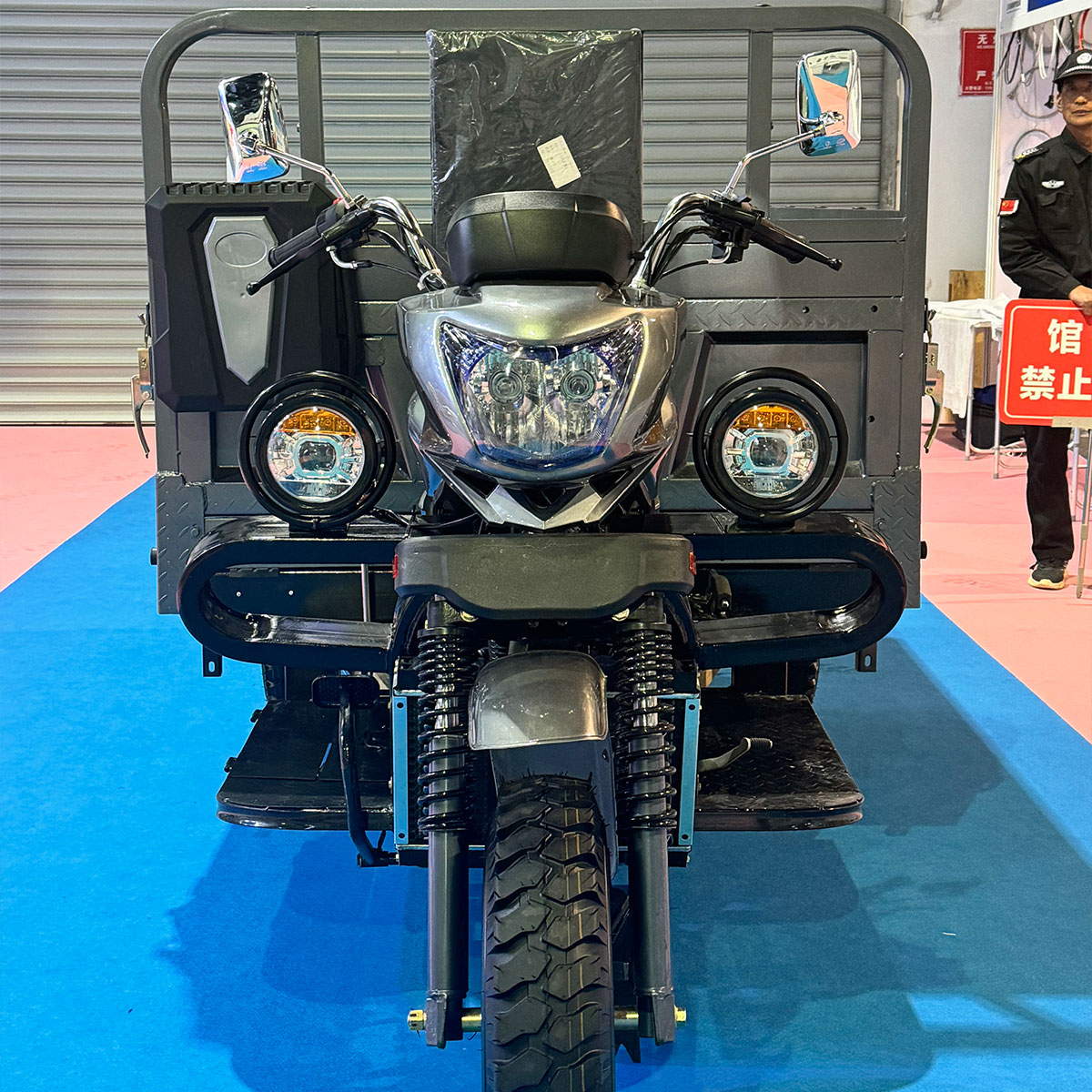
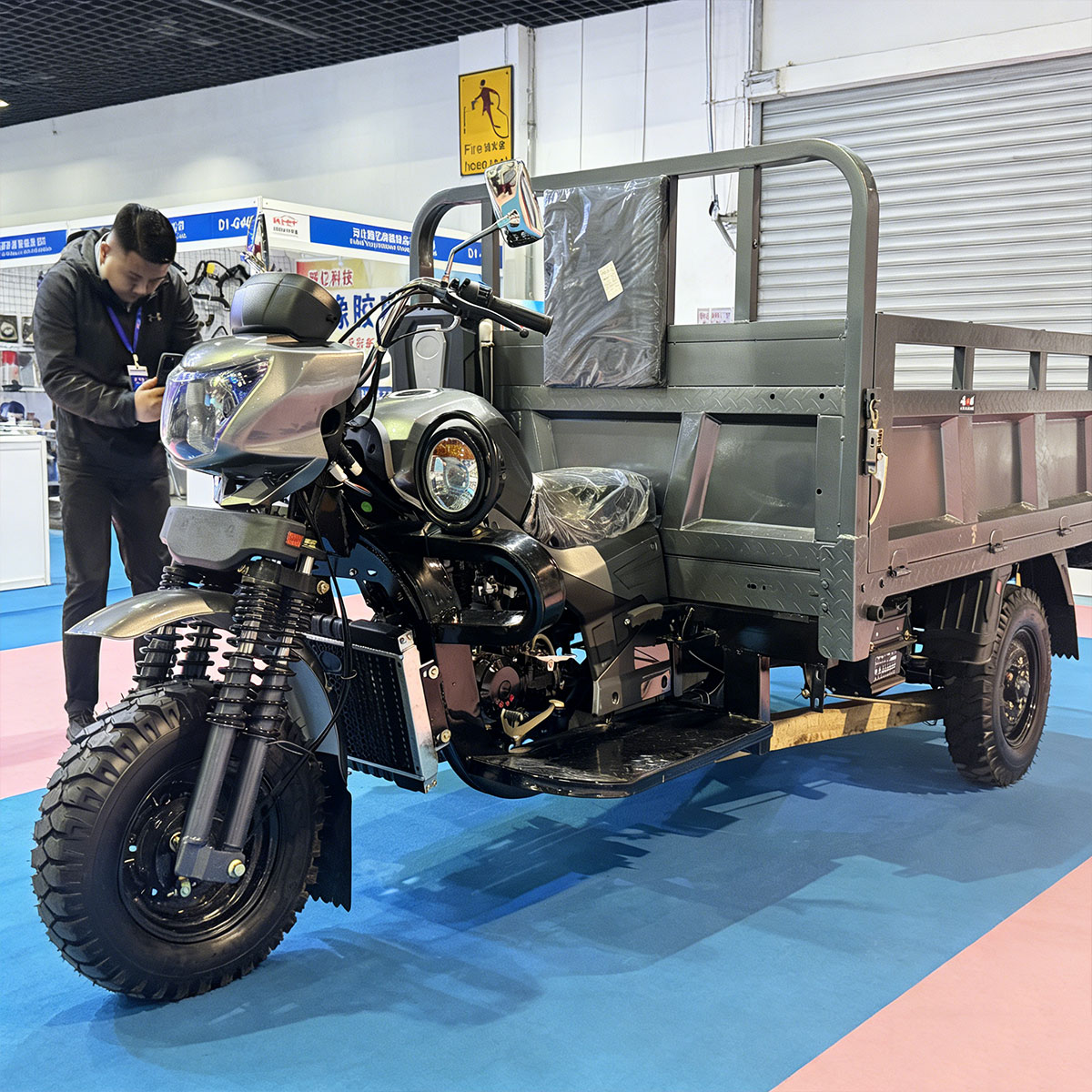
Payload capacity: 500–1,200 kg depending on chassis and suspension design
Cargo bed dimensions: Standard 1.5m × 1.2m flatbed; extended options up to 2.0m × 1.4m
Engine output: 200cc–800cc; diesel models deliver higher torque for heavy loads
Fuel efficiency: 25–40 km/L for petrol; 30–45 km/L for diesel variants
Gradeability: 15–25% slope capacity critical for hilly urban terrain
A cargo tuk tuk with undersized payload rating will face premature suspension failure and excessive tire wear, eroding any initial cost savings.
Key Use Cases Across Industries
The versatility of the cargo tuk tuk extends across multiple logistics-intensive sectors:
E-commerce last-mile delivery: Packages under 50 kg per stop; 80–120 deliveries per shift in dense urban areas
Agricultural produce transport: Fresh produce from farms to local markets; ventilated cargo configurations reduce spoilage by 15–20%
Construction materials distribution: Sand, cement, and hardware delivery to sites inaccessible to larger trucks
Beverage and FMCG distribution: Route-based deliveries with 20–30 stops per run; side-opening cargo boxes enable efficient loading
Waste collection and recycling: Municipal contracts for narrow-lane waste pickup; tipping cargo beds simplify unloading
Electric Cargo Tuk Tuks: The Future of Urban Freight
The electric cargo tuk tuk is rapidly gaining market share, driven by lower operating costs and expanding urban emission zones. Current electric models deliver 80–130 km range per charge with payloads of 500–800 kg—sufficient for 90% of urban last-mile routes. Charging infrastructure requirements are modest: a standard 220V outlet provides full charge in 6–8 hours. Fleet operators switching from diesel to electric cargo tuk tuk models report 55–70% reduction in per-km energy costs and 40% fewer scheduled maintenance events, as electric drivetrains eliminate 200+ moving parts found in ICE equivalents.
Total Cost of Ownership: Cargo Tuk Tuk vs. Light Truck
The cargo tuk tuk delivers compelling TCO advantages over light trucks in urban logistics:
Acquisition cost: USD 2,000–5,000 vs. USD 15,000–30,000 for a light truck
Fuel/energy cost per km: USD 0.04–0.08 vs. USD 0.12–0.18
Annual maintenance: USD 200–500 vs. USD 1,500–3,000
Insurance: 40–60% lower premiums
Driver licensing: Standard vehicle license sufficient in most jurisdictions; no commercial truck endorsement required
Over a 5-year operating cycle, a cargo tuk tuk fleet achieves 50–65% lower TCO than a comparable light truck fleet for urban delivery applications.
Fleet Management and Optimization Strategies
Running a profitable cargo tuk tuk fleet requires disciplined operational management. GPS-enabled fleet tracking reduces route inefficiency by 15–25%. Preventive maintenance schedules based on engine hours (not just calendar intervals) extend vehicle life by 20–30%. Tire management is critical—proper inflation and rotation on cargo tuk tuk units carrying heavy loads can reduce tire replacement frequency by 40%. Fleet operators who implement driver training programs focused on load distribution and smooth acceleration report 12–18% lower fuel consumption and 25% fewer mechanical breakdowns.
Import Considerations for Fleet Buyers
Procuring a cargo tuk tuk fleet from overseas manufacturers requires attention to shipping optimization and regulatory alignment. CKD (Completely Knocked Down) shipping allows 25–35 units per 40-foot container versus 8–12 fully assembled, reducing per-unit freight by 45–60%. Verify that your cargo tuk tuk supplier provides homologation documentation for your destination market, including emission certification, lighting compliance (ECE R56), and braking standards (ECE R78). Factor in 30–45 days for production plus 20–35 days for ocean freight when planning fleet deployment timelines.
FAQ
What payload can a cargo tuk tuk carry?
Standard cargo tuk tuk models handle 500–800 kg. Heavy-duty variants with reinforced chassis and upgraded suspension carry up to 1,200 kg. Always spec your vehicle based on actual operational loads with a 15% safety margin.
How far can an electric cargo tuk tuk travel on one charge?
Current models deliver 80–130 km range per charge at full payload. For operators requiring extended range, swappable battery systems allow continuous operation with a 3-minute battery exchange at designated swap stations.
Is a cargo tuk tuk street legal in European cities?
Yes, provided the cargo tuk tuk meets L5e or L7e classification requirements under EU regulation 168/2013, including speed limitations, lighting, and braking standards. Many European cities now offer dedicated three-wheeler lanes and emission-zone exemptions for electric models.
What is the expected lifespan of a cargo tuk tuk?
With proper maintenance, a cargo tuk tuk achieves 80,000–120,000 km or 5–7 years of service. Electric models typically last longer due to fewer mechanical wear components, with battery packs rated for 1,500–2,000 charge cycles.
Conclusion
The cargo tuk tuk has proven itself as an indispensable asset in modern urban logistics, offering unmatched cost efficiency, maneuverability, and versatility across delivery, agricultural, construction, and municipal applications. Whether powered by diesel for heavy-duty hauling or electric for emission-zone compliance, three-wheeled cargo vehicles deliver 50–65% lower total cost of ownership than light trucks in dense urban environments. Fleet operators who invest in the right specifications, implement disciplined maintenance programs, and optimize routes through GPS tracking will maximize the substantial economic and operational advantages that cargo tuk tuk fleets provide.
References
Taniguchi, E., & Thompson, R. (2023). "Urban Last-Mile Logistics: The Role of Light Commercial Vehicles and Three-Wheelers." Transportation Research Procedia, 69, 412–425.
Mendoza, R., & Chen, X. (2022). "Electrification of Three-Wheeled Freight Vehicles: Cost-Benefit Analysis for Developing Economies." Energy for Sustainable Development, 68, 112–126.
World Bank. (2024). "Urban Freight and Logistics in Developing Countries: Infrastructure and Vehicle Strategy." World Bank Working Papers, WP-2847.
Das, S., & Pandey, A. (2023). "Total Cost of Ownership Comparison: Three-Wheelers vs. Light Trucks in Indian Urban Delivery." Journal of Transport Geography, 109, 103–115.
European Commission. (2024). "Regulation (EU) 168/2013: Vehicle Category Classification for L5e and L7e Three-Wheelers." Official Journal of the European Union.
-
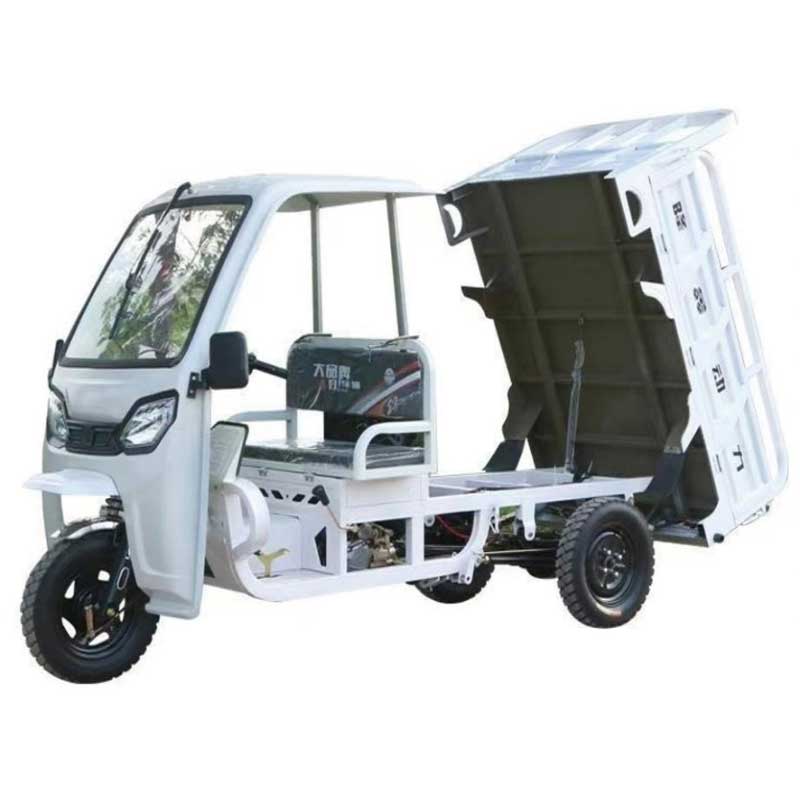
White Semi-Covered Three-Wheel Cargo Tricycle
-
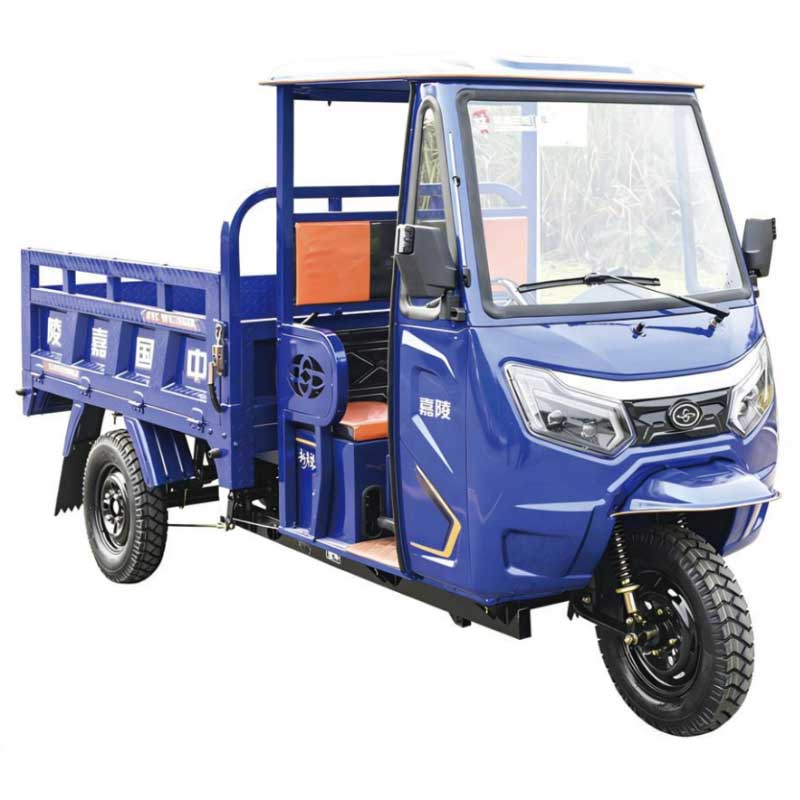
blue Semi-Covered Three-Wheel Cargo Tricycle
-
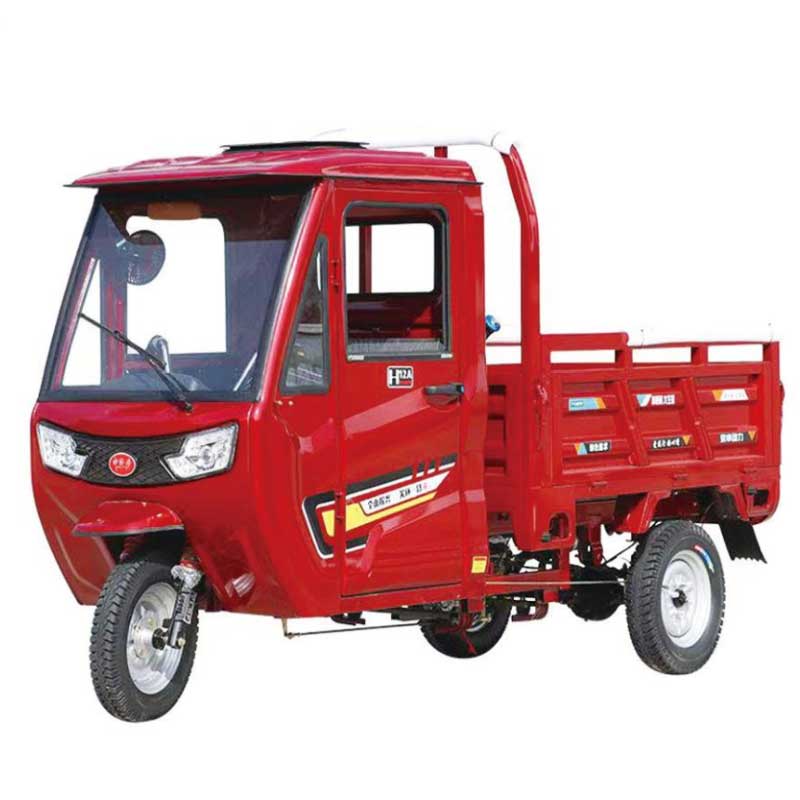
red Semi-Covered Three-Wheel Cargo Tricycle
-
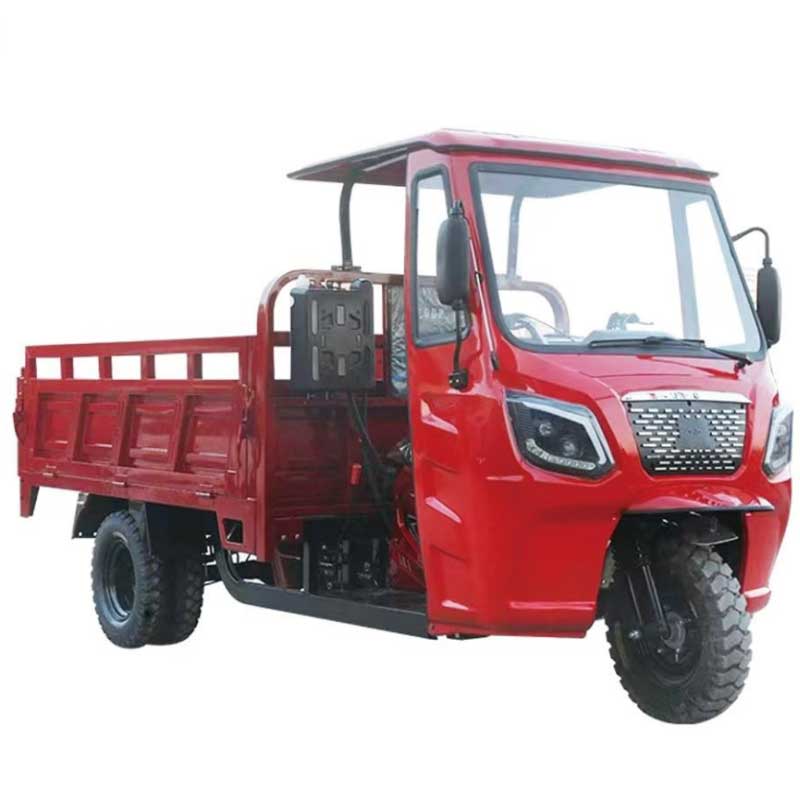
red Semi-Covered Three-Wheel Cargo Tricycle
-
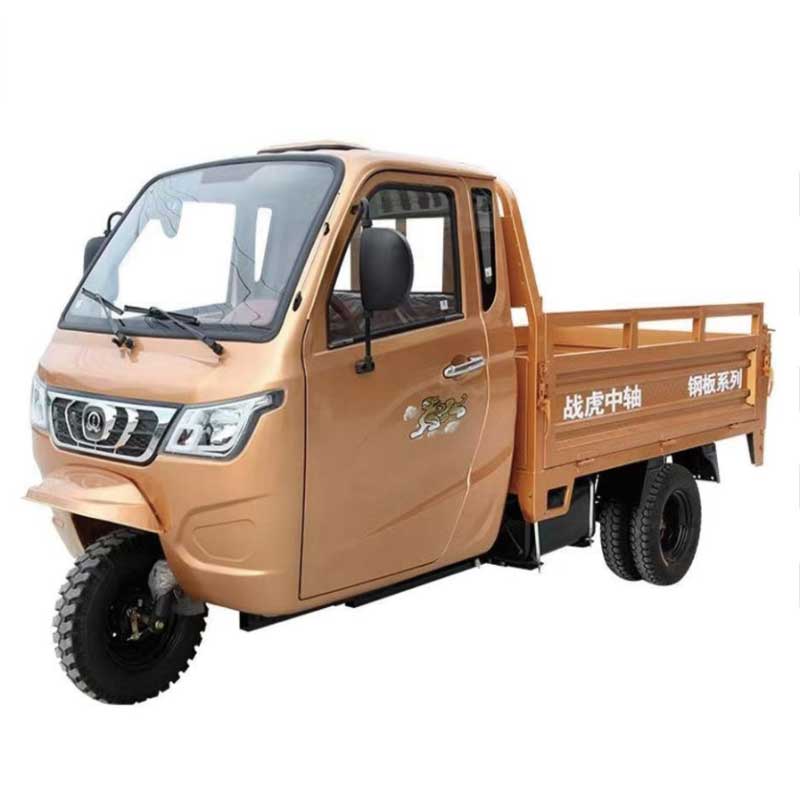
yellow Semi-Covered Three-Wheel Cargo Tricycle
-
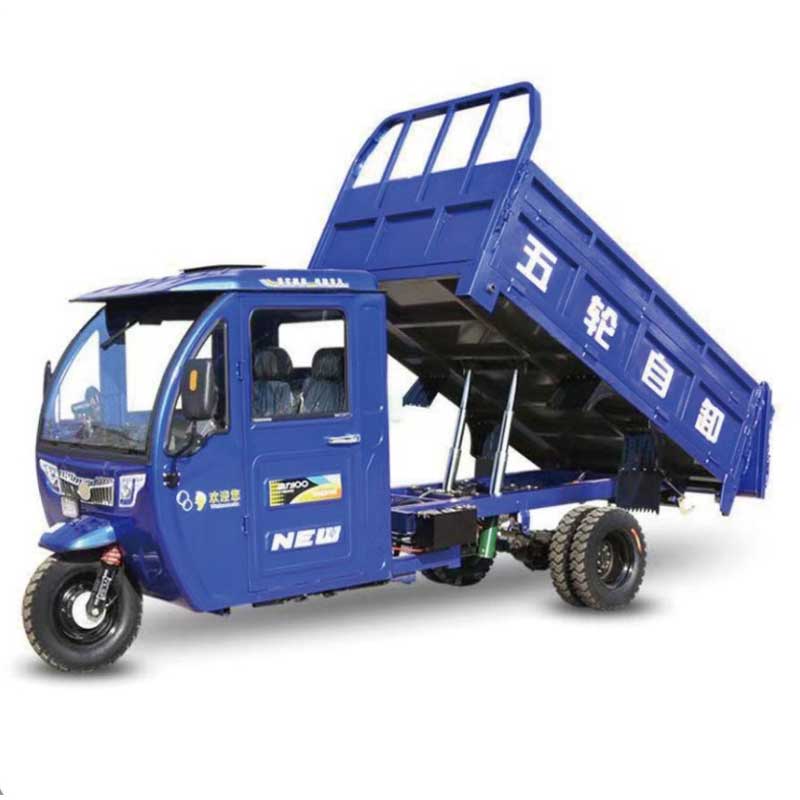
blue Semi-Covered Three-Wheel Cargo Tricycle
-
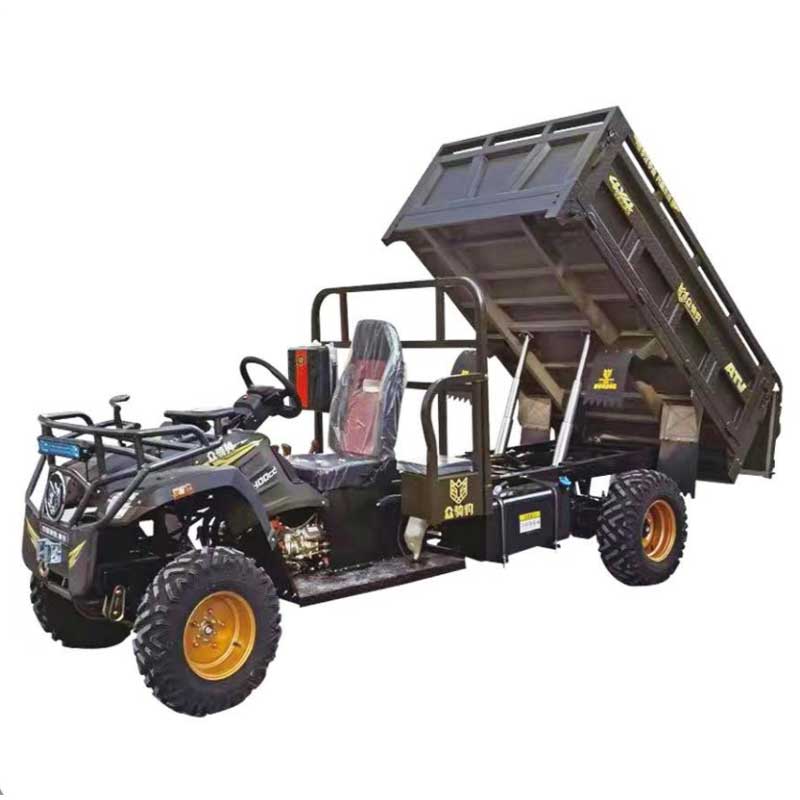
Military route color Semi-Covered Three-Wheel Cargo Tricycle
-
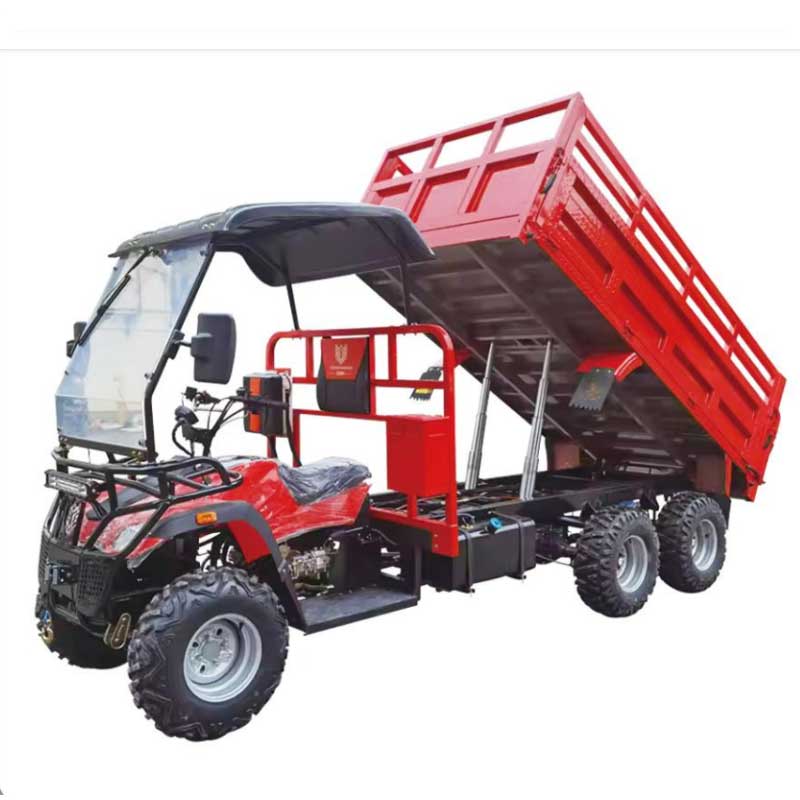
red Semi-Covered Three-Wheel Cargo Tricycle
Renqiu Xianyue Motorcycle Co., Ltd.
Copyright © 2026-2027 https://www.xuanyuetricycle.com. All Rights Reserved Renqiu Xuanyue Motorcycle Co., Ltd.