

 Current location:
NEWS INFORMATION
NEWS INFORMATION
Cargo Tricycle vs Cargo Tuk Tuk: Which One to Choose?
author:xuanyue date:2026-08-06 15:52:59 click:153
When a logistics manager sits down to spec out a new urban delivery fleet, the choice between a cargo tricycle and a cargo tuk tuk rarely gets the attention it deserves. Both are three-wheeled, both move goods through congested streets that vans cannot enter, and both cost a fraction of a light truck. But the engineering philosophies behind them diverge in ways that directly affect your bottom line once the vehicles are on the road.
Defining the Two Vehicle Classes
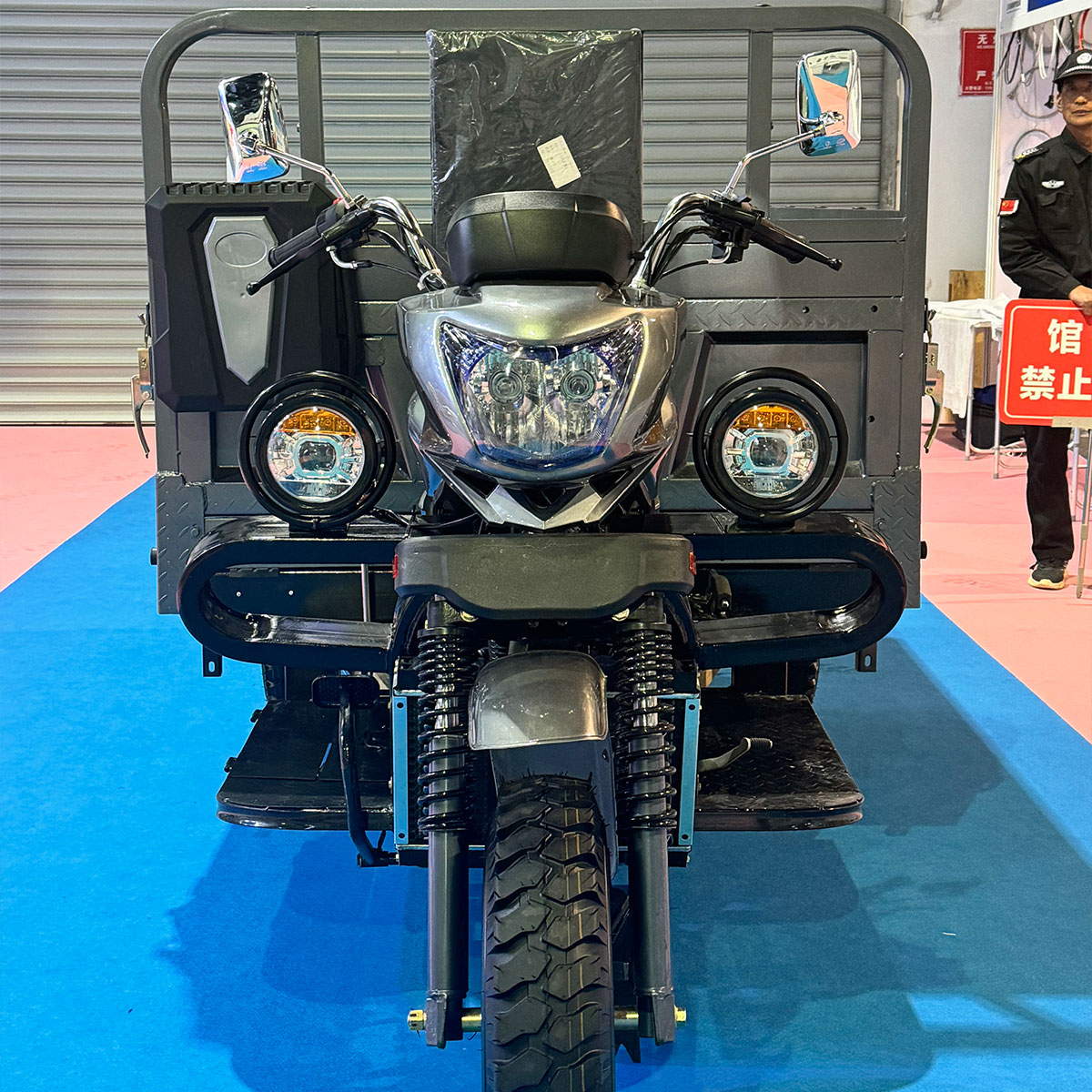
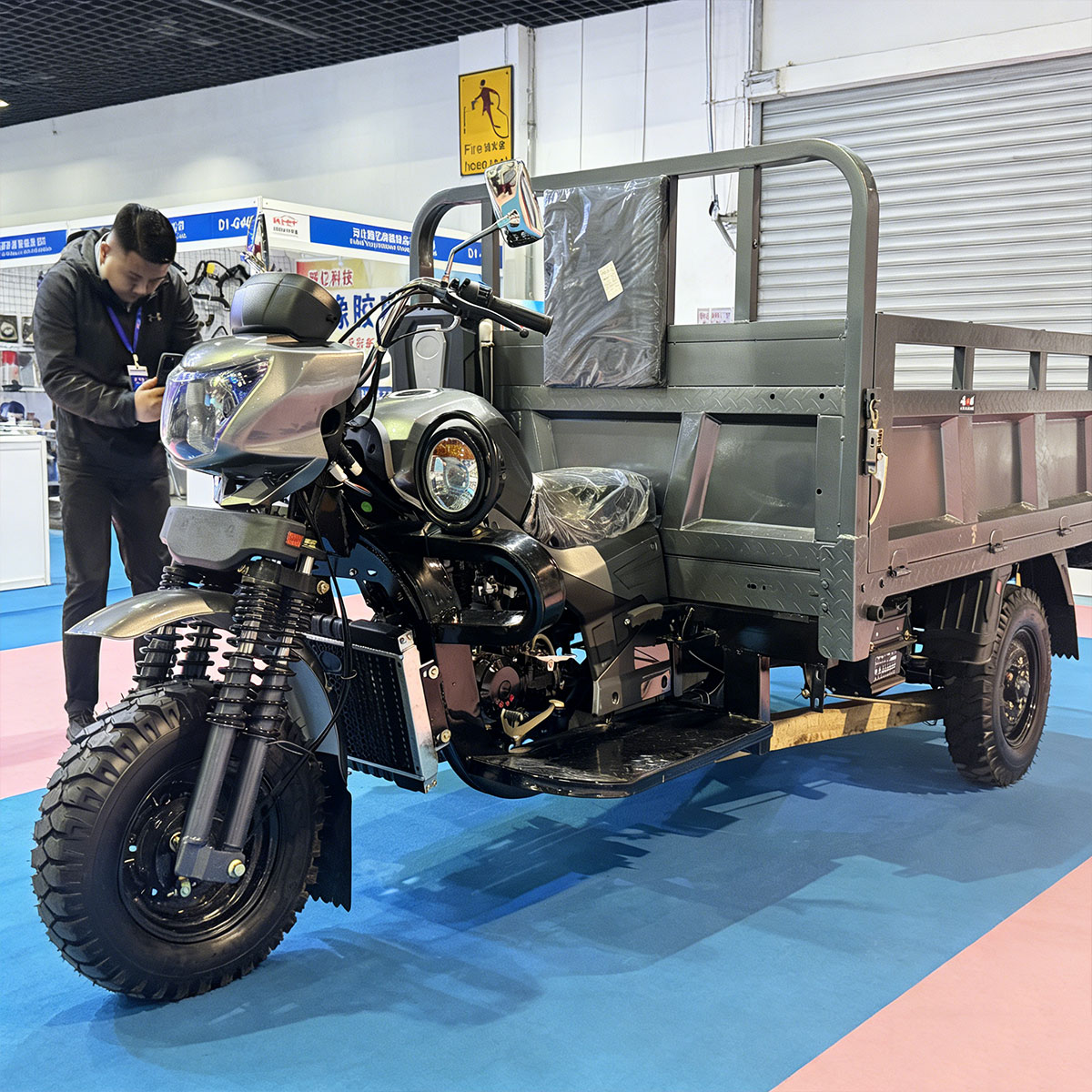
A cargo tricycle typically places the freight box at the front or rear with the rider straddling or sitting above the drivetrain, much like an enlarged bicycle with a motor. A cargo tuk tuk, by contrast, uses a motorcycle-derived front end with a cabin and a separate cargo bed behind the operator compartment. That single architectural difference cascades into payload, stability, and comfort. Factories producing cargo tricycle models tend to optimize for weight reduction and pedal-assist compatibility, while cargo tuk tuk suppliers build around a heavier chassis rated for sustained commercial loads.
Load Capacity and Chassis Differences
Real-world payload tells the story. Most cargo tricycle units on the market carry 80–300 kg, with the higher figure reserved for electric cargo trikes with reinforced frames. A cargo tuk tuk comfortably handles 500–1,200 kg thanks to its ladder or backbone chassis and dedicated rear axle. If your average stop involves a single parcel stack under 50 kg, the tricycle wins on acquisition cost and energy use. If you are moving produce crates, construction fittings, or stacked cartons exceeding 200 kg per drop, the tuk tuk is the only structurally sound option.
Maneuverability in Tight Urban Spaces
Here the cargo tricycle holds a clear edge. With a wheelbase under 1.8 meters and a turning circle of roughly 3 meters, it slips through market alleys and building service entrances that a cargo tuk tuk—typically 2.6–3.2 meters long—simply cannot enter. Delivery operators in old-city districts report 15–25% faster completion times on tricycle routes purely because of access. The trade-off is exposure: trikes are almost always open, so weather protection depends on cargo box design rather than a cabin.
Powertrain Options From the Factory
Suppliers offer both platforms in petrol, LPG, diesel, and electric variants, but the mix differs. The cargo tricycle market is overwhelmingly electric or pedal-assist, reflecting its roots in last-mile parcel delivery where range demands are modest (40–80 km per charge). The cargo tuk tuk leans toward 200–800 cc combustion engines for torque, though electric tuk tuks with 1.5–3 kW motors are gaining ground in emission-controlled cities. A manufacturer's willingness to customize the powertrain—swap to lithium cells, retune the controller—is a useful signal of how flexible they are as a supply partner.
Operating Cost Over a Five-Year Cycle
Crunching the numbers changes how procurement teams view the two. A cargo tricycle costs USD 1,200–4,000 to acquire and burns roughly USD 0.02–0.05 per km in electricity. A cargo tuk tuk runs USD 2,500–6,500 upfront with fuel or energy costs of USD 0.03–0.14 per km depending on powertrain. Over five years at 20,000 km annually, the tricycle's total cost of ownership lands near USD 8,000–12,000; the tuk tuk sits at USD 14,000–22,000. The gap narrows only when payload requirements push you toward the larger vehicle anyway.
Best-Fit Applications for Each Model
Choose a cargo tricycle for e-commerce parcels, pharmacy runs, and food delivery where individual stop weights stay low and route density is high. Choose a cargo tuk tuk for agricultural produce, construction material, beverage restocking, and municipal waste where bulk and weight dominate. Many fleet operators run both—trikes for the final neighborhood loop, tuk tuks for the heavier district-level hauls.
How Suppliers Position These Vehicles
It is worth noting how the supply chain frames each. Cargo tricycle factories often market directly to courier startups and individual owners, emphasizing low entry cost. Cargo tuk tuk manufacturers target established logistics firms and municipal contracts, leading with durability and service-network depth. Your procurement channel—and the after-sales commitment you can negotiate—should weigh as heavily as the spec sheet.
Making the Final Procurement Call
There is no universal winner. Score your operation on four variables: average stop weight, route density, weather exposure, and available charging or refueling infrastructure. If stop weight stays under 100 kg and you operate in a dense core, the cargo tricycle is the rational pick. Once loads climb past 300 kg or you need a protected cabin for the operator, the cargo tuk tuk becomes the only compliant, safe choice. Spec to the load, not to the price tag.
FAQ
What is the maximum payload difference between the two?
A cargo tricycle tops out around 300 kg in reinforced electric builds; a cargo tuk tuk reaches 1,200 kg. The 4–5x gap is the single biggest factor in model selection.
Can a cargo tricycle replace a cargo tuk tuk?
Only on light-parcel routes. For anything above 200 kg per stop, the tricycle's frame is not engineered for sustained commercial loads and will show premature wear.
Which is cheaper to maintain?
The cargo tricycle, with fewer drivetrain components, costs USD 100–200 annually versus USD 150–400 for a tuk tuk. Electric trikes are especially low-maintenance.
Do both need the same driver license?
Generally yes—both fall under L-category three-wheeled vehicle licensing in most markets. Confirm with your local authority, as classifications vary.
Are spare parts equally available?
Cargo tuk tuk suppliers usually maintain deeper parts inventories because their buyers are fleet-scale. Tricycle parts are common but more fragmented across brands.
Conclusion
The cargo tricycle and the cargo tuk tuk solve overlapping but distinct problems. One is a lightweight, low-cost last-mile specialist; the other is a workhorse built for real weight. Operators who match the vehicle to actual load profiles—rather than buying on sticker price—consistently report lower cost per delivery and fewer breakdown incidents. Talk to your supplier about a mixed deployment, and treat payload rating as the non-negotiable first filter in any procurement decision.
References
Holguín-Veras, J., & González-Calderón, C. (2023). "Freight Trip Generation Models for Urban Three-Wheeled Delivery Vehicles." Transportation Research Part E, 176, 103–118.
World Bank. (2024). "Last-Mile Delivery Innovation in Developing Economies: The Role of Micro-Freight Vehicles." World Bank Working Papers, WP-2941.
Browne, M., & Allen, J. (2023). "Vehicle Type Selection for Sustainable Urban Freight Transport." Procedia Social and Behavioral Sciences, 104, 1132–1145.
Behrendt, F., & Aditjandra, P. (2022). "Electric Three-Wheeler Transition in Asian Cities: Economic Assessment." Journal of Transport Geography, 104, 103–118.
-
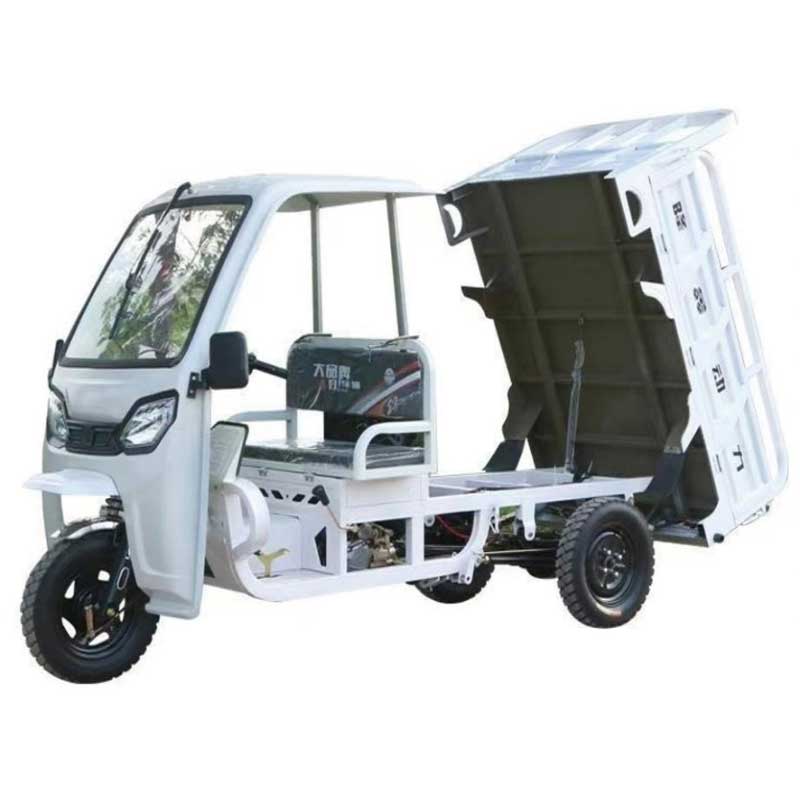
White Semi-Covered Three-Wheel Cargo Tricycle
-
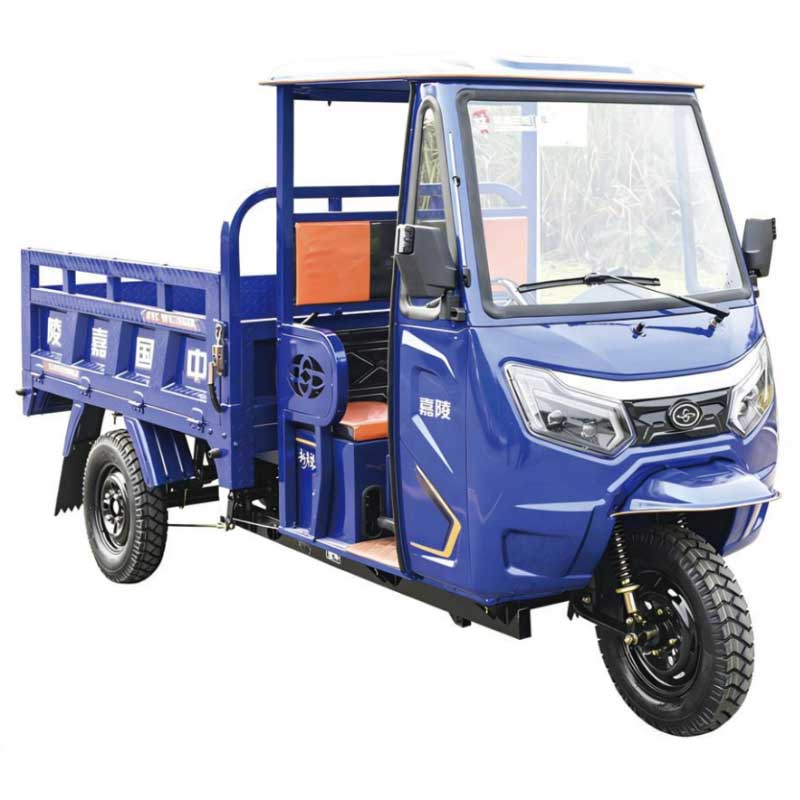
blue Semi-Covered Three-Wheel Cargo Tricycle
-
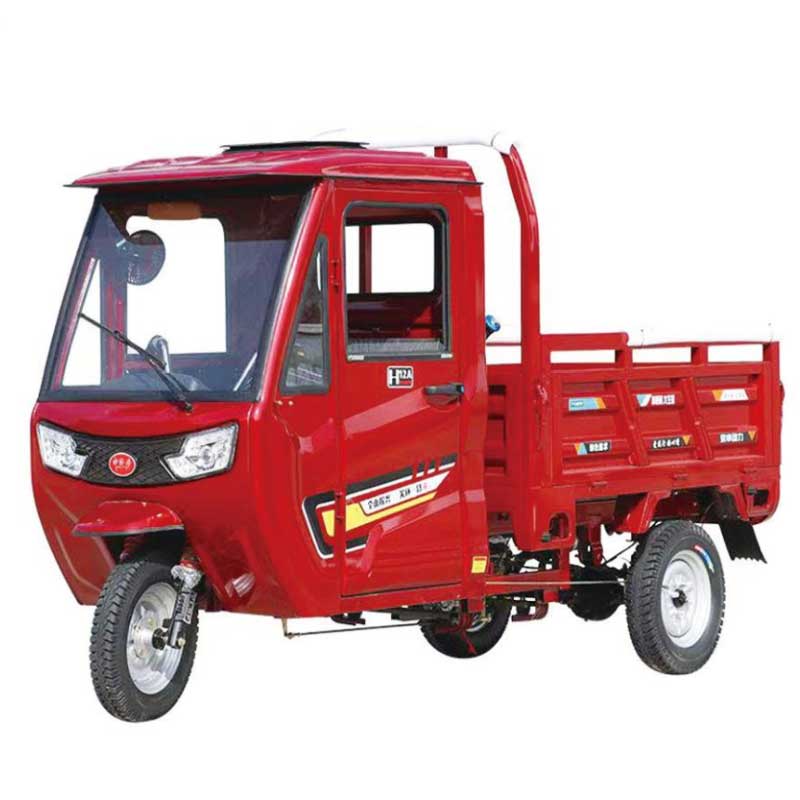
red Semi-Covered Three-Wheel Cargo Tricycle
-
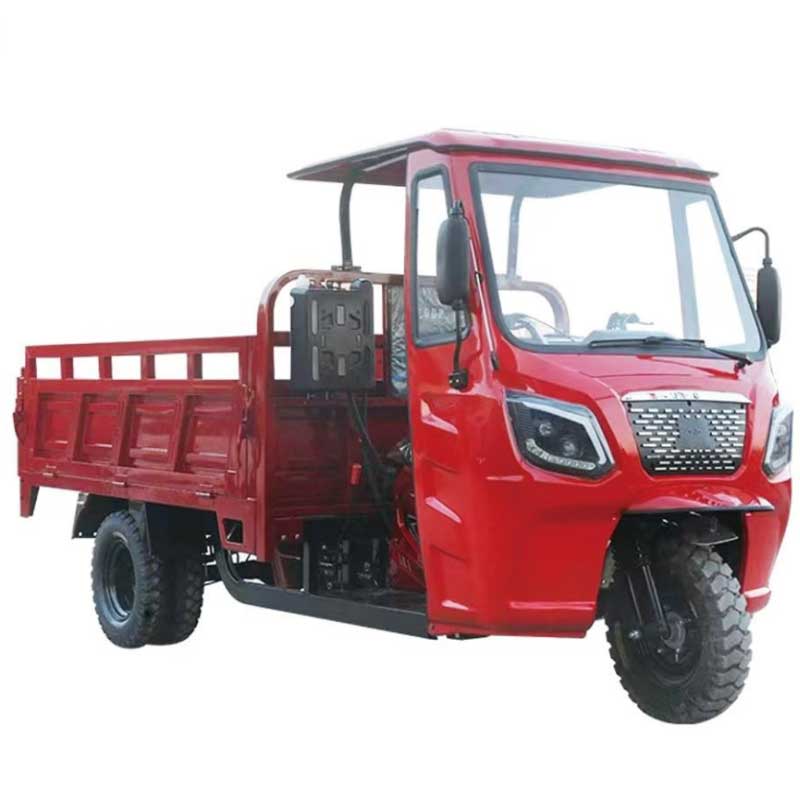
red Semi-Covered Three-Wheel Cargo Tricycle
-
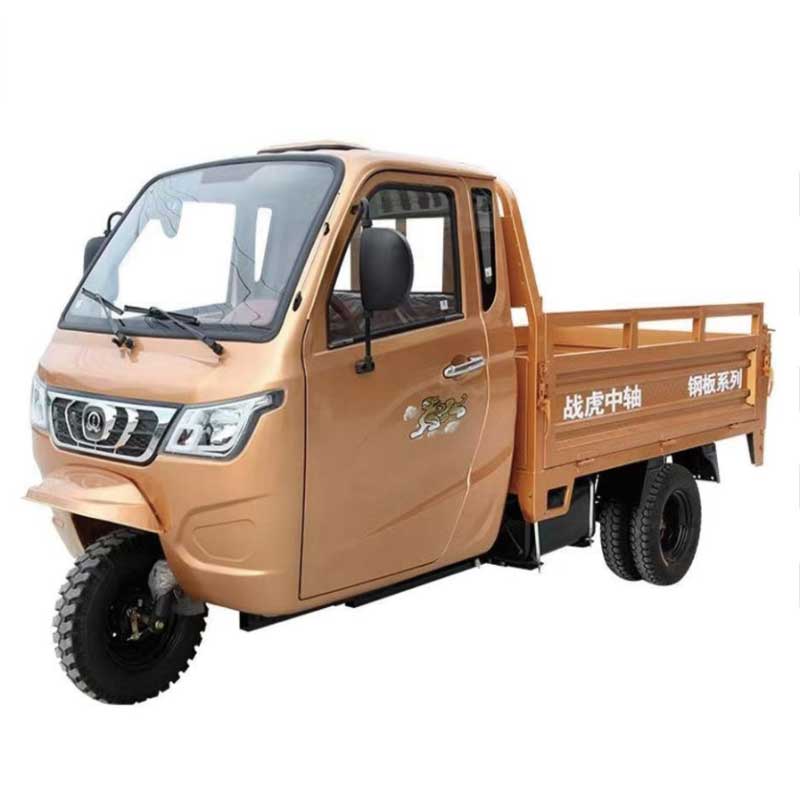
yellow Semi-Covered Three-Wheel Cargo Tricycle
-
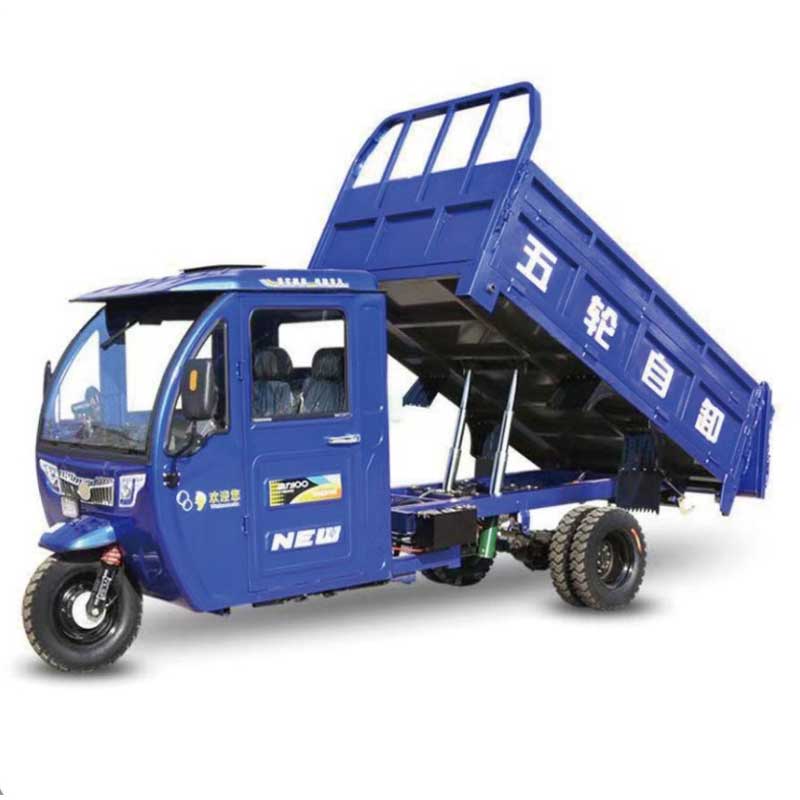
blue Semi-Covered Three-Wheel Cargo Tricycle
-
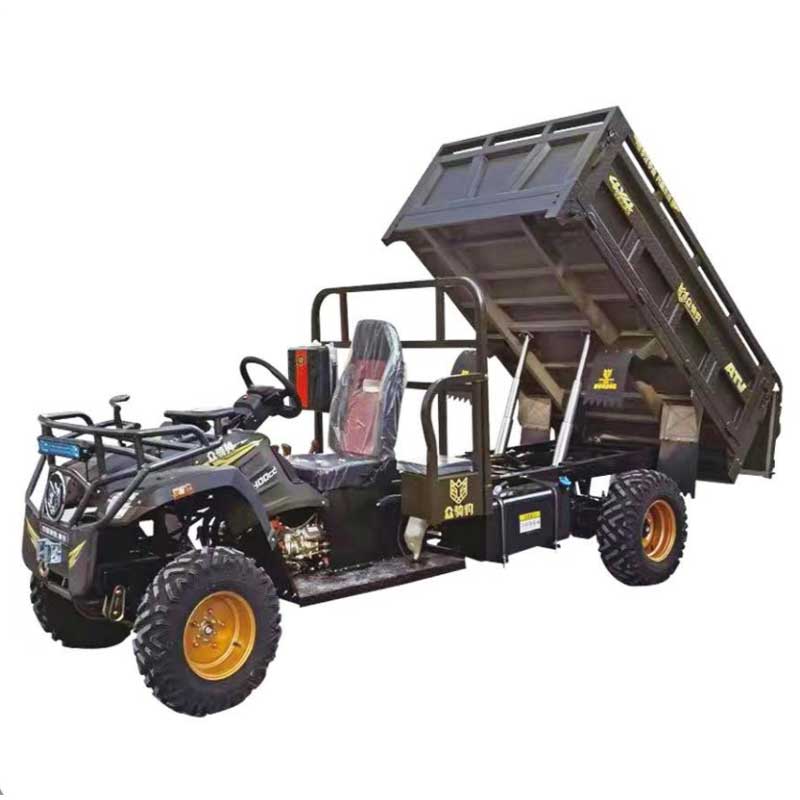
Military route color Semi-Covered Three-Wheel Cargo Tricycle
-
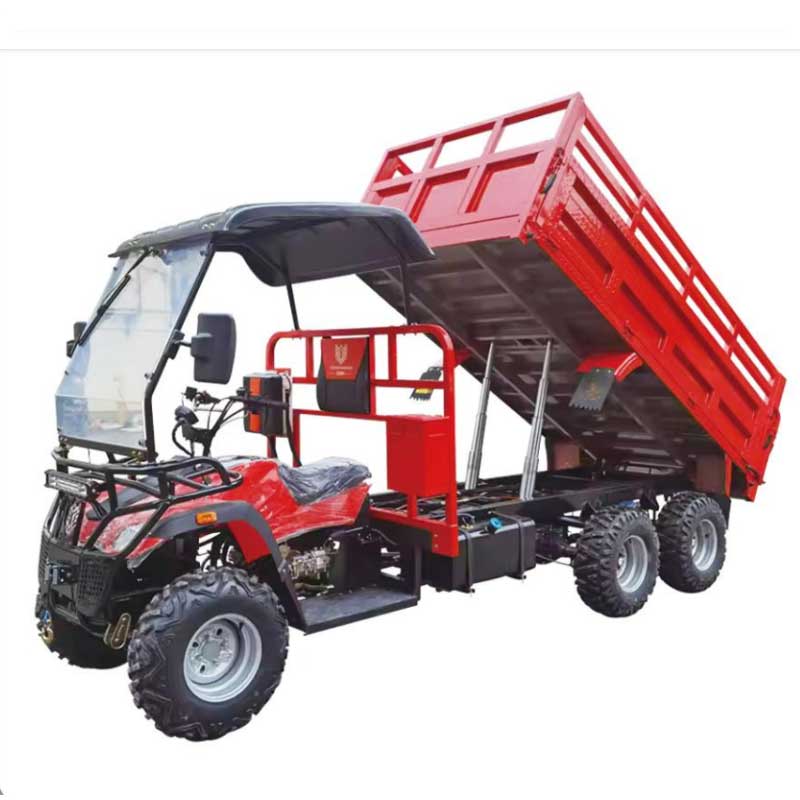
red Semi-Covered Three-Wheel Cargo Tricycle
Renqiu Xianyue Motorcycle Co., Ltd.
Copyright © 2026-2027 https://www.xuanyuetricycle.com. All Rights Reserved Renqiu Xuanyue Motorcycle Co., Ltd.