

 Current location:
NEWS INFORMATION
NEWS INFORMATION
Cargo Tricycle for Food Delivery Business: A Buying Guide
author:xuanyue date:2026-10-15 17:23:39 click:180
Food delivery is one of the few commercial applications where a cargo tricycle is genuinely competitive with four-wheeled alternatives, not merely a cheaper substitute. In dense urban areas, the tricycle navigates congestion and narrow access that larger vehicles cannot, at a fraction of the operating cost. But the food application imposes requirements that a standard cargo tricycle does not meet by default — temperature control, hygiene, and cargo security are not optional for food, and the vehicle must be specified with them in mind.
Why a Cargo Tricycle Fits Food Delivery
The economics of food delivery favour low operating cost per delivery and high delivery density. A cargo tricycle delivers both: low energy or fuel cost per kilometre, minimal parking and access constraints, and the ability to complete multiple short stops per hour in congested areas. For restaurants, cloud kitchens, and grocery delivery operating within a defined radius, the tricycle's range and capacity are adequate while its operating cost is markedly lower than a car or van.
Cargo Box Configuration: The Core Decision
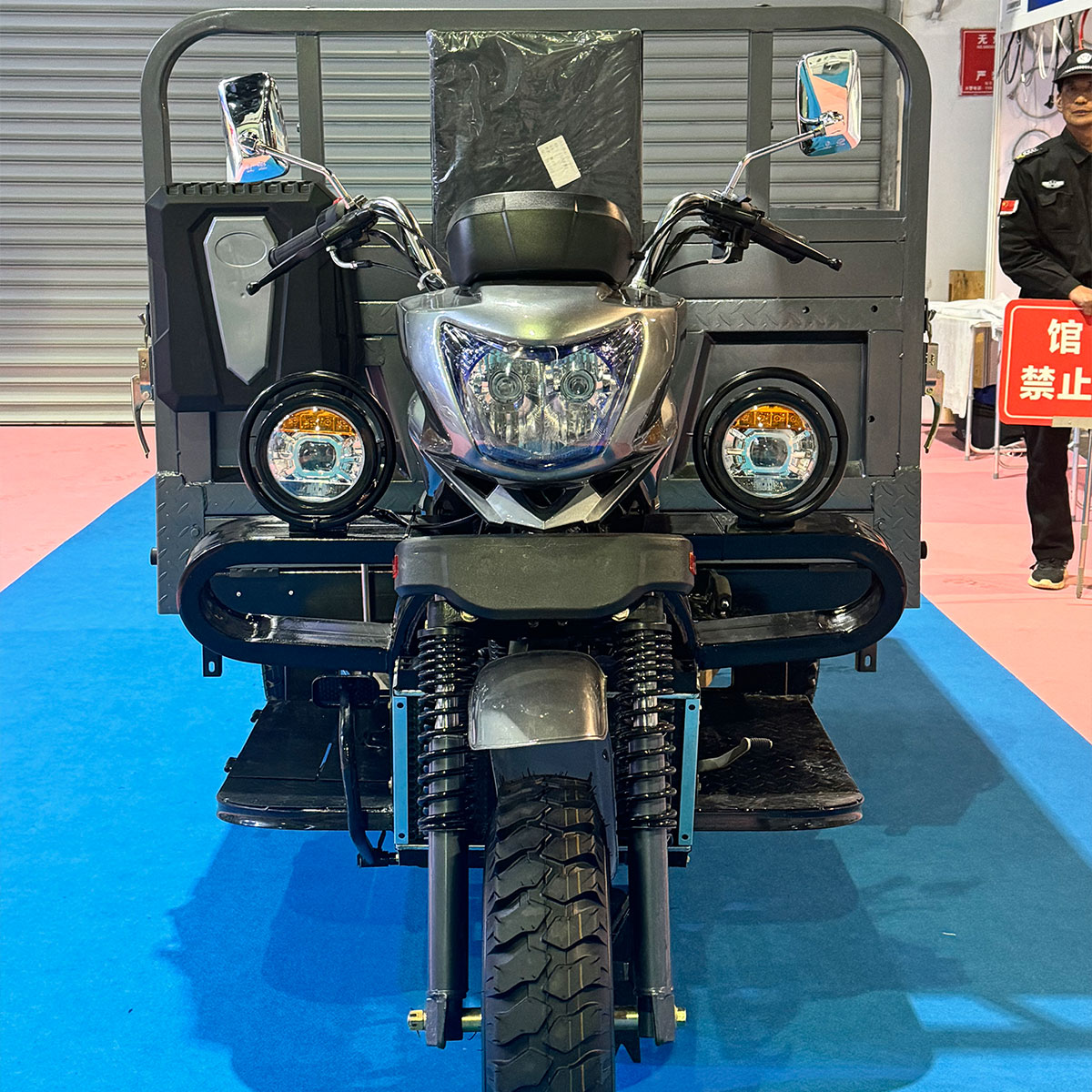
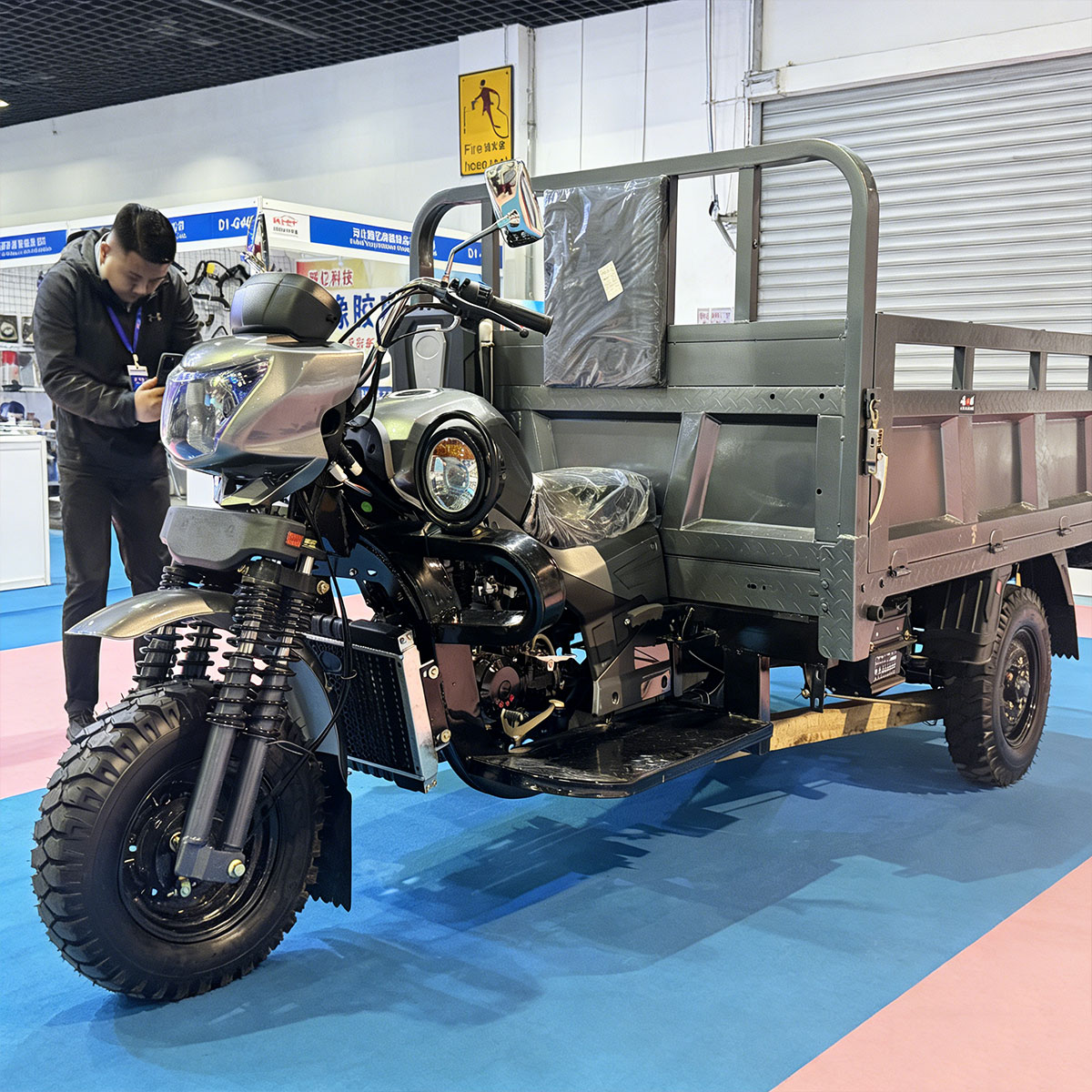
The cargo box is where food delivery requirements diverge most sharply from general cargo. Three configurations dominate the food application.
Insulated Enclosed Box
An insulated, fully enclosed box maintains internal temperature against external heat for a limited period, protecting hot food from cooling and cold food from warming during transit. The insulation value depends on wall thickness and material; thicker insulated walls hold temperature longer but reduce internal volume and add weight. For hot-food delivery with short transit times, moderate insulation is sufficient. For frozen or chilled groceries, thicker insulation and potentially active refrigeration is required.
Refrigerated Box
A refrigerated cargo box integrates a cooling unit powered from the vehicle's electrical system, maintaining a set temperature regardless of external conditions. This configuration suits chilled and frozen grocery delivery, pharmaceutical-adjacent cold chain, and any operation where temperature must be held for extended periods. The trade-off is added cost, weight, and electrical load that reduces vehicle range.
Open or Curtain-Side Box
An open or curtain-side configuration provides fast loading access for high-frequency, short-transit deliveries where temperature control is not critical — for example, dry grocery or baked goods delivered within minutes. It offers the fastest loading but no temperature or security protection.
Hygiene and Food-Grade Materials
Food contact surfaces inside the cargo box must be cleanable, non-porous, and resistant to the cleaning agents used in food service. Stainless steel, food-grade polypropylene, and sealed composite panels are the common materials; bare untreated wood or porous surfaces are unsuitable because they harbour bacteria and cannot be sanitised. The box interior should be designed without hard-to-clean corners and with a drainage point for cleaning. Regular sanitation — using food-safe disinfectants — is part of the operating procedure, not an occasional task.
Payload, Range, and Route Fit
The food delivery cargo tricycle must be specified to the actual operation. Payload capacity should exceed the typical loaded weight — including the cargo box, insulation, and the food — with margin for peak loads. Range must cover the daily route distance with margin for load and weather, because a vehicle that returns to base for recharge mid-shift loses the efficiency advantage. Route profile matters: flat urban routes with frequent stops suit lower-power drivetrains; hilly routes require more power and larger battery capacity.
Security and Order Management
Food deliveries are vulnerable to theft and tampering, particularly when the rider is away from the vehicle during handoff. A lockable cargo box, tamper-evident sealing for individual orders, and a secure mounting system protect both the product and the business's reputation. For operations using multiple compartments, a box divided into separated, individually accessible sections allows organised loading by delivery sequence.
Regulatory Considerations for Food Transport
Food transport is regulated in most markets, and the requirements vary by jurisdiction and food type. Common requirements include: hygiene standards for the transport container, temperature logging for chilled or frozen food, and in some markets, a permit or licence for commercial food transport. Operators should confirm the applicable requirements before specifying the vehicle, because the configuration — particularly refrigeration and temperature logging — may be mandated rather than optional.
Total Cost of Ownership for a Food Delivery Operation
The business case for a food delivery cargo tricycle rests on the same total cost of ownership logic as any commercial vehicle: acquisition, energy or fuel, maintenance, battery replacement (electric models), and the incremental cost of the food-specific configuration (insulation, refrigeration, hygiene materials) against the savings in operating cost versus a larger vehicle. For high-density urban delivery within a defined radius, the tricycle's lower operating cost typically offsets the incremental configuration cost within the first year or two of operation.
FAQ
Do I need a refrigerated cargo tricycle for food delivery?
Only if you transport chilled or frozen food that must hold a set temperature for extended periods. For hot food delivered within minutes, an insulated enclosed box is usually sufficient. For dry goods, an open or curtain-side box may be adequate. Specify the configuration to the food type and transit time.
What materials are safe for the inside of a food delivery cargo box?
Non-porous, cleanable, food-grade materials — stainless steel, food-grade polypropylene, or sealed composite panels — are appropriate. Bare untreated wood and porous surfaces are unsuitable because they cannot be sanitised effectively.
How much payload capacity do I need for restaurant food delivery?
For restaurant delivery with multiple orders per trip, a light to medium-duty cargo tricycle with adequate cargo volume is typically sufficient. Specify both payload capacity and internal volume, because food orders are often voluminous relative to weight. Confirm the rated payload exceeds the loaded box weight plus food with margin for peak loads.
Is a cargo tricycle legal for commercial food transport in my market?
Compliance depends on local regulation of three-wheeled commercial vehicles and food transport specifically. Confirm vehicle type approval for commercial use and any food-transport hygiene or licensing requirements with the relevant authority before purchase.
How does an electric cargo tricycle perform for food delivery range?
For dense urban food delivery within a defined radius, electric range is generally adequate, provided the battery capacity covers the daily route with margin for load and weather. Refrigerated configurations draw additional electrical load that reduces range and should be accounted for in the specification.
Conclusion
A cargo tricycle can be a sound choice for food delivery, but only when specified for the food application rather than purchased as a general cargo vehicle. The configuration decisions — insulated versus refrigerated box, food-grade interior materials, payload and range matched to the route, and security for order handoff — determine whether the vehicle will perform reliably and comply with food transport requirements. Food business operators who define their food type, transit time, and route profile before selecting the vehicle, and who account for the incremental cost of the food-specific configuration in the total cost of ownership, position their delivery operation to benefit from the tricycle's operating-cost advantage without compromising food safety.
References
Holguín-Veras, J., & González-Calderón, C. (2023). "Freight Trip Generation Models for Urban Three-Wheeled Delivery Vehicles." Transportation Research Part E, 176, 103–118.
World Health Organization. (2023). "Essential Safety Requirements for Food Transport and Delivery." WHO, Geneva.
Das, S., & Pandey, A. (2023). "Total Cost of Ownership: Three-Wheelers vs Light Trucks in Urban Delivery." Journal of Transport Geography, 109, 78–92.
Browne, M., & Allen, J. (2023). "Vehicle Type Selection for Sustainable Urban Freight Transport." Procedia Social and Behavioral Sciences, 104, 1132–1145.
-
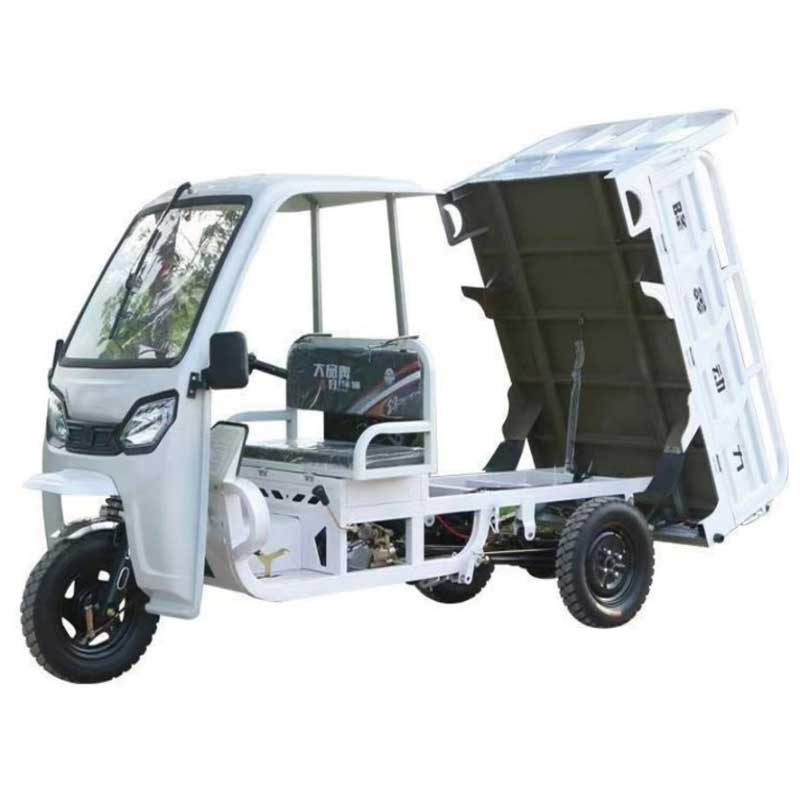
White Semi-Covered Three-Wheel Cargo Tricycle
-
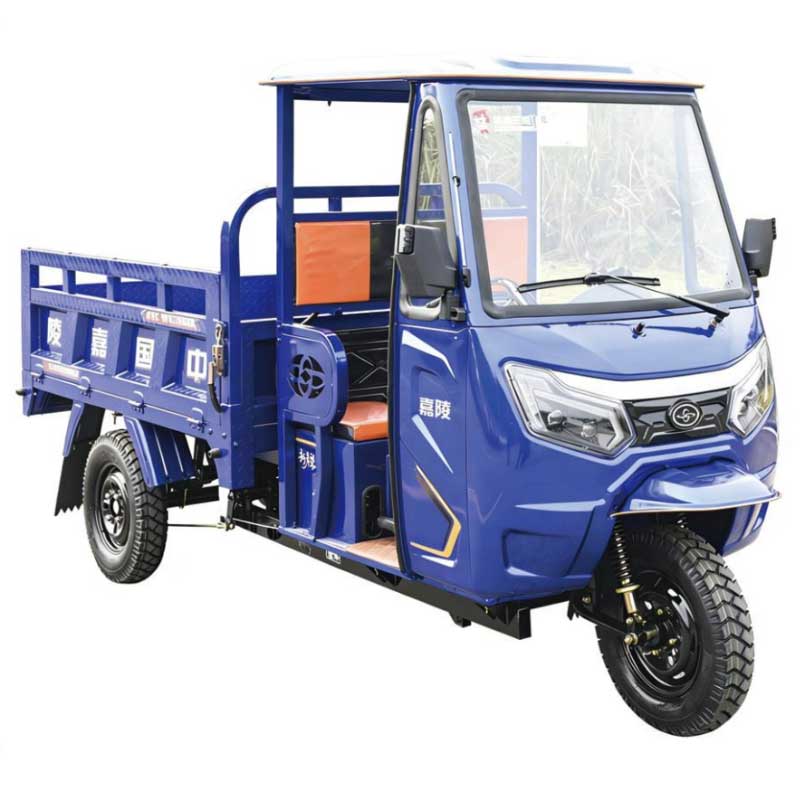
blue Semi-Covered Three-Wheel Cargo Tricycle
-
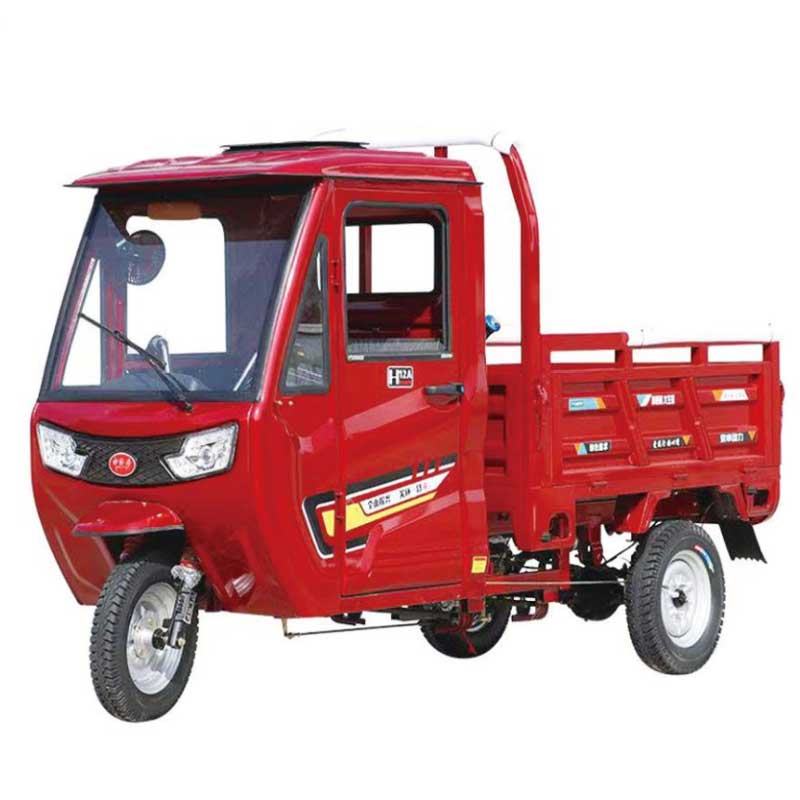
red Semi-Covered Three-Wheel Cargo Tricycle
-
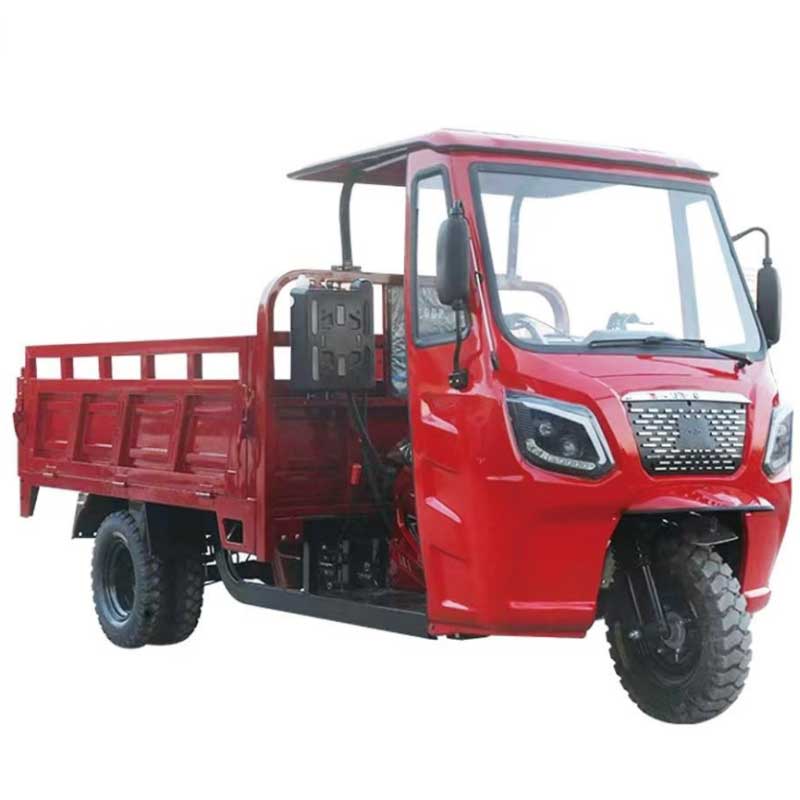
red Semi-Covered Three-Wheel Cargo Tricycle
-
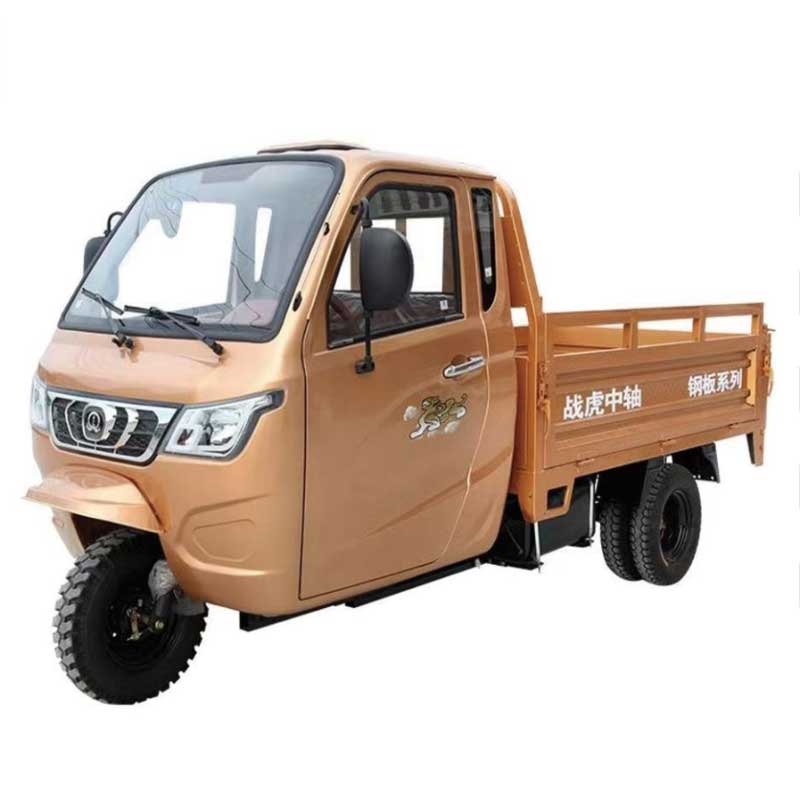
yellow Semi-Covered Three-Wheel Cargo Tricycle
-
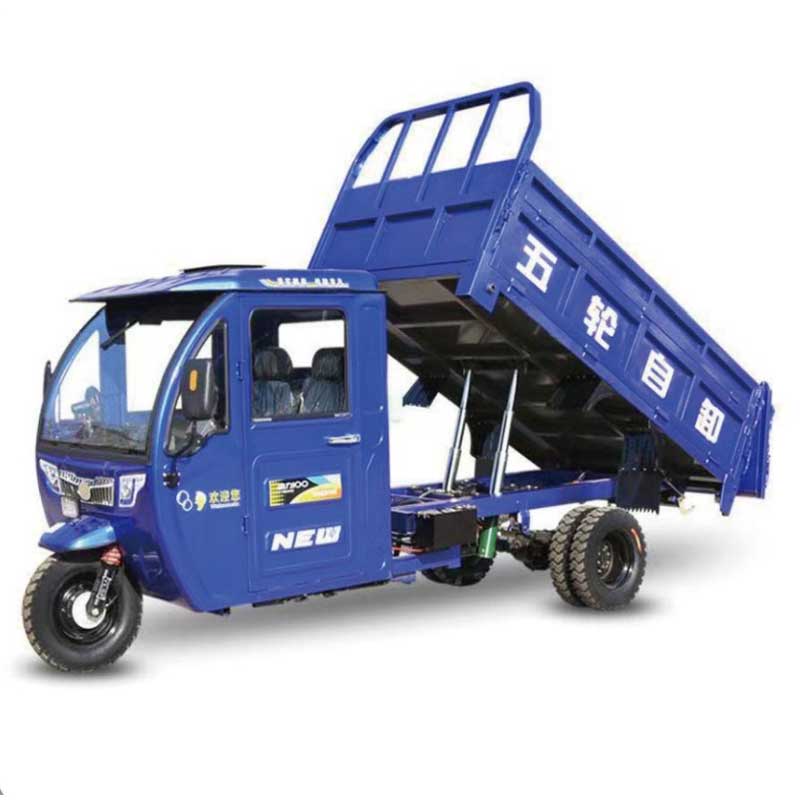
blue Semi-Covered Three-Wheel Cargo Tricycle
-
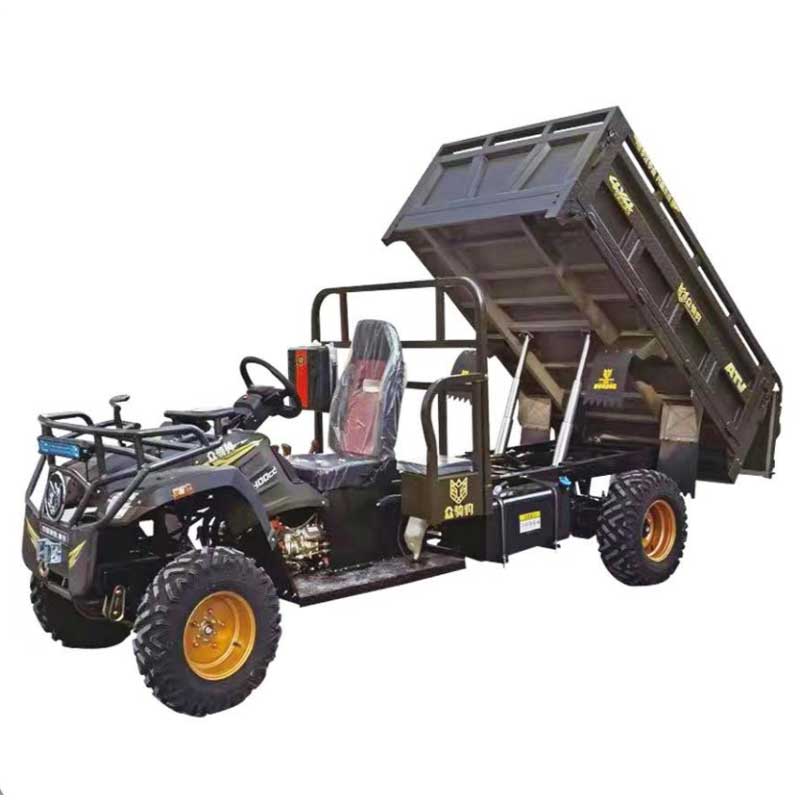
Military route color Semi-Covered Three-Wheel Cargo Tricycle
-
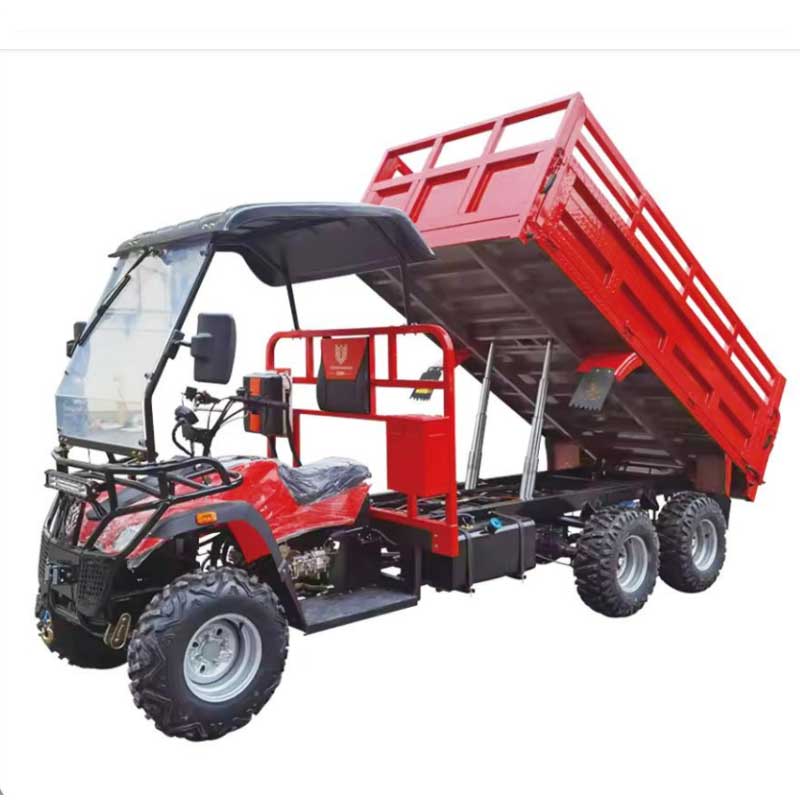
red Semi-Covered Three-Wheel Cargo Tricycle
Renqiu Xianyue Motorcycle Co., Ltd.
Copyright © 2026-2027 https://www.xuanyuetricycle.com. All Rights Reserved Renqiu Xuanyue Motorcycle Co., Ltd.