

 Current location:
NEWS INFORMATION
NEWS INFORMATION
Best Cargo Tuk Tuk Models for Logistics Companies: Selection Guide
author:xuanyue date:2026-09-08 18:11:52 click:158
Every logistics procurement professional who has been through a cargo tuk tuk tender process has seen the same pattern: a list of shortlisted models with similar specifications on paper, a procurement decision made on price or spec, and then six to eighteen months later, a fleet with dramatically different real-world performance than the evaluation suggested. The vehicles that underperformed were not necessarily the wrong vehicles — they were the wrong vehicles for the specific routes, cargo types, and operating conditions of the company that bought them. This article provides the evaluation framework that prevents that outcome.
Why Route Analysis Must Come Before Vehicle Selection
The fundamental error in cargo tuk tuk procurement is selecting a vehicle before defining the operating envelope. Without route analysis — the cargo weight profile, distance per shift, terrain, weather exposure, loading pattern, and delivery frequency — specification comparison is meaningless. Two logistics companies operating in the same city can need fundamentally different vehicles if their route structures, cargo types, and service level requirements differ.
Before evaluating any cargo tuk tuk model, define these operational parameters: average stop weight and maximum stop weight; daily route distance; proportion of stop-and-go versus steady-speed driving; route terrain profile (flat urban, hilly, mixed); operating hours and shift structure; weather and road surface conditions; loading method (manual, trolley-assisted, forklift-accessible); and delivery frequency and time-criticality per stop.
Payload Capacity: The First Filter
Payload capacity is the non-negotiable first filter. A cargo tuk tuk with a rated payload of 500 kg that consistently operates at 400 kg will perform reliably; one rated at 500 kg that regularly carries 550 kg will fail prematurely. The rated payload must exceed the actual operating load by a margin sufficient to handle peak-day cargo surges — typically 20–30% above the average daily load.
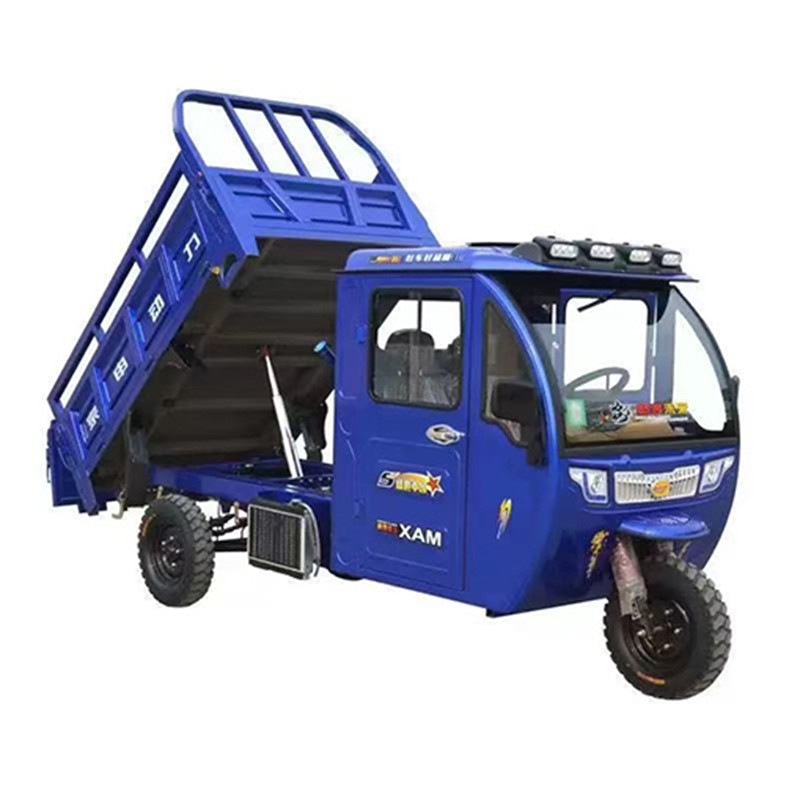
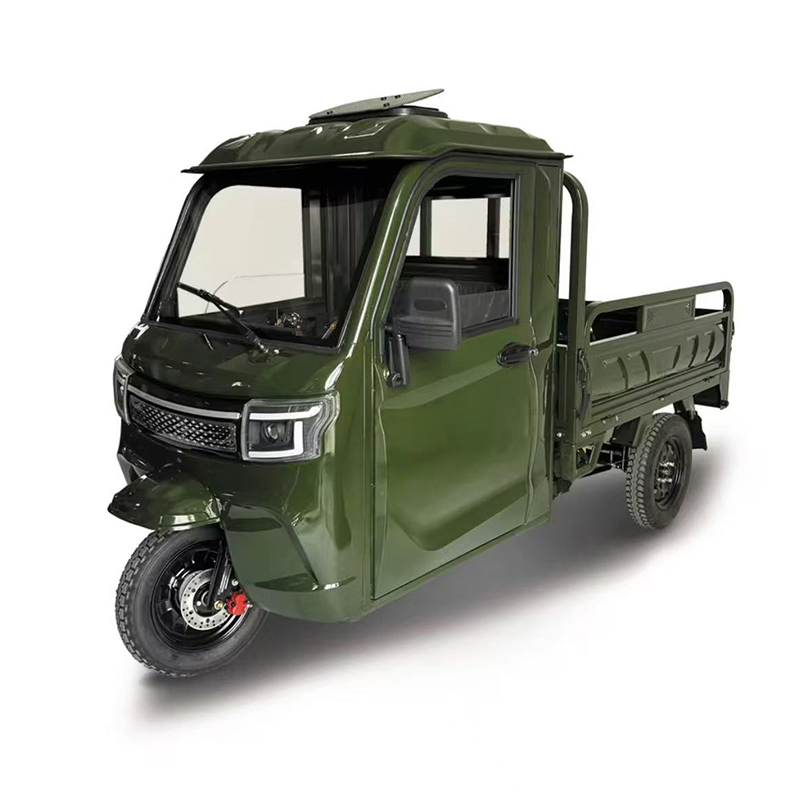
Standard cargo tuk tuk models are available in three payload classes: light-duty (300–500 kg), medium-duty (500–800 kg), and heavy-duty (800–1,200 kg). The light-duty class suits e-commerce parcels, documents, and pharmaceutical deliveries where individual item weights are low. The medium-duty class covers general merchandise, retail replenishment, and grocery delivery. The heavy-duty class is for agricultural produce, construction materials, and industrial components. Matching the payload class to the cargo profile is the single most important specification decision.
Cargo Box Design: Configuration for the Application
The cargo box configuration determines how effectively the rated payload translates into operational utility. Four primary configurations are available from most manufacturers.
The fully enclosed box provides weather protection and theft deterrence — critical for pharmaceutical, food, and high-value cargo. The trade-off is weight (adding 60–120 kg to the vehicle) and reduced visibility for the driver when reversing. The open platform or flatbed provides maximum flexibility for bulky, irregular, or oversized cargo but offers no weather or theft protection. The curtain-side van combines the accessibility of a side-door design with a lighter structure than a fully enclosed box. The refrigerated box is a specialised configuration for cold-chain logistics, requiring an integrated refrigeration unit and additional electrical power from the vehicle's battery or a dedicated auxiliary power unit.
Logistics companies should specify the cargo box configuration that matches the primary cargo type, not the most versatile configuration available. A box that is optimised for everything is optimised for nothing.
Box Dimensions and Loading Efficiency
Internal cargo box dimensions — length, width, and height — determine the volumetric capacity and influence how efficiently the vehicle is loaded. Standard cargo box lengths range from 1.2 to 2.2 metres; widths from 1.0 to 1.4 metres. For e-commerce and parcel delivery, cubic capacity matters more than rated payload: a vehicle that fits more parcels per stop, even if it rarely loads to rated weight, achieves better route economics. For grocery or produce delivery, rated payload and volumetric capacity both matter. For logistics companies moving standardised crate sizes — beverage crates, agricultural crates, bakery trays — box dimensions should be specified in multiples of the standard crate dimension to maximise loading efficiency.
Powertrain Selection: Matching Motor and Battery to the Route
The electric versus combustion choice has been largely resolved for urban logistics applications: electric cargo tuk tuk models now deliver better total cost of ownership for most urban duty cycles. The remaining decision variables are motor power and battery capacity.
Motor power of 1.5–3 kW is adequate for flat urban routes carrying medium-duty loads. Routes with sustained gradients above 12% or maximum payload operation in hilly terrain require 3–5 kW motors. Battery capacity of 80–150 Ah at 48–72V provides the energy storage for 80–130 km of real-world range; vehicles operating beyond 100 km daily require either larger battery packs or midday charging capability. Logistics companies should test the prospective model's range on the actual route — not on a manufacturer's specification — before committing to a volume order.
Total Cost of Ownership: Building the Real Comparison
A genuine cargo tuk tuk model comparison requires a total cost of ownership calculation, not just an acquisition price comparison. The TCO model should include: acquisition cost; energy or fuel cost over the vehicle's expected service life (3, 5, and 7 years); maintenance cost, including scheduled service and unscheduled repairs; tyre replacement frequency, which varies with payload and road surface; battery replacement for electric models, including replacement cost and timing; insurance premiums; and vehicle residual value at the end of the evaluation period.
When evaluated over a five-year operating horizon at 20,000 km annually, the TCO rankings of electric cargo tuk tuk models consistently favour higher-specification vehicles with better battery systems. The acquisition price premium for a vehicle with a quality battery and sophisticated BMS is typically recovered within the first 18–24 months through lower energy cost, reduced maintenance, and longer service life.
Evaluating Supplier Capability: The Quality Marker That Specs Cannot Show
Two cargo tuk tuk models with identical specifications can have dramatically different real-world performance, durability, and after-sales support. The difference lies in the supplier's engineering discipline, manufacturing quality control, and after-sales commitment.
The markers of a capable cargo tuk tuk supplier are: verifiable production quality system (ISO 9001 or equivalent); documented battery management system design and testing; export market experience with references in comparable climates and operating conditions; spare-parts supply commitment for a minimum of five years post-purchase; technical documentation in the buyer's language; and willingness to conduct a route-simulation test with the specific configuration being evaluated. A supplier who cannot or will not provide these markers should be treated as a speculative assembler rather than a manufacturer capable of supporting a commercial fleet operation.
Common Procurement Mistakes and How to Avoid Them
The five procurement errors that most commonly lead to fleet underperformance are: selecting on acquisition price alone without calculating TCO; specifying the most versatile configuration rather than the one optimised for the primary cargo type; accepting manufacturer range figures without route simulation; skipping pre-shipment inspection; and failing to negotiate battery warranty terms with clear replacement thresholds and timelines.
FAQ
What payload capacity do I need for an e-commerce logistics fleet?
For e-commerce parcel delivery with average stop weights under 30 kg, a light-duty cargo tuk tuk (300–500 kg rated payload) is sufficient. Specify a vehicle with volumetric capacity for the number of parcels per stop rather than maximum payload weight.
How do I compare cargo tuk tuk models with different specifications?
Build a total cost of ownership model over your planned operating period (3–5 years) and vehicle utilisation (annual km). Include acquisition, energy, maintenance, battery replacement, insurance, and residual value. The TCO comparison — not the acquisition price comparison — identifies the best value model.
Should I choose electric or petrol for a cargo tuk tuk logistics fleet?
For urban logistics operations with daily distances under 120 km, electric cargo tuk tuk models deliver 30–50% lower total cost of ownership over five years. The energy cost advantage and reduced maintenance requirements of electric models outweigh the higher acquisition cost for the majority of urban delivery applications.
What cargo box configuration is best for food delivery?
A fully enclosed or curtain-side box with insulation options provides the weather protection and temperature stability needed for food delivery. For cold-chain grocery delivery, specify a refrigerated box with dedicated power management from the vehicle's electrical system.
How important is pre-shipment inspection for a cargo tuk tuk fleet order?
Critical. Pre-shipment inspection by an independent agency verifies that delivered vehicles match the ordered specification, are free from manufacturing defects, and meet the quality standards documented in the purchase agreement. The cost of inspection — USD 200–500 per vehicle — is trivial against the cost of a fleet of non-compliant or defective vehicles.
Conclusion
The best cargo tuk tuk model for a logistics company is the one that matches the operational requirements of the specific routes and cargo types the company operates. Route analysis must precede vehicle selection; total cost of ownership must replace acquisition price as the primary comparison metric; and supplier capability must be evaluated with the same rigour as vehicle specifications. Logistics companies that apply this framework — rather than selecting from a specification sheet — consistently deploy fleets that perform reliably, cost less per kilometre, and require less management attention than fleets procured on price alone.
References
Holguín-Veras, J., & González-Calderón, C. (2023). "Freight Trip Generation Models for Urban Three-Wheeled Delivery Vehicles." Transportation Research Part E, 176, 103–118.
Das, S., & Pandey, A. (2023). "Total Cost of Ownership: Three-Wheelers vs Light Trucks in Urban Delivery." Journal of Transport Geography, 109, 78–92.
Browne, M., & Allen, J. (2023). "Vehicle Type Selection for Sustainable Urban Freight Transport." Procedia Social and Behavioral Sciences, 104, 1132–1145.
World Bank. (2024). "Last-Mile Delivery Innovation in Developing Economies." World Bank Working Papers, WP-2941.
-
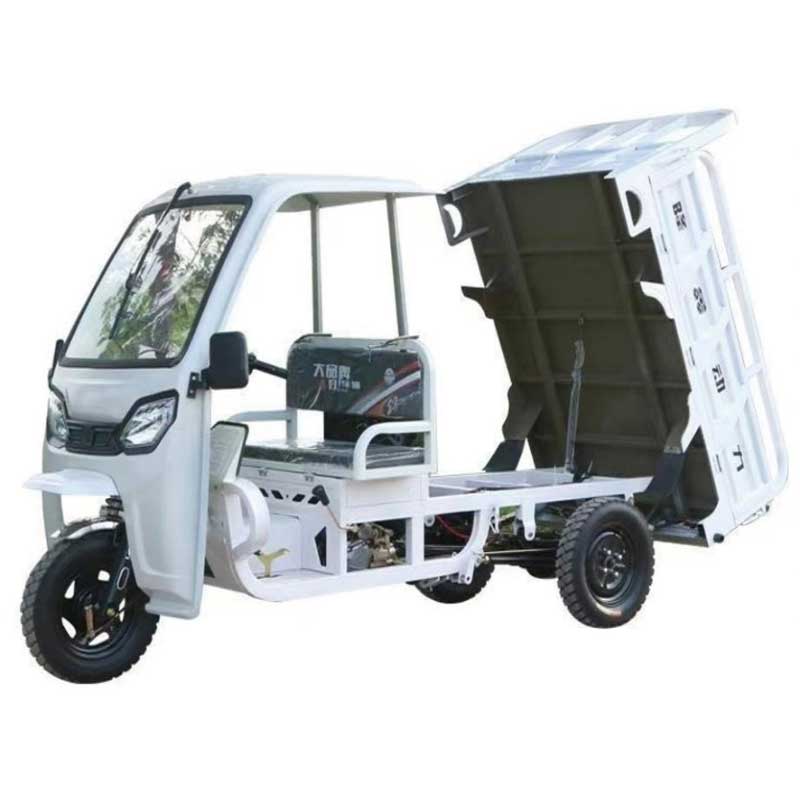
White Semi-Covered Three-Wheel Cargo Tricycle
-
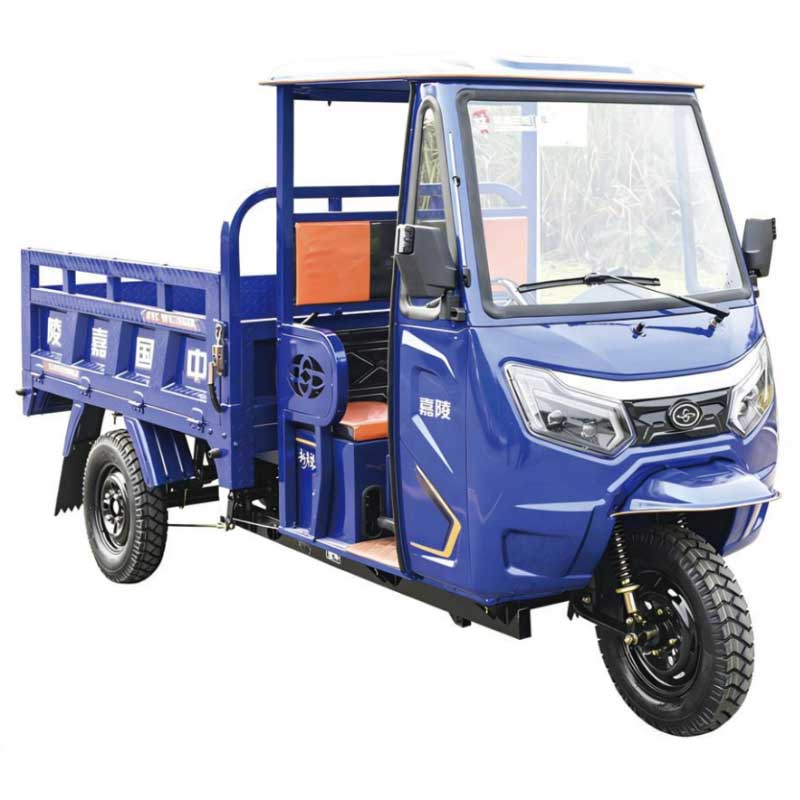
blue Semi-Covered Three-Wheel Cargo Tricycle
-
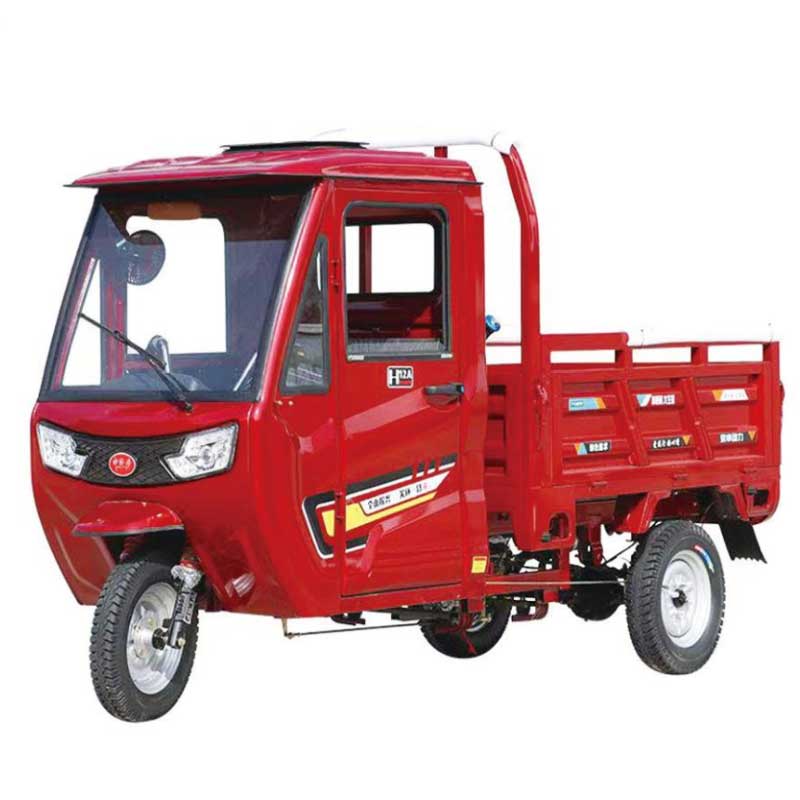
red Semi-Covered Three-Wheel Cargo Tricycle
-
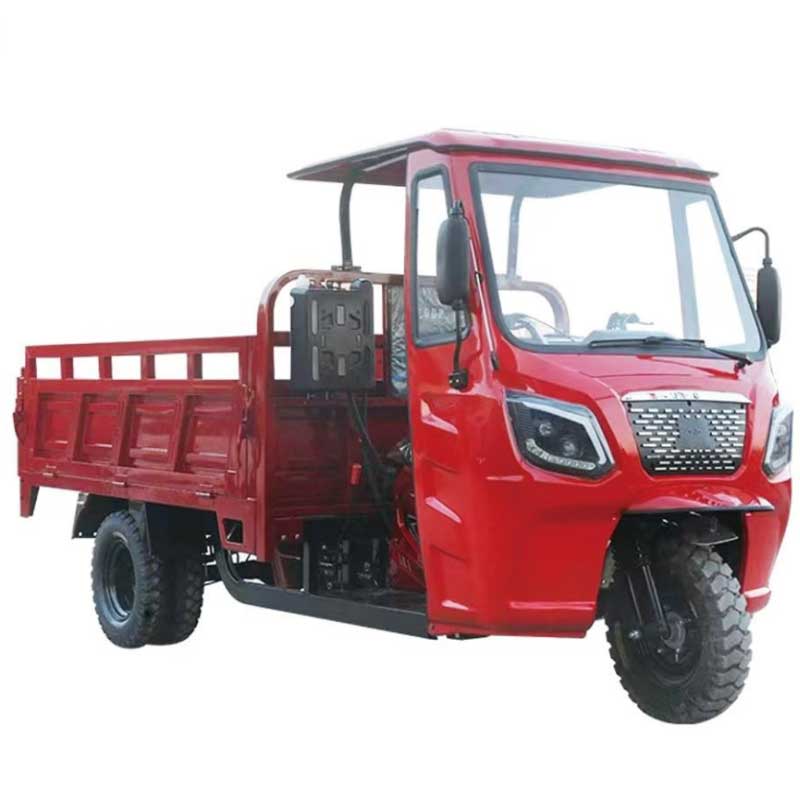
red Semi-Covered Three-Wheel Cargo Tricycle
-
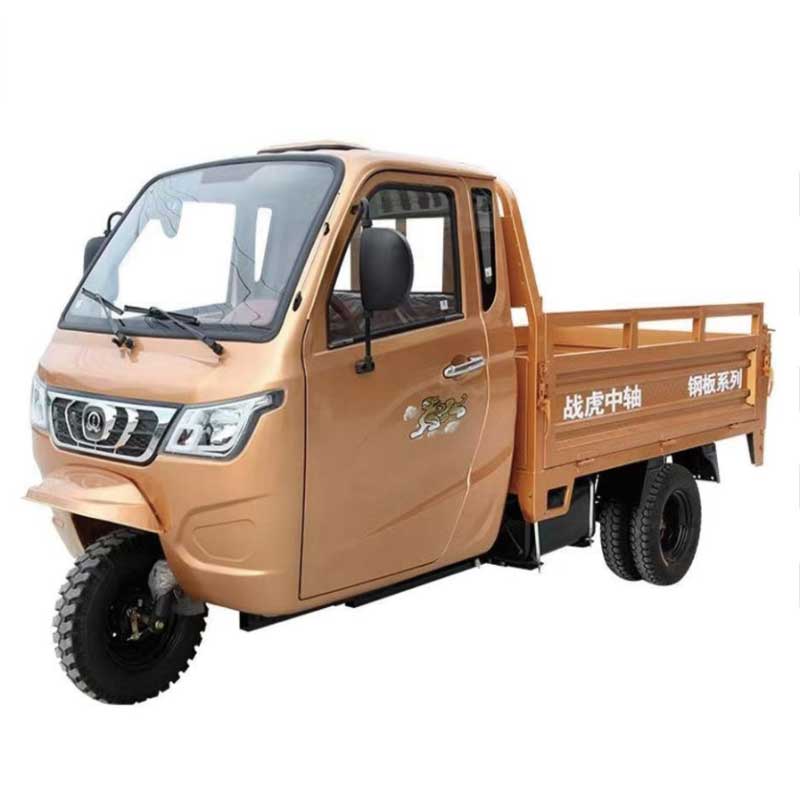
yellow Semi-Covered Three-Wheel Cargo Tricycle
-
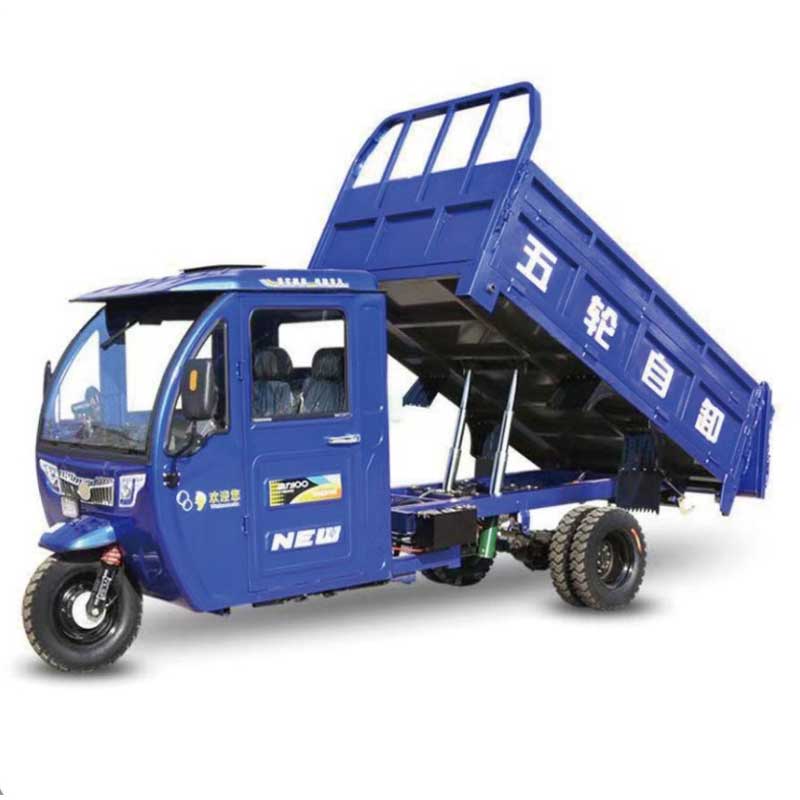
blue Semi-Covered Three-Wheel Cargo Tricycle
-
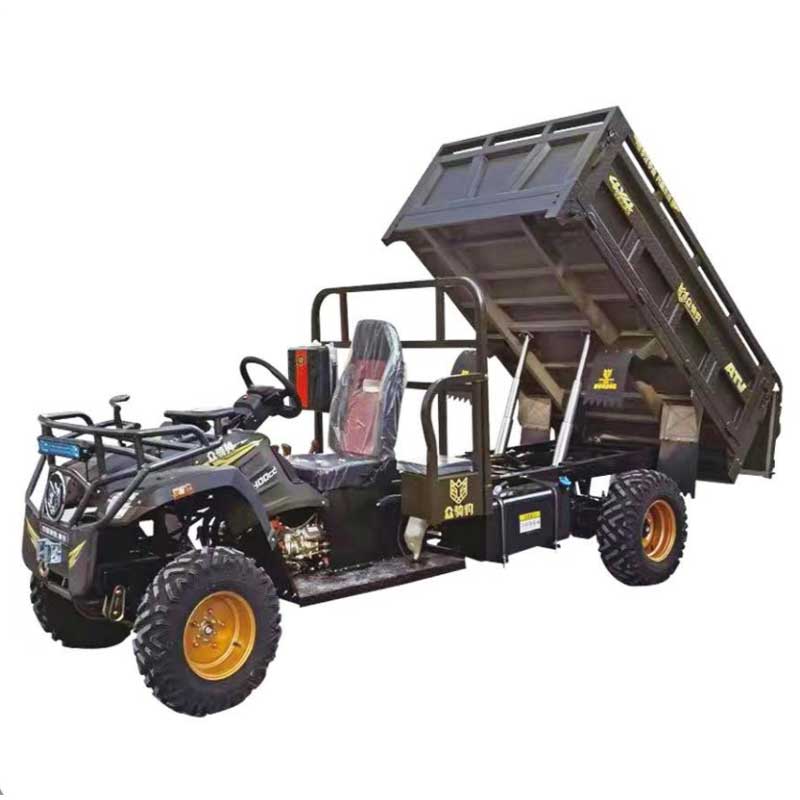
Military route color Semi-Covered Three-Wheel Cargo Tricycle
-
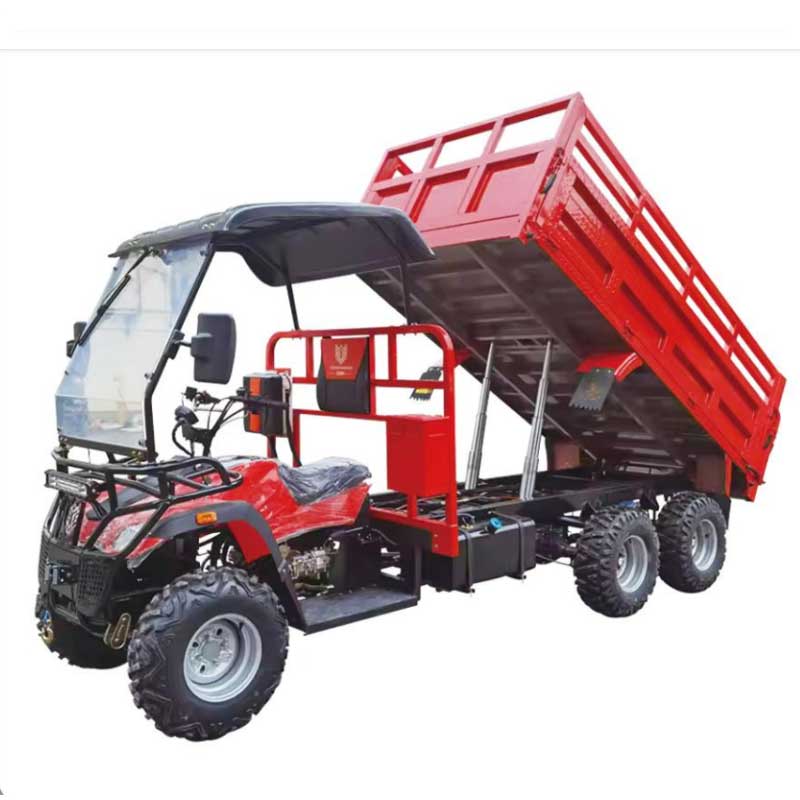
red Semi-Covered Three-Wheel Cargo Tricycle
Renqiu Xianyue Motorcycle Co., Ltd.
Copyright © 2026-2027 https://www.xuanyuetricycle.com. All Rights Reserved Renqiu Xuanyue Motorcycle Co., Ltd.